
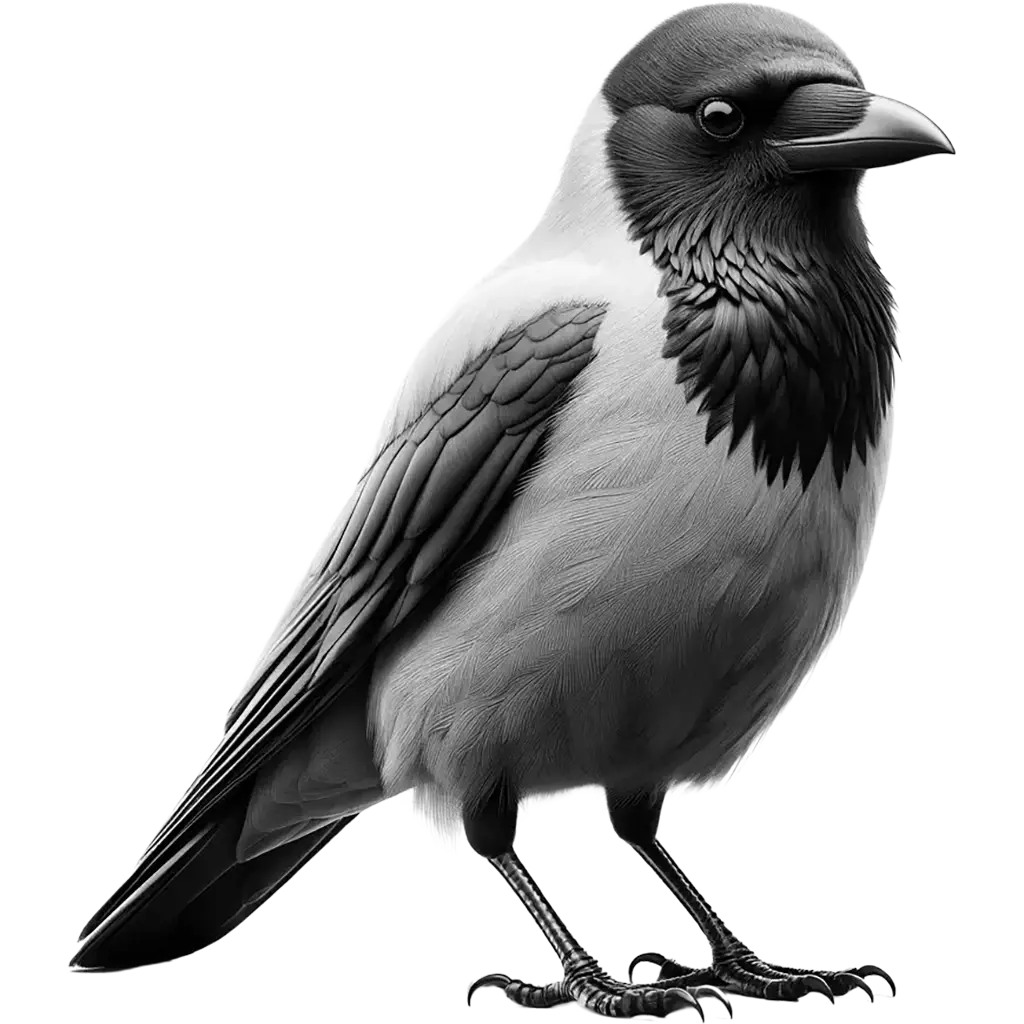
Corvus Typicus
Piping Crow
Forests, woodland edges, and cultivated areas
The Piping Crow, corvus typicus, is a distinctive species of bird found in the Indonesian archipelago, particularly on the islands of Sulawesi, Buton, Muna, and Kabaena. This medium-sized crow is characterized by its sleek black plumage, which shows a slight glossy sheen in sunlight. Adult Piping Crows typically measure about 40 to 45 cm in length, making them slightly smaller than some of their more familiar crow relatives. One of the most notable features of this species is its vocalization; the 'piping' calls are remarkably different from the harsh caws associated with other crow species, hence the name.
| Population: | Data is limited; status not well documented but considered to be of least concern due to its broad range |
| Generation Length: | 4-5 years |
| Average Weight: | Approximately 250-350 grams |
| Average Length: | 40-50 cm |
| Lifespan: | Estimated to be similar to other crows, around 10-20 years |
| Diet: | Highly omnivorous, with a diet that includes a wide range of animal and plant materials |
| Conservation Status: | Least Concern (LC) |
Piping Crows inhabit a variety of forested environments, including mangroves, lowland rainforests, and montane forests, up to altitudes of about 1,000 meters. They are highly adaptable and can often be found in cultivated areas and near human settlements. Despite their adaptability, they remain most abundant in undisturbed habitats, where they play an essential role in the ecosystem as both scavengers and predators.
The diet of the Piping Crow is omnivorous, consisting of fruits, seeds, insects, small animals, and carrion. This varied diet allows them to exploit a wide range of food sources, contributing to their survival in diverse habitats. They are known to be opportunistic feeders, often observed foraging in groups to maximize their chances of finding food.
Little is known about the breeding habits of the Piping Crow, as with many aspects of its life history. However, it is believed that they build nests in trees and lay 2 to 4 eggs per clutch. Both parents are involved in nest construction, incubation of the eggs, and feeding the chicks, demonstrating a high degree of parental care.
The population status of the Piping Crow is currently of concern due to habitat loss and fragmentation, particularly from deforestation for agriculture and logging. Conservation efforts are necessary to protect the remaining forest habitats on which these birds depend. Preserving their natural environments will be crucial for maintaining the biodiversity of the Indonesian archipelago and ensuring the survival of the Piping Crow and other endemic species.
Classifications
The Key Attributes
Features
- Movement:
Flying, walking, hopping
- Territorial Behavior:
Likely territorial, similar to other crow species
- Speed:
Fast and agile in flight, capable of quick maneuvers
- Diet:
Omnivore
- Physical Features:
- All-black plumage
- Strong, stout beak adapted for a variety of foods
- Long legs and wings
- Relatively large size for a crow
- Primary Senses:
- Sight
- Hearing
- Smell
Understanding Habitat and Range
Geography
- Habitat:
Forests, woodland edges, and cultivated areas
- Migration Patterns:
Mostly sedentary with some local movements for food and habitat
- Geographical Range:
Endemic to Sulawesi and neighboring islands in Indonesia
- Climate Preferences:
Tropical climates, prefers forested areas but adapts to human-altered landscapes
Navigating the Wilderness
In the wild
- Predators:
Birds of prey and larger mammals
- Prey:
Insects, small vertebrates, fruits, and seeds
- Feeding Behavior:
Feeds on a variety of foods, including insects, small animals, fruits, and seeds, often foraging on the ground or in trees
- Diet:
Highly omnivorous, with a diet that includes a wide range of animal and plant materials
- Defensive Mechanisms:
- Intelligent, social behavior to outwit predators and competitors
- Flying to escape ground-based threats
- Preferred Food Sources:
- Diverse environments with plentiful food resources
Insights Into Reproduction
Mating
- Mating System:
Monogamous
- Number of Offspring:
3-5 eggs
- Incubation Period:
18-20 days
- Parental Involvement:
- Both parents care for the young, including feeding and teaching foraging skills
Youngsters Section
Piping Crow
Fun Fact
The Piping Crow is a unique bird known for its distinctive, flute-like calls in its native habitat.
These vocalizations are not only for communication but also serve to establish territory and attract mates. Found mainly in Indonesia, particularly on the islands of Sulawesi and nearby landmasses, these crows are social and often seen in groups. They primarily feed on insects, fruits, and small animals, adapting well to various environments.

Download word search puzzles
Word Search Puzzles
Check Out Other Birds
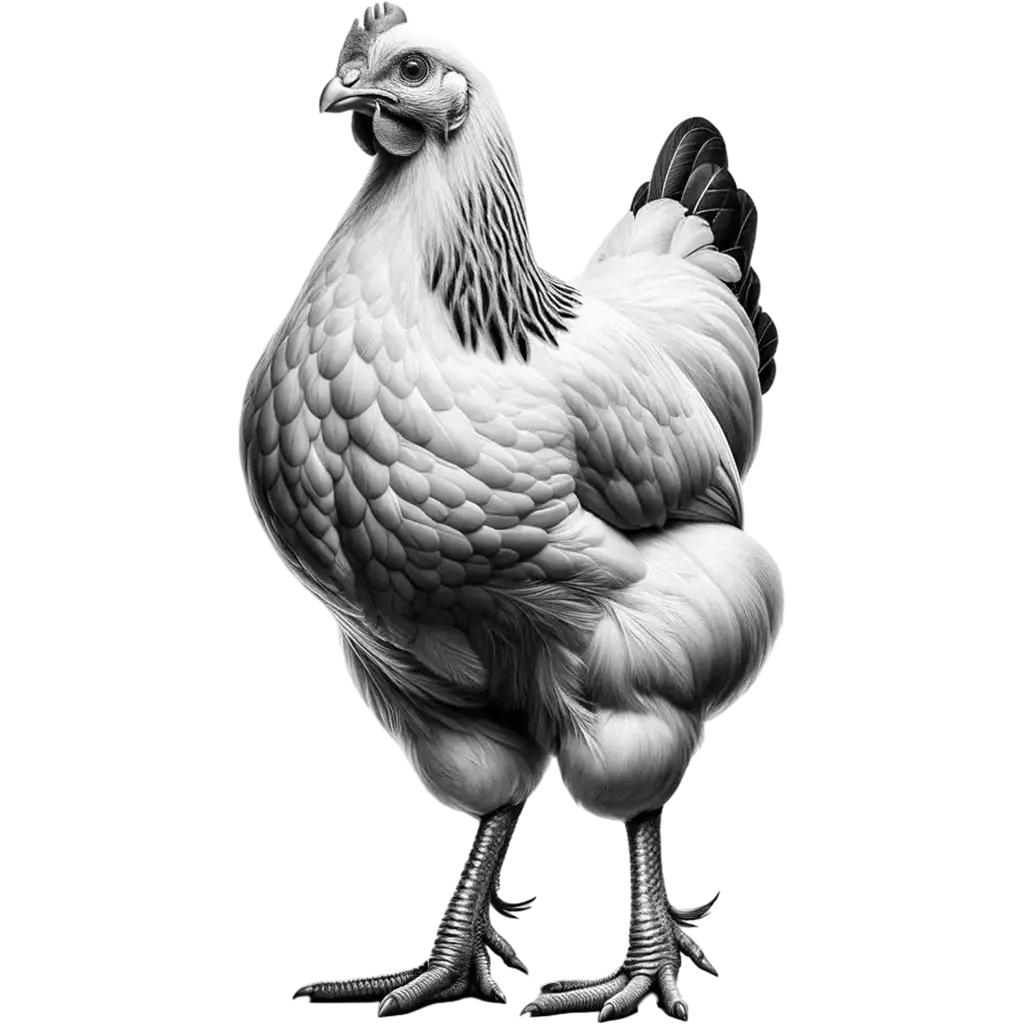
The Jersey Giant, developed in the United States in the late 19th century, is the largest breed of chicken known for its substantial size and impressive stature. Originating from New Jersey, this breed was initially bred to replace the turkey as the premier source of meat poultry. Adult Jersey Giants
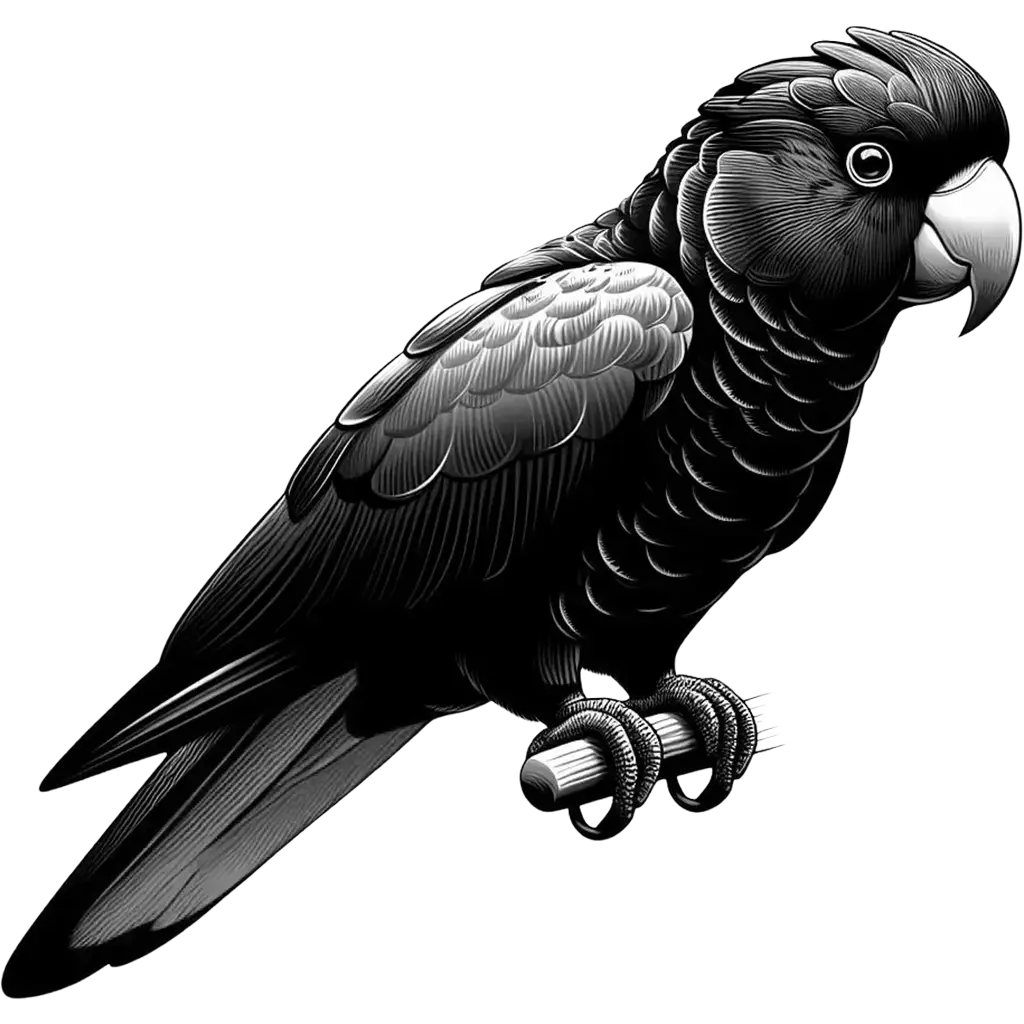
The Red-Tailed Black Cockatoo, calyptorhynchus banksii, is a large, striking bird native to Australia, known for its glossy black plumage and distinctive red tail panels. Adult males boast a bold black color with a bright red band across the tail feathers, while females and juveniles display a more varied plumage
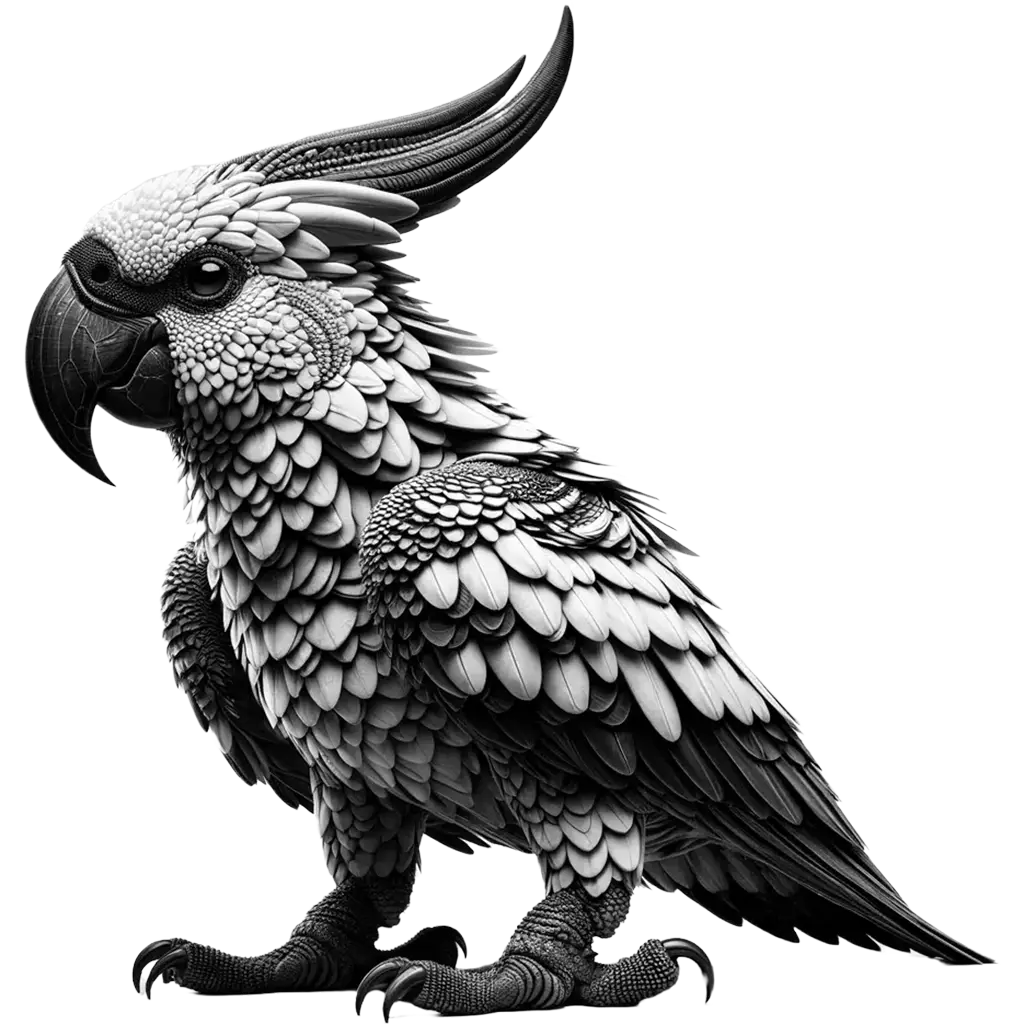
The Horned Parakeet, eunymphicus cornutus, is a vibrantly colored bird, distinguished by its unique red and blue facial markings and the notable horn-like feathers protruding from its head. This medium-sized parakeet, measuring around 32 cm in length, boasts a predominantly green plumage that blends seamlessly with the lush foliage of
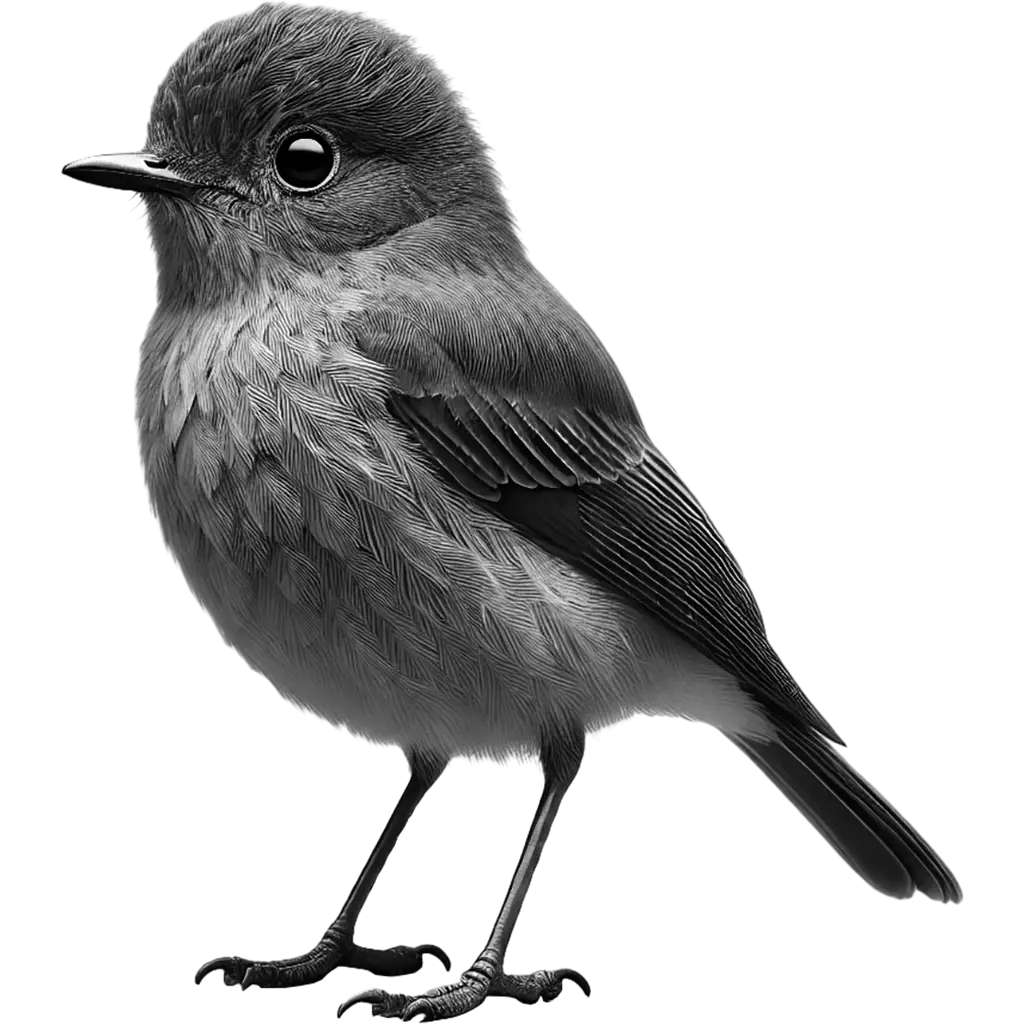
The Tumbes Pewee is a small, compact bird with subtle olive and gray plumage that blends seamlessly into its tropical surroundings. Its soft, rounded head is accented by distinct facial markings and a slightly hooked, sharp bill, all of which enhance its overall delicate yet alert appearance. The bird's long,