
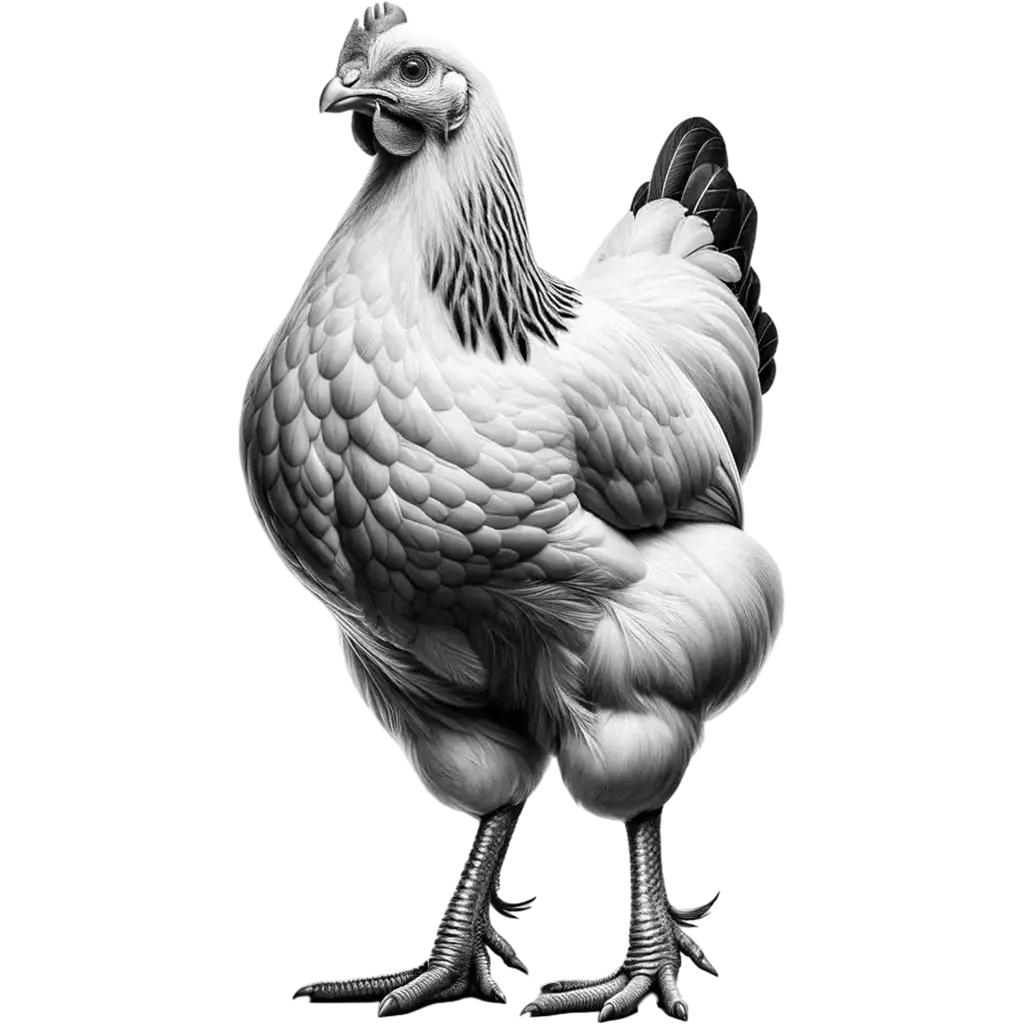
Gallus Gallus Domesticus
Jersey Giant
Domestic environments, ranging from backyard coops to farm settings
The Jersey Giant, developed in the United States in the late 19th century, is the largest breed of chicken known for its substantial size and impressive stature. Originating from New Jersey, this breed was initially bred to replace the turkey as the premier source of meat poultry. Adult Jersey Giants can stand over 26 inches tall, with males weighing up to 13-15 pounds (5.9-6.8 kg) and females 10-12 pounds (4.5-5.4 kg), making them giants among chickens. They are characterized by their black, blue, or white plumage, which is lustrous and tightly fitted to the body, and their bright red comb and wattles, which add a striking contrast to their dark feathers.
| Population: | Not critically endangered, but less common than commercial breeds |
| Generation Length: | 1-2 years |
| Average Weight: | Males: 13-15 lbs (5.9-6.8 kg), Females: 10-12 lbs (4.5-5.4 kg) |
| Average Length: | Males up to 26 inches (66 cm) in height, females slightly shorter |
| Lifespan: | 6-10 years |
| Diet: | Grains, greens, insects, and kitchen scraps |
| Conservation Status: | Not Evaluated (NE) |
Jersey Giants are known for their gentle and friendly temperament, making them excellent pets and a favorite among poultry enthusiasts. Despite their large size, they are docile and manageable. They are well-suited for free-ranging in spacious environments where they can forage, though their size requires more space and food than average chickens. This breed adapts well to various climates, but due to their large size, they need adequate shelter during extreme weather conditions.
The diet of the Jersey Giant, like other chicken breeds, should be well-balanced and include a mix of grains, seeds, and protein, along with access to fresh water. Their larger stature means they consume more feed than other breeds, a consideration for those raising them. In addition to commercial feed, they benefit from foraging for greens, insects, and worms, which provides variety in their diet and helps keep them healthy.
Reproduction and egg-laying are areas where the Jersey Giant does not excel compared to other breeds. Hens are moderate layers, producing around 150-200 large brown eggs per year. Their size can sometimes be a disadvantage, as they can accidentally break eggs if not provided with spacious nesting boxes. Despite this, they are attentive mothers and can successfully hatch and raise chicks if given the chance.
The population of Jersey Giants is stable, though they are less common than other poultry breeds due to their special requirements for space and feed. They are not considered at risk but are valued more for their novelty and the quality of meat they produce than for egg production. Preservation efforts for the Jersey Giant focus on maintaining the breed's characteristics, promoting sustainable breeding practices, and ensuring genetic diversity within the population.
Classifications
The Key Attributes
Features
- Movement:
Walking, occasional short flights
- Territorial Behavior:
Can be territorial, especially roosters
- Speed:
Not specifically quantified; capable of quick movements to escape perceived threats or to forage
- Diet:
Omnivore
- Physical Features:
- Large and robust body
- Long, broad back and deep breast
- Single comb with five points, red wattles and earlobes
- Feathers are tight to the body, giving a smooth appearance
- Primary Senses:
- Sight
- Hearing
- Taste
Understanding Habitat and Range
Geography
- Habitat:
Domestic environments, ranging from backyard coops to farm settings
- Migration Patterns:
Non-applicable
- Geographical Range:
Originally from the United States, now found in various parts of the world among poultry enthusiasts
- Climate Preferences:
Adaptable to a wide range of climates, but their large size makes them more tolerant of cold than extreme heat
Navigating the Wilderness
In the wild
- Predators:
Not applicable in the traditional sense; domestic chickens face threats from local predators
- Prey:
Not applicable
- Feeding Behavior:
Forages for seeds, insects, and almost any food scraps available
- Diet:
Grains, greens, insects, and kitchen scraps
- Defensive Mechanisms:
- Flocking together for protection
- Roosters may confront threats with physical aggression
- Preferred Food Sources:
- A varied diet of grains, vegetables, and protein sources like insects
Insights Into Reproduction
Mating
- Mating System:
Polygynous, with one rooster typically overseeing multiple hens
- Number of Offspring:
Depends on the hen's laying cycle; a hen might lay 150-200 eggs per year
- Incubation Period:
21 days for eggs to hatch
- Parental Involvement:
- Hens incubate eggs and care for chicks; roosters may protect the flock
Youngsters Section
Jersey Giant
Fun Fact
Jersey Giants are the largest chicken breed in the world, known for their impressive size.
Originally bred in the late 19th century in New Jersey, USA, these chickens were developed to replace turkeys as a table bird. Despite their size, Jersey Giants are known for their docile and friendly nature, making them a popular choice among backyard poultry enthusiasts. They can weigh up to 13 pounds, making them gentle giants in the poultry world.

Download word search puzzles
Word Search Puzzles
Check Out Other Birds
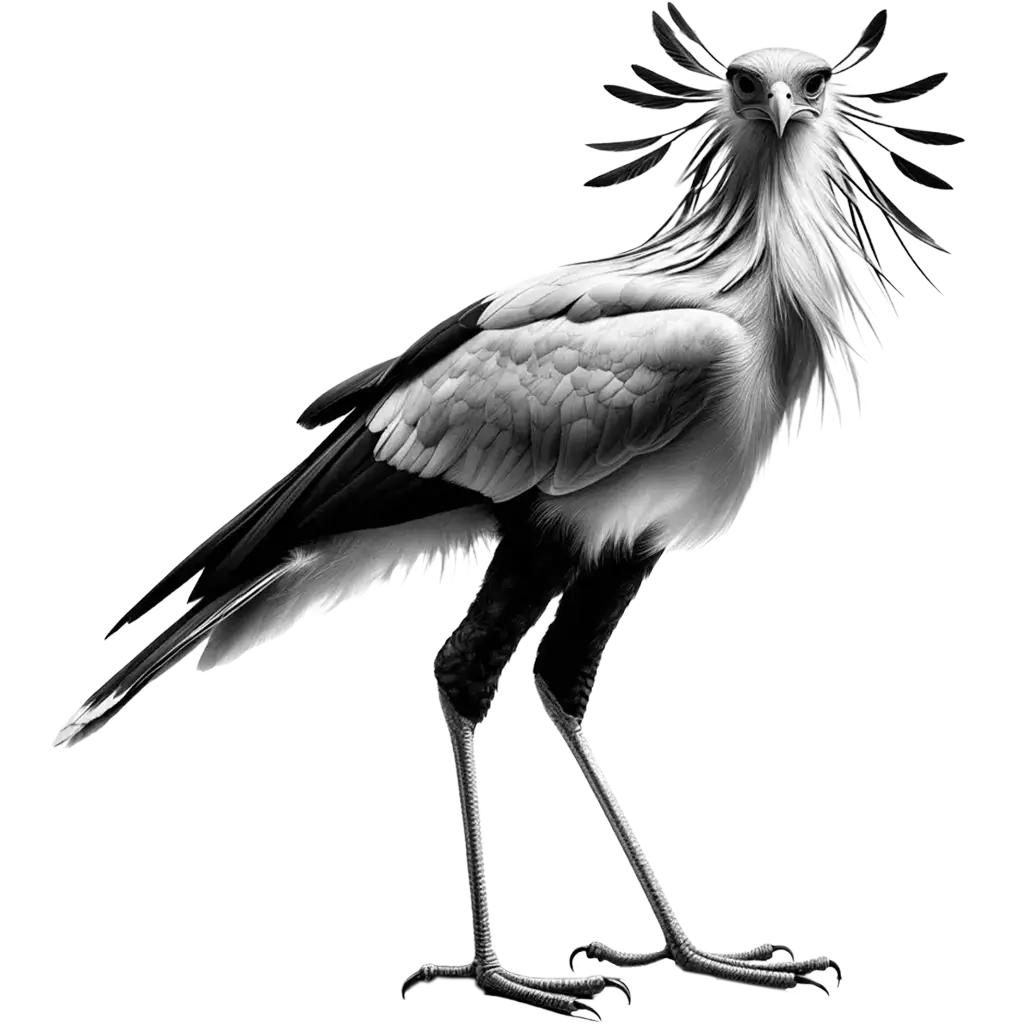
The Secretarybird, sagittarius serpentarius, is a unique bird of prey native to the open grasslands and savannas of Sub-Saharan Africa. This distinctive species stands tall on crane-like legs, reaching up to 1.3 meters in height, with a body length of about 1.4 meters from beak to tail. Its appearance is
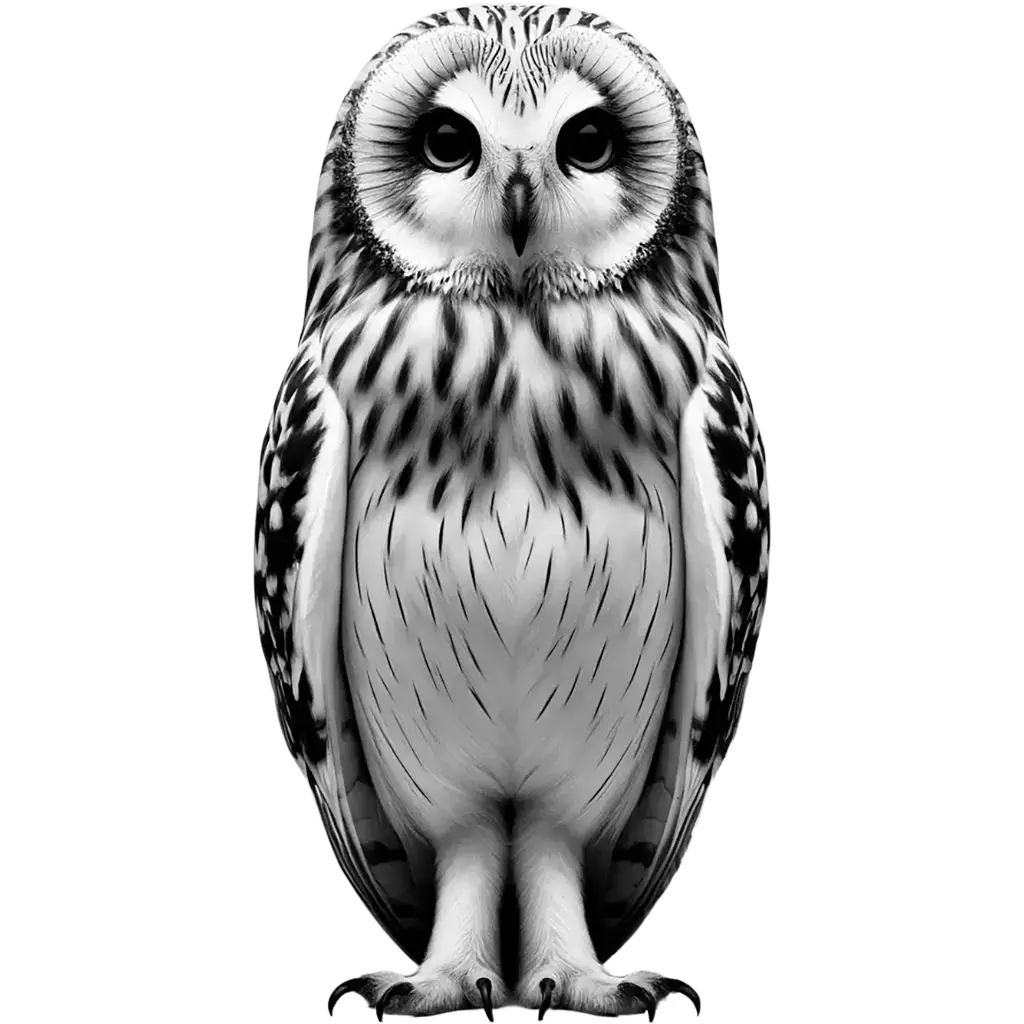
The Short-Eared Owl, asio flammeus, is a medium-sized bird of prey, notable for its widespread distribution across North and South America, Europe, Asia, and parts of Africa. This species is easily identified by its mottled brown and buff plumage, which provides excellent camouflage in its open grassland and marshland habitats.
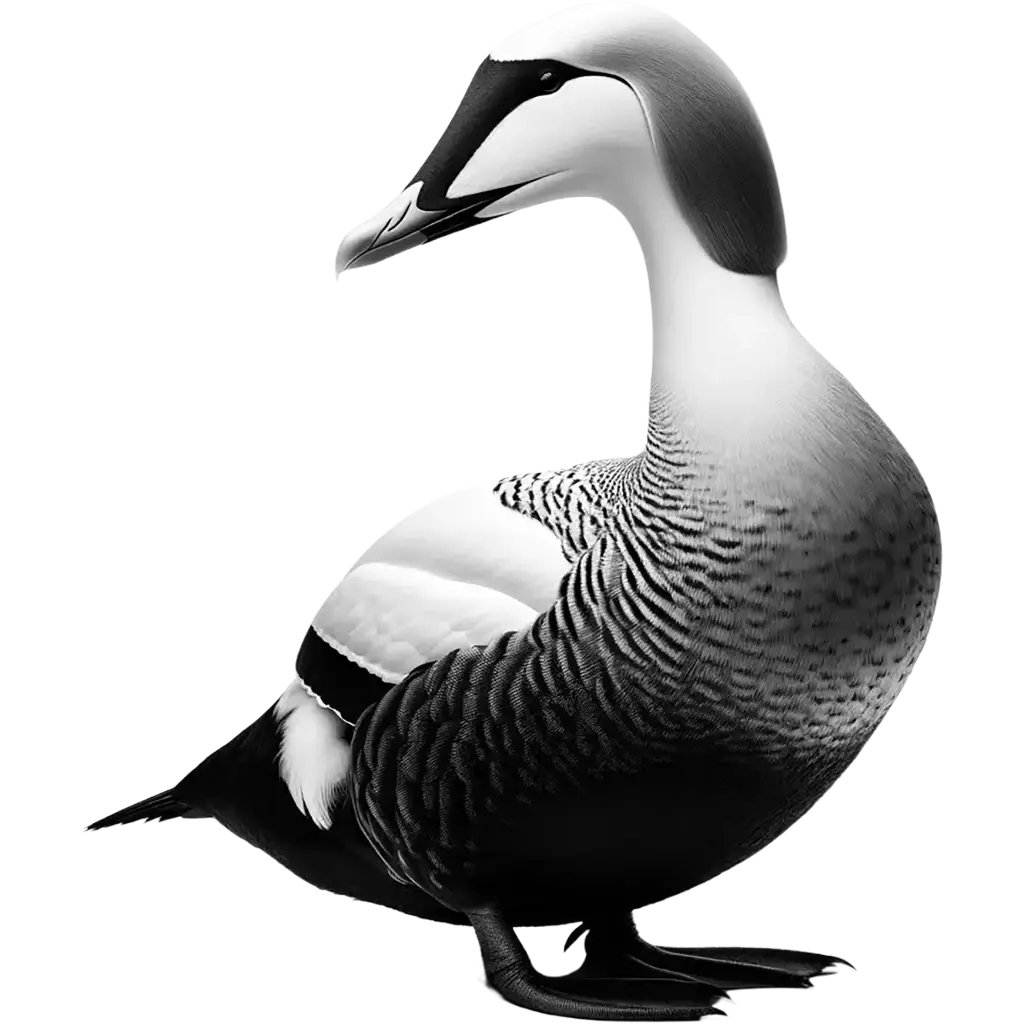
The King Eider, somateria spectabilis, is a large, striking sea duck known for its circumpolar distribution in the Arctic regions of North America, Europe, and Asia. Male King Eiders are particularly notable for their distinctive appearance during the breeding season, with a bold black and white pattern, a bright orange
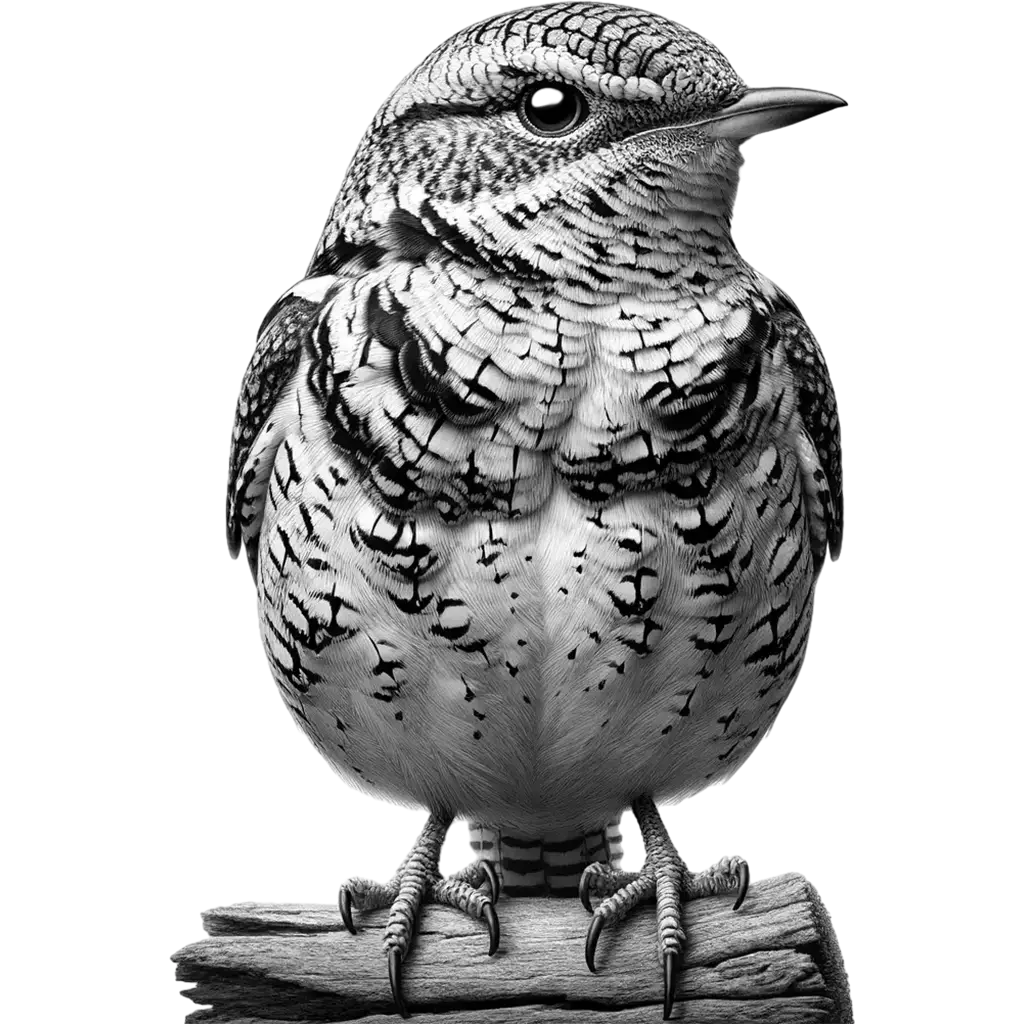
The Eurasian Wryneck, jynx torquilla, is a small, distinctive bird known for its ability to twist its neck almost 180 degrees, a feature that gives it its common name. Measuring 16 to 17 cm in length and weighing approximately 20 to 30 grams, the wryneck has a streaked brown and