

Asio Flammeus
Short-Eared Owl
Open country, such as grasslands, marshes, tundra, and agricultural fields
The Short-Eared Owl, asio flammeus, is a medium-sized bird of prey, notable for its widespread distribution across North and South America, Europe, Asia, and parts of Africa. This species is easily identified by its mottled brown and buff plumage, which provides excellent camouflage in its open grassland and marshland habitats. Despite its name, the Short-Eared Owl has prominent ear tufts that are often not visible, giving its rounded head a distinctive appearance. Adults typically measure 34 to 43 cm in length, with a wingspan of 85 to 110 cm, and possess large, yellow eyes surrounded by dark facial disks, enhancing their nocturnal vision.
| Population: | Listed as Least Concern, but some local populations are declining |
| Generation Length: | 4 years |
| Average Weight: | 300-350 grams |
| Average Length: | 34-43 cm |
| Lifespan: | 4-7 years in the wild |
| Diet: | Primarily small mammals, with occasional birds and insects |
| Conservation Status: | Least Concern (LC) |
Short-Eared Owls are ground-nesting birds, choosing open habitats like grasslands, prairies, and marshes, where they can hunt for their prey. They are one of the few owl species that are also active during the day, especially at dawn and dusk. Their presence in a region often indicates healthy, undisturbed open landscapes, which are crucial for their hunting and breeding activities.
The diet of the Short-Eared Owl mainly consists of small mammals, particularly voles, mice, and rats, making them valuable for controlling rodent populations. They may also occasionally hunt birds, insects, and amphibians. These owls hunt by flying low over open fields, using their acute hearing and vision to detect prey before swooping down to capture it.
Reproduction for the Short-Eared Owl involves a simple ground nest, which is little more than a scrape lined with grass and feathers. Females lay 4 to 7 eggs, which are incubated primarily by the female while the male provides food. The chicks are born altricial (helpless) and depend on both parents for food and protection until they fledge.
The population of the Short-Eared Owl is considered of Least Concern globally, but it faces threats from habitat loss due to agricultural expansion, urban development, and wetland drainage. Conservation efforts are focused on preserving open habitats and monitoring population trends to ensure the species' long-term survival. The Short-Eared Owl's wide range but declining numbers in specific areas highlight the importance of habitat conservation for migratory and resident populations.
Classifications
The Key Attributes
Features
- Movement:
Flying, perching
- Territorial Behavior:
Territorial during breeding season, otherwise may be seen in loose flocks
- Speed:
Capable of quick, agile flight
- Diet:
Carnivore
- Physical Features:
- Medium-sized owl with a round head and short ear tufts
- Mottled brown and buff plumage providing camouflage
- Yellow eyes and a black-rimmed facial disk
- Long wings and short tail
- Primary Senses:
- Sight
- Hearing
Understanding Habitat and Range
Geography
- Habitat:
Open country, such as grasslands, marshes, tundra, and agricultural fields
- Migration Patterns:
Partially migratory, with northern populations moving south in winter
- Geographical Range:
Widespread, found in the Americas, Europe, Asia, and parts of Africa
- Climate Preferences:
Adaptable to various climates, from Arctic tundra to temperate regions
Navigating the Wilderness
In the wild
- Predators:
Larger birds of prey and mammals
- Prey:
Small mammals, particularly rodents, and occasionally small birds and insects
- Feeding Behavior:
Hunts primarily at dusk and dawn, flying low over open land to catch prey
- Diet:
Primarily small mammals, with occasional birds and insects
- Defensive Mechanisms:
- Camouflage plumage
- Silent flight to avoid detection
- Agility in flight to escape predators
- Preferred Food Sources:
- Open landscapes with abundant small mammal populations
Insights Into Reproduction
Mating
- Mating System:
Monogamous or polygynous
- Number of Offspring:
4-7 eggs
- Incubation Period:
24-28 days
- Parental Involvement:
- Females mainly incubate; both parents feed the young
Youngsters Section
Short-Eared Owl
Fun Fact
Short-Eared Owls are known for their distinctive yellow eyes and short, ear-like tufts on their heads.
These owls are highly adaptable and can be found on every continent except Antarctica. They primarily hunt during the day, unlike many other owl species. Their preferred habitats include grasslands, marshes, and open areas where they can easily spot prey. They have a unique flight pattern, characterized by slow, buoyant wingbeats.

Download word search puzzles
Word Search Puzzles


Check Out Other Birds

The Oriental Scops Owl, otus sunia, is a small and elusive bird of prey, known for its distinctive ear tufts and varied color morphs, ranging from gray to reddish-brown, which provide excellent camouflage against tree bark. This species typically measures about 19 to 23 cm in length, with a wingspan
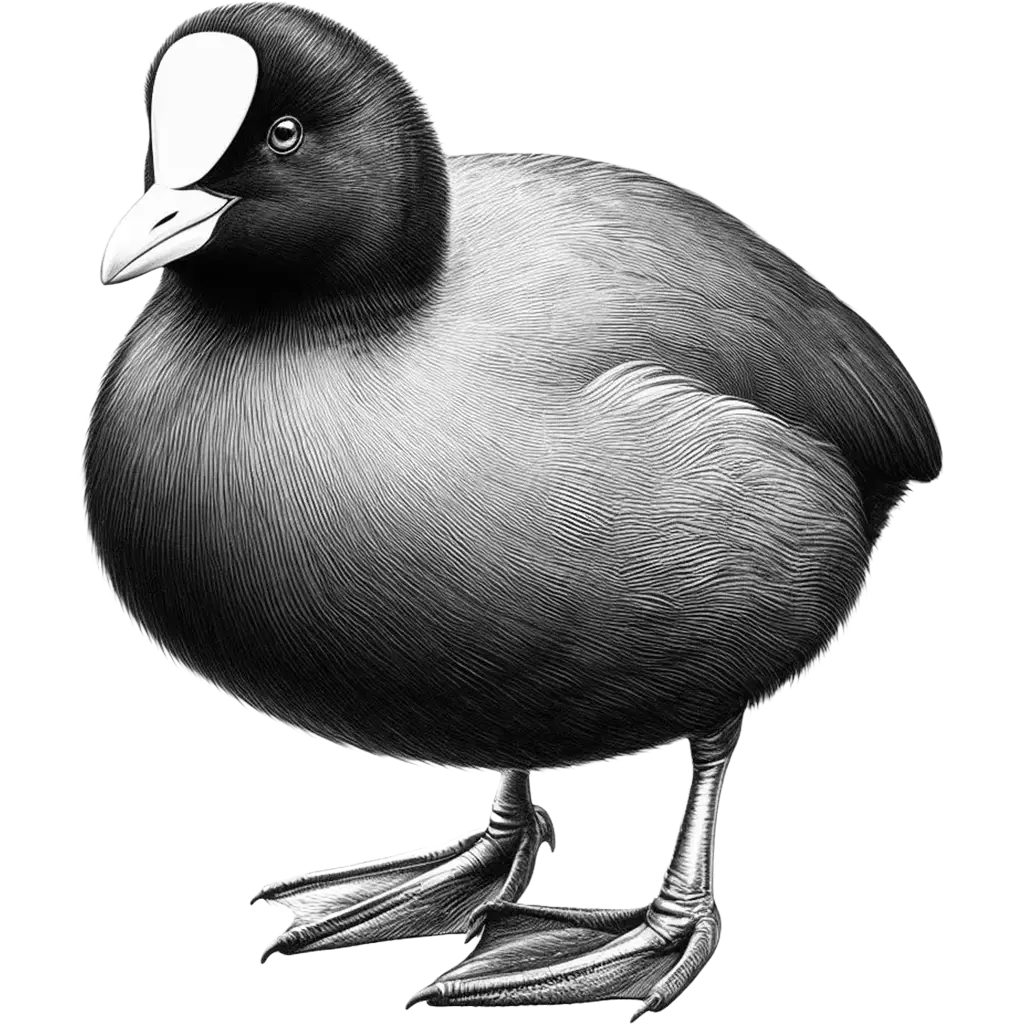
The Eurasian Coot, fulica atra, is a widespread waterbird known for its distinctive all-black plumage and stark white bill and forehead shield. Common across Europe, Asia, Australia, and parts of Africa, this medium-sized bird measures about 32 to 42 centimeters in length and weighs approximately 600 to 900 grams. The

The Grey-backed Tachuri is a diminutive bird, measuring approximately 9.5 to 10 centimeters in length and weighing around 6 grams. It features a gray crown with a subtle crest, a white supercilium (eyebrow line), and a white eye ring. Its upperparts are brownish-gray, while the underparts exhibit a pinkish-buff hue.

Sabine's Gull, xema sabini, is a small and distinctive seabird known for its striking plumage and unique migratory patterns. Adults display a slender, graceful profile with a wingspan of approximately 81 to 84 cm. Their summer plumage features a dark hood, white triangles on the leading edges of the wings,