
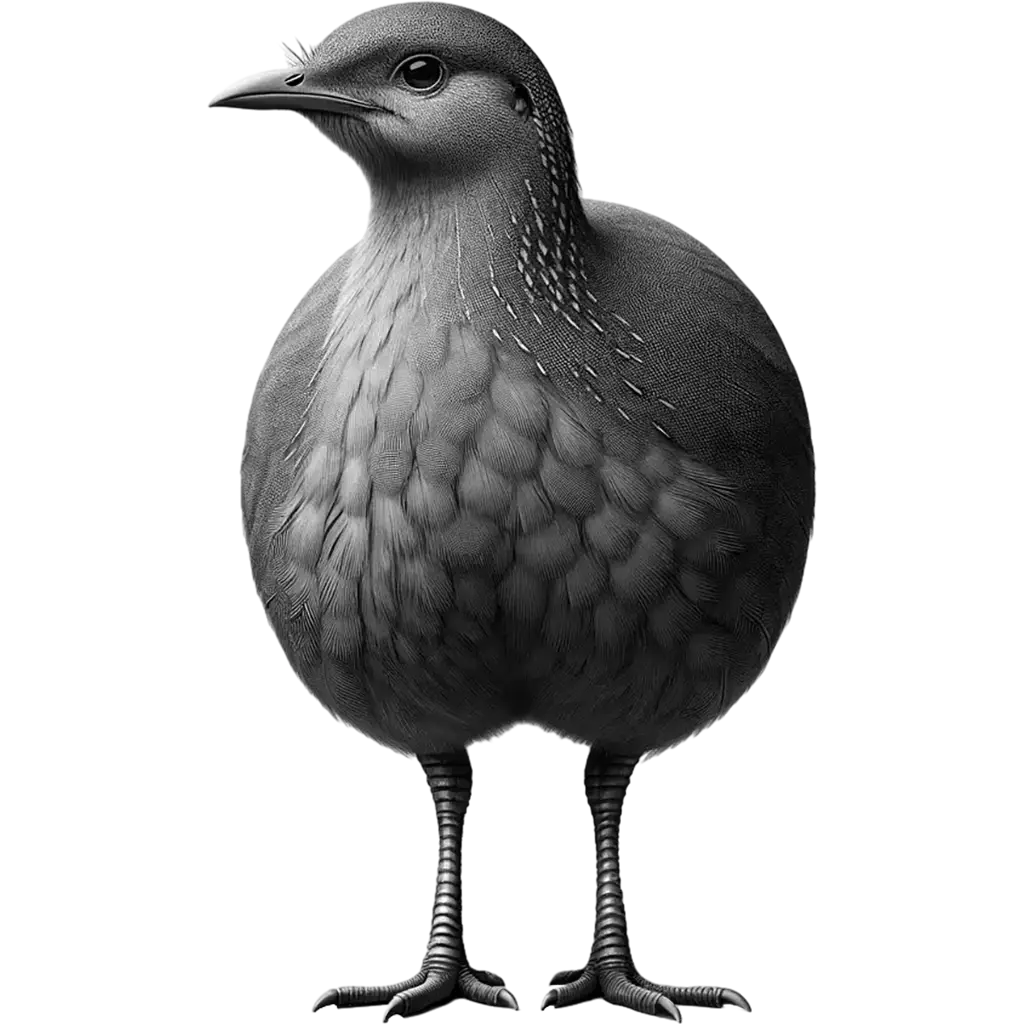
Tinamus Major
Great Tinamou
Tropical rainforests, cloud forests, and secondary growth
The Great Tinamou, tinamus major, is a large, ground-dwelling bird native to the rainforests of Central and South America. This elusive species is characterized by its soft, cryptically colored plumage, typically shades of brown and gray, which aids in camouflage within the forest floor's leaf litter. Adults can reach up to 44 cm in length and weigh between 0.7 to 1.5 kg. The Great Tinamou has a rounded body, short tail, and a small head with a relatively long neck, giving it a distinctive profile among forest birds. Despite having strong legs, it is a poor flier and prefers to walk or run when disturbed.
| Population: | Listed as Least Concern, but faces threats from habitat destruction and hunting |
| Generation Length: | 4-5 years |
| Average Weight: | 700-900 grams |
| Average Length: | 40-45 cm |
| Lifespan: | 20-25 years in the wild |
| Diet: | Omnivorous, with a diet consisting largely of plant material and supplemented with animal prey |
| Conservation Status: | Least Concern (LC) |
Inhabiting humid lowland forests and rainforests, the Great Tinamou is often found in areas with dense undergrowth, where it feeds on the forest floor. It is a solitary or sometimes pairs, especially during the breeding season. The bird's call, a haunting and melodious whistle, is often heard at dawn and dusk, contributing to the mysterious ambiance of its rainforest home.
The diet of the Great Tinamou mainly consists of fruits fallen to the forest floor, along with seeds, leaves, small invertebrates, and occasionally small vertebrates. This varied diet makes it an important seed disperser, contributing to the regeneration and health of its rainforest habitat.
Reproduction involves the male Great Tinamou taking responsibility for incubating the eggs and raising the young. Females may mate with multiple males during the breeding season, leaving each male to care for the eggs she lays in his nest. The nests are simple depressions on the ground, concealed by vegetation. Eggs are glossy and brightly colored, which is unusual for ground-nesting birds.
The population of the Great Tinamou is currently considered to be stable, though it faces threats from habitat destruction due to deforestation and hunting in some areas. Conservation efforts are focused on protecting vast areas of its rainforest habitat, ensuring the survival of this species and the countless others that share its environment. The Great Tinamou's role in seed dispersal underscores its ecological importance, highlighting the interconnectedness of rainforest ecosystems.
Classifications
The Key Attributes
Features
- Movement:
Walking, limited flying
- Territorial Behavior:
Solitary or in small groups
- Speed:
Not known for speed but capable of quick bursts to escape threats
- Diet:
Omnivore
- Physical Features:
- Stout body with short wings and tail
- Brownish plumage with a slight gloss, providing camouflage
- Strong legs for walking and running through the forest
- Small head with a sharp beak
- Primary Senses:
- Sight
- Hearing
Understanding Habitat and Range
Geography
- Habitat:
Tropical rainforests, cloud forests, and secondary growth
- Migration Patterns:
Sedentary, with established home ranges
- Geographical Range:
Central and South America, from southern Mexico to northern Argentina
- Climate Preferences:
Prefers humid, dense forest environments
Navigating the Wilderness
In the wild
- Predators:
Jaguars, ocelots, large birds of prey, and humans
- Prey:
Insects, small vertebrates, fruits, and seeds
- Feeding Behavior:
Feeds on the ground, consuming fruits, seeds, leaves, small invertebrates, and occasionally small vertebrates
- Diet:
Omnivorous, with a diet consisting largely of plant material and supplemented with animal prey
- Defensive Mechanisms:
- Camouflage within the forest floor
- Flight into dense vegetation to escape predators
- Preferred Food Sources:
- Diverse understorey vegetation rich in fruits and seeds
Insights Into Reproduction
Mating
- Mating System:
Polygynous
- Number of Offspring:
2-4 eggs
- Incubation Period:
About 17-20 days
- Parental Involvement:
- Females incubate the eggs and raise the young alone
Youngsters Section
Great Tinamou
Fun Fact
The Great Tinamou is a ground-dwelling bird found in Central and South American rainforests.
These birds are known for their unique vocalizations, which can travel great distances through dense forest. Despite their chicken-like appearance, they are more closely related to ostriches and emus. They play a vital role in seed dispersal, aiding forest regeneration.

Download word search puzzles
Word Search Puzzles


Check Out Other Birds
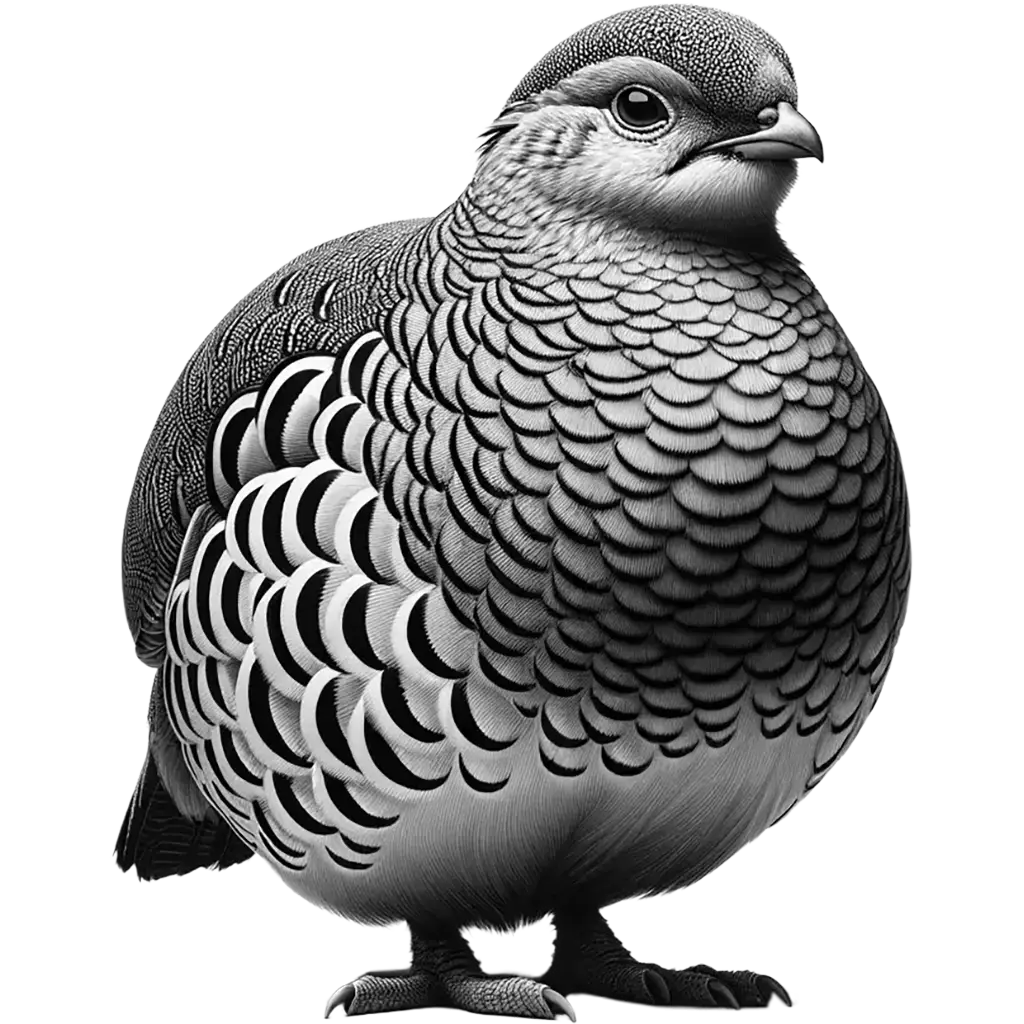
The Barbary Partridge, alectoris barbara, is a game bird native to North Africa, with a distinctive presence in the rugged, mountainous regions of Morocco, Algeria, Tunisia, and Gibraltar. It is recognized by its striking plumage, which features a combination of gray, brown, and chestnut, allowing it to blend seamlessly into

The Martial Eagle, polemaetus bellicosus, stands as Africa's largest eagle, with an impressive wingspan reaching up to 2.6 meters (8.5 feet). Adults are easily recognized by their dark brown plumage with a lighter, speckled underside, and a distinctive white belly with black spots. The head and shoulders may appear lighter
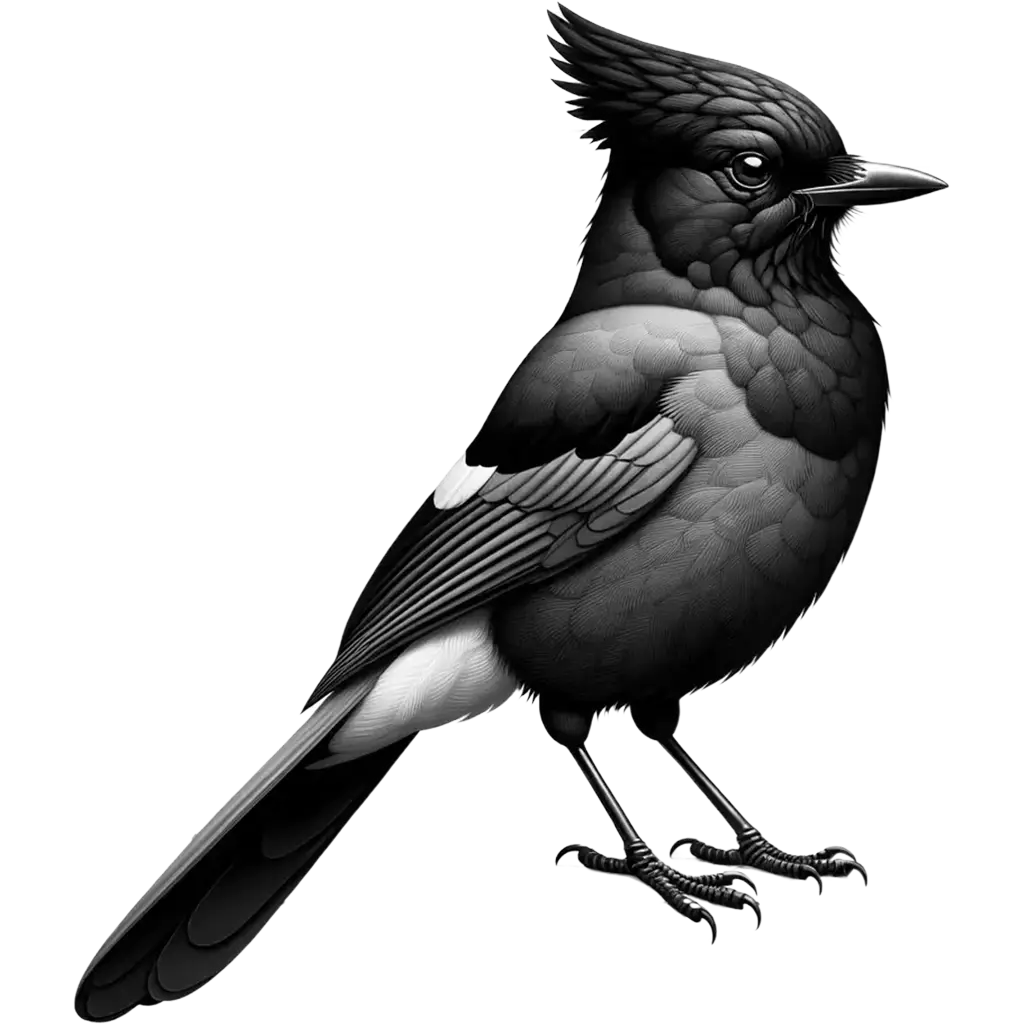
The Steller's Jay, cyanocitta stelleri, is a striking bird known for its vibrant blue plumage and distinctive black crest, which gives it a bold and expressive appearance. Adults typically measure about 30 to 34 cm in length, with a wingspan ranging from 44 to 49 cm. The species exhibits sexual
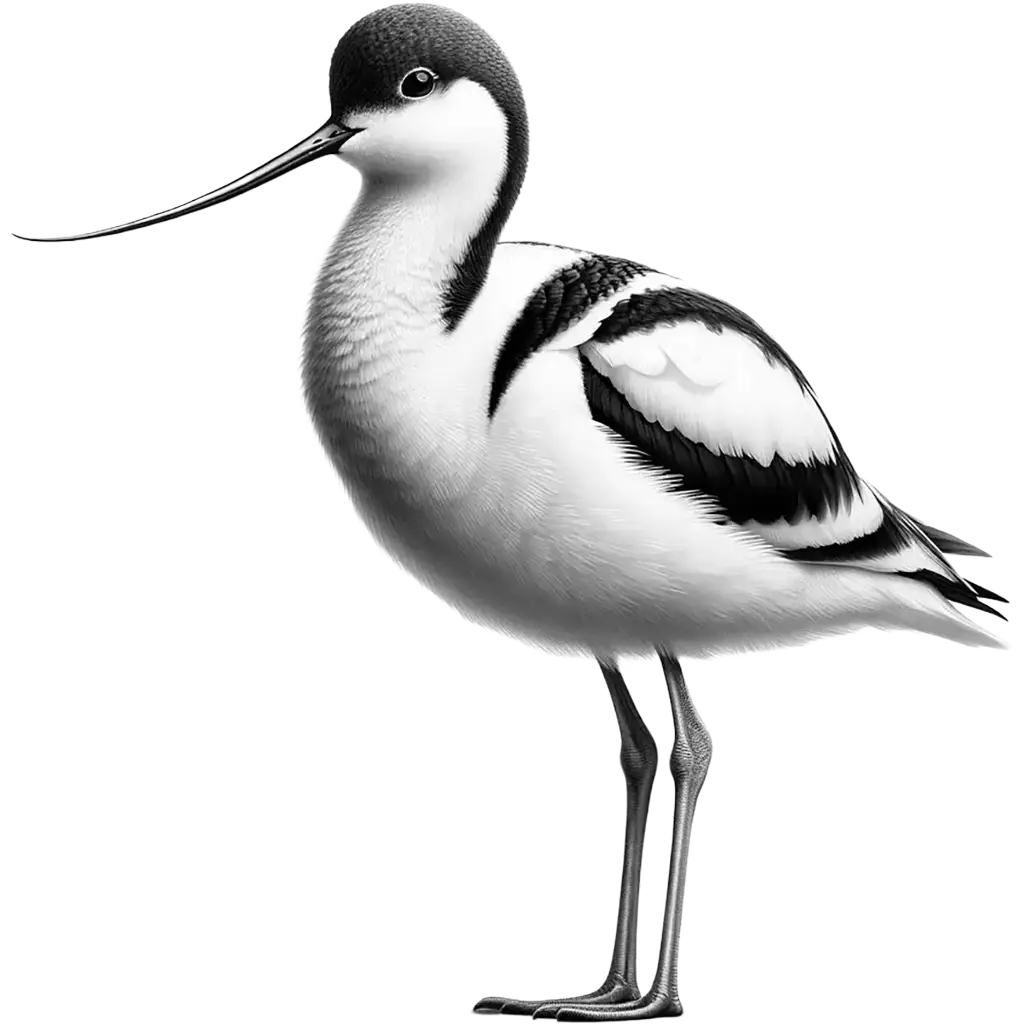
The Pied Avocet, recurvirostra avosetta, is a striking wading bird known for its elegant black and white plumage and distinctive upcurved bill. This bird typically measures about 42 to 45 cm in length, with a wingspan of 77 to 85 cm. Its long, thin legs are a pale blue, complementing