

Agapornis Roseicollis
Rosy-Faced Lovebird
Dry regions, savannas, and woodland areas
The Rosy-Faced Lovebird, agapornis roseicollis, also known as the Peach-faced Lovebird, is a small, vibrant bird native to the arid regions of southwestern Africa. This species is easily recognizable by its striking coloration: adults have a bright rosy-pink face and throat, with green upper parts, blue rump, and tail, and a peachy-pink breast blending into a lighter belly. They measure about 15 to 18 cm in length, making them one of the smaller members of the parrot family. The Rosy-Faced Lovebird's robust build, short rounded tail, and sharp beak are well-suited to their diet of seeds, fruits, and berries.
| Population: | Listed as Least Concern, with stable populations in the wild and popularity in aviculture |
| Generation Length: | 3-4 years |
| Average Weight: | 40-60 grams |
| Average Length: | 15-18 cm |
| Lifespan: | 10-15 years in captivity, unknown in the wild |
| Diet: | Mainly granivorous, with occasional insect consumption |
| Conservation Status: | Least Concern (LC) |
Rosy-Faced Lovebirds inhabit desert and savannah environments, where they can be found in small flocks that often visit waterholes together. These birds are known for their strong pair bonds, frequently seen sitting closely together and engaging in mutual preening. Their social nature extends to their nesting habits, where they often use the abandoned nests of other birds, crevices in cliffs, or artificial structures to lay their eggs.
In the wild, their diet consists predominantly of seeds and fruit, but in captivity, they can thrive on a varied diet that includes pellets, vegetables, and occasional treats of fruit and seeds. Their adaptability to different food sources has contributed to their popularity as pets.
Breeding in the Rosy-Faced Lovebird involves a strong pair bond between the male and female, who share duties in nest building, egg incubation, and chick rearing. Females lay between 4 to 6 eggs per clutch, with the chicks hatching after about 23 days of incubation. The young are then fed by both parents and fledge the nest after about a month.
The Rosy-Faced Lovebird has a stable wild population and is not considered at risk. However, its popularity in the pet trade has led to feral populations establishing in areas outside its native range, including urban areas in several countries. While these introduced populations can sometimes impact local ecosystems, conservation efforts primarily focus on protecting their natural habitats in Africa and ensuring sustainable practices in the pet trade. The Rosy-Faced Lovebird remains a beloved species among bird enthusiasts for its vibrant colors, affectionate nature, and social behavior.
Classifications
The Key Attributes
Features
- Movement:
Flying, climbing
- Territorial Behavior:
Social, forming strong pair bonds
- Speed:
Fast and agile in flight
- Diet:
Herbivore
- Physical Features:
- Small size with a stocky build
- Bright pink face and chest with a predominantly green body
- Short rounded tail
- Strong beak for cracking seeds
- Primary Senses:
- Sight
- Hearing
- Taste
Understanding Habitat and Range
Geography
- Habitat:
Dry regions, savannas, and woodland areas
- Migration Patterns:
Non-migratory, but may move locally in search of food and water
- Geographical Range:
Native to southwestern Africa, including Namibia and Angola
- Climate Preferences:
Prefers arid and semi-arid climates
Navigating the Wilderness
In the wild
- Predators:
Birds of prey, cats, and snakes
- Prey:
Seeds, grains, fruits, and insects
- Feeding Behavior:
Feeds primarily on seeds, fruits, and occasionally insects
- Diet:
Mainly granivorous, with occasional insect consumption
- Defensive Mechanisms:
- Flocking in groups to deter predators
- Hiding in tree holes or dense foliage
- Preferred Food Sources:
- Areas with abundant seed-producing plants and water sources
Insights Into Reproduction
Mating
- Mating System:
Monogamous
- Number of Offspring:
3-6 eggs
- Incubation Period:
About 23 days
- Parental Involvement:
- Both parents care for the young, feeding and protecting them until they fledge
Youngsters Section
Rosy-Faced Lovebird
Fun Fact
Rosy-Faced Lovebirds are known for their vibrant colors and affectionate nature, often forming strong bonds.
These small parrots originate from arid regions in southwestern Africa. They are social birds, usually seen in flocks. Their playful behavior and ability to mimic sounds make them popular pets. In the wild, they nest in crevices, using materials like bark to build their nests.

Download word search puzzles
Word Search Puzzles
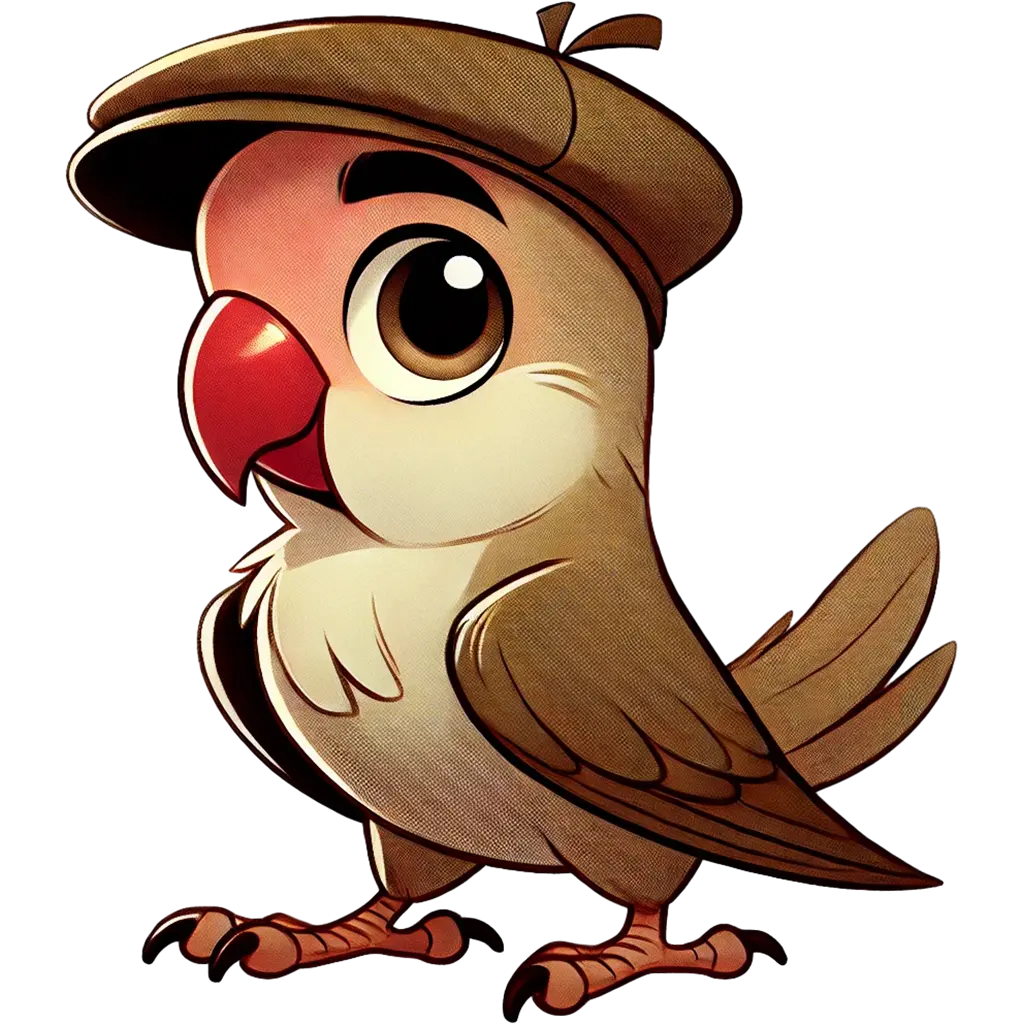

Check Out Other Birds
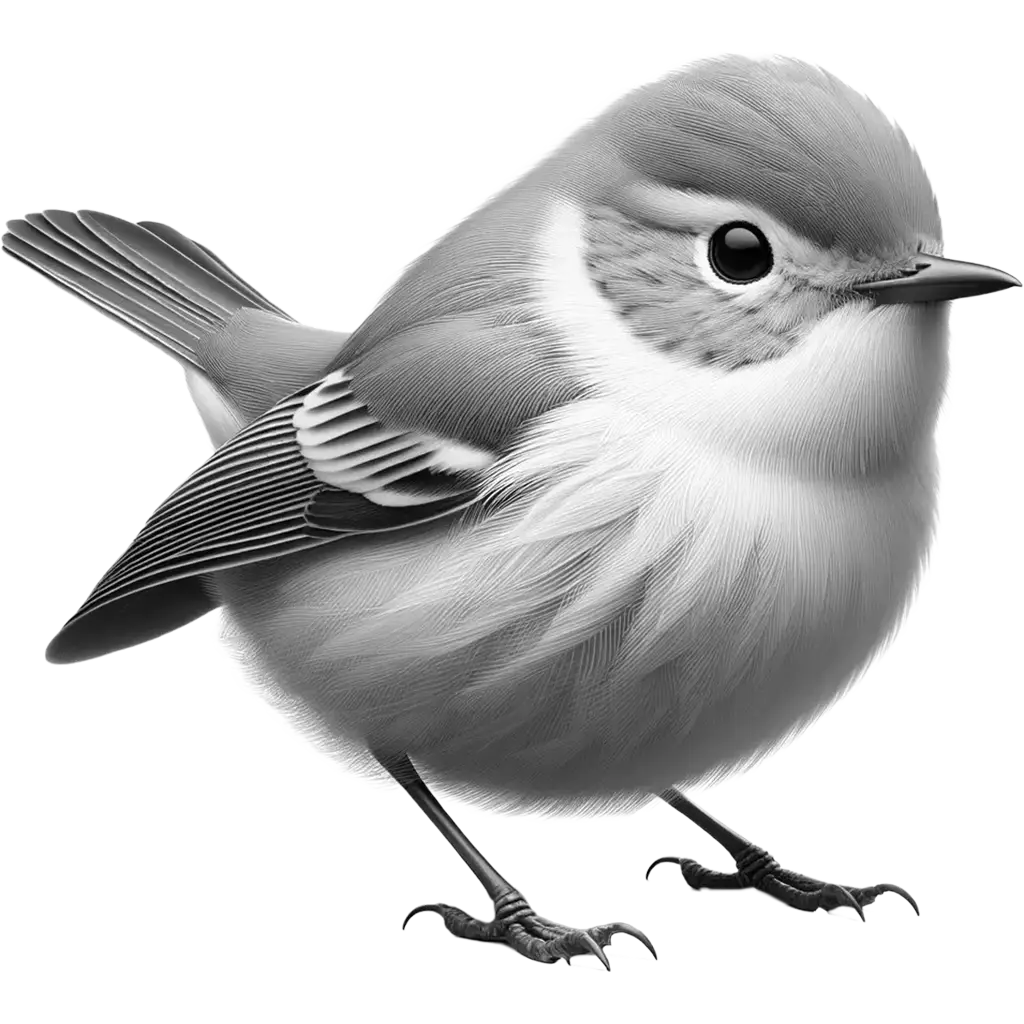
The Pink-Headed Warbler, cardellina versicolor, is a strikingly beautiful bird, notable for its vibrant pink head and chest that contrast sharply with its dark red body. This small bird, measuring approximately 13 to 14 cm in length, possesses a unique coloration among warblers, making it a sought-after species for birdwatchers.
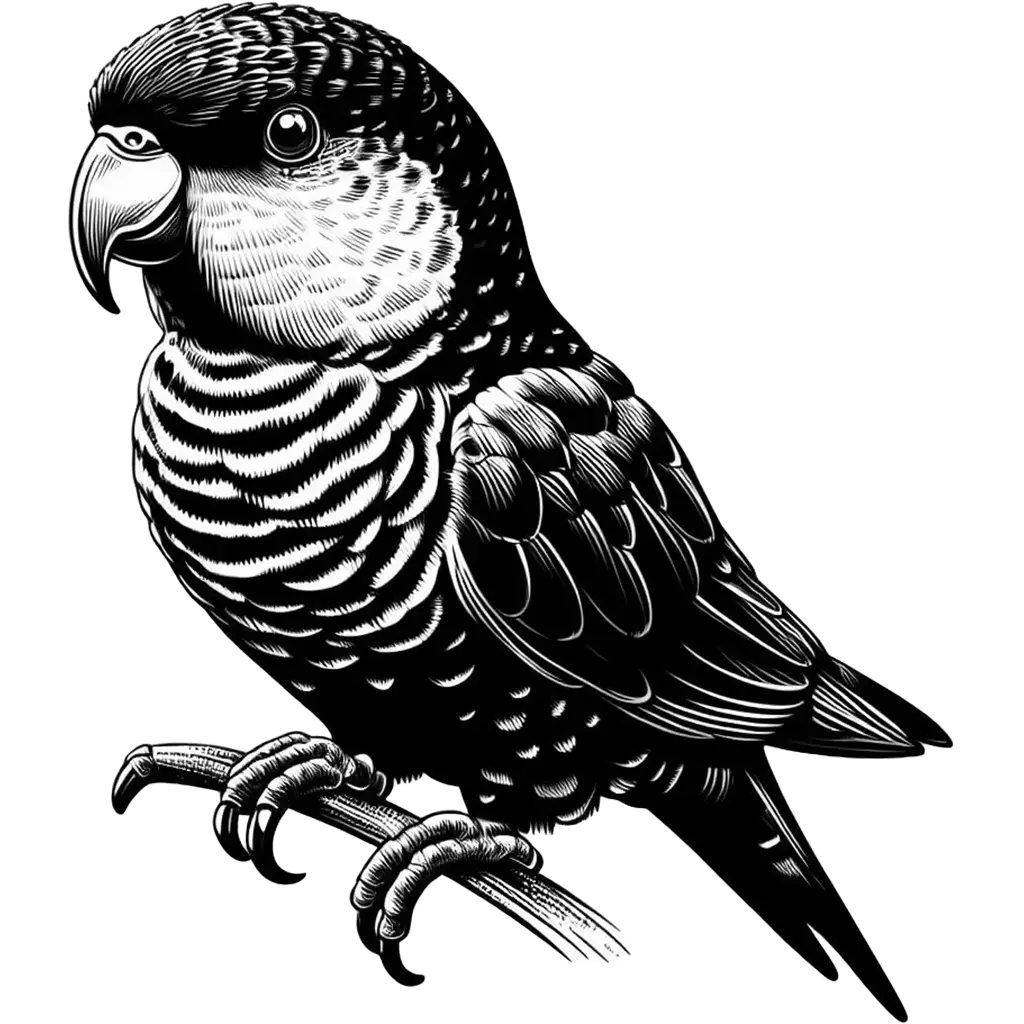
The Coconut Lorikeet, trichoglossus haematodus, is a vibrant, medium-sized parrot native to a wide range of habitats across Southeast Asia, Oceania, and parts of East Indonesia. Characterized by its bright green plumage, blue head, and red and yellow breast, this bird is a striking sight in its natural environment. Adults
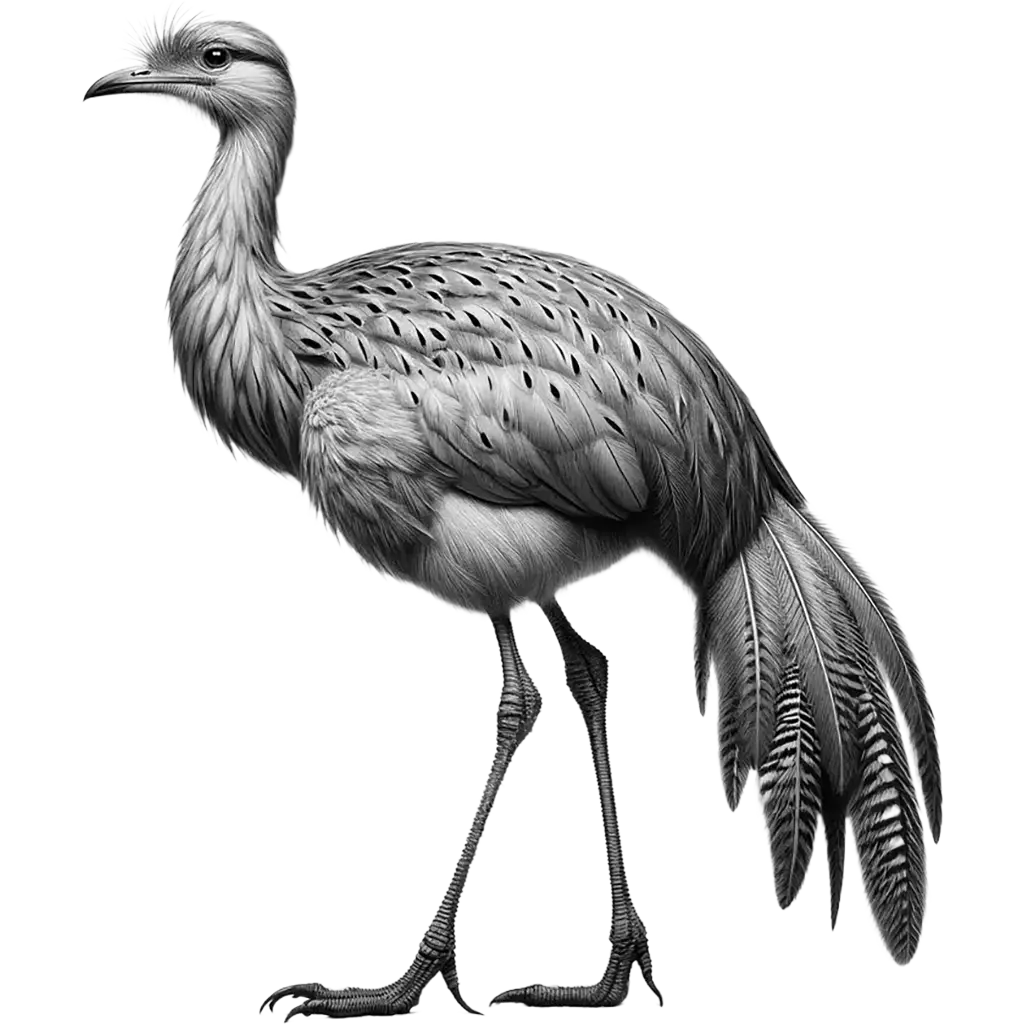
The Black-Legged Seriema, chunga burmeisteri, is a distinctive bird native to South America, particularly found in the dry woodlands and grasslands of northern Argentina, Paraguay, Bolivia, and Brazil. This species is characterized by its slender build, long legs, and predominantly grey plumage, which is complemented by striking black flight feathers
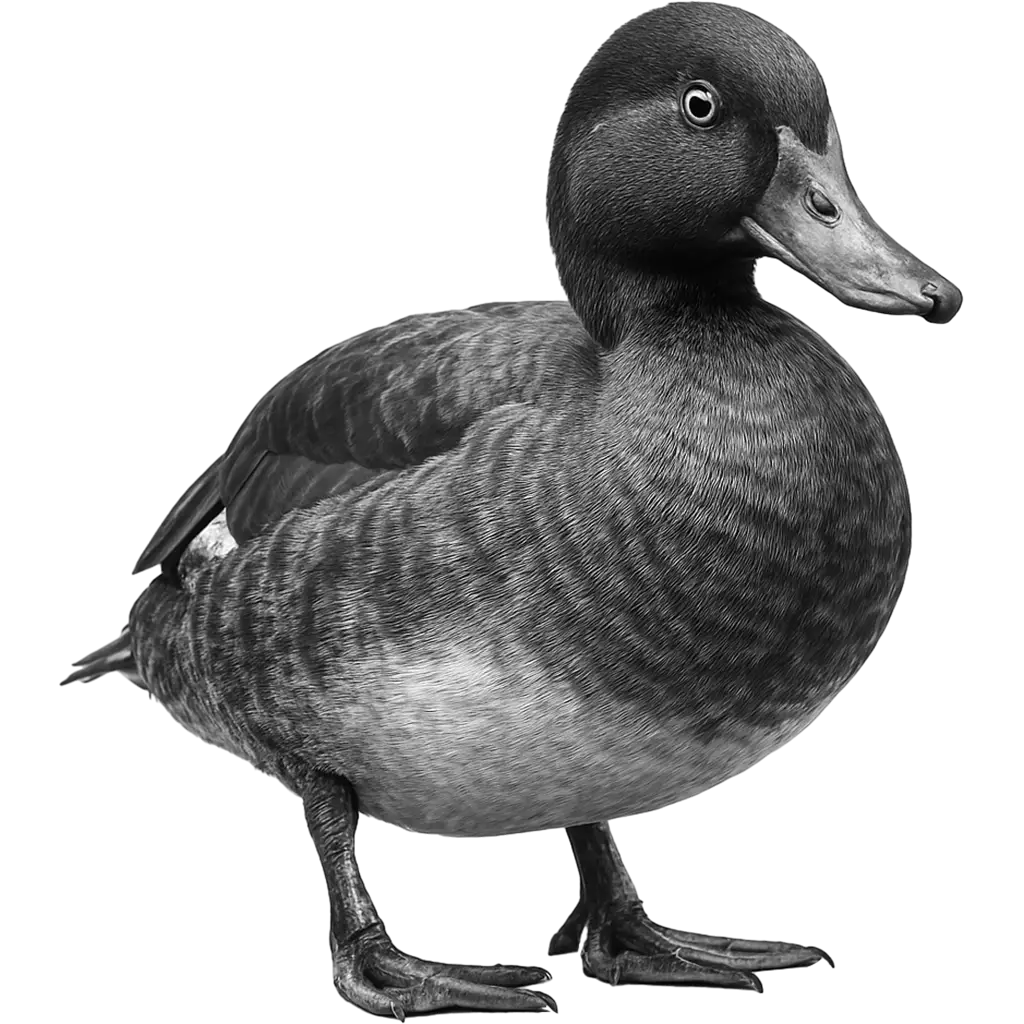
The Hardhead exhibits a sturdy, compact body with a rounded head and broad bill that gives it an unmistakable, robust silhouette. Its dusky plumage, accented by crisp white edges along the wings and body margins, enhances its streamlined appearance. The bird's strong, short wings and muscular build are ideally designed