
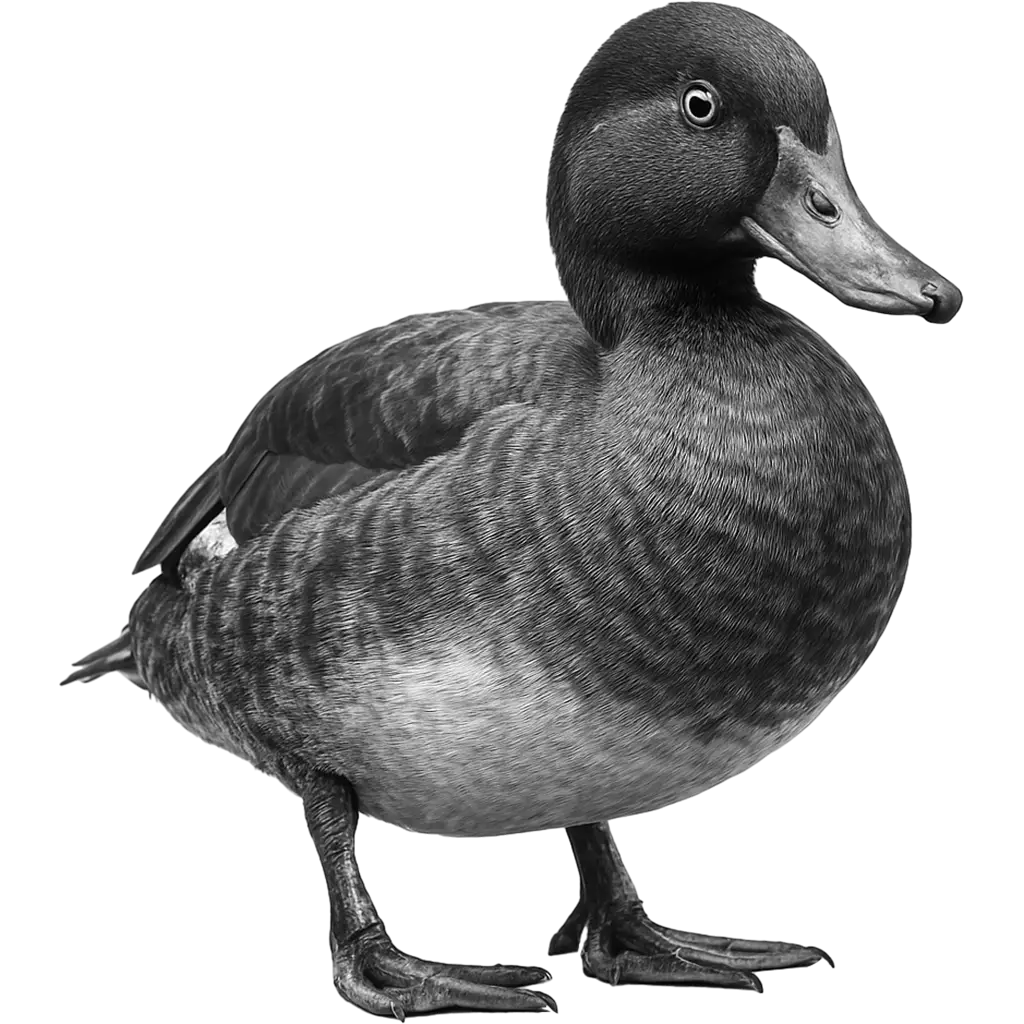
Aythya Australis
Hardhead
Freshwater lakes, rivers, and coastal estuaries
The Hardhead exhibits a sturdy, compact body with a rounded head and broad bill that gives it an unmistakable, robust silhouette. Its dusky plumage, accented by crisp white edges along the wings and body margins, enhances its streamlined appearance. The bird's strong, short wings and muscular build are ideally designed for explosive bursts of flight and efficient underwater diving. Every feature, from its determined gaze to its solid frame, speaks of adaptation to an aquatic lifestyle in variable environments.
| Population: | Common in inland and coastal freshwater habitats, though local populations vary due to habitat modification and human disturbance |
| Generation Length: | 2-3 years |
| Average Weight: | 700-900 g |
| Average Length: | 40-45 cm |
| Lifespan: | 5-7 years in the wild, up to 10 years in captivity |
| Diet: | Omnivorous, balancing animal and plant sources for nutrition |
| Conservation Status: | Least Concern (LC) |
The Hardhead thrives in freshwater lakes, rivers, and estuaries, where it displays a calm yet alert demeanor. It is most active during early mornings and late afternoons when it can be seen gliding over still waters and making short, direct flights in search of food. Outside the breeding season, the species tends to be solitary or found in loose groups that forage together without forming strict territories. Its behavior includes frequent surface diving interspersed with brief periods of resting on open water. This adaptation helps it avoid predators and cope with seasonal changes in water quality and food availability, while it also shows occasional local movements driven by habitat conditions.
The diet of the Hardhead is a balanced mix of aquatic invertebrates, small mollusks, crustaceans, seeds, and fragments of aquatic plants. When foraging, the bird executes precise, well-timed dives to snatch hidden prey from the water column, taking advantage of subtle ripples near the surface. Its omnivorous eating habits provide a rich source of protein along with the necessary carbohydrates and micronutrients. This diverse diet supports its vigorous energy needs for flight and diving, while also contributing to the control of invertebrate populations in its ecosystem.
During the breeding season, Hardheads engage in brief courtship rituals involving synchronized flight displays and soft, rhythmic calls. Pairs form temporary bonds marked by mutual grooming and close, coordinated swimming. These concise, yet intricate mating behaviors help synchronize egg-laying and ensure optimal fertilization, reflecting an efficient reproductive cycle.
Current surveys indicate that Hardhead populations remain stable in suitable freshwater environments, though some local areas face pressures from habitat degradation and pollution. In regions where water quality is maintained and natural vegetation preserved, the species continues to thrive. Monitoring initiatives are in place to track population trends and ensure that conservation measures effectively support their long-term survival.
Classifications
The Key Attributes
Features
- Movement:
Flight and diving
- Territorial Behavior:
Generally non-territorial outside of the breeding season
- Speed:
Quick bursts during flight and rapid maneuvers while diving
- Diet:
Omnivorous, favoring aquatic invertebrates and seeds
- Physical Features:
- Sturdy, compact body
- Rounded head with a broad bill
- Dusky plumage edged with white
- Short, powerful wings
- Strong legs for diving
- Primary Senses:
- Sight
- Hearing
Understanding Habitat and Range
Geography
- Habitat:
Freshwater lakes, rivers, and coastal estuaries
- Migration Patterns:
Mostly sedentary with local movements in search of food
- Geographical Range:
Widely distributed in Australia and surrounding regions
- Climate Preferences:
Prefers temperate to subtropical aquatic environments
Navigating the Wilderness
In the wild
- Predators:
Large birds of prey and terrestrial mammals
- Prey:
Aquatic invertebrates, seeds, and small plant material
- Feeding Behavior:
Dives to forage underwater for invertebrates and aquatic plants
- Diet:
Omnivorous, balancing animal and plant sources for nutrition
- Defensive Mechanisms:
- Quick escape flights
- Diving maneuvers
- Camouflage when resting on water
- Preferred Food Sources:
- Mollusks
- Crustaceans
- Aquatic vegetation
Insights Into Reproduction
Mating
- Mating System:
Monogamous during breeding season
- Number of Offspring:
6-10 eggs per clutch
- Incubation Period:
26-28 days
- Parental Involvement:
- Both parents share incubation and rearing duties
Youngsters Section
Hardhead
Fun Fact
The Hardhead is noted for its robust build and agile underwater dives.
This duck plays a key role in its ecosystem by controlling invertebrate populations while serving as prey for larger predators. Its efficient foraging and rapid, synchronized flight patterns make it a remarkable example of adaptation in freshwater habitats.

Download word search puzzles
Word Search Puzzles
Check Out Other Birds
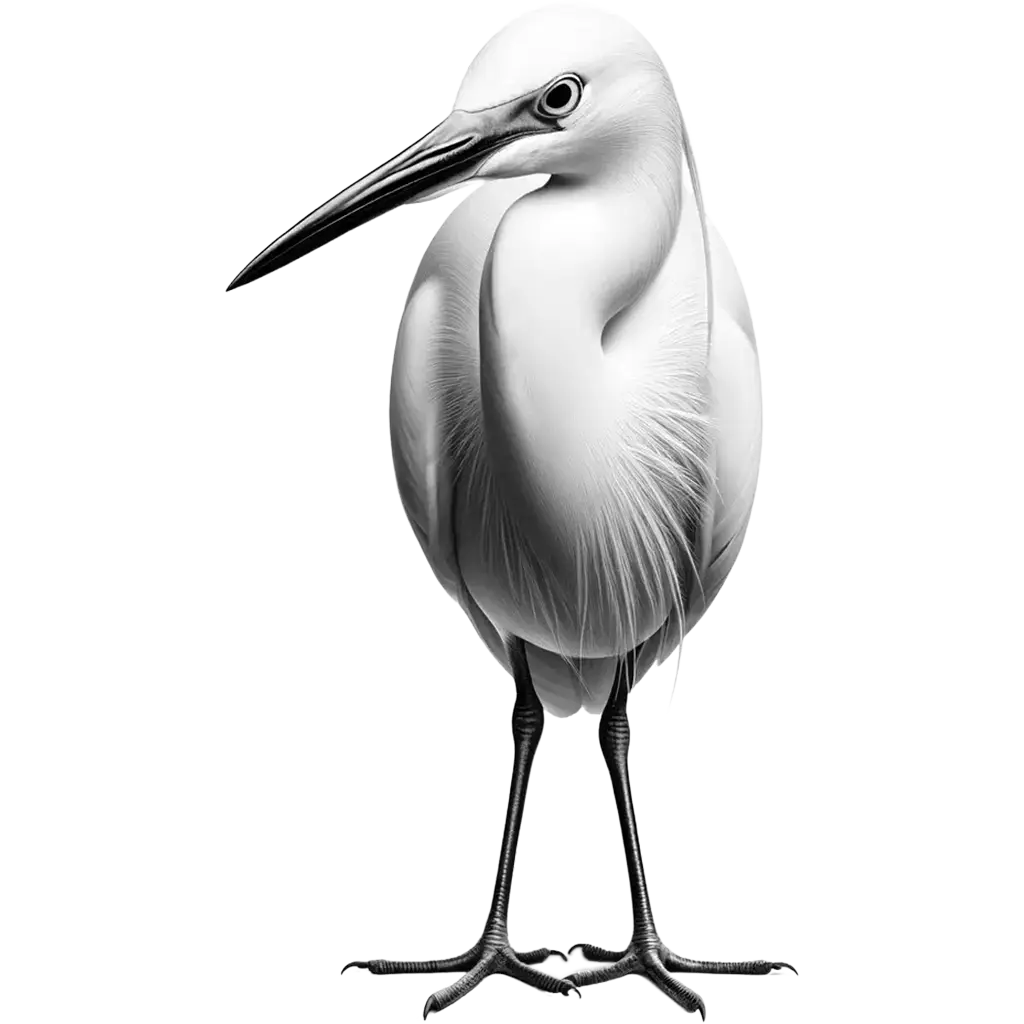
The Little Egret, egretta garzetta, is a small, graceful heron renowned for its brilliant white plumage, slender black bill, and long black legs, with distinctive yellow feet. Measuring approximately 55 to 65 cm in length with a wingspan of 88 to 106 cm, this bird possesses an elegant neck and
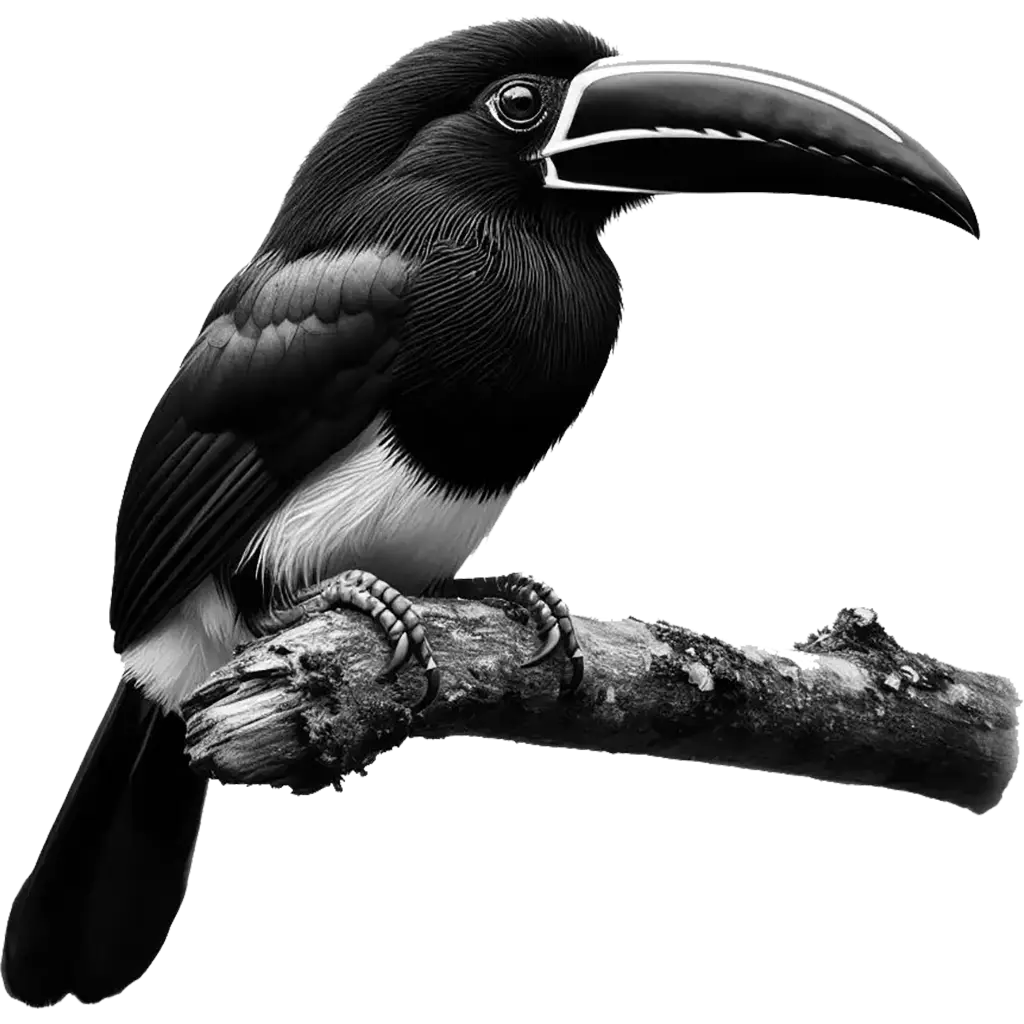
The Emerald Toucanet, aulacorhynchus prasinus, is a small, vibrantly colored member of the toucan family, found in a wide range of forested habitats from Mexico through Central America to northern South America. Adults typically measure between 30 to 35 centimeters in length, including their distinctive, proportionately large bill which is
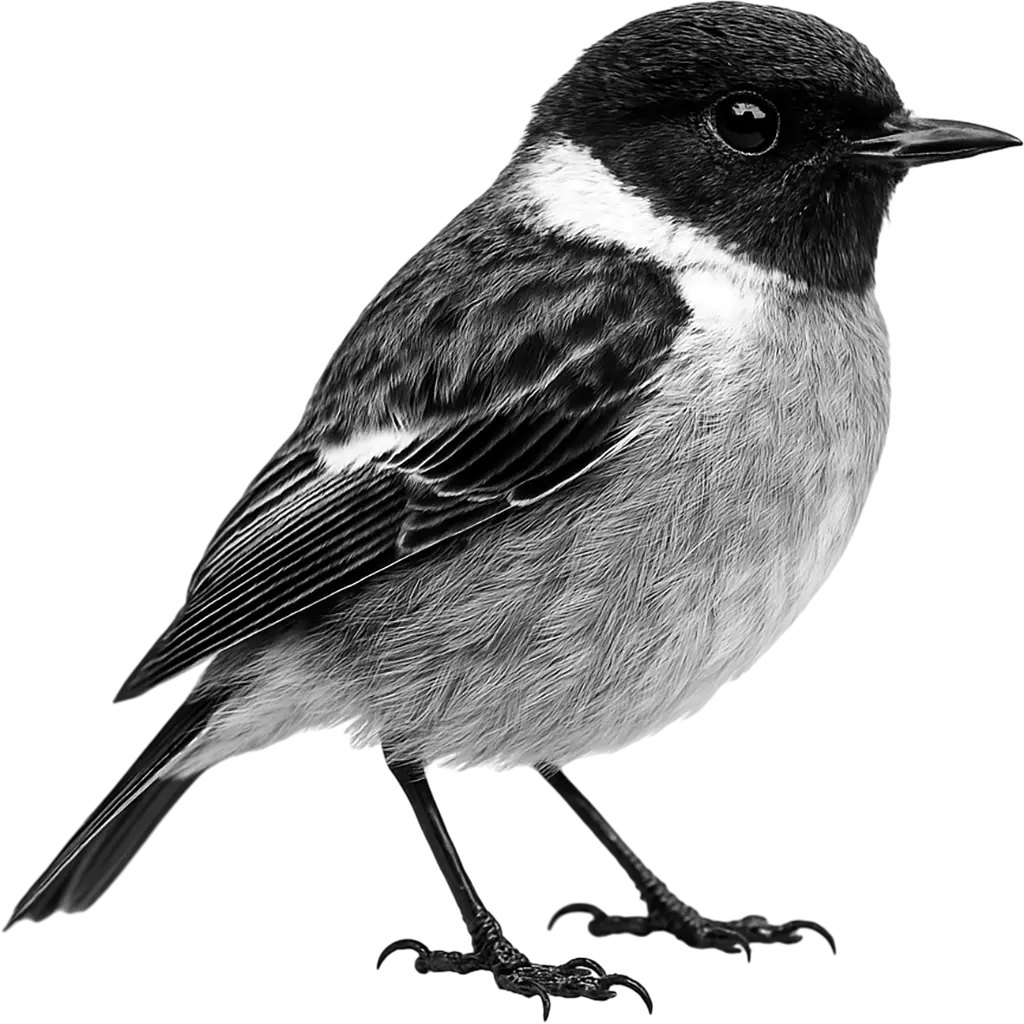
African Stonechats possess a small, compact frame adorned with muted plumage in shades of brown and gray, accentuated by subtle streaks along the wings and back. Their short tail and sharp, alert eyes, combined with a contrasting dark facial mask, give them a lively, distinctive appearance that blends naturally with
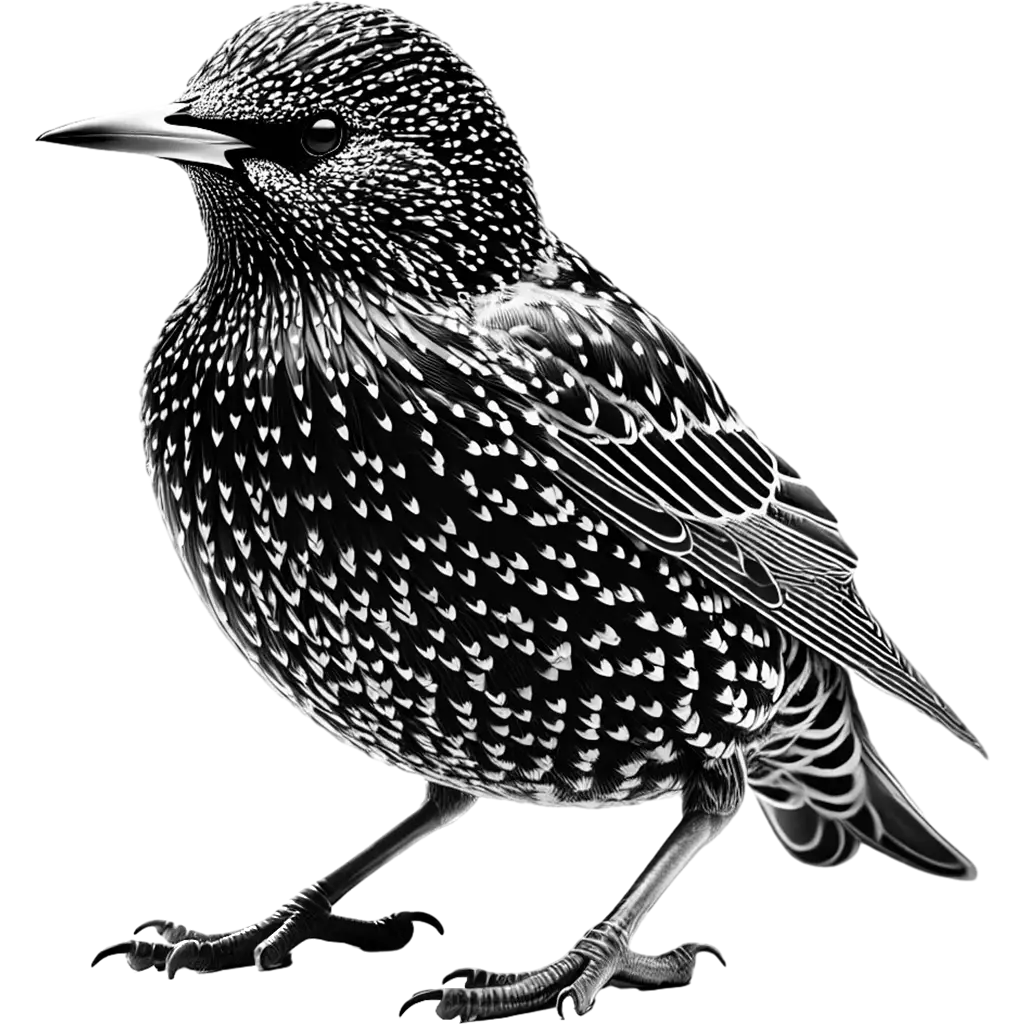
The Common Starling is a medium-sized passerine bird characterized by its striking, iridescent plumage that shimmers with hues of purple, green, and blue under sunlight. It sports a speckled, mottled appearance with dark brown and black feathers that create a dynamic pattern, while its sharp, pointed beak and strong legs