
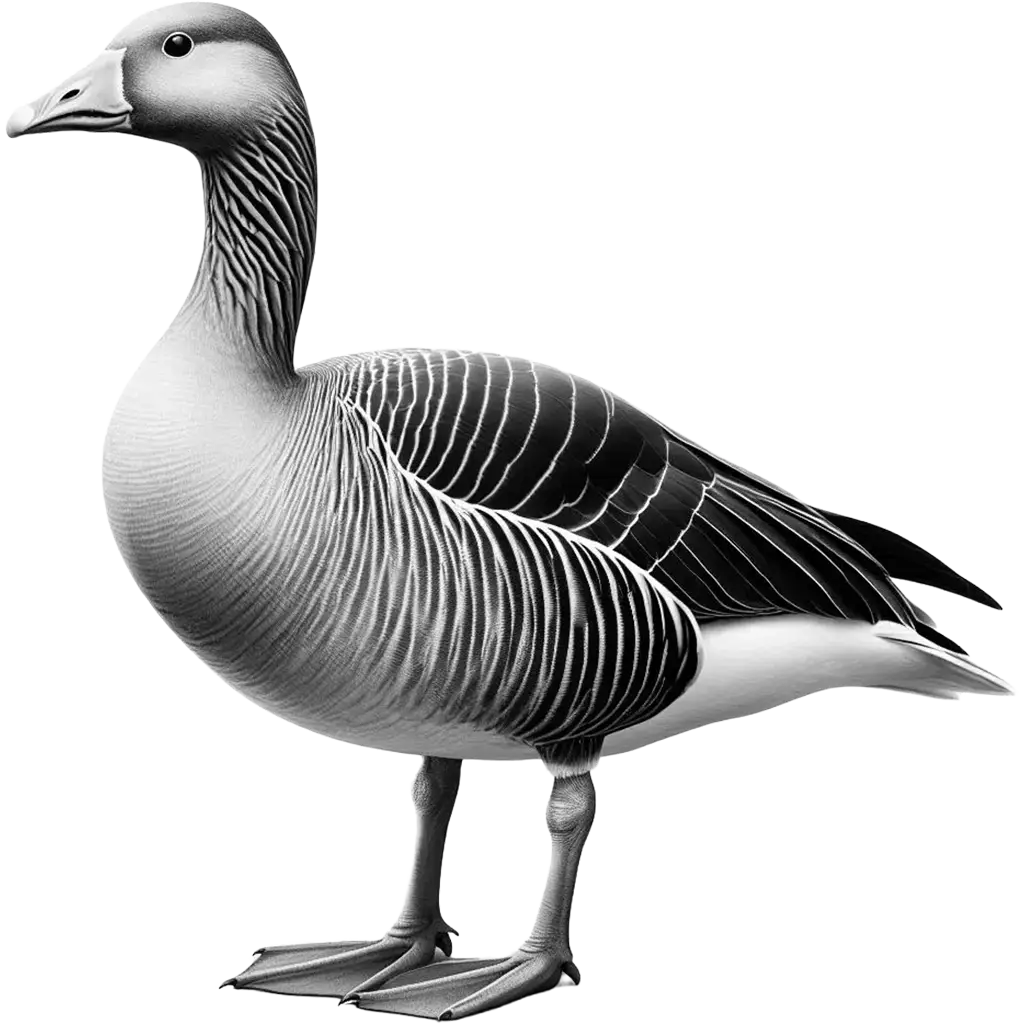
Anser Anser
Greylag Goose
Wetlands, marshes, and agricultural fields, often near bodies of water
The Greylag Goose, anser anser, is a large species of waterfowl belonging to the family Anatidae, widely recognized as the ancestor of most domesticated goose breeds. Adults typically measure between 74 to 91 centimeters (29 to 36 inches) in length, with a wingspan ranging from 147 to 180 centimeters (58 to 71 inches). They exhibit a bulky body, a relatively long neck, and a large head, with plumage that varies from grey to brown, featuring lighter underparts. The beak is pinkish, and the legs are pink to flesh-colored, distinguishing them from other goose species.
| Population: | Widespread and abundant, not currently considered threatened |
| Generation Length: | 5 years |
| Average Weight: | 2.5-4 kg |
| Average Length: | 74-91 cm |
| Lifespan: | 10-15 years in the wild, can live longer in protected environments |
| Diet: | Herbivorous, feeding on a wide range of vegetation |
| Conservation Status: | Least Concern (LC) |
Greylag Geese are found across a broad range, inhabiting wetlands, marshes, and lakes in Europe and Asia, with western populations migrating southwards to warmer regions during the winter. They are highly adaptable birds, capable of residing in both natural and human-altered landscapes, as long as there is access to water bodies and grassy areas for feeding.
The diet of the Greylag Goose primarily consists of grasses, roots, seeds, and aquatic plants, with the species often foraging in agricultural fields, where they can become a nuisance to farmers. However, their feeding habits also play a role in seed dispersal and habitat management, contributing to the ecological dynamics of their habitats.
Reproduction in Greylag Geese is characterized by strong pair bonds, with mating pairs returning to the same nesting sites each year. Nests are constructed on the ground, hidden among reeds or on islands, where females lay 4 to 6 eggs. Both parents share in incubation duties, which last about 27 to 28 days. The goslings are precocial, able to walk, swim, and feed themselves shortly after hatching, though they remain with their parents for protection and guidance.
The Greylag Goose is classified as Least Concern by the IUCN, reflecting its wide distribution and substantial global population. Nonetheless, they face threats from habitat loss, hunting, and environmental pollution. Conservation efforts for the Greylag Goose include habitat protection and management, research on migration patterns, and regulations on hunting to ensure sustainable populations. The species' adaptability and the cultural significance of geese in human history underscore the importance of conserving these iconic birds and their habitats.
Classifications
The Key Attributes
Features
- Movement:
Flight, swimming, walking
- Territorial Behavior:
Social, forming large flocks outside of the breeding season
- Speed:
Capable of flying at speeds up to 60 km/h
- Diet:
Herbivore
- Physical Features:
- Large bird with a thick neck and a large head
- Grey plumage with lighter underparts
- Pink legs and bill
- Characteristic 'lag' or 'honk' call
- Primary Senses:
- Sight
- Hearing
Understanding Habitat and Range
Geography
- Habitat:
Wetlands, marshes, and agricultural fields, often near bodies of water
- Migration Patterns:
Migratory, with northern populations wintering in southern Europe, North Africa, and South Asia
- Geographical Range:
Europe, Asia, and North Africa; introduced to other regions such as Australia and New Zealand
- Climate Preferences:
Temperate climates, with migrations to avoid harsh winter conditions
Navigating the Wilderness
In the wild
- Predators:
Foxes, eagles, large hawks, and humans
- Prey:
Primarily grasses and other vegetation
- Feeding Behavior:
Grazes on grass, herbs, and aquatic plants; also feeds on crops in agricultural areas
- Diet:
Herbivorous, feeding on a wide range of vegetation
- Defensive Mechanisms:
- Flying away from danger
- Forming large flocks to deter predators
- Using strong wings to defend against attackers
- Preferred Food Sources:
- Grasses
- Aquatic plants
- Crops in agricultural areas
Insights Into Reproduction
Mating
- Mating System:
Monogamous, often forming long-term pair bonds
- Number of Offspring:
4-6 eggs
- Incubation Period:
About 27-28 days
- Parental Involvement:
- Both parents participate in incubating the eggs and caring for the goslings
Youngsters Section
Greylag Goose
Fun Fact
Greylag Geese are known for their distinctive "honking" calls and are one of the ancestors of domestic geese.
These birds are highly social and often form large flocks, especially during migration. They are excellent navigators and can travel long distances. Greylag Geese are also strong swimmers and can be found in wetlands, lakes, and marshes across Europe and Asia.

Download word search puzzles
Word Search Puzzles
Check Out Other Birds
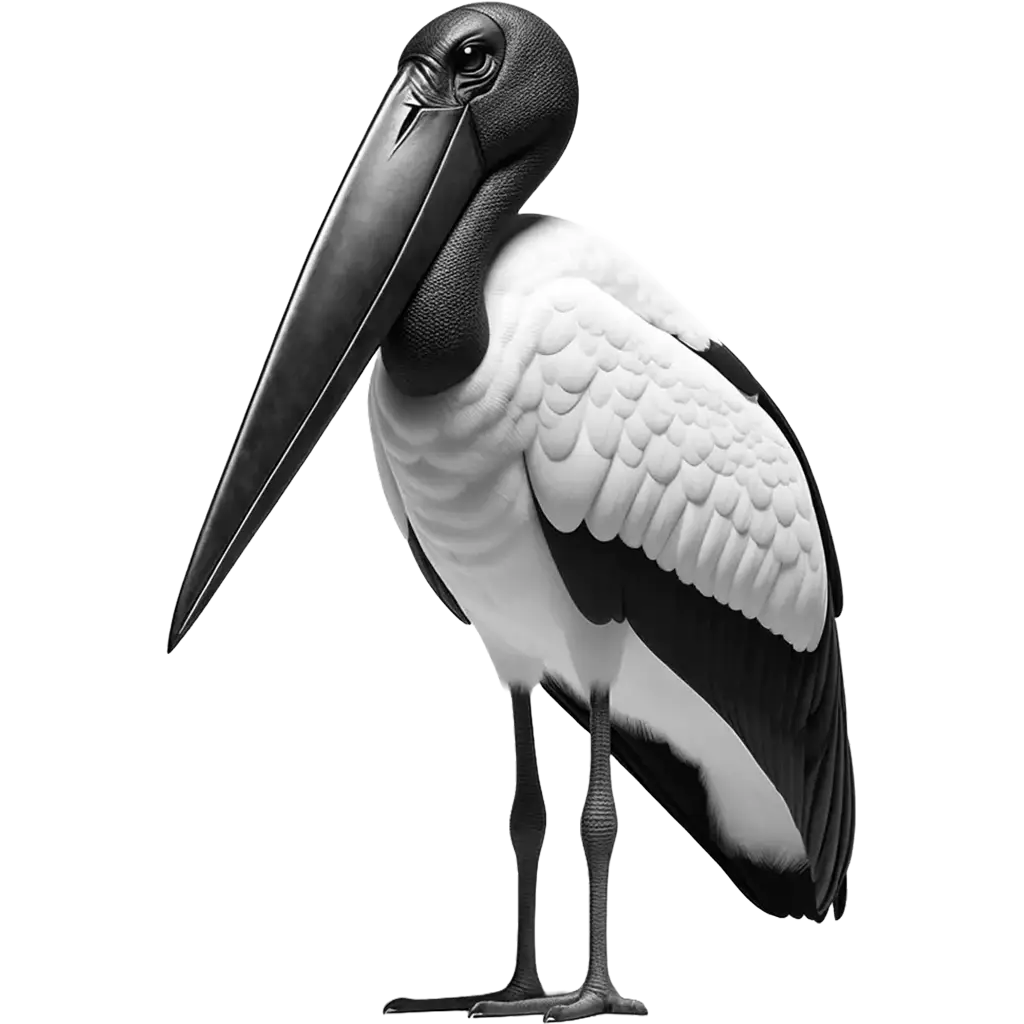
The Jabiru, Jabiru mycteria, is a majestic bird native to the Americas, particularly found from Mexico through Central America to Argentina in South America. It is the tallest flying bird found in its range, with adults standing up to 1.4 meters (4.5 feet) tall and boasting a wingspan that can
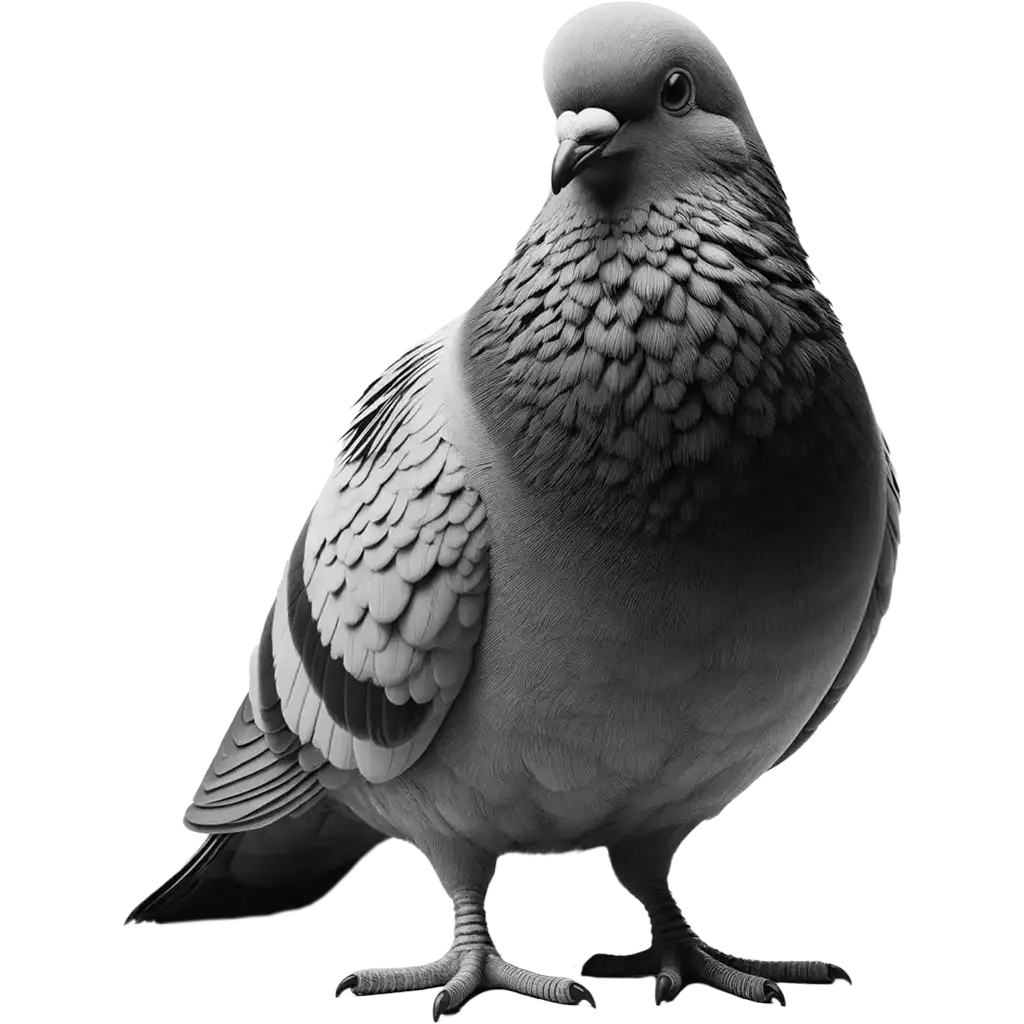
The Rock Dove, columba livia, commonly known as the pigeon, is a widespread bird recognized by its stout body, short legs, and smooth plumage. Adult Rock Doves typically measure 29 to 37 cm in length and have a wingspan of 62 to 72 cm. Their coloration varies widely due to
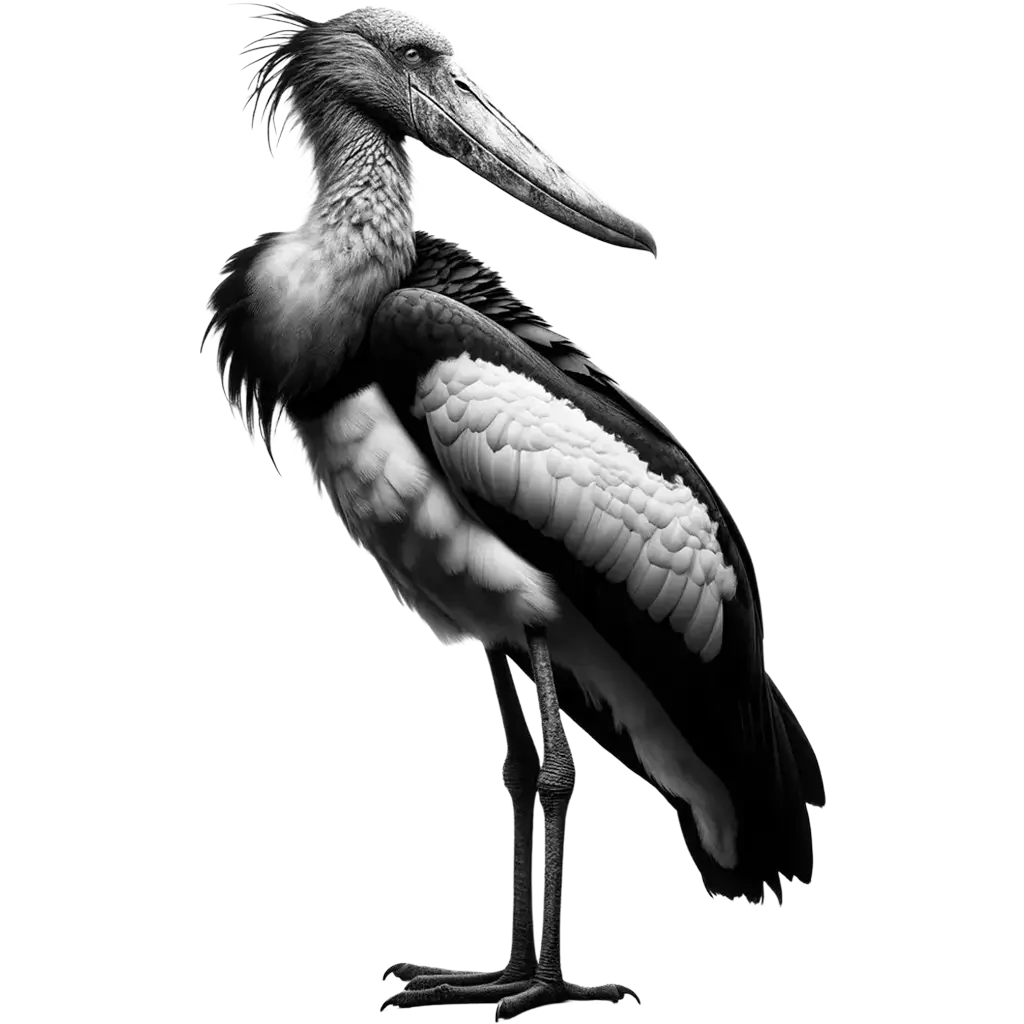
The Greater Adjutant, leptoptilos dubius, is a large stork standing at an impressive height of up to 1.5 meters with a wingspan reaching 2.5 meters. Its appearance is distinctive with a bald head and neck, a heavy bill, and a predominantly dark grey plumage, except for the white underparts. The
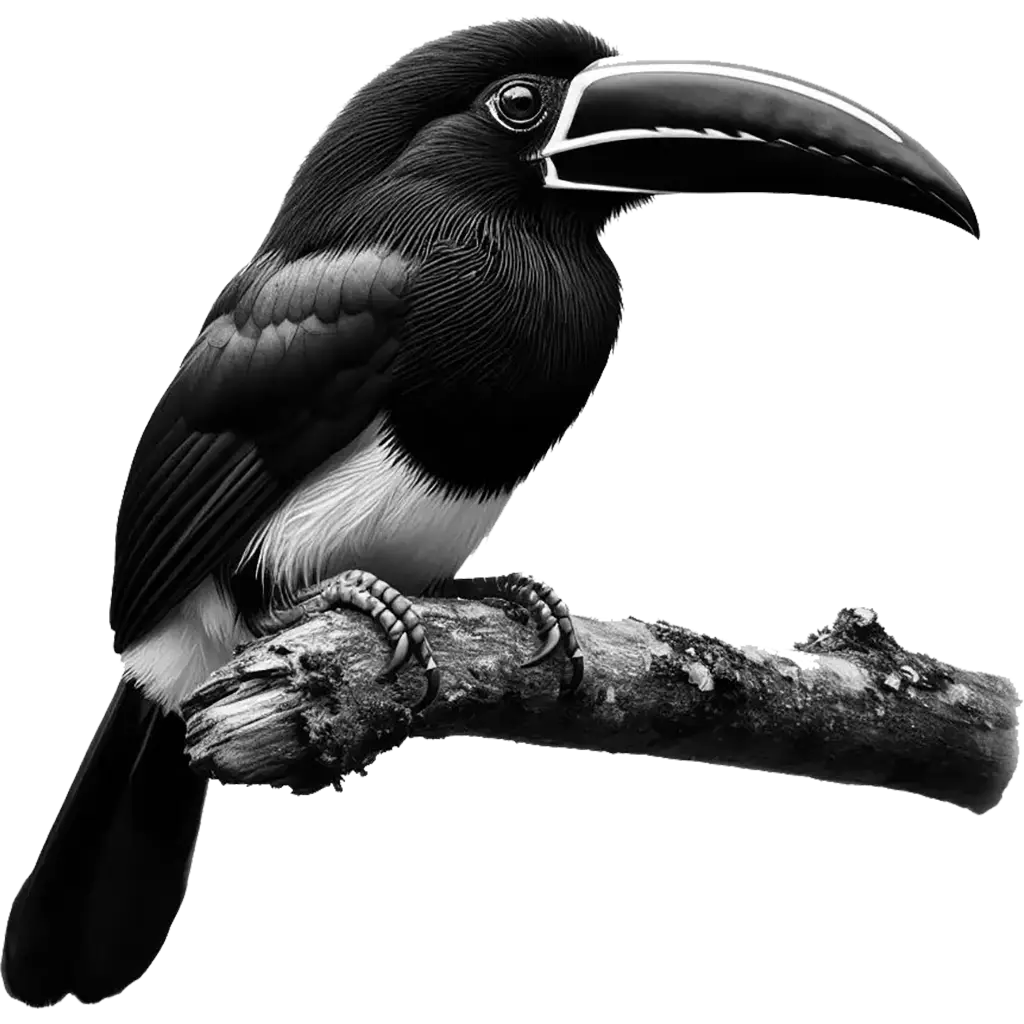
The Emerald Toucanet, aulacorhynchus prasinus, is a small, vibrantly colored member of the toucan family, found in a wide range of forested habitats from Mexico through Central America to northern South America. Adults typically measure between 30 to 35 centimeters in length, including their distinctive, proportionately large bill which is