
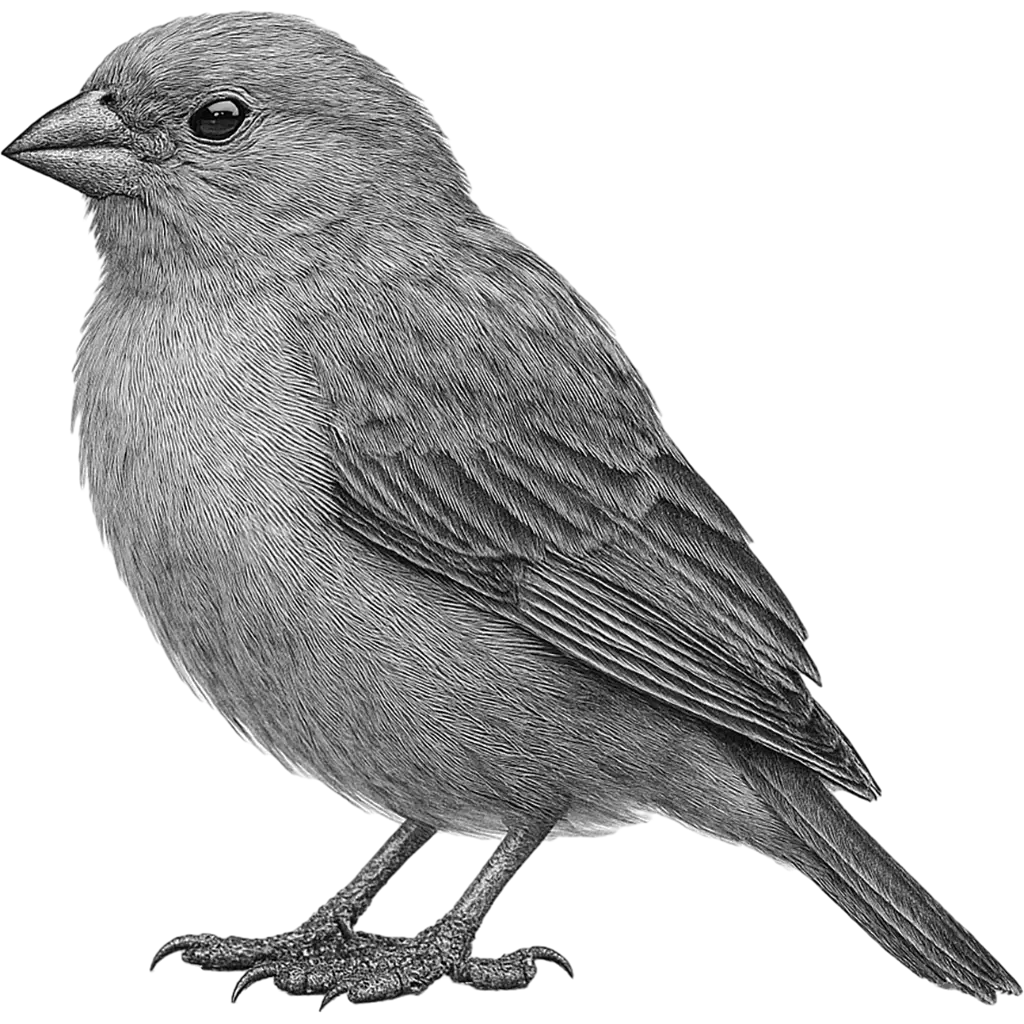
Sicalis Flaveola
Saffron Finch
Open and semi-open areas, savannas, scrublands, plantations, urban parks
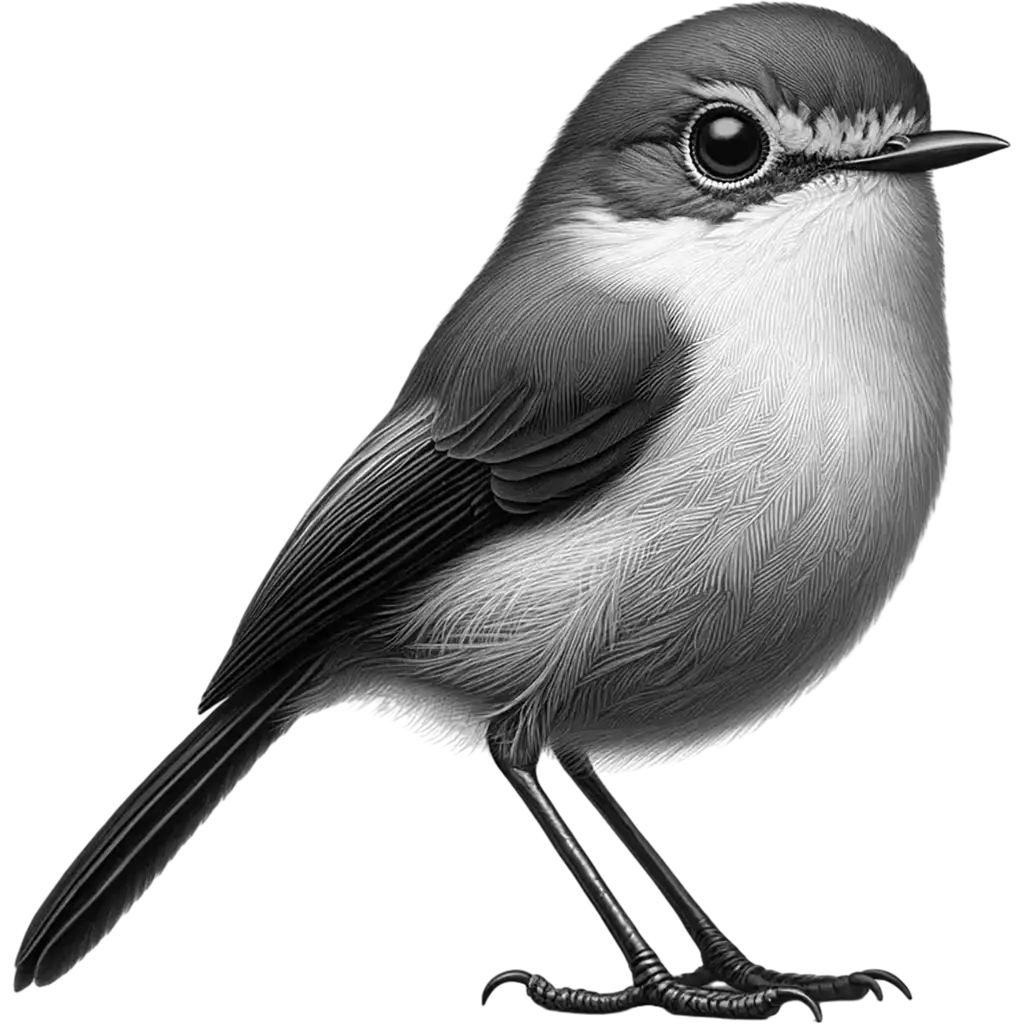
The Saffron Finch sports vibrant yellow plumage across its body, highlighted by subtle olive tones on the wings and tail. Adult males display a sleek, uniformly yellow coloration with a bright orange forehead, while females and juveniles exhibit duller yellow with occasional brownish streaks. Both sexes possess a short, stout conical bill adapted for seed consumption, accompanied by dark, intelligent eyes and slender legs. Their compact, streamlined bodies and moderately long tails grant agile flight and quick perching abilities among shrubs and low trees.
| Population: | Large, widespread populations in South America; overall stable with local fluctuations |
| Generation Length: | 3 years |
| Average Weight: | 15-25 grams |
| Average Length: | 13-15 cm |
| Lifespan: | 3-9 years in the wild, up to 12 years in captivity |
| Diet: | Seeds, fruits, and insects for a mixed omnivorous diet |
| Conservation Status: | Least Concern (LC) |
The Saffron Finch is primarily diurnal, engaging in active foraging during daylight hours within open and semi-open landscapes. Frequently seen perched on fences, shrubs, and utility lines, these finches maintain a vigilant posture, scanning for seeds and small insects. Sociable by nature, they often gather in loose flocks outside the breeding season, coordinating movements to exploit food-rich areas. During the breeding period, pairs establish and defend small territories, engaging in soft vocal duets and ground displays to reinforce pair bonds and deter intruders. Adaptable and resilient, Saffron Finches tolerate moderate habitat disturbance, readily inhabiting urban parks, gardens, and agricultural fields as long as seed-bearing vegetation and perches remain available. They display seasonal dispersal following irregular rainfall patterns and seed availability, sometimes covering several kilometers in search of food. Social hierarchies within flocks are minimal, but individuals maintain personal space, fluttering between feeding and resting sites.
The diet of the Saffron Finch is predominantly granivorous, consisting mainly of grass seeds, grains, and cultivated cereal seeds such as rice, millet, and sorghum. Supplementing this base, they consume small insects like ants, beetles, and grasshoppers, particularly during the breeding season when additional protein supports egg production and chick growth. Foraging occurs on the ground and in low vegetation, with individuals using their conical bills to crack seed husks and pick out kernels. They also feed on fruit pulp and nectar opportunistically, extracting sugars to meet energy needs. Daily intake varies seasonally, with finches consuming up to five percent of their body weight in seeds and insects combined. Efficient digestive adaptations, including a muscular gizzard, allow thorough processing of hard seeds, maximizing nutrient extraction and fueling their active lifestyles.
Saffron Finches form monogamous pairs that often mate for life, reinforcing bonds through mutual preening and synchronized calls. During the breeding season, males perform courtship displays involving fluttering flights and wing quivering near prospective nest sites. Nests are constructed in tree cavities, crevices, or nest boxes using grass stems and feathers. Females lay two to four eggs per clutch, which both parents incubate for 12 to 14 days before chicks hatch.
The global population of Saffron Finches is considered large and remains stable due to their adaptability to various habitats, including agricultural areas and urban environments. While exact numbers are not quantified, their extensive range across northern South America and Panama, along with localized introductions in Hawaii, suggests robust population levels. Key conservation measures include monitoring habitat changes and preventing illegal trapping for the pet trade to ensure continued stability.
Classifications
The Key Attributes
Features
- Movement:
Flight
- Territorial Behavior:
Territorial during breeding season
- Speed:
Moderate
- Diet:
Omnivore
- Physical Features:
- Bright yellow plumage
- Short conical bill
- Orange forehead patch (male)
- Olive-tinged wings
- Primary Senses:
- Sight
- Hearing
Understanding Habitat and Range
Geography
- Habitat:
Open and semi-open areas, savannas, scrublands, plantations, urban parks
- Migration Patterns:
Non-migratory
- Geographical Range:
Northern South America, Panama; introduced in Hawaii
- Climate Preferences:
Tropical and subtropical climates
Navigating the Wilderness
In the wild
- Predators:
Birds of prey, snakes, small mammals
- Prey:
Seeds, fruits, insects
- Feeding Behavior:
Ground forager and perch gleaner
- Diet:
Seeds, fruits, and insects for a mixed omnivorous diet
- Defensive Mechanisms:
- Flocking
- Alarm calls
- Preferred Food Sources:
- Grass seeds
- Small berries
- Ants
- Beetles
Insights Into Reproduction
Mating
- Mating System:
Monogamous
- Number of Offspring:
2-4 eggs per clutch
- Incubation Period:
12-14 days
- Parental Involvement:
- Both parents incubate eggs
- Both parents feed and guard chicks
Youngsters Section
Saffron Finch
Fun Fact
Saffron Finches can see ultraviolet markings on seeds and feathers.
These finches communicate using subtle ultraviolet plumage signals during courtship, visible only to avian vision. They also exhibit remarkable site fidelity, often returning to the same nesting location year after year, and can achieve clutch success rates above ninety percent when conditions are favorable.

Download word search puzzles
Word Search Puzzles


Check Out Other Birds
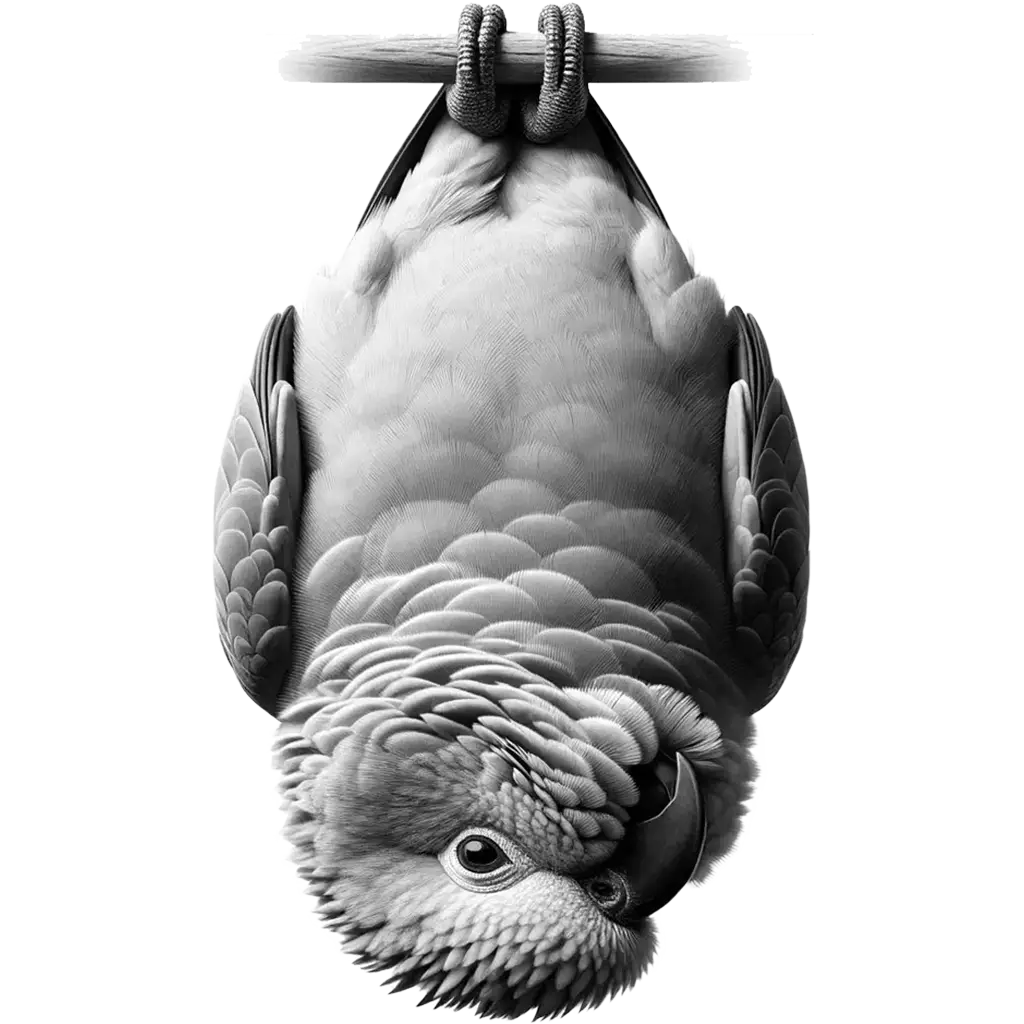
The Great Hanging Parrot, loriculus stigmatus, is a small, vibrant bird endemic to the islands of Sulawesi, Togian, Sula, and Banggai in Indonesia. This species is part of the Psittaculidae family, known for their ability to hang upside down while feeding or resting, a unique behavior from which their name
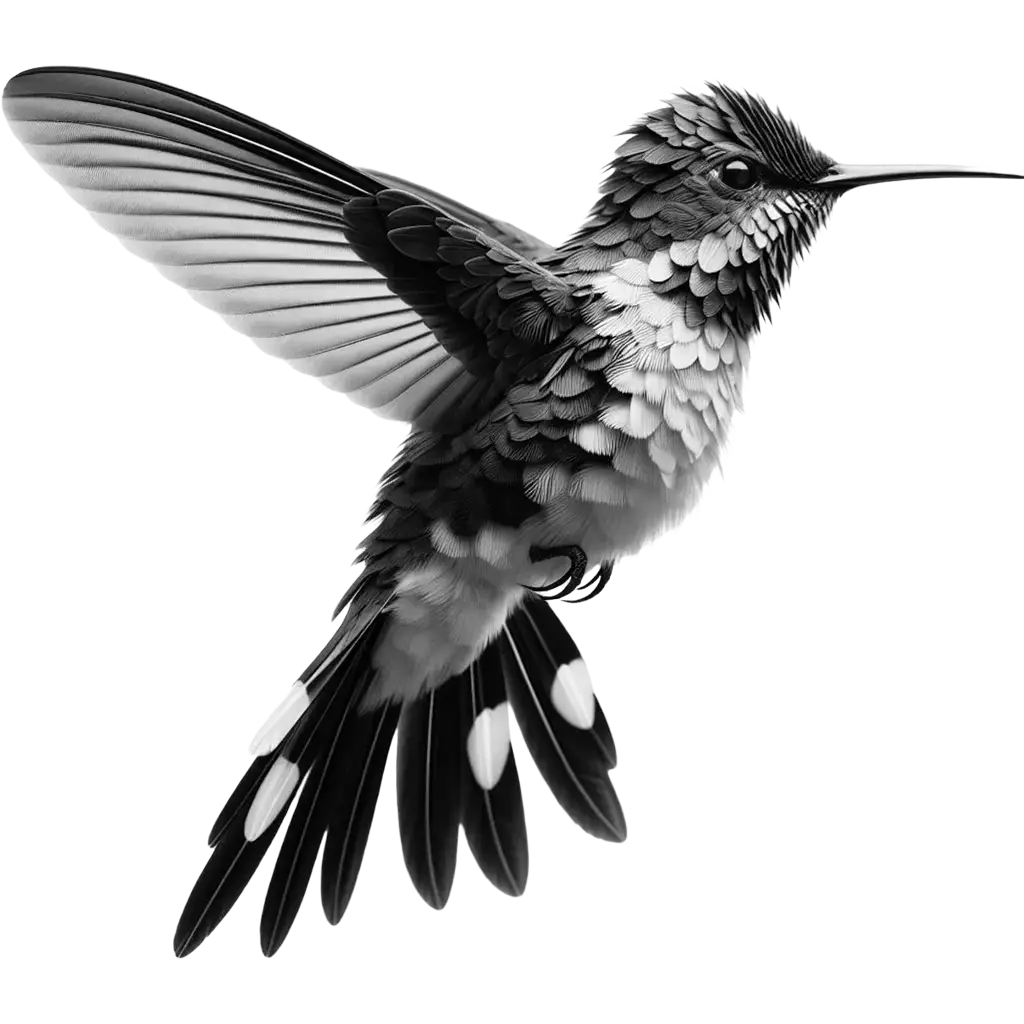
The Bee Hummingbird, Mellisuga helenae, holds the title of the world's smallest bird, native to Cuba and the Isla de la Juventud. Adults measure a mere 5 to 6 centimeters (2 to 2.4 inches) in length, including the beak and tail, and weigh approximately 1.6 to 2 grams (0.056 to
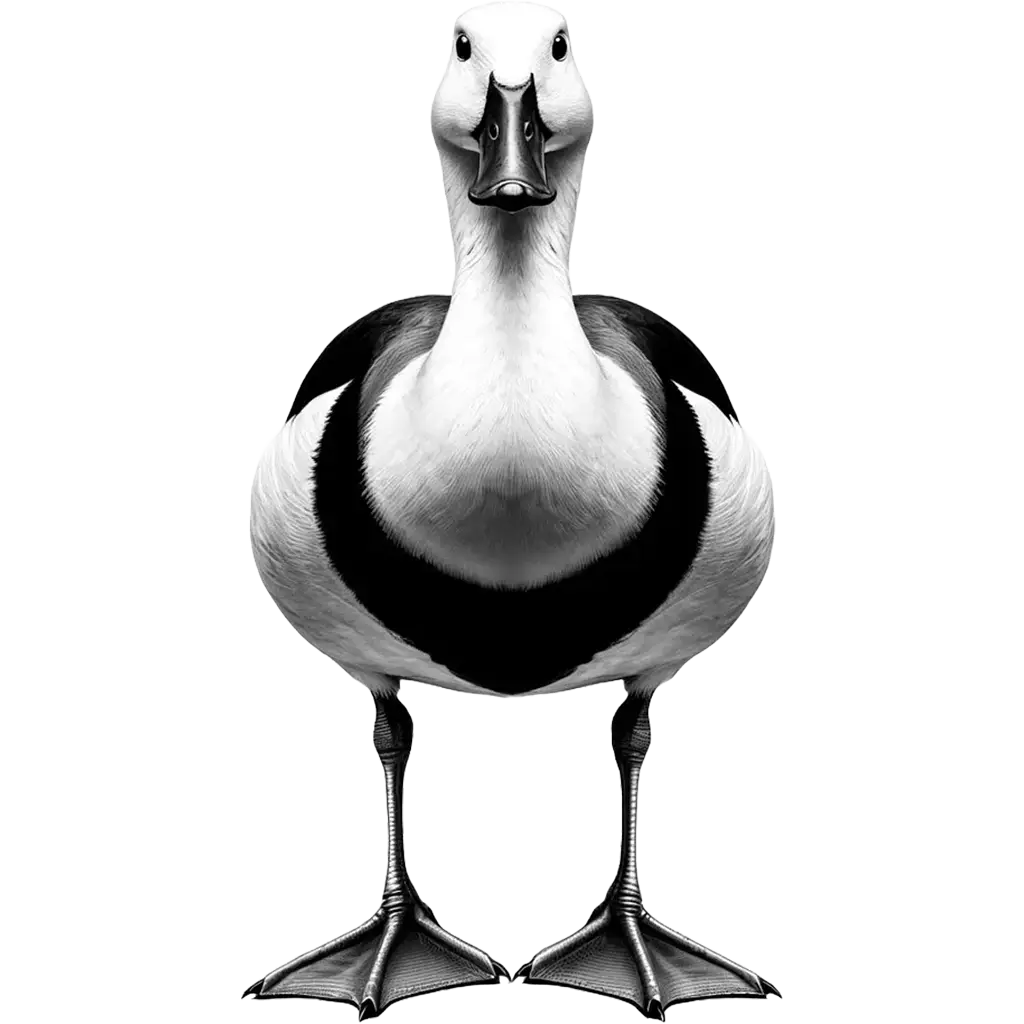
The Common Shelduck, tadorna tadorna, is a striking waterfowl known for its bold coloration and size, making it one of the more distinctive ducks found across Eurasia. Adults typically measure 58 to 67 cm in length, with a wingspan of 110 to 133 cm, positioning them between the sizes of
The Thorn-Tailed Rayadito, aphrastura spinicauda, is a small and agile bird native to the temperate forests of southern South America, particularly in Chile and Argentina. This species is easily recognizable by its distinctive tail, which ends in sharp, spine-like feathers, and its robust, rounded body measuring approximately 15 to 16