

Syncerus Caffer Nanus
African Forest Buffalo
Dense rainforests, forest clearings, and swamps
The African Forest Buffalo, syncerus caffer nanus, also known as the dwarf buffalo, is significantly smaller than its cousin, the African cape buffalo. It stands about 1 meter tall at the shoulder and weighs between 250 to 320 kilograms. Its body is compact and muscular, with a reddish or chocolate brown coat, distinct from the darker hues of the larger savannah buffalo. The forest buffalo's horns are much smaller and curve backwards, and its ears are often fringed with hair, giving it a somewhat shaggier appearance than its savannah counterpart.
| Population: | Not precisely known; considered less threatened than other buffalo species |
| Generation Length: | 9-10 years |
| Average Weight: | 250-320 kg |
| Average Length: | 1.7 m in length, about 1.0 m at shoulder height |
| Lifespan: | 15-20 years in the wild |
| Diet: | Grasses, leaves, and shoots |
| Conservation Status: | Not Evaluated (NE) |
The African Forest Buffalo is a gregarious animal, living in herds of up to 20 individuals, though larger groups have been observed where food is abundant. These herds are often composed of females and their offspring, with males either solitary or forming smaller bachelor groups. Forest buffaloes are highly adaptable, residing in dense rainforests, swamps, and floodplains across Central and West Africa. They are diurnal, spending the day grazing and resting in the shade to avoid the midday heat. Their social structure is complex, with a hierarchy that influences access to resources and mates.
Diet-wise, the African Forest Buffalo primarily grazes on grasses, but in the dense forest environment, it also browses on leaves, shoots, and even fruits. This diet flexibility allows it to thrive in various habitats, from open clearings to dense underbrush. The availability of water is a crucial factor in their habitat preference, as they need to drink daily. This dependence on water sources often dictates their movement patterns and grazing areas.
Mating season for the African Forest Buffalo varies depending on the geographical location but generally occurs during the rainy season when food is plentiful. Males display their dominance and compete for females through physical displays and clashes. After a gestation period of about 11 months, a single calf is born. Calves are vulnerable at birth but are quickly able to stand and move with the herd, relying on their mother's milk for nutrition in the early months.
The population of the African Forest Buffalo is considered stable in some areas, but it faces threats from habitat loss due to deforestation and agricultural expansion. Additionally, they are hunted for their meat and horns, adding pressure to their populations. Conservation efforts are crucial to ensure their survival, focusing on habitat protection and the management of hunting practices to maintain sustainable populations within their natural range.
Classifications
The Key Attributes
Features
- Movement:
Quadrupedal
- Territorial Behavior:
Herds typically occupy a home range but are not highly territorial
- Speed:
Can run up to 57 km/h (35 mph) over short distances
- Diet:
Herbivore
- Physical Features:
- Smaller and redder than its savanna counterpart
- Heavy, ridged horns that can grow close together, forming a shield over the forehead
- Dense fur
- Primary Senses:
- Sight
- Hearing
- Smell
Understanding Habitat and Range
Geography
- Habitat:
Dense rainforests, forest clearings, and swamps
- Migration Patterns:
Sedentary, with movements mainly due to seasonal changes in food and water availability
- Geographical Range:
Central and West Africa, including countries like Congo, Gabon, and Central African Republic
- Climate Preferences:
Prefers warm, humid climates of the tropical rainforest
Navigating the Wilderness
In the wild
- Predators:
Leopards and lions (though less common in forest habitats)
- Prey:
Does not apply, as they are herbivorous
- Feeding Behavior:
Grazing and browsing, mainly active in the early morning and late afternoon
- Diet:
Grasses, leaves, and shoots
- Defensive Mechanisms:
- Forming a circle around the young and weak with the stronger individuals facing outward
- Using their horns in defense
- Preferred Food Sources:
- A variety of grasses
- Fruits
- Leaves
Insights Into Reproduction
Mating
- Mating System:
Polygynous
- Number of Offspring:
1
- Gestation Period:
11 months
- Parental Involvement:
- Mother cares for the calf, with some protective behaviors observed from the herd
Youngsters Section
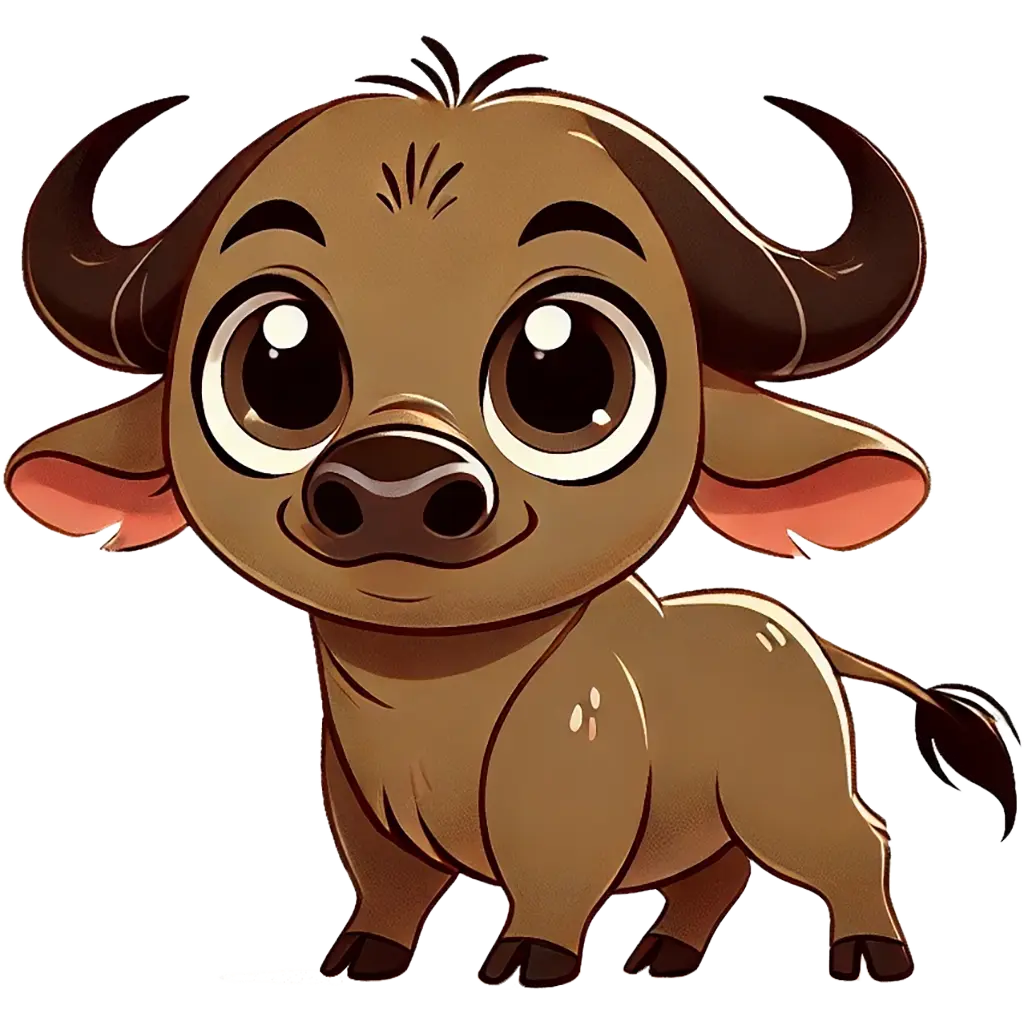
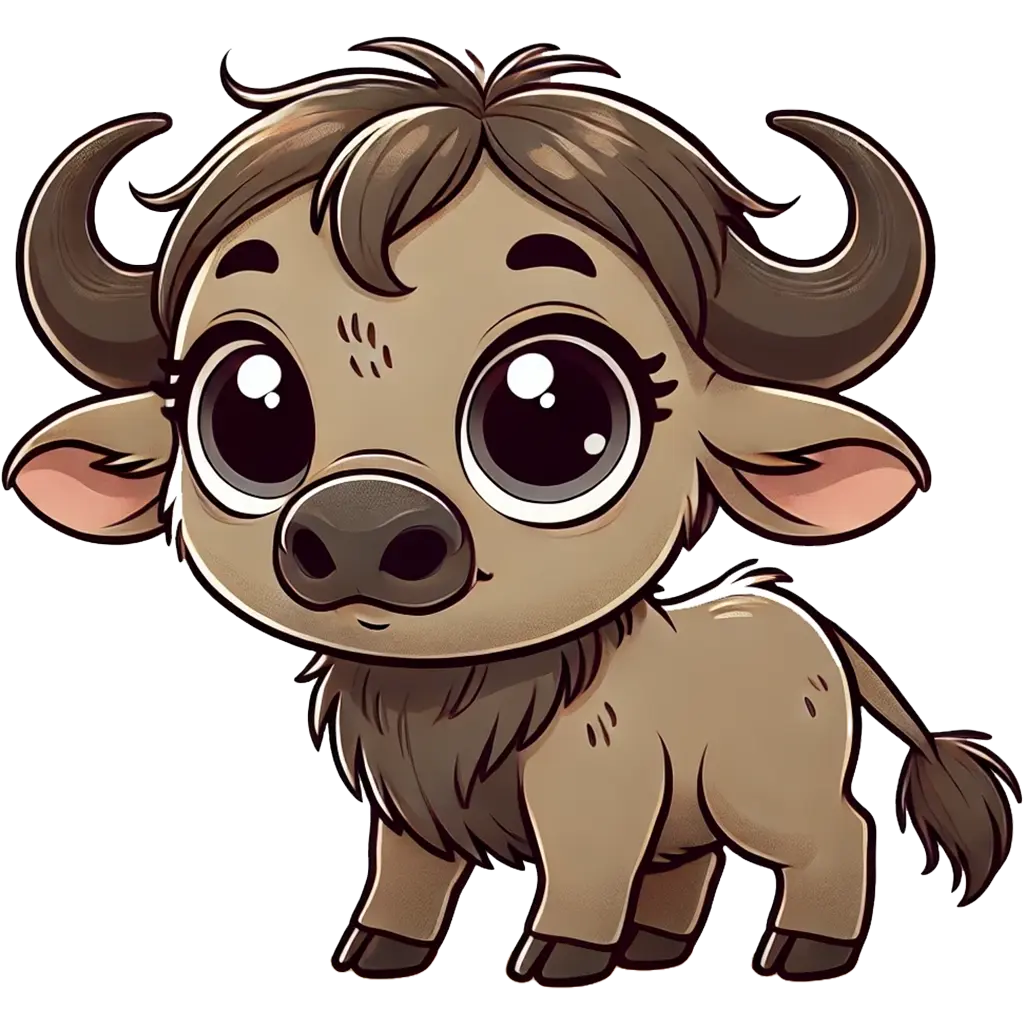
African Forest Buffalo
Fun Fact
The African forest buffalo is the smallest subspecies of the African buffalo, living in dense forests.
They have a reddish-brown coat and are found primarily in the rainforests of Central and West Africa. Unlike their savanna relatives, they form smaller herds, which aids in navigating through thick forest undergrowth. Their smaller size and distinct color help them blend into their forested habitats, providing camouflage against predators.

Download word search puzzles
Word Search Puzzles
Check Out Other Mammals
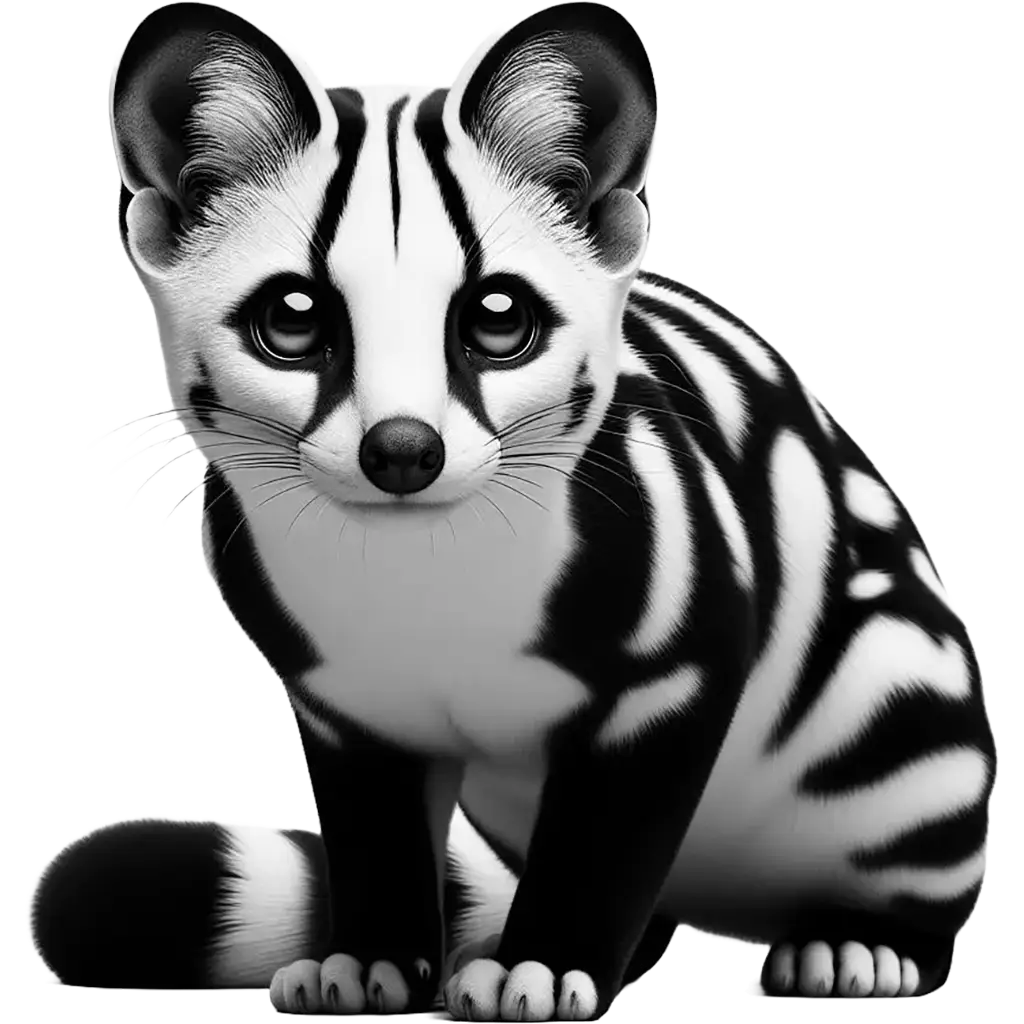
The Hausa Genet, Genetta thierryi, is a small, elusive carnivore native to West Africa, with its range extending from Senegal to Nigeria. This species is one of the lesser-known members of the Viverridae family, which includes genets and civets. Adult Hausa Genets typically measure between 40 to 46 centimeters (15.7
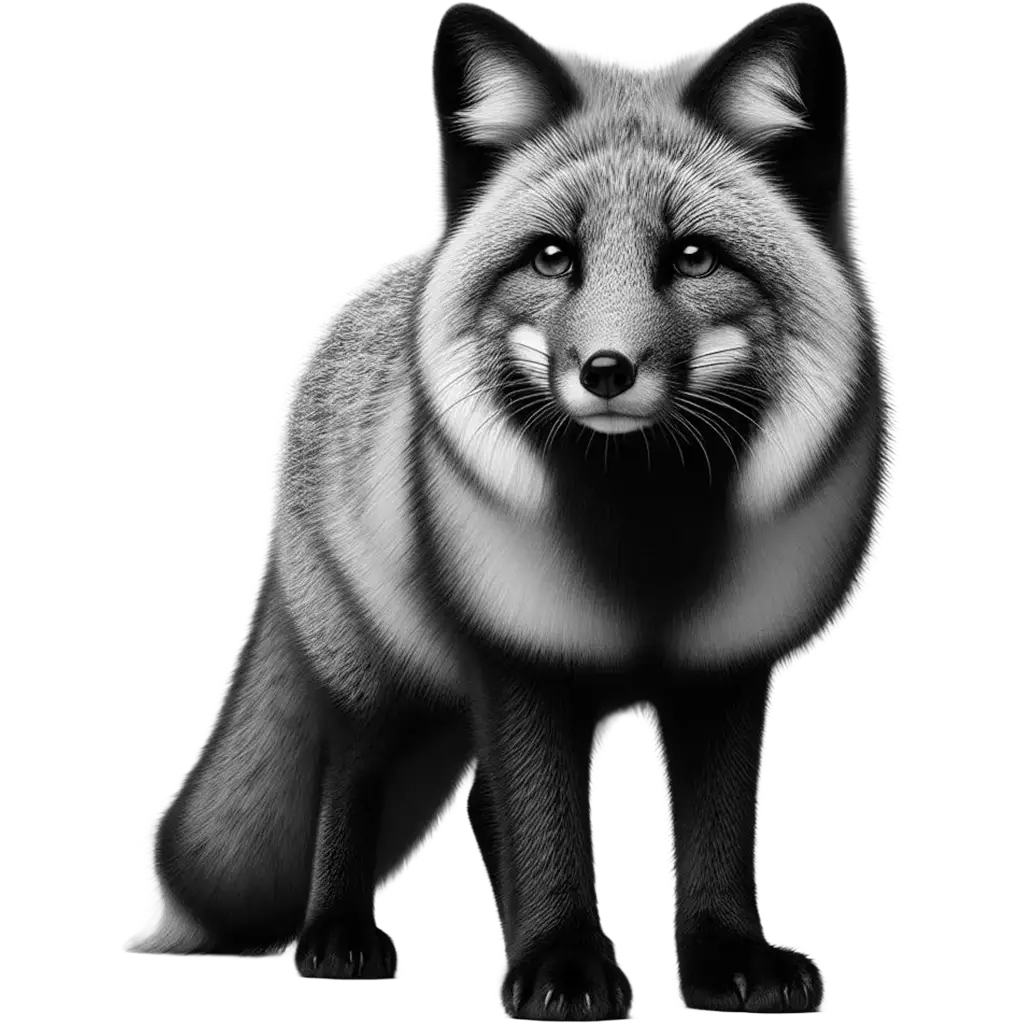
The Gray Fox, urocyon cinereoargenteus, is a medium-sized canid distinguished by its grizzled gray coat, with a black stripe running down its back and tail, and a white underbelly. Its most notable feature is its ability to climb trees, thanks to its strong, hook-shaped claws. This fox typically measures about
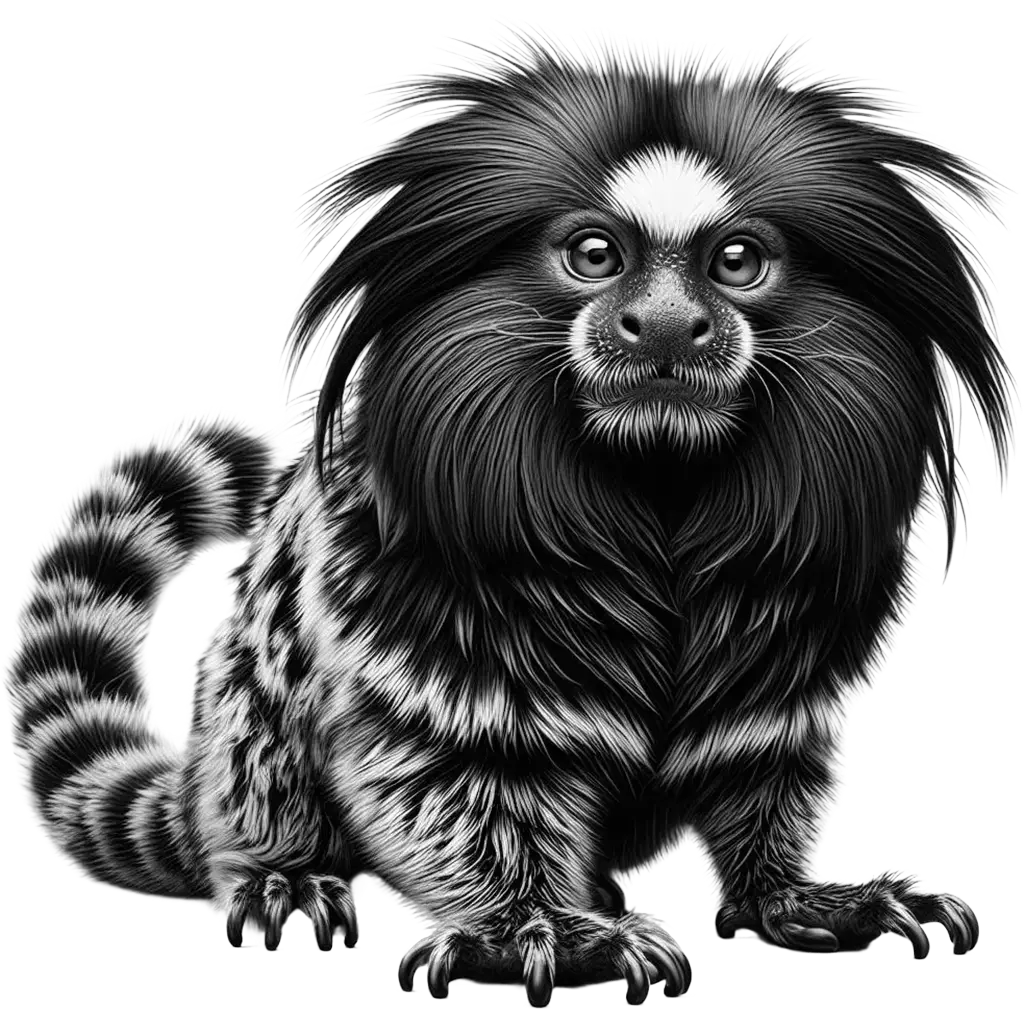
The Common Marmoset, callithrix jacchus, is a small, vivacious primate native to the northeastern regions of Brazil. Characterized by its diminutive size, adults typically weigh between 150 to 400 grams and measure around 18 to 28 centimeters in body length, with a tail that can extend up to 25 to

The Tundra Vole is a small, robust rodent with a compact body, short limbs, and dense, soft fur that typically displays a brownish-gray coloration with lighter underparts. Its rounded ears, small dark eyes, and very short tail contribute to its distinctly unassuming, yet endearing appearance. Its compact form and carefully