
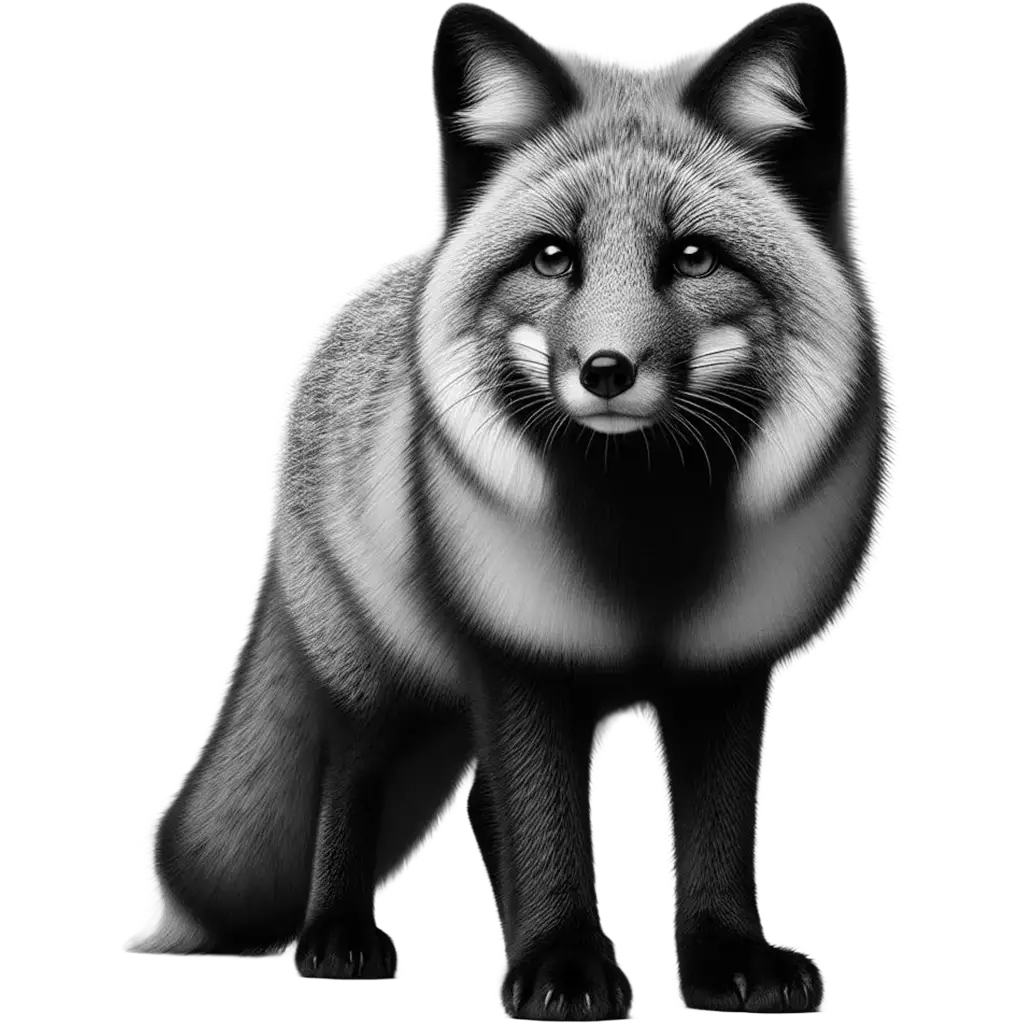
Urocyon Cinereoargenteus
Gray Fox
Woodlands, chaparral, and brushy country, including urban areas
The Gray Fox, urocyon cinereoargenteus, is a medium-sized canid distinguished by its grizzled gray coat, with a black stripe running down its back and tail, and a white underbelly. Its most notable feature is its ability to climb trees, thanks to its strong, hook-shaped claws. This fox typically measures about 30 to 45 inches in length, including its bushy tail, and weighs between 8 to 15 pounds. The Gray Fox's face is characterized by distinct black and white markings, with small, rounded ears and a slightly shorter snout compared to other fox species, adding to its unique appearance.
| Population: | Widespread and stable, not currently considered threatened |
| Generation Length: | 3-4 years |
| Average Weight: | 3.6-7 kg |
| Average Length: | Head and body: 50-73 cm, Tail: 27.5-44.5 cm |
| Lifespan: | 6-8 years in the wild, up to 12 years in captivity |
| Diet: | Mixed diet of animals and plant material |
| Conservation Status: | Least Concern (LC) |
Gray Foxes are highly adaptable and can be found in a variety of habitats across North and Central America, from forests and swamps to the suburban edges. They are solitary and nocturnal animals, preferring to hunt and move around during the night. Despite their ability to climb trees, they spend most of their time on the ground. Gray Foxes have a home range that they mark with scent, but they are not highly territorial, often overlapping ranges with other individuals. Their diet versatility and adaptability to different environments have made them successful in both wild and urban areas.
The diet of the Gray Fox primarily consists of small mammals, insects, carrion, fruits, and vegetables, making it an omnivore with a broad diet. This dietary flexibility allows them to adapt easily to different environments and food availability. In the wild, their hunting technique is a mix of stalking and pouncing, using their agility and stealth to catch prey. In urban areas, they may also scavenge for food in garbage or feed on pet food left outdoors.
Mating habits of the Gray Fox typically occur from January to March, with a gestation period of about 53 days. Females give birth to a litter of 3 to 7 pups, which are born blind and helpless. The den, often located in a hollow tree, rock crevice, or burrow, serves as a safe haven for the pups until they are ready to venture outside. Both parents participate in raising the young, with the male providing food for the female and pups during the early weeks.
The population of the Gray Fox is considered stable across its range, and it is not currently listed as an endangered species. However, habitat destruction and fragmentation, road mortality, and hunting for fur have posed threats to certain populations. Conservation efforts are focused on habitat preservation and reducing human-induced mortality to ensure the continued survival of this versatile and resilient species.
Classifications
The Key Attributes
Features
- Movement:
Quadrupedal, climbing
- Territorial Behavior:
Solitary or in pairs
- Speed:
Capable of quick bursts of speed and agile movements
- Diet:
Omnivore
- Physical Features:
- Salt-and-pepper gray coat with a black-tipped tail
- Orange-red fur on the neck, legs, and underside
- Ability to climb trees
- Primary Senses:
- Sight
- Hearing
- Smell
Understanding Habitat and Range
Geography
- Habitat:
Woodlands, chaparral, and brushy country, including urban areas
- Migration Patterns:
Non-migratory, with established home ranges
- Geographical Range:
North and Central America, from southern Canada to northern Venezuela and Colombia
- Climate Preferences:
Adaptable to a wide range of climates
Navigating the Wilderness
In the wild
- Predators:
Larger predators such as coyotes, eagles, and bobcats
- Prey:
Rabbits, rodents, birds, insects
- Feeding Behavior:
Nocturnal, feeding on a diet of small mammals, insects, birds, fruits, and vegetables
- Diet:
Mixed diet of animals and plant material
- Defensive Mechanisms:
- Climbing trees to escape predators
- Camouflage in its habitat
- Agility
- Preferred Food Sources:
- Small mammals
- Insects
- Fruits
- Vegetables
Insights Into Reproduction
Mating
- Mating System:
Monogamous, with pairs sometimes remaining together for multiple breeding seasons
- Number of Offspring:
3-7 kits
- Gestation Period:
Approximately 53 days
- Parental Involvement:
- Both parents involved in rearing the young, teaching them to hunt and survive independently
Youngsters Section
Gray Fox
Fun Fact
Gray foxes can climb trees, a rare skill among canines, to escape predators or hunt for food.
Their unique, retractable claws and strong forelimbs allow them to scale vertical surfaces with ease. This arboreal ability not only helps them evade predators but also provides access to fruits, birds, and eggs. Gray foxes are often found in woodlands, where their climbing skills are an advantage.

Download word search puzzles
Word Search Puzzles
Check Out Other Mammals
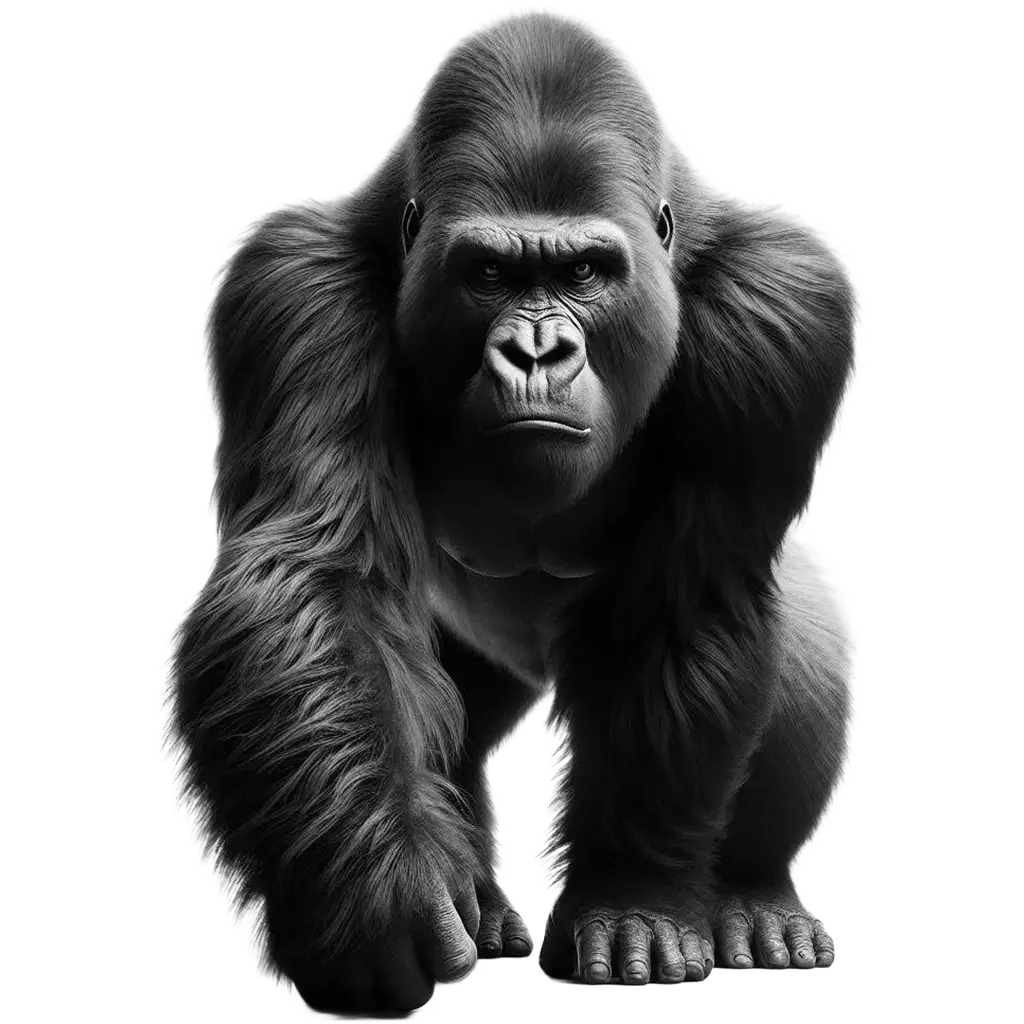
The Western Gorilla, gorilla gorilla, stands as a majestic primate, recognized by its dense, dark fur and a more prominent ridge along its brow compared to its Eastern counterpart. Adult males, known as silverbacks due to the distinctive silver-gray fur on their backs that develops with age, can reach heights
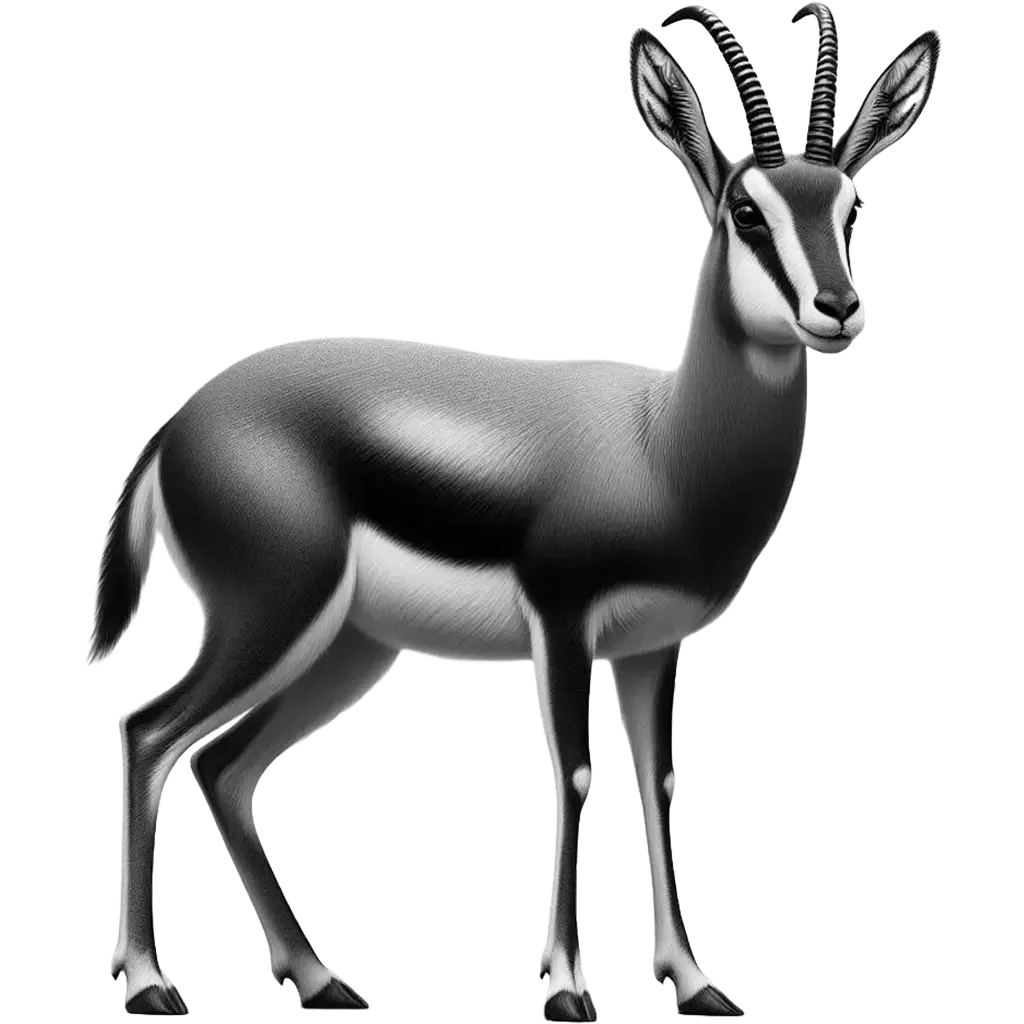
The Dorcas Gazelle, gazella dorcas, is a small and slender antelope that is well-adapted to arid environments, making its home in the deserts and savannahs of North Africa, the Middle East, and the Sahara. This species is notable for its beautiful and delicate appearance, with a light brown or sandy
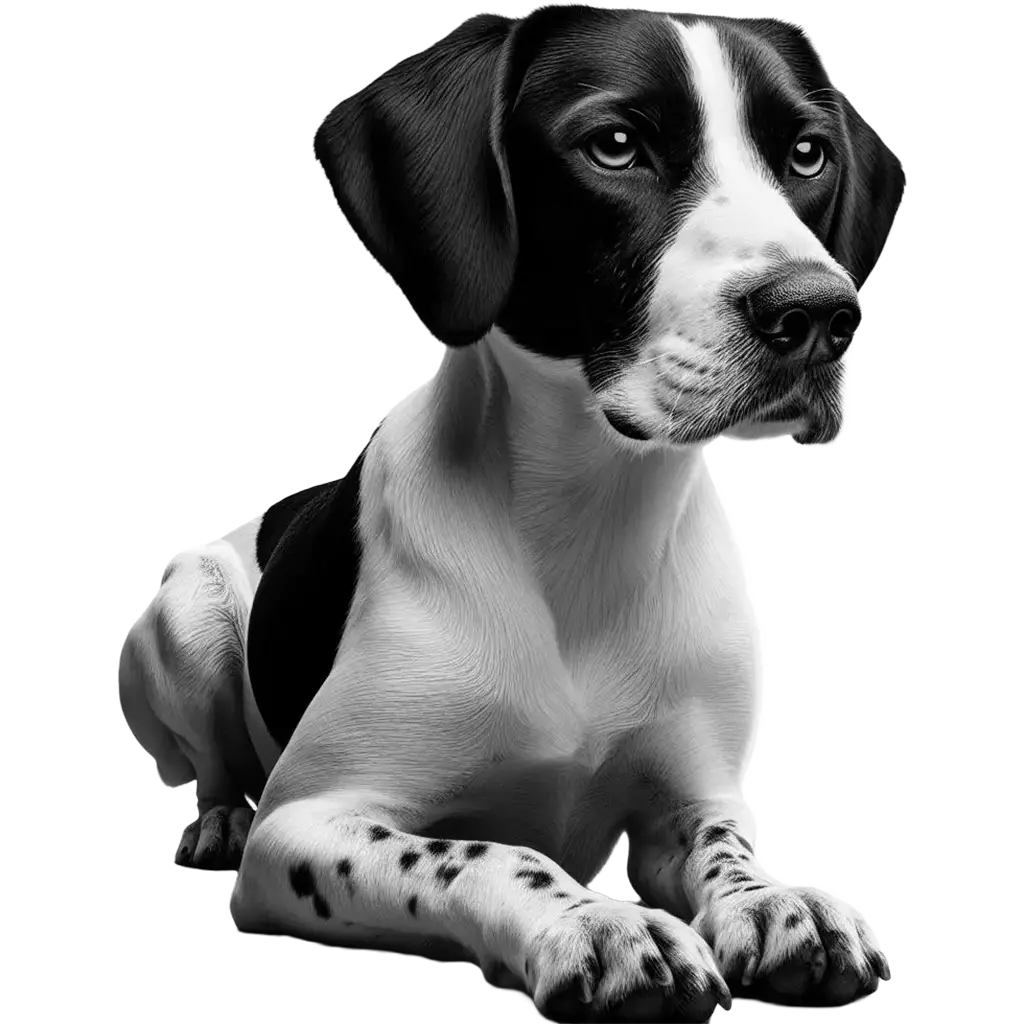
The Harrier, a medium-sized breed of dog, is known for its prowess in hunting hares and foxes in packs, embodying a blend of stamina and agility. Adults typically stand between 48 to 53 centimeters (19 to 21 inches) at the shoulder and weigh between 18 to 27 kilograms (40 to
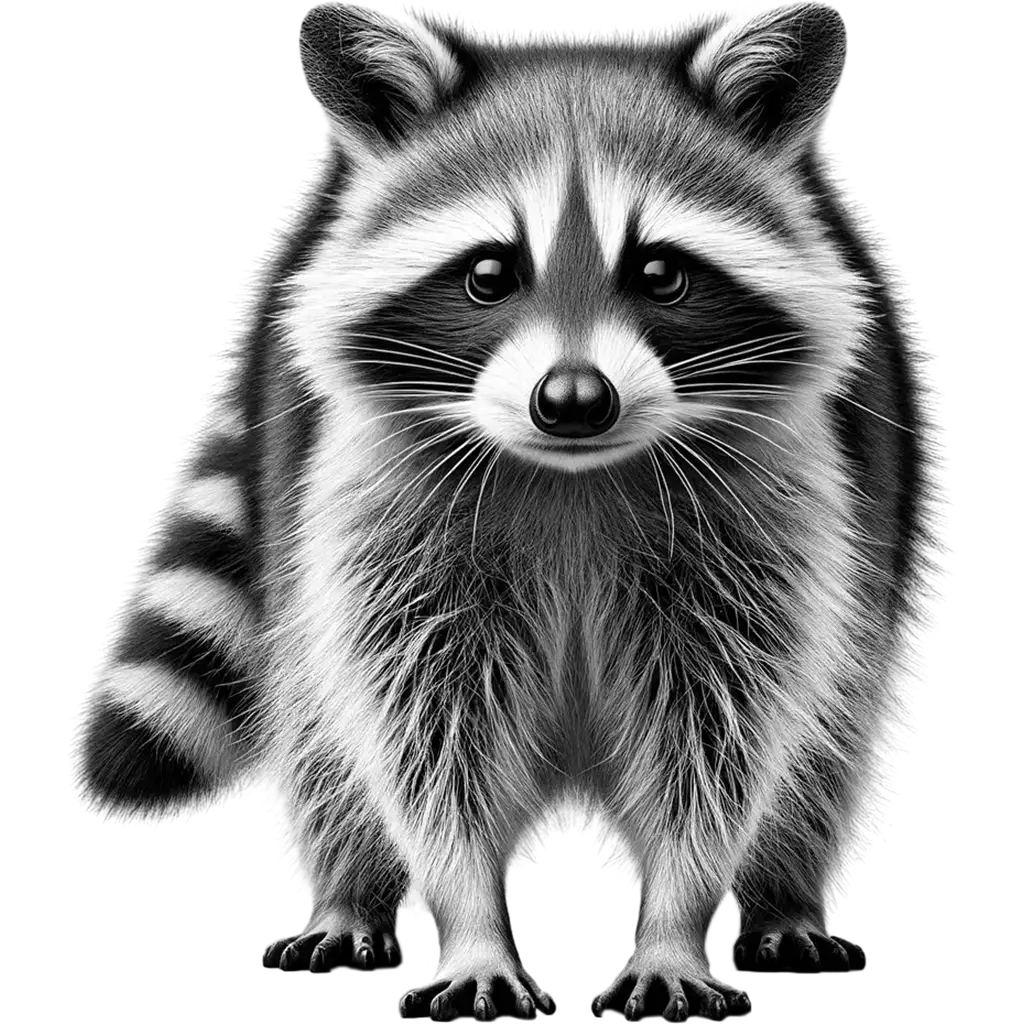
The Raccoon, procyon lotor, is a medium-sized mammal known for its distinctive black mask across the eyes and bushy tail with anywhere from four to ten black rings. Adults typically weigh between 5 to 20 kg, with a body length ranging from 40 to 70 cm, plus a 20 to