
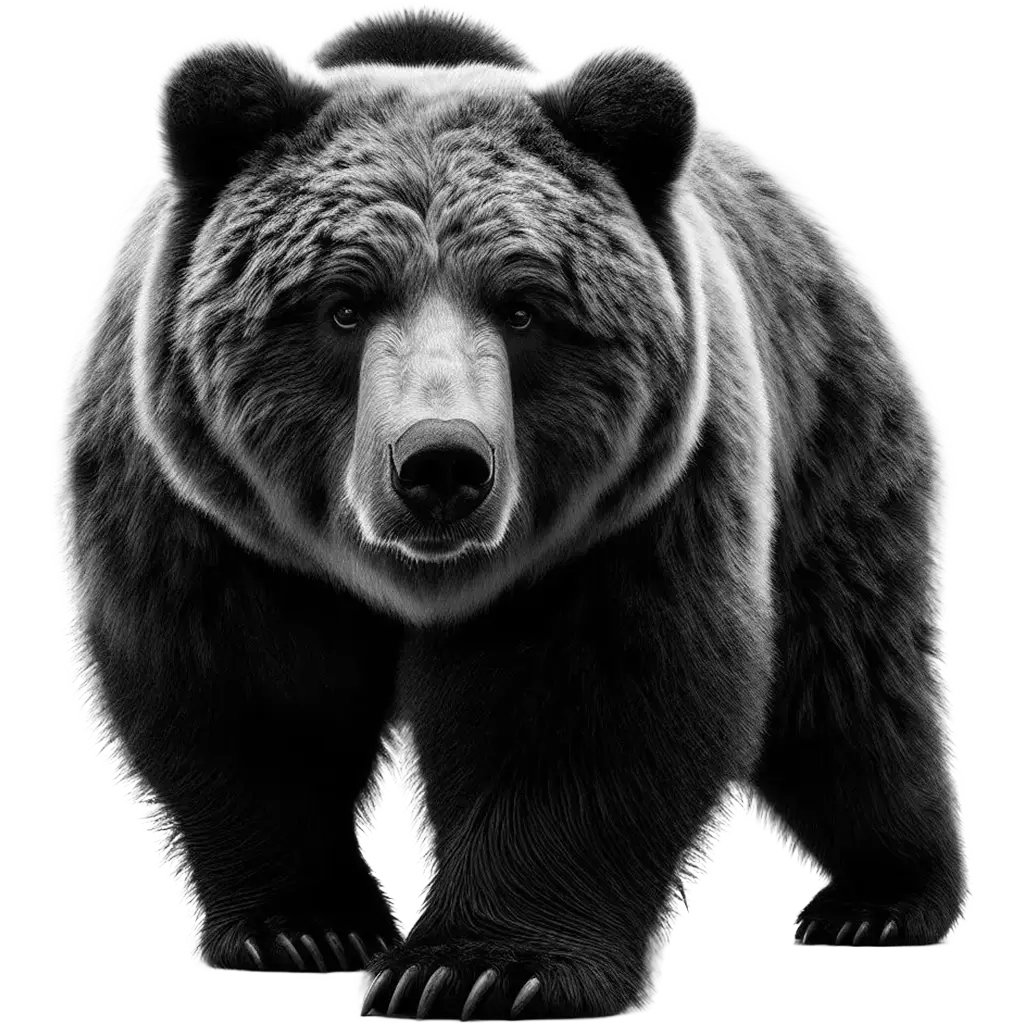
Ursus Arctos Horribilis
Grizzly Bear
Forests, mountains, tundra, and coastal areas
The Grizzly Bear, ursus arctos horribilis, is a formidable subspecies of the brown bear, residing primarily in the forests, mountains, and tundras of North America, particularly in Alaska, western Canada, and parts of the northwestern United States. Characterized by its distinctive hump on its back—a result of powerful muscles used for digging—and long, curved claws, the Grizzly Bear is an iconic symbol of the wild. Adults can weigh between 180 to 360 kilograms (400 to 800 pounds), with males generally larger than females. Their fur color ranges from a light brown to a dark, almost black hue, with some individuals displaying grizzled fur tips that give the grizzly its name.
| Population: | Considered to be of Least Concern globally, but certain subpopulations are threatened or endangered |
| Generation Length: | 10 years |
| Average Weight: | Male: 180-360 kg, Female: 130-200 kg |
| Average Length: | 198-244 cm |
| Lifespan: | 20-25 years in the wild, longer in captivity |
| Diet: | Varies widely, from plants and berries to insects and large mammals |
| Conservation Status: | Not Evaluated (NE) |
Grizzly Bears are solitary animals with a diet that is as diverse as their habitat, consisting of berries, nuts, leaves, fruits, and roots, as well as fish, mammals, and carrion. They possess a keen sense of smell and are capable swimmers and runners, reaching speeds up to 56 kilometers per hour (35 miles per hour) over short distances.
These bears are known for their intelligence and complex behaviors, including the ability to navigate vast landscapes in search of food. They play a critical role in their ecosystems as apex predators and scavengers, helping to regulate prey populations and distribute nutrients.
Reproduction in Grizzly Bears involves a delayed implantation, where fertilized eggs remain dormant for several months before implanting in the uterus and beginning development. Females give birth during hibernation in the winter to 1 to 4 cubs, which are blind, hairless, and dependent. Cubs stay with their mothers for up to 2 to 3 years, during which they learn essential survival skills.
The Grizzly Bear is classified as a species of Least Concern globally by the IUCN, but its status varies regionally, with some populations considered threatened or endangered due to habitat loss, human encroachment, and conflicts. Conservation efforts include habitat protection, education programs to promote coexistence, and regulations to reduce human-bear conflicts. Preserving Grizzly Bear populations is crucial for maintaining the biodiversity and health of North American wilderness areas.
Classifications
The Key Attributes
Features
- Movement:
Quadrupedal walking and running
- Territorial Behavior:
Solitary, except mothers with cubs or during mating season
- Speed:
Can reach speeds up to 56 km/h in short bursts
- Diet:
Omnivore
- Physical Features:
- Humped shoulders
- Strong, large claws for digging
- Thick fur ranging from dark brown to light tan
- Powerful jaws
- Primary Senses:
- Smell (highly developed)
- Sight
- Hearing
Understanding Habitat and Range
Geography
- Habitat:
Forests, mountains, tundra, and coastal areas
- Migration Patterns:
Non-migratory, but may roam extensively within their territory
- Geographical Range:
Northwestern United States, Canada, and Alaska; isolated populations in the lower 48 states of the US
- Climate Preferences:
Adaptable to various climates from temperate forests to Arctic tundra
Navigating the Wilderness
In the wild
- Predators:
Adults have no natural predators except humans; cubs may be preyed upon by wolves or other bears
- Prey:
Fish (e.g., salmon), small to medium-sized mammals, carrion
- Feeding Behavior:
Diet varies seasonally, including berries, nuts, roots, fish, and mammals
- Diet:
Varies widely, from plants and berries to insects and large mammals
- Defensive Mechanisms:
- Strength and size
- Intimidation displays
- Fast running speed
- Preferred Food Sources:
- Berries
- Nuts
- Roots
- Salmon
- Small to medium-sized mammals
Insights Into Reproduction
Mating
- Mating System:
Polygynous
- Number of Offspring:
1-4 cubs
- Gestation Period:
180-250 days, including delayed implantation
- Parental Involvement:
- Mother cares for cubs for up to 2-3 years, teaching them to forage and survive independently
Youngsters Section
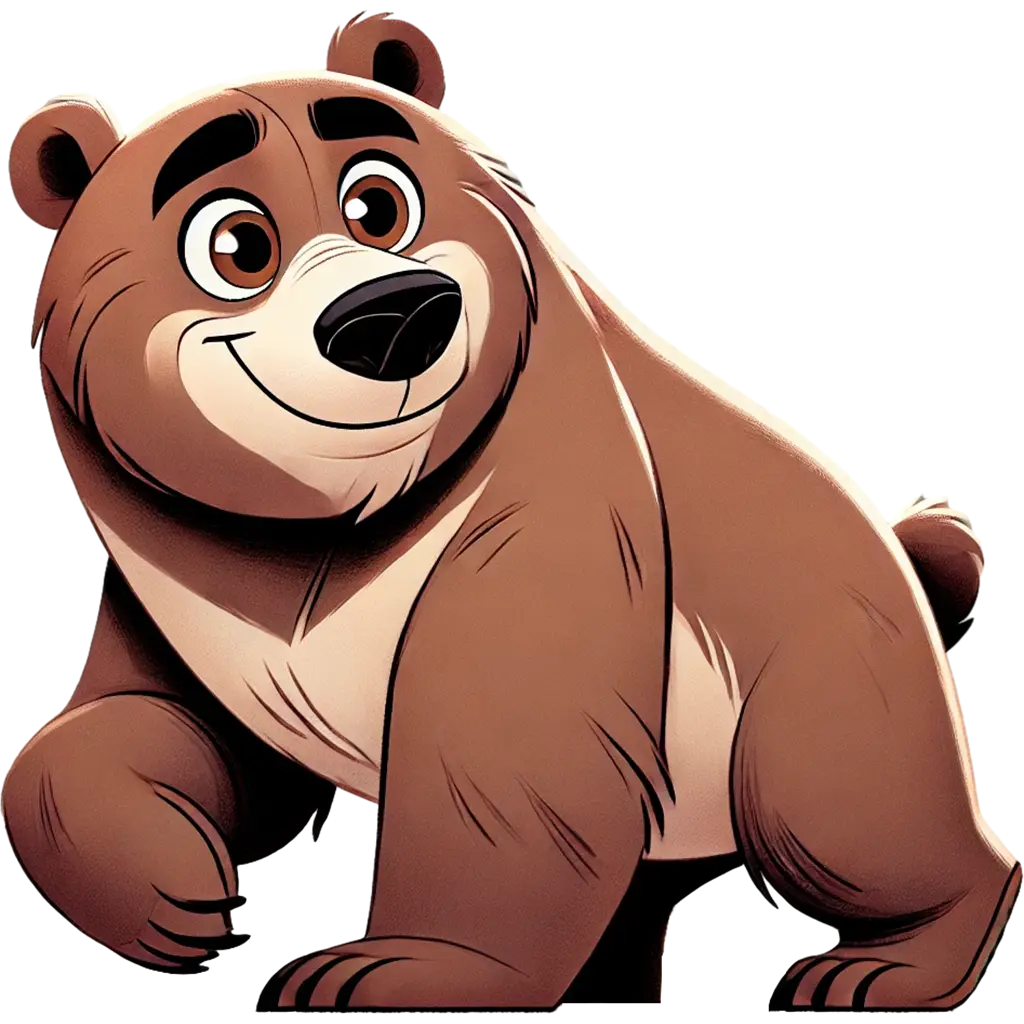
Grizzly Bear
Fun Fact
Grizzly bears can run up to 35 miles per hour, making them faster than Usain Bolt!
Despite their massive size, grizzly bears are surprisingly agile. They can climb trees, swim efficiently, and cover large distances quickly in pursuit of food. Their diet is omnivorous, consisting of fish, mammals, berries, and insects, demonstrating their adaptability to diverse habitats.

Download word search puzzles
Word Search Puzzles

Check Out Other Mammals
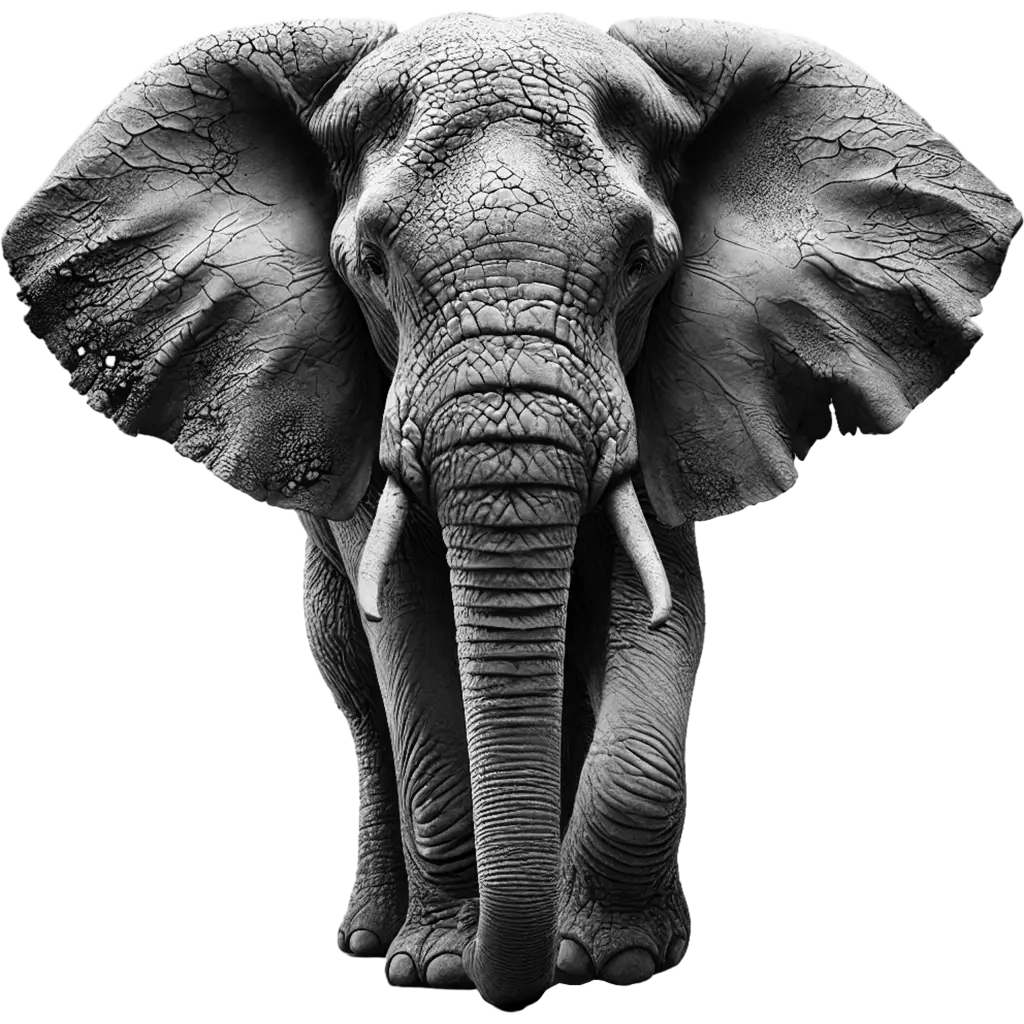
The Asian Elephant is the largest land mammal in Asia, distinguished by its smaller ears, domed head, and a more rounded back compared to its African relatives. Males grow larger than females and may have long tusks, while many females lack tusks altogether. Their long, muscular trunk is used for
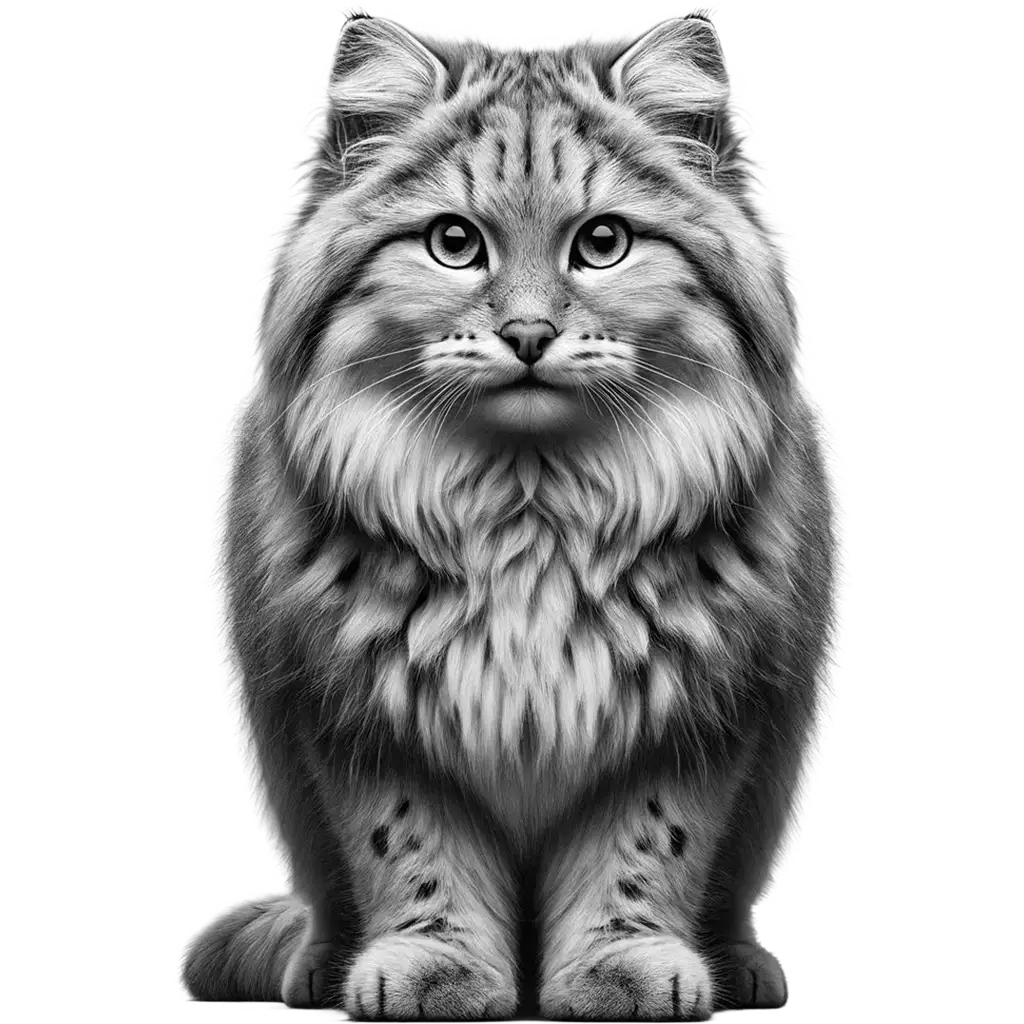
The Pampas Cat, leopardus colocola, is a small wild cat native to South America, characterized by its elusive nature and adaptability to a variety of habitats. This species exhibits a range of fur patterns and colors, typically featuring a grey or yellowish fur marked with stripes and spots that provide
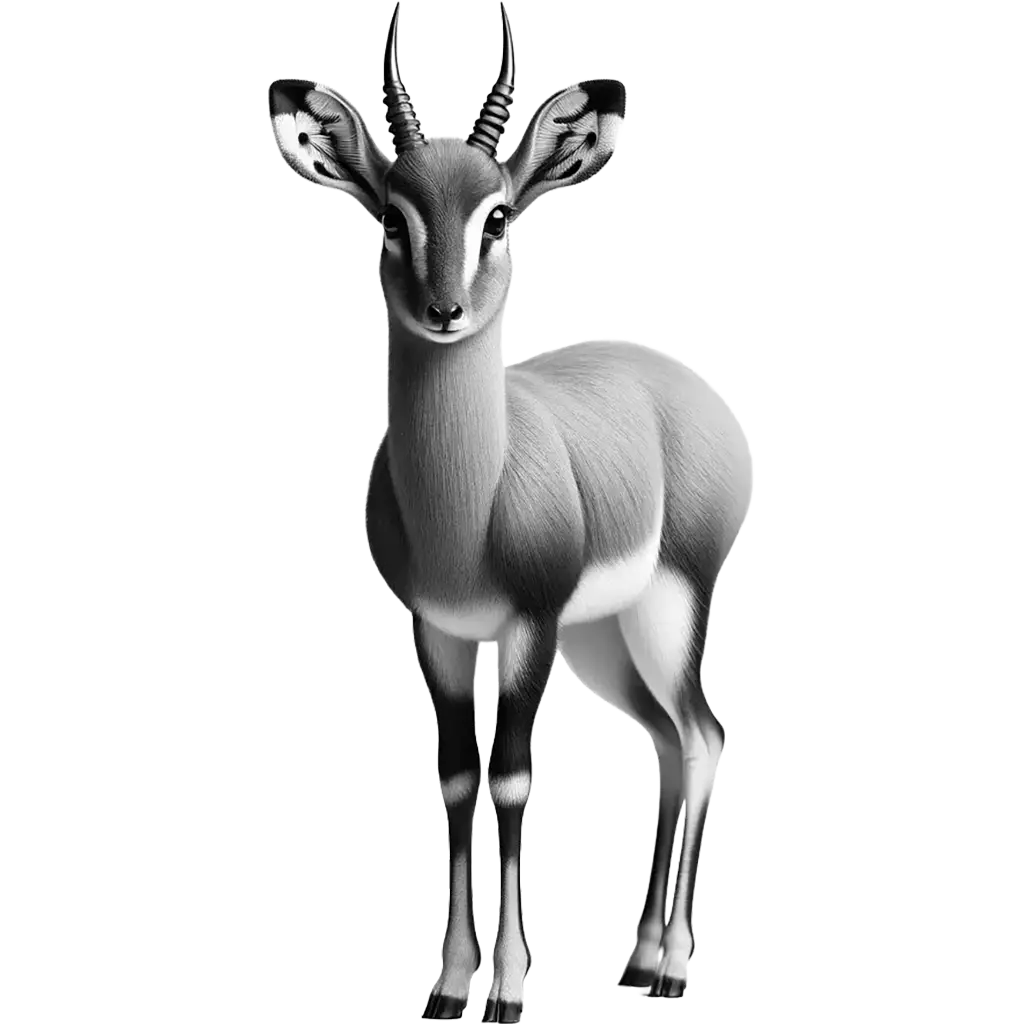
The Oribi, ourebia ourebi, is a small, elegant antelope found in the grasslands and savannas of sub-Saharan Africa. Standing approximately 50 to 68 cm (20 to 27 inches) at the shoulder and weighing between 12 to 22 kg (26 to 48 lbs), the Oribi exhibits a slender build, with a
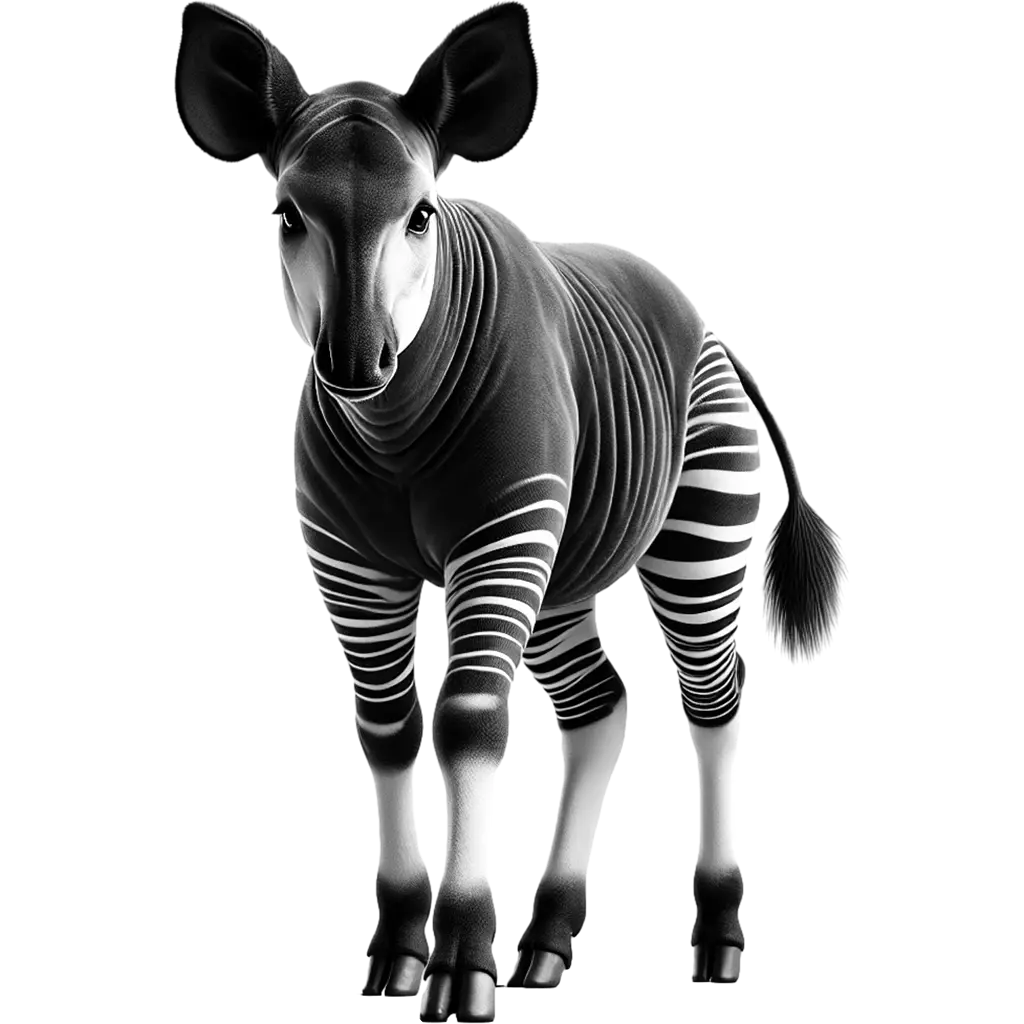
The Okapi, Okapia johnstoni, is a unique mammal endemic to the dense tropical rainforests of the northeastern Democratic Republic of the Congo. Resembling a cross between a giraffe and a zebra, the okapi stands about 1.5 meters tall at the shoulder and measures approximately 2.5 meters in body length. Weighing