
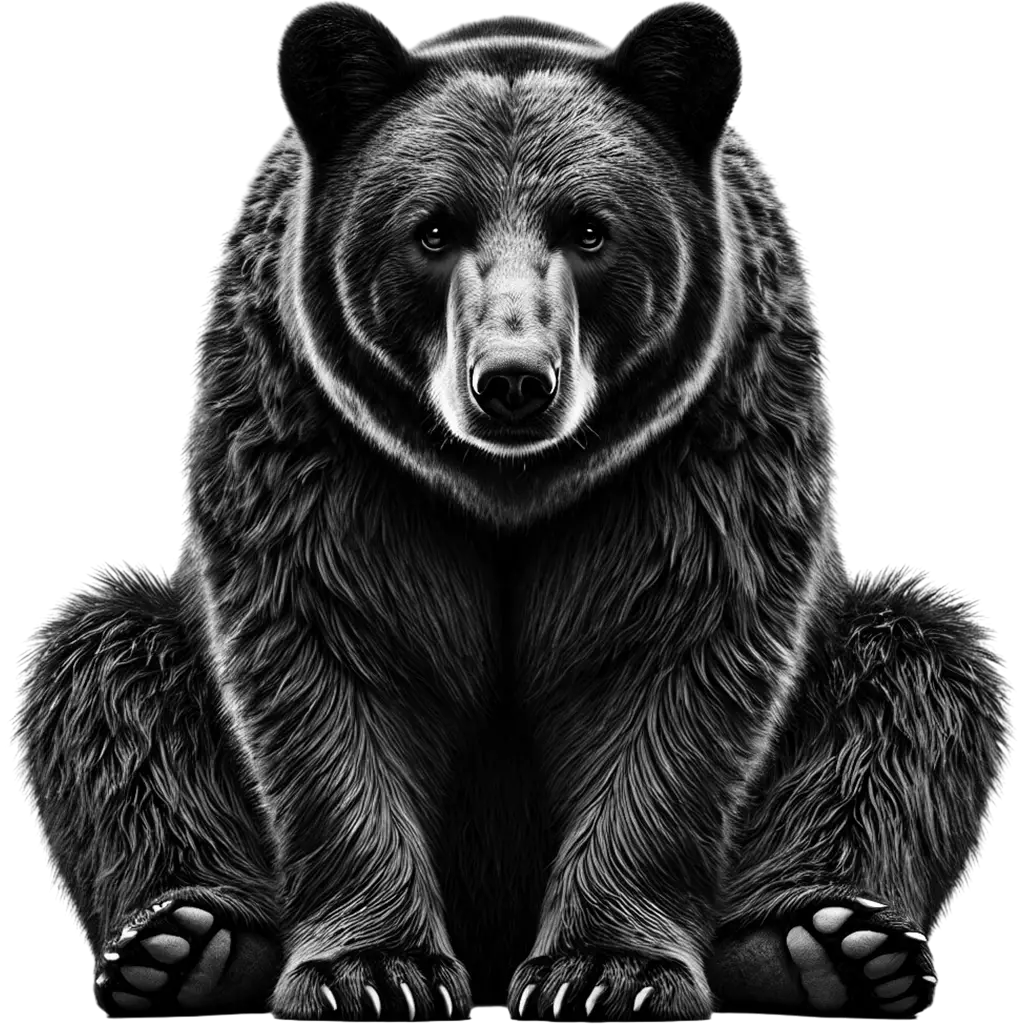
Ursus Americanus
American Black Bear
Forests, mountains, swamps, tundra
The American Black Bear is a medium-sized bear native to North America, known for its versatile coat colors ranging from black to brown, cinnamon, and even white in rare cases. Males are typically larger than females, with an average weight of 60 to 300 kg. They have a stocky build, strong forelimbs, and short, curved claws that allow them to climb trees with ease. Their dense fur provides insulation, making them well-adapted to diverse environments, from dense forests to mountainous regions.
| Population: | Estimated 800,000 to 900,000 individuals |
| Generation Length: | 10 years |
| Average Weight: | 60-300 kg (males), 40-180 kg (females) |
| Average Length: | 1.4-2 meters |
| Lifespan: | 20-30 years in the wild, up to 40 years in captivity |
| Diet: | Omnivorous, with seasonal variations |
| Conservation Status: | Least Concern (LC) |
American Black Bears are solitary animals, except for mothers with cubs. They are mostly crepuscular, meaning they are most active during dawn and dusk. Their home ranges vary significantly based on food availability, with some individuals covering vast distances to find sustenance. While not highly territorial, they may defend food sources and dens. They hibernate in colder climates, utilizing fat reserves accumulated during the fall months to survive the winter without eating.
As omnivores, American Black Bears have a highly adaptable diet. They consume a variety of plant-based foods, such as berries, nuts, and roots, but will also eat insects, fish, small mammals, and carrion. Their diet shifts seasonally based on availability, with spring focusing on new vegetation and insects, summer on berries and fruits, and autumn on calorie-dense foods like acorns in preparation for hibernation.
Mating season occurs between June and August, with a unique reproductive strategy known as delayed implantation. This means that although fertilization occurs in the summer, the embryo does not develop until the mother has accumulated enough fat reserves. After a gestation period of about 220 days, cubs are born in winter dens between January and February. Cubs remain with their mother for up to two years, learning essential survival skills before becoming independent.
The population of American Black Bears is considered stable and even increasing in some areas, thanks to conservation efforts and legal protections. However, habitat fragmentation, human-wildlife conflicts, and poaching pose significant threats. Efforts to mitigate these challenges include habitat preservation, bear-proofing food sources in human-populated areas, and education programs to promote coexistence.
Classifications
The Key Attributes
Features
- Movement:
Quadrupedal
- Territorial Behavior:
Solitary with overlapping territories
- Speed:
Up to 56 km/h
- Diet:
Omnivore
- Physical Features:
- Black, brown, or even white fur
- Short, curved claws for climbing
- Large paws with non-retractable claws
- Strong, stocky build
- Primary Senses:
- Smell
- Hearing
- Sight
Understanding Habitat and Range
Geography
- Habitat:
Forests, mountains, swamps, tundra
- Migration Patterns:
Non-migratory, but seasonal movements occur
- Geographical Range:
North America, from Canada to Mexico
- Climate Preferences:
Temperate and boreal forests
Navigating the Wilderness
In the wild
- Predators:
Few natural predators, but may include wolves, cougars, and other bears
- Prey:
Small mammals, fish, insects
- Feeding Behavior:
Forages for food at dawn and dusk
- Diet:
Omnivorous, with seasonal variations
- Defensive Mechanisms:
- Climbing trees to escape predators
- Standing on hind legs for intimidation
- Powerful swipes and bites
- Preferred Food Sources:
- Berries
- Fish
- Insects
- Nuts
- Carrion
Insights Into Reproduction
Mating
- Mating System:
Polygynous
- Number of Offspring:
1-5 cubs, typically 2-3
- Gestation Period:
220 days (delayed implantation included)
- Parental Involvement:
- Mother solely cares for cubs
- Cubs stay with mother for up to 2 years
Youngsters Section
American Black Bear
Fun Fact
American Black Bears can be found in a variety of colors, from black to brown, cinnamon, and even white.
Despite their large size, they are excellent climbers and can run at speeds of up to 56 km/h. Their keen sense of smell is over seven times stronger than that of a bloodhound, helping them locate food from great distances.

Download word search puzzles
Word Search Puzzles

Check Out Other Mammals
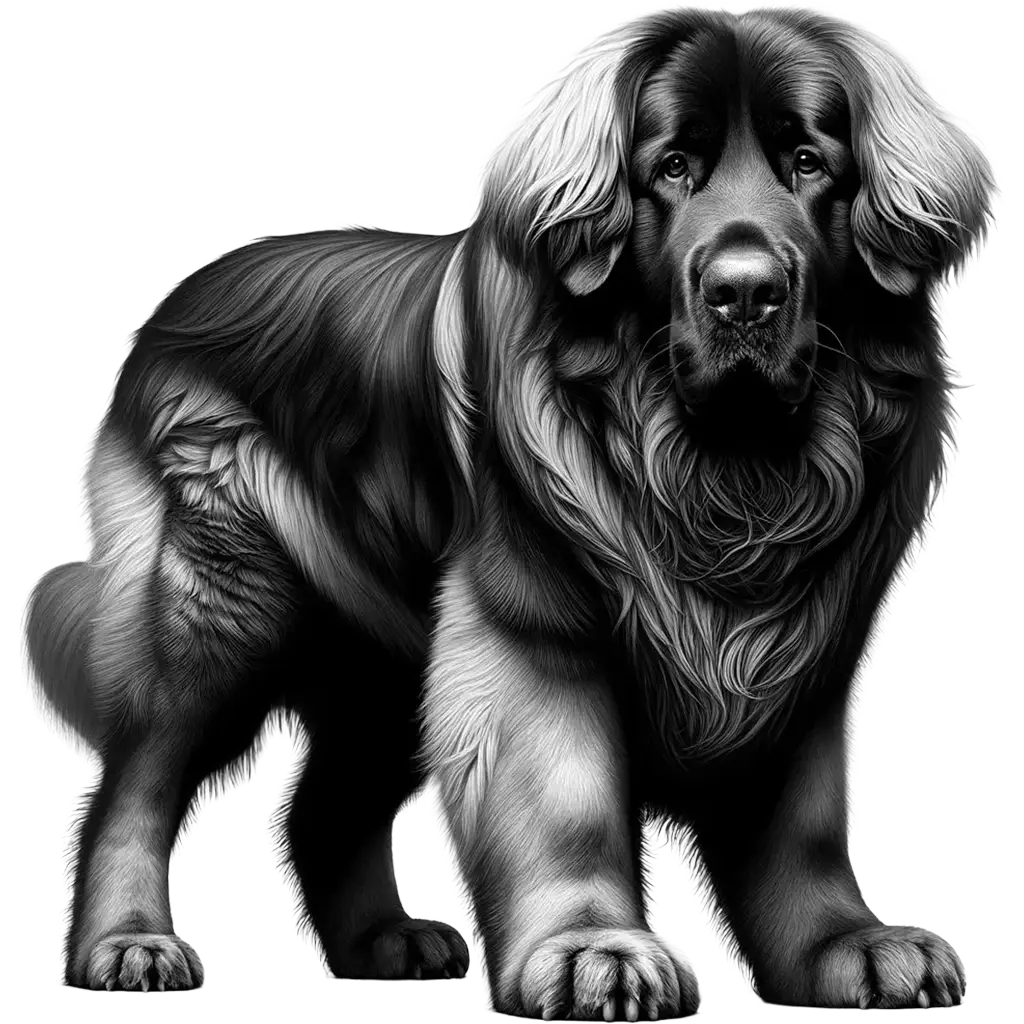
The Leonberger, a giant breed of dog, combines the muscular build of a mountain dog with the elegance of a lion, to which its name alludes. Originating from Leonberg, Germany, in the 19th century, it was bred to resemble the lion on the town's crest. Adult Leonbergers can stand 65
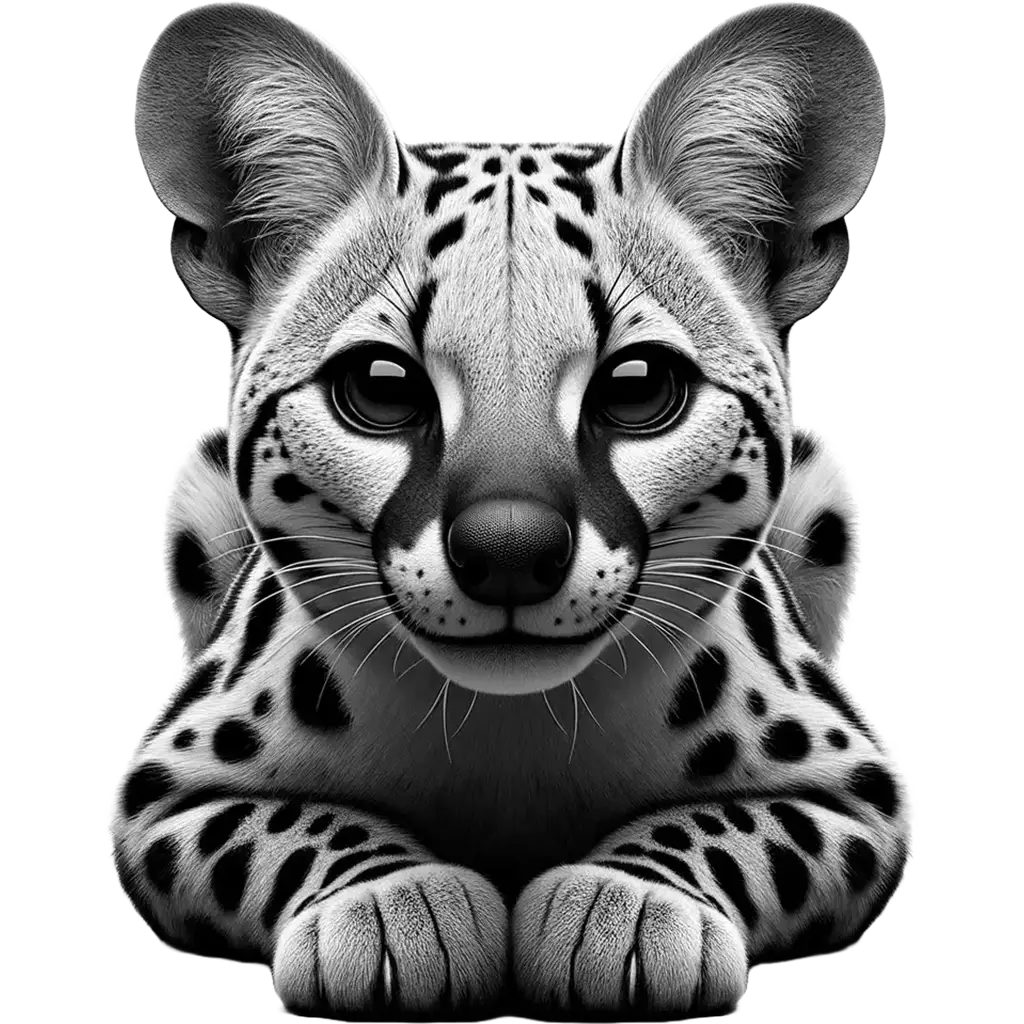
The Common Genet, genetta genetta, is a slender, cat-like mammal, part of the Viverridae family, which also includes civets and mongooses. Characterized by its striking coat pattern, it has a pale, yellowish-grey fur with a series of black stripes running down its back and rows of spots on its sides,
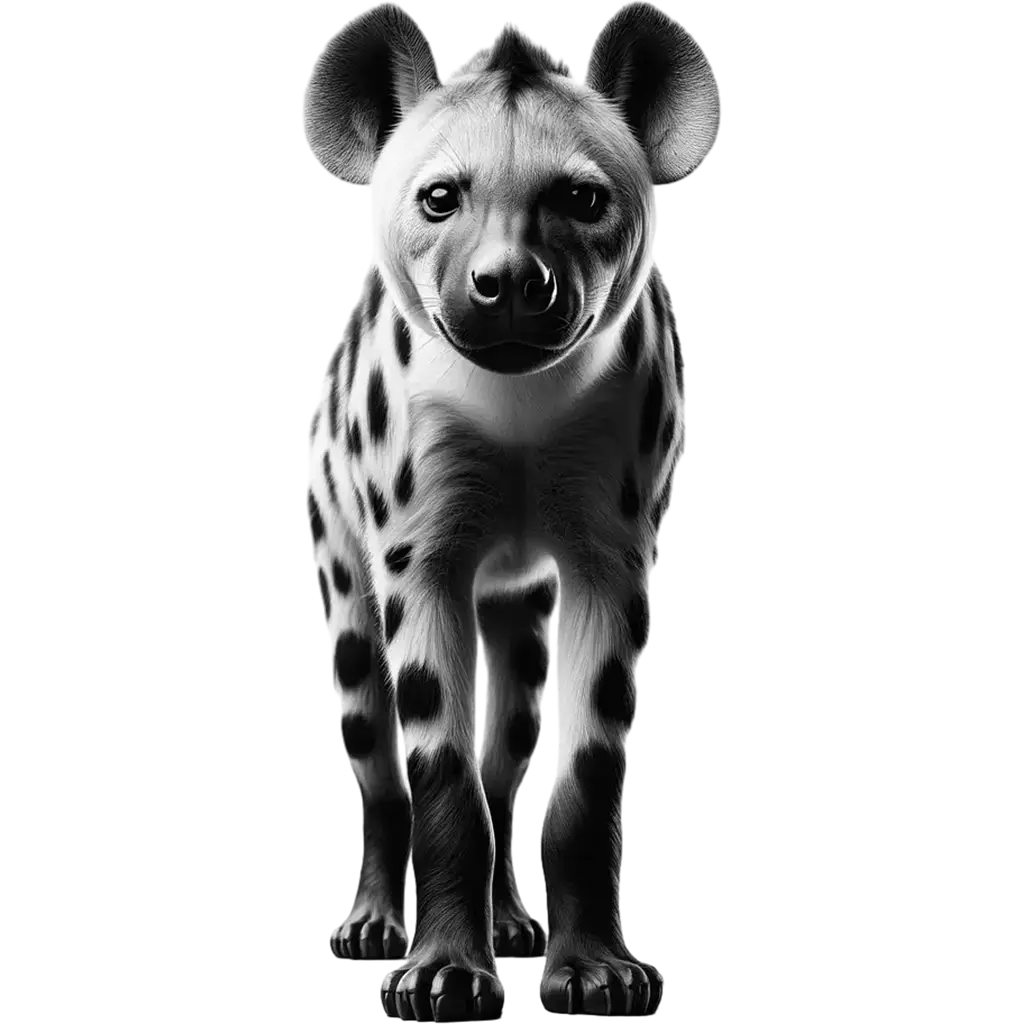
The Spotted Hyena, crocuta crocuta, often misunderstood as solely a scavenger, is in fact a skilled hunter and the most social of the hyena species. Adults can weigh between 40 to 80 kg and measure up to 1.5 meters in length, with females generally larger and more dominant than males.
The Golden Jackal, canis aureus, is a highly adaptable and versatile canid species native to North and East Africa, Southeastern Europe, and South Asia, extending through the Middle East to Southeast Asia. Characterized by its golden, yellowish-brown fur, the Golden Jackal is of medium size, typically weighing between 7 to