
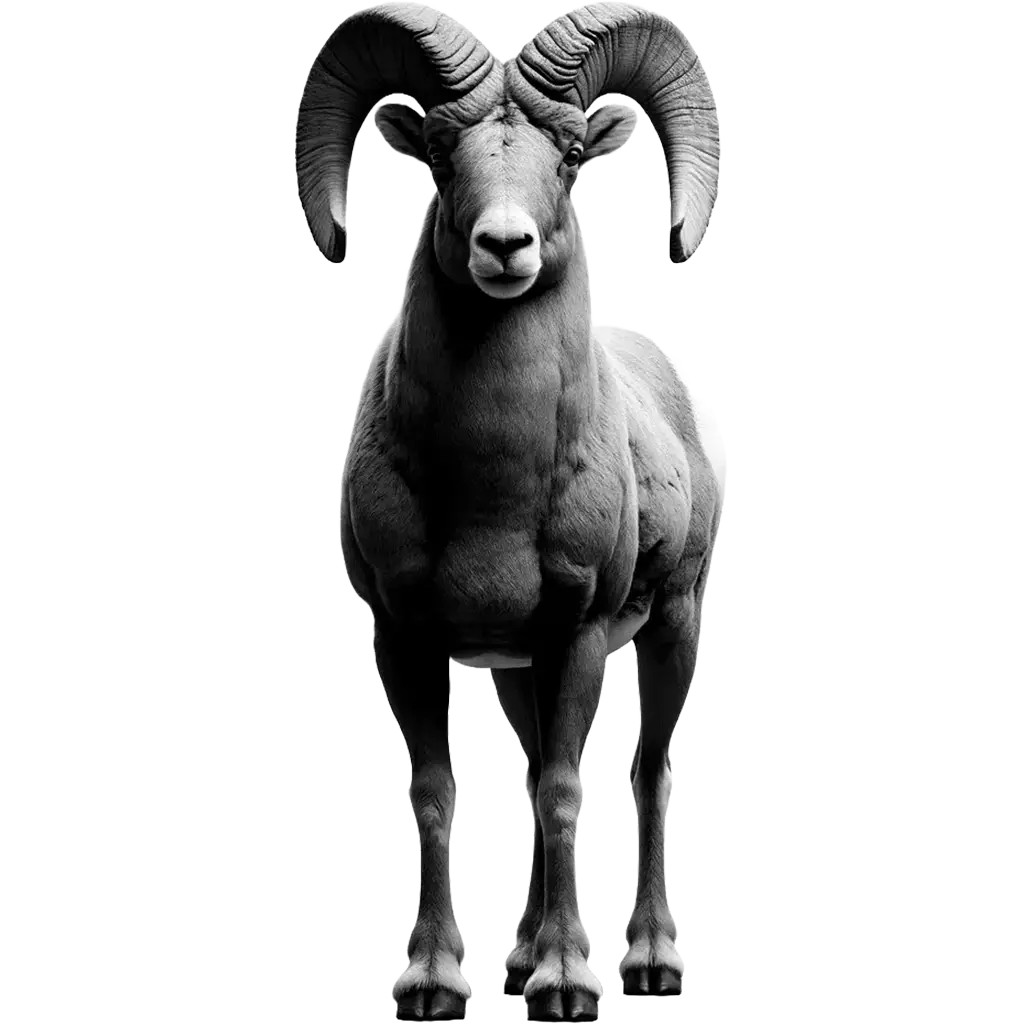
Ovis Canadensis
Bighorn Sheep
Mountainous regions, including rocky outcrops, grasslands, and alpine meadows
The Bighorn Sheep, Ovis canadensis, is a symbol of the rugged mountain ranges of North America, from Canada's cold northern regions down through the western United States and into Mexico's desert landscapes. Distinguished by their large, curved horns, which can weigh up to 14 kilograms in males, Bighorn Sheep exhibit a striking appearance. Their brownish-gray coats and white rumps blend seamlessly with the rocky environments they inhabit, aiding in camouflage. Adult males, or rams, are notably larger than females, or ewes, with rams weighing up to 140 kilograms and ewes up to 90 kilograms. Their muscular build and specialized hooves allow for remarkable agility on steep, rocky terrain.
| Population: | Stable, with some populations increasing due to conservation efforts |
| Generation Length: | Approximately 7-8 years |
| Average Weight: | Male: 73-113 kg, Female: 34-91 kg |
| Average Length: | 1.6-1.85 m from head to rump, with a tail of 10-20 cm |
| Lifespan: | 6-15 years in the wild, longer in captivity |
| Diet: | Grasses, shrubs, and other vegetation |
| Conservation Status: | Least Concern (LC) |
Bighorn Sheep are highly social animals, forming separate herds based on gender. Rams engage in spectacular head-to-head combat during the mating season, their clashes echoing across the mountains as they compete for dominance and the right to mate with ewes. Outside of the breeding season, rams and ewes live in separate groups, with rams forming bachelor herds and ewes gathering in nursery herds with their young. They are adapted to a life in arduous terrains, where their excellent vision and agility help them evade predators and navigate the steep cliffs and ledges of their mountainous homes.
The diet of the Bighorn Sheep primarily consists of grasses, sedges, and forbs, with a seasonal variation that includes more woody plants in the winter. Their grazing habits play a crucial role in their ecosystems, helping to shape the vegetation structure and promote biodiversity within their habitats. They are ruminants, possessing a complex digestive system that allows them to maximize nutrient absorption from their fibrous diet, enabling them to thrive in environments where food sources may be sparse.
Reproduction in Bighorn Sheep is marked by the rutting season, which occurs in the fall. During this time, rams return to the ewes' herds and engage in dramatic displays of strength and dominance to win mates. Following a gestation period of about six months, ewes give birth to one, sometimes two, lambs in late spring. These lambs are agile within hours of birth, quickly learning to navigate their precarious mountain environments under the watchful eyes of their mothers.
The Bighorn Sheep faces several challenges to its survival, including habitat fragmentation, disease transmission from domestic livestock, and climate change. These factors have led to localized declines in some populations, although conservation efforts, such as habitat restoration, wildlife corridors, and disease management programs, have been successful in supporting recovery efforts. Continued conservation initiatives are crucial to ensure the long-term survival of the Bighorn Sheep, an iconic emblem of North America's natural heritage.
Classifications
The Key Attributes
Features
- Movement:
Quadrupedal, adept climbers
- Territorial Behavior:
Social, forming herds; males have dominance hierarchies
- Speed:
Capable of running at speeds up to 40 km/h
- Diet:
Herbivore
- Physical Features:
- Large, curved horns
- Robust body
- Short tail
- Primary Senses:
- Sight
- Hearing
- Smell
Understanding Habitat and Range
Geography
- Habitat:
Mountainous regions, including rocky outcrops, grasslands, and alpine meadows
- Migration Patterns:
Elevational migration, moving to higher elevations in summer and lower in winter
- Geographical Range:
Western North America, from Canada to Mexico
- Climate Preferences:
Varied, adaptable to a wide range of mountainous climates
Navigating the Wilderness
In the wild
- Predators:
Cougars, wolves, bears, and eagles (for lambs)
- Prey:
N/A
- Feeding Behavior:
Grazing and browsing, primarily during dawn and dusk
- Diet:
Grasses, shrubs, and other vegetation
- Defensive Mechanisms:
- Agility in rugged terrain
- Horns for defense against predators
- Preferred Food Sources:
- Grasses
- Forbs
- Shrubs
Insights Into Reproduction
Mating
- Mating System:
Polygynous
- Number of Offspring:
Usually 1 lamb
- Gestation Period:
Approximately 6 months
- Parental Involvement:
- Mother cares for the lamb; lambs begin grazing within a week
Youngsters Section
Bighorn Sheep
Fun Fact
Bighorn sheep are known for their massive curved horns, which can weigh up to 30 pounds.
These magnificent animals use their horns in head-butting contests to establish dominance and secure mating rights. The sound of their clashes can be heard echoing through the mountains. Bighorn sheep are agile climbers, adept at navigating steep, rocky terrains.

Download word search puzzles
Word Search Puzzles
Check Out Other Mammals

The Mohol Bushbaby, galago moholi, is a small, nocturnal primate native to the southern regions of Africa. This agile creature is characterized by its large, expressive eyes, which are well-adapted to its nighttime activities, and its soft, grey to brown fur, which provides camouflage in its woodland and savannah habitats.

The Mexican Gray Squirrel, sciurus aureogaster, is a medium-sized squirrel native to Central America and southern Mexico. This species is characterized by its distinctive pelage, which varies from gray to brownish-gray on the back with a contrasting reddish or orange underside, making it easily distinguishable from other squirrel species. Adults
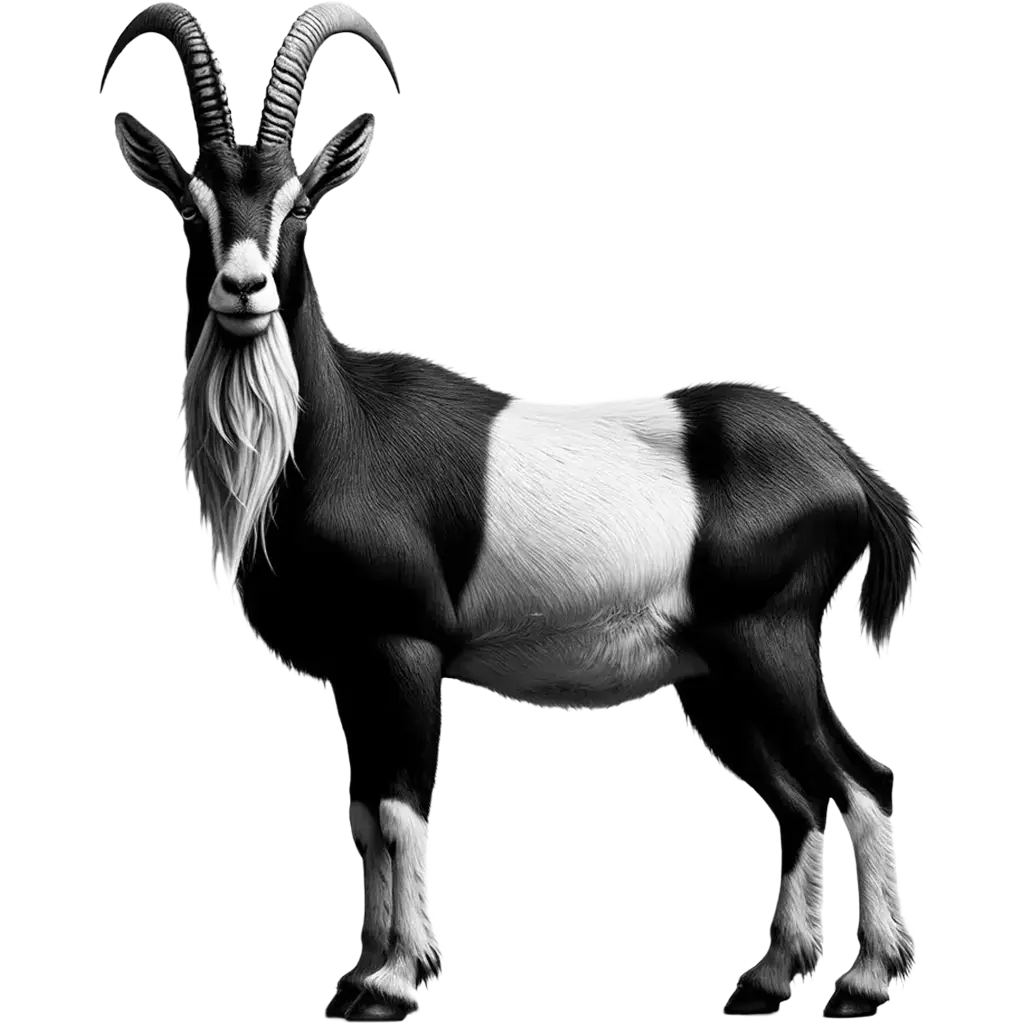
The Wild Goat, capra aegagrus, is the ancestral species from which domestic goats (Capra aegagrus hircus) are derived. It exhibits a robust and agile physique, with adults typically measuring 120 to 150 cm in length and standing 70 to 90 cm tall at the shoulder. Males are larger and more
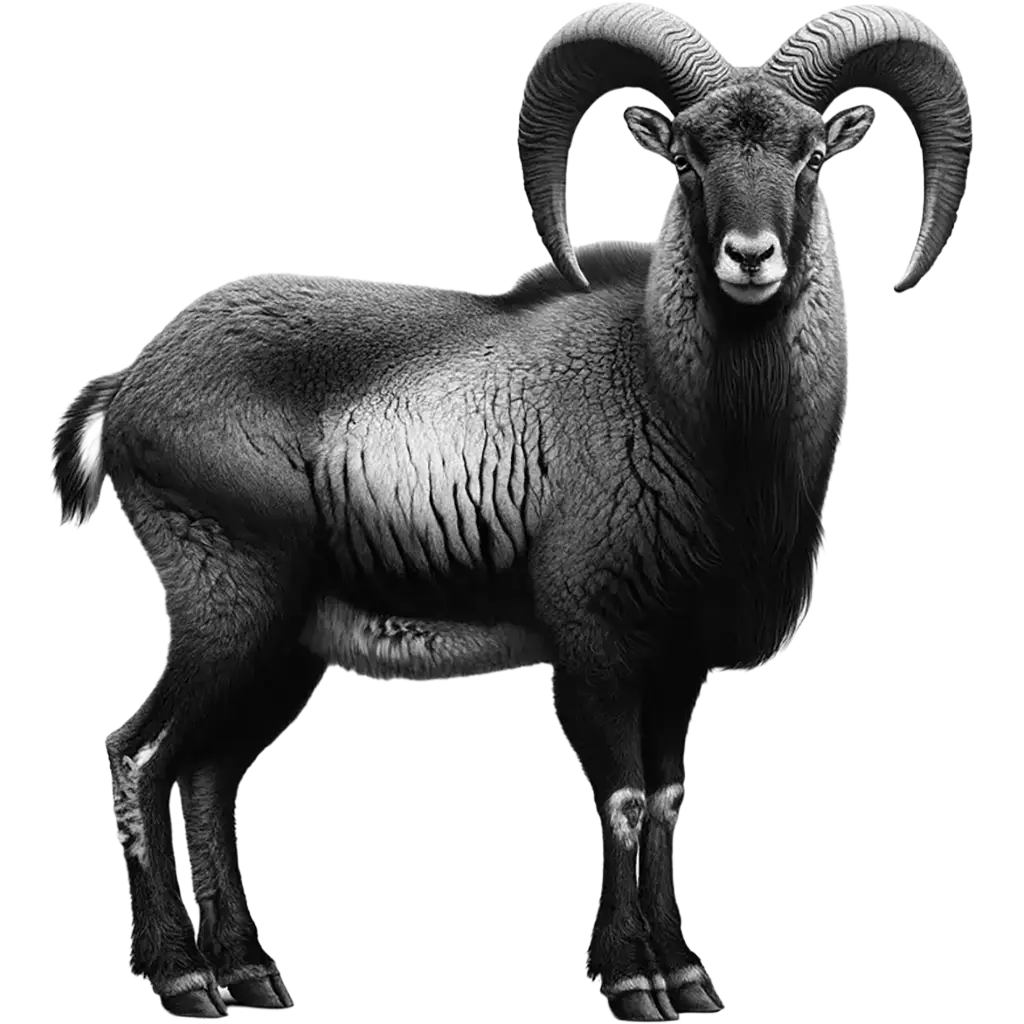
The Mouflon, ovis gmelini, is considered one of the ancestors of modern domestic sheep, distinguished by its rugged appearance and impressive horns. This wild sheep exhibits a short, brownish-red coat in summer that turns to a darker, thicker wool in winter, providing insulation against harsh climates. Males, or rams, boast