
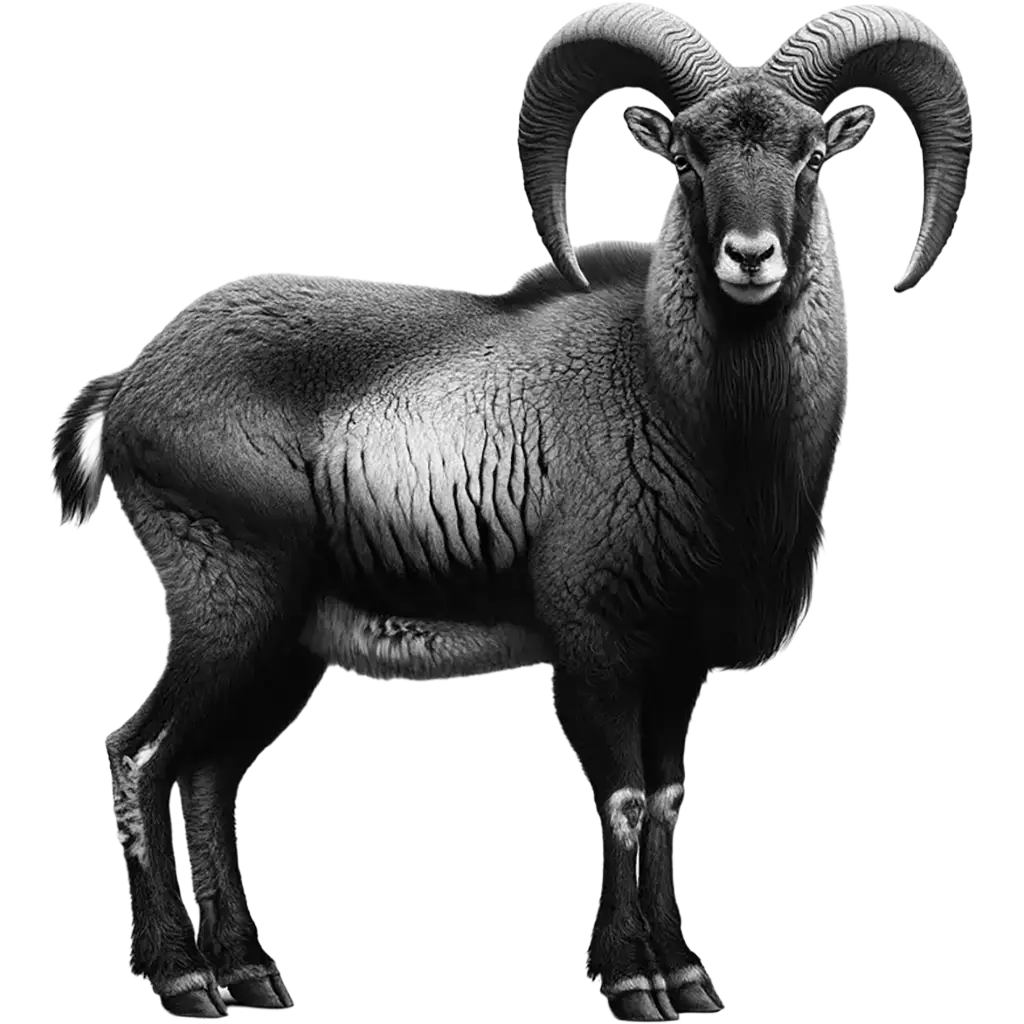
Ovis Gmelini
Mouflon
Mountainous regions, grasslands, and open woodlands
The Mouflon, ovis gmelini, is considered one of the ancestors of modern domestic sheep, distinguished by its rugged appearance and impressive horns. This wild sheep exhibits a short, brownish-red coat in summer that turns to a darker, thicker wool in winter, providing insulation against harsh climates. Males, or rams, boast large, spiraled horns that can grow over one meter in length, serving as symbols of their age and strength. Females may have smaller horns or none at all. Mouflons typically weigh between 50 to 100 kg, with males being significantly larger than females. Their compact, muscular build aids in navigating steep, rocky terrains with agility.
| Population: | Listed as Least Concern, but some subspecies and populations are threatened |
| Generation Length: | 5-6 years |
| Average Weight: | 30-50 kg |
| Average Length: | Body length: 120-150 cm, Height at the shoulder: 70-90 cm |
| Lifespan: | 10-13 years in the wild |
| Diet: | Primarily herbivorous, feeding on a wide range of vegetation |
| Conservation Status: | Near Threatened (NT) |
Mouflons are native to the mountainous regions of Southwest Asia and have been introduced to parts of Europe, where they inhabit dense forests, grasslands, and rocky outcrops. They are highly adaptable, demonstrating a preference for habitats that offer both cover and open areas for grazing. These animals are social, living in herds that provide protection from predators and facilitate breeding.
The diet of the Mouflon consists mainly of grasses, herbs, and leaves, with a particular preference for shoots and young plants. This grazing behavior plays a crucial role in shaping the vegetation of their habitats, promoting biodiversity by preventing overgrowth and encouraging new plant growth.
Reproduction in Mouflons follows a seasonal pattern, with the breeding season, or rut, occurring in the autumn. During this time, rams compete for access to ewes through displays of dominance, including clashing their horns. Females give birth to one or two lambs in the spring after a gestation period of about 5 months. The young are born precocial, able to stand and move shortly after birth, which is vital for their survival in predator-rich environments.
The population of the Mouflon is subject to fluctuation due to factors such as habitat loss, hunting, and competition with domestic livestock. While some populations are stable and even thriving in protected areas, others are considered vulnerable. Conservation efforts focus on habitat preservation, sustainable hunting regulations, and research into their ecology and genetics to ensure the continued survival of this important species, which contributes to the genetic diversity and ecological balance of their ecosystems.
Classifications
The Key Attributes
Features
- Movement:
Walking, running, climbing
- Territorial Behavior:
Social, forming herds with a complex hierarchy
- Speed:
Can run at speeds up to 50-60 km/h
- Diet:
Herbivore
- Physical Features:
- Compact, muscular body
- Males have large, curved horns; females may have smaller horns or none
- Short tail and a woolly coat, thicker in winter
- Strong legs adapted for mountainous terrain
- Primary Senses:
- Sight
- Hearing
- Smell
Understanding Habitat and Range
Geography
- Habitat:
Mountainous regions, grasslands, and open woodlands
- Migration Patterns:
Non-migratory, but may move seasonally within their range
- Geographical Range:
Originally found in Western Asia and parts of Eastern Europe; introduced to various parts of Europe and the Americas
- Climate Preferences:
Prefers temperate climates; well-adapted to rugged terrain and variable weather conditions
Navigating the Wilderness
In the wild
- Predators:
Large carnivores like wolves and bears, and humans
- Prey:
Not applicable
- Feeding Behavior:
Grazes on a variety of vegetation including grasses, herbs, and leaves
- Diet:
Primarily herbivorous, feeding on a wide range of vegetation
- Defensive Mechanisms:
- Agility in rocky terrain to escape predators
- Horns used in defense and during intraspecific competition
- Preferred Food Sources:
- Areas with abundant herbaceous vegetation and access to water
Insights Into Reproduction
Mating
- Mating System:
Polygynous
- Number of Offspring:
Usually one lamb, occasionally twins
- Gestation Period:
About 5 months
- Parental Involvement:
- Females care for the lambs, with weaning occurring at around 4-6 months
Youngsters Section
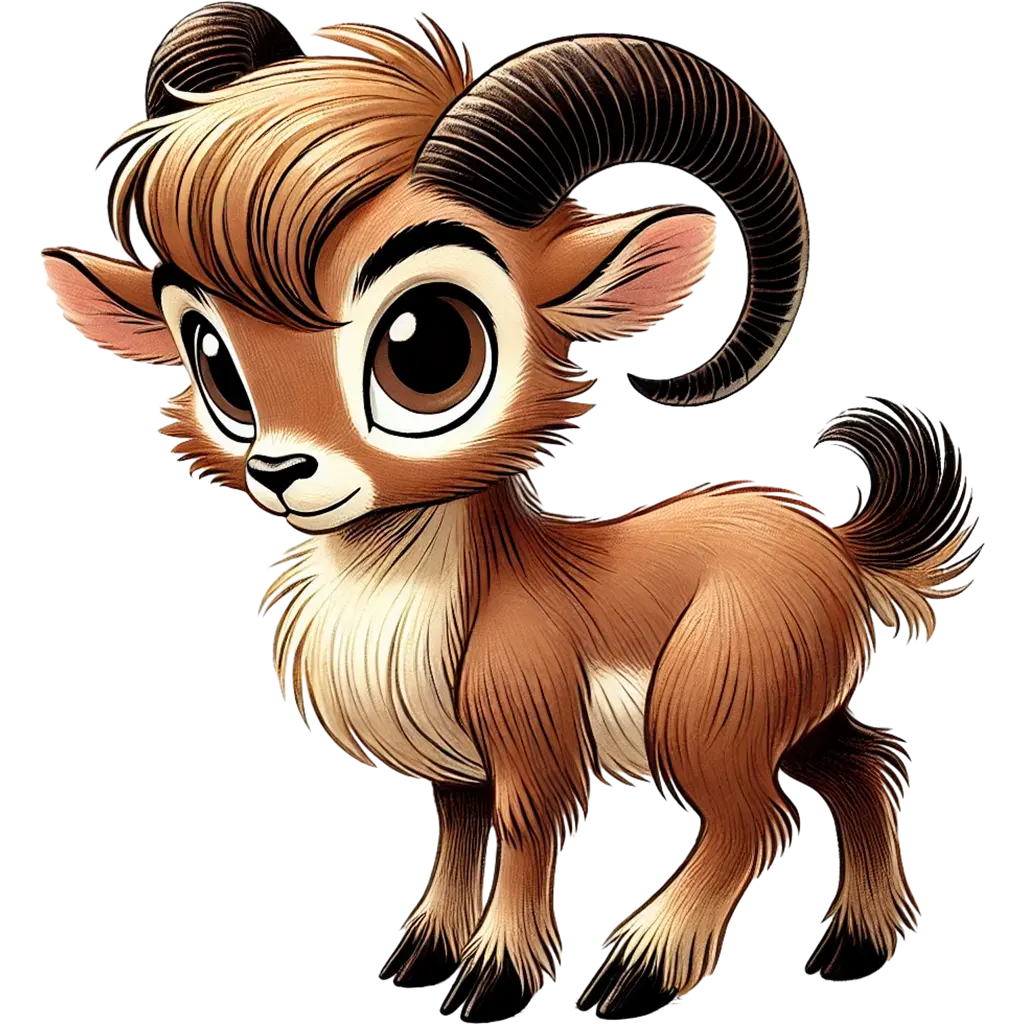
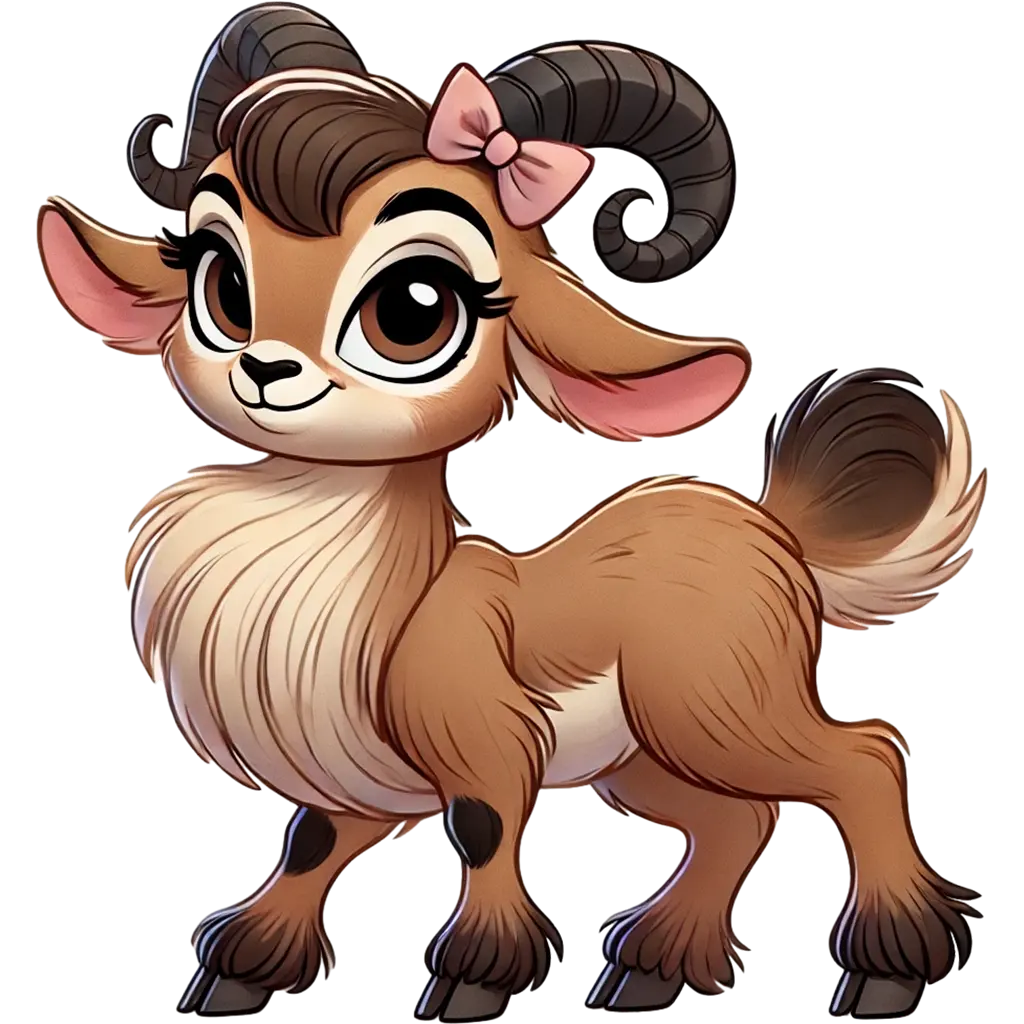
Mouflon
Fun Fact
Mouflons are considered one of the ancestors of domestic sheep. They have impressive spiral horns.
These wild sheep inhabit mountainous regions in Europe and Asia. Males can weigh up to 50 kg. Their horns, which can grow up to 85 cm, are used in dominance battles. Mouflons play a crucial role in their ecosystems by grazing, which helps maintain plant diversity and provides habitats for other species.

Download word search puzzles
Word Search Puzzles
Check Out Other Mammals
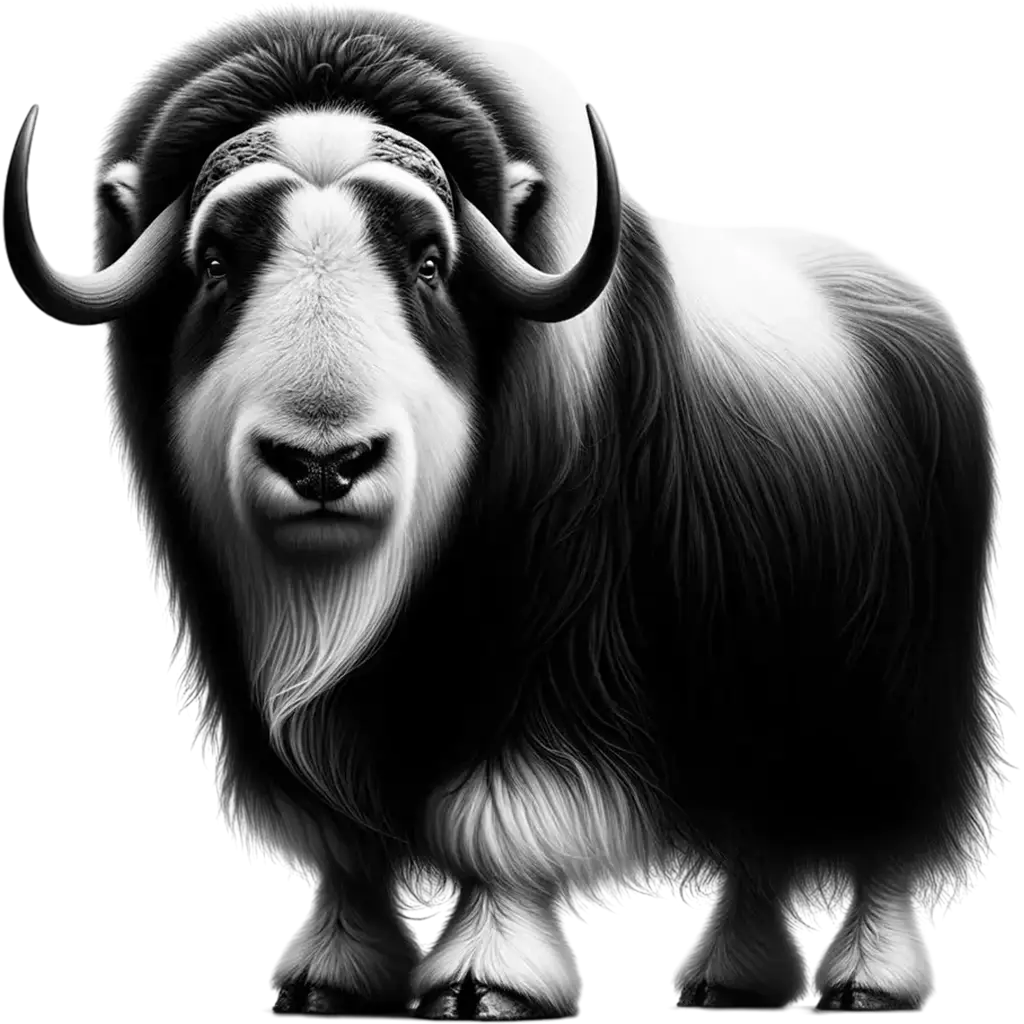
The Muskox, ovibos moschatus, is a robust, Arctic mammal known for its thick coat and strong, musky odor from which it derives its name. Adult Muskoxen can weigh between 200 to 400 kg and stand up to 1.5 meters tall at the shoulder. They exhibit a distinctive appearance with a
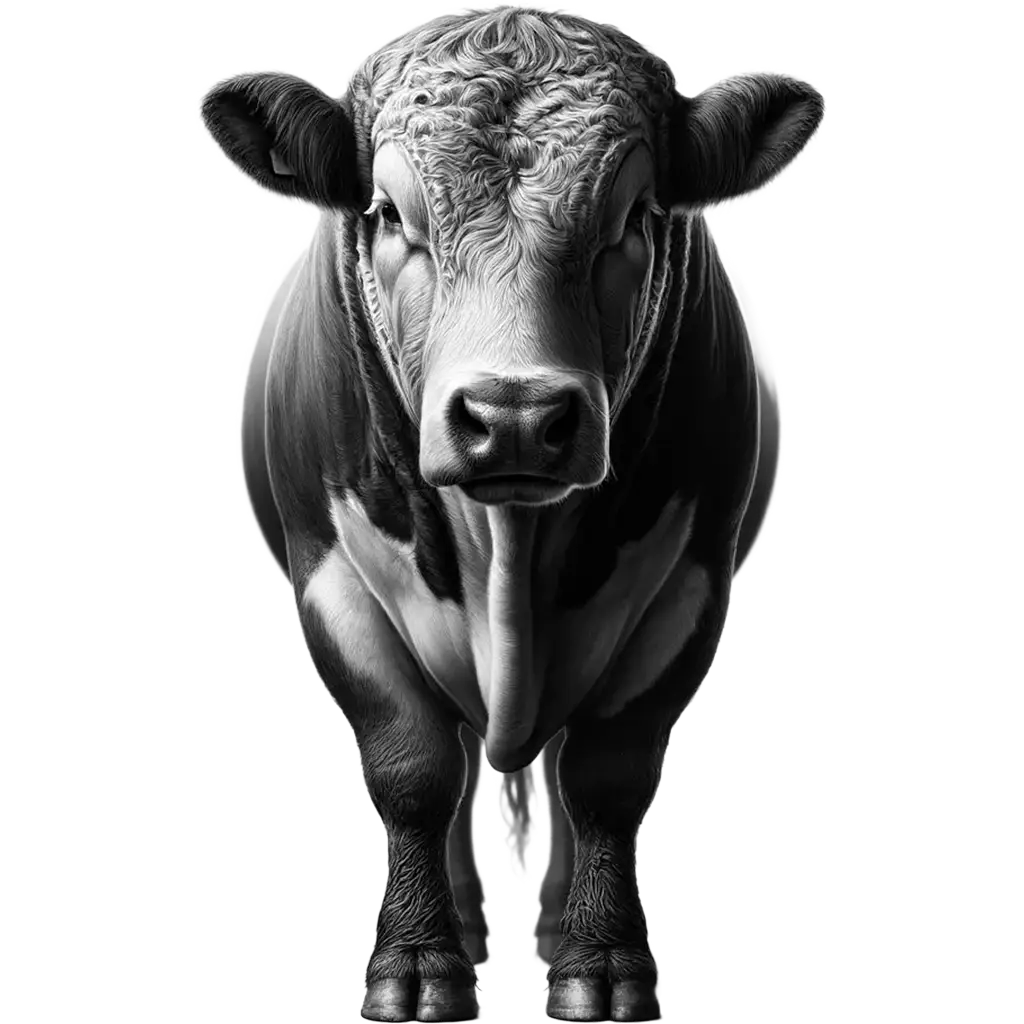
The Shorthorn breed of cattle, known for its diverse utility in both dairy and beef production, showcases a variety of coat colors including red, white, and the distinctive roan, which is a mix of the two. This medium to large-sized breed features a broad and deep body, strong legs, and
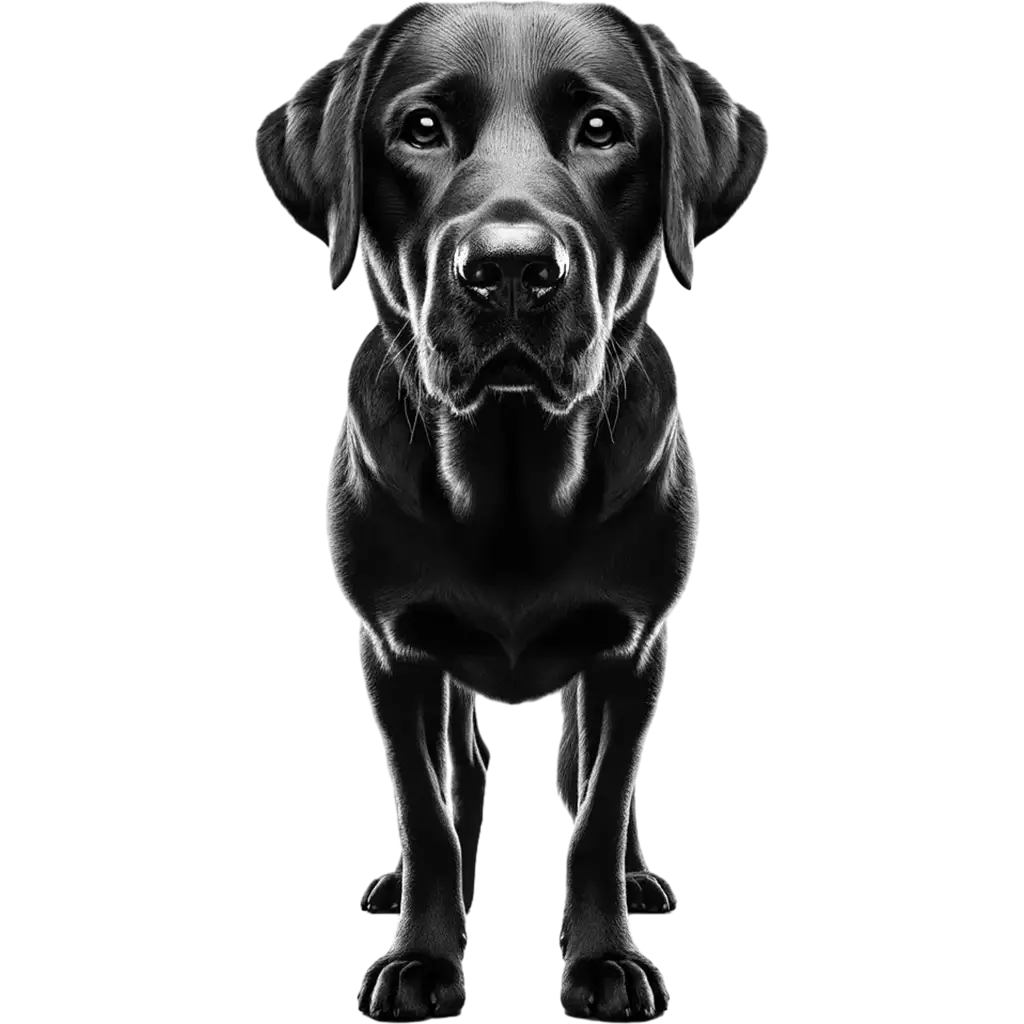
The Labrador Retriever, affectionately known as the Lab, is one of the most popular and recognizable dog breeds in the United States and many other countries. Originating from Newfoundland, Canada, Labs were initially used by fishermen to retrieve fishing nets and fish that escaped from hooks. Today, they are cherished
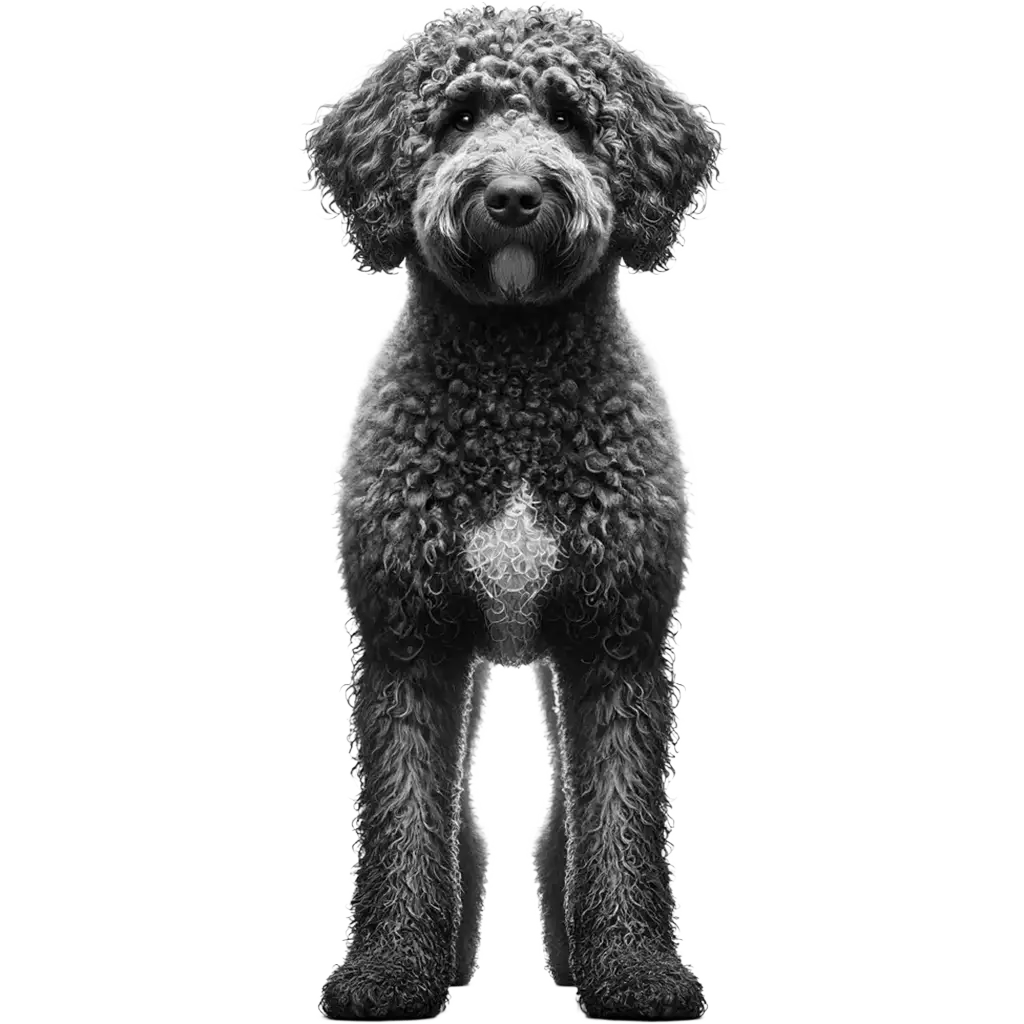
The Spanish Water Dog, a versatile and ancient breed, is known for its distinctive curly coat which is woolly in texture and forms tight curls. Originating from Spain, this medium-sized dog typically weighs between 18 to 22 kg for males and 14 to 18 kg for females, with a height