
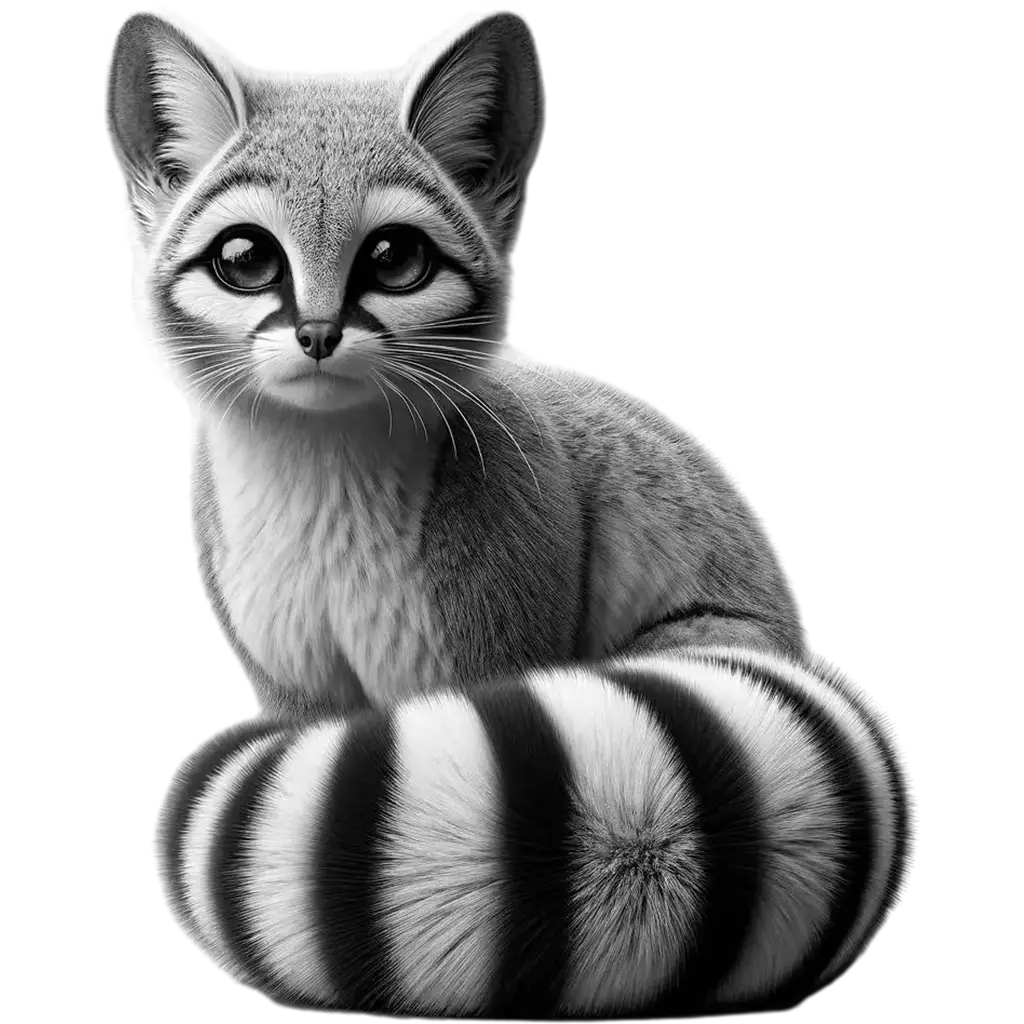
Bassariscus Astutus
Ringtail
Desert, rocky areas, canyons, scrubland, and forested regions
The Ringtail, bassariscus astutus, also known as the Ring-tailed Cat, is a small, nocturnal mammal native to the arid regions of North America, from the southwestern United States through Mexico. Despite its common name, the Ringtail is not a cat but belongs to the raccoon family, Procyonidae. Adults typically measure between 60 to 70 cm in length, including their long, bushy tail adorned with 14 to 16 black and white rings, which contributes to their distinctive appearance. They weigh between 0.7 to 1.5 kg, with males generally larger than females. Their agile bodies, large eyes, and rounded ears are well-adapted to their nocturnal lifestyle.
| Population: | Listed as Least Concern, with stable and widespread populations |
| Generation Length: | 2-3 years |
| Average Weight: | 0.8-1.5 kg |
| Average Length: | 60-100 cm, including the tail |
| Lifespan: | Up to 7 years in the wild |
| Diet: | Highly varied, including fruits, berries, insects, small animals, and birds |
| Conservation Status: | Least Concern (LC) |
Ringtails inhabit a variety of desert and forested environments, including rocky canyons, scrublands, and pinyon-juniper forests, where they can be found in hollow trees, crevices, and abandoned buildings. They are solitary and highly territorial animals, known for their remarkable climbing abilities, which allow them to navigate steep cliffs and trees with ease.
The diet of the Ringtail is omnivorous, including fruits, berries, insects, small mammals, birds, and reptiles. Their varied diet and ability to adapt to different food sources play a crucial role in their survival in diverse habitats. Ringtails are also known to consume carrion and are capable of opening eggs, which adds to their dietary versatility.
Reproduction in Ringtails typically occurs once a year, with females giving birth to a litter of two to four young after a gestation period of about 45 to 50 days. The young are born in secluded dens and are cared for by the mother, becoming independent at around four months of age. The species demonstrates a high degree of parental care, which is essential for the survival of the offspring in their early stages of life.
The population of the Ringtail is considered stable across its range, although it faces threats from habitat loss and fragmentation. Their elusive nature and nocturnal habits make them difficult to study, but they are not currently listed as endangered or threatened. Conservation efforts are focused on preserving their natural habitats and ensuring that populations remain healthy and sustainable. The Ringtail's role in controlling insect and rodent populations highlights its importance in maintaining ecological balance.
Classifications
The Key Attributes
Features
- Movement:
Climbing, walking
- Territorial Behavior:
Solitary and nocturnal, with well-defined home ranges
- Speed:
Agile and quick, especially in trees
- Diet:
Omnivore
- Physical Features:
- Long, bushy, banded tail
- Pointed muzzle and large, rounded ears
- Agile body with sharp, retractable claws for climbing
- Soft, grayish fur with a whitish underbelly
- Primary Senses:
- Hearing
- Sight
- Smell
Understanding Habitat and Range
Geography
- Habitat:
Desert, rocky areas, canyons, scrubland, and forested regions
- Migration Patterns:
Non-migratory, but individuals may roam within a large home range
- Geographical Range:
Southwestern United States, Mexico, and Central America
- Climate Preferences:
Adaptable to various climates, from arid deserts to mountainous forests
Navigating the Wilderness
In the wild
- Predators:
Owls, coyotes, bobcats, and other larger predators
- Prey:
Small vertebrates, invertebrates, and various plant materials
- Feeding Behavior:
Feeds on a variety of foods including fruits, insects, small mammals, birds, and reptiles
- Diet:
Highly varied, including fruits, berries, insects, small animals, and birds
- Defensive Mechanisms:
- Excellent climbing ability to escape predators
- Nocturnal habits reduce risk of predation
- Can use its strong odor as a deterrent
- Preferred Food Sources:
- Diverse habitats with ample food variety
Insights Into Reproduction
Mating
- Mating System:
Presumed monogamous
- Number of Offspring:
2-4 young
- Gestation Period:
About 45-50 days
- Parental Involvement:
- Both parents are believed to care for the young in dens or nests
Youngsters Section
Ringtail
Fun Fact
Ringtails are nocturnal creatures known for their excellent climbing abilities and long, bushy tails.
These small mammals are often mistaken for cats but are actually more closely related to raccoons. They have a remarkable ability to rotate their hind feet 180 degrees, which helps them navigate steep cliffs and narrow ledges with ease. Ringtails were historically used by miners and settlers to control rodent populations, earning them the nickname "miner's cat."

Download word search puzzles
Word Search Puzzles


Check Out Other Mammals
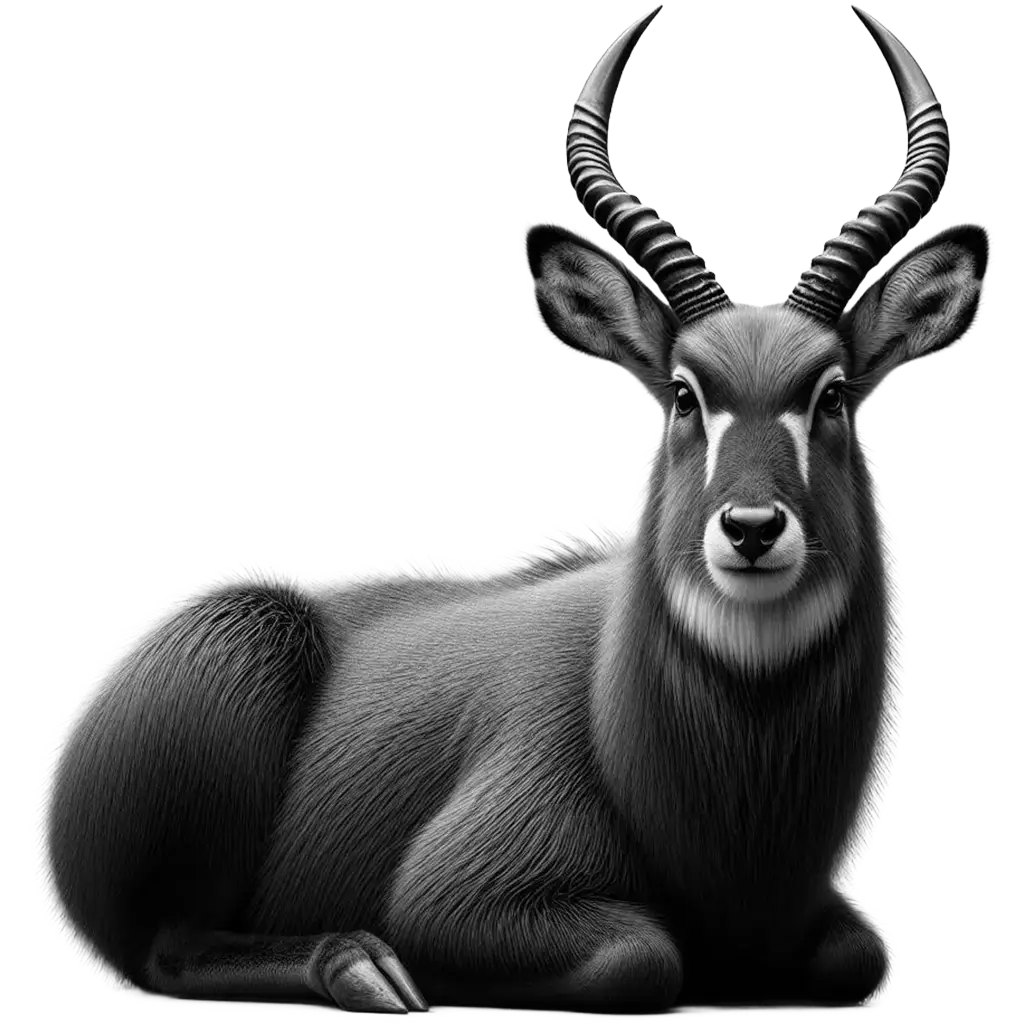
The Cape Bushbuck, tragelaphus sylvaticus, is a medium-sized, elusive antelope found in the forests and bushlands of Sub-Saharan Africa. Adult bushbucks stand about 70 to 90 centimeters (27 to 35 inches) at the shoulder and weigh between 40 to 80 kilograms (88 to 176 pounds), with males being significantly larger
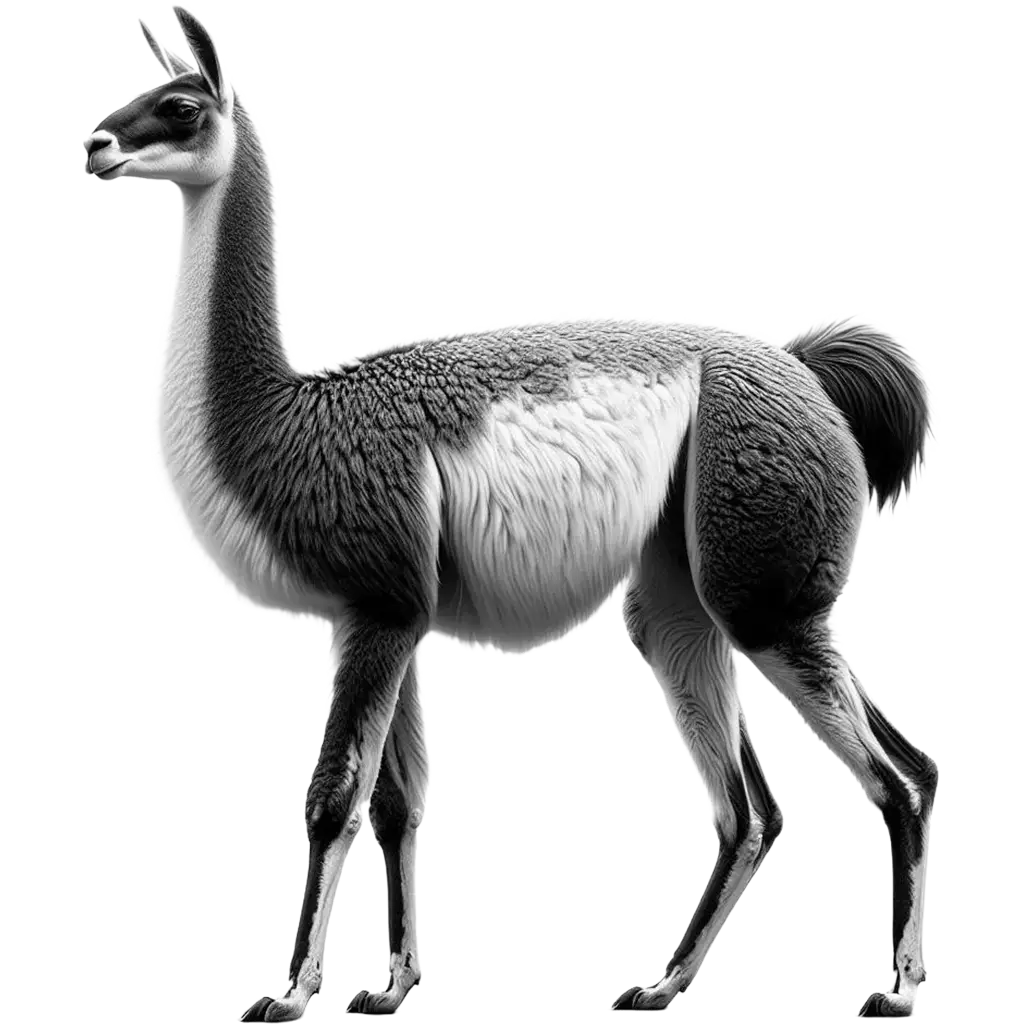
The Guanaco, lama guanicoe, is a camelid native to South America, closely related to the domesticated llama and a wild ancestor to the alpaca. Adult Guanacos stand about 1 to 1.2 meters (3.3 to 3.9 feet) at the shoulder and weigh between 90 to 140 kilograms (200 to 310 pounds).
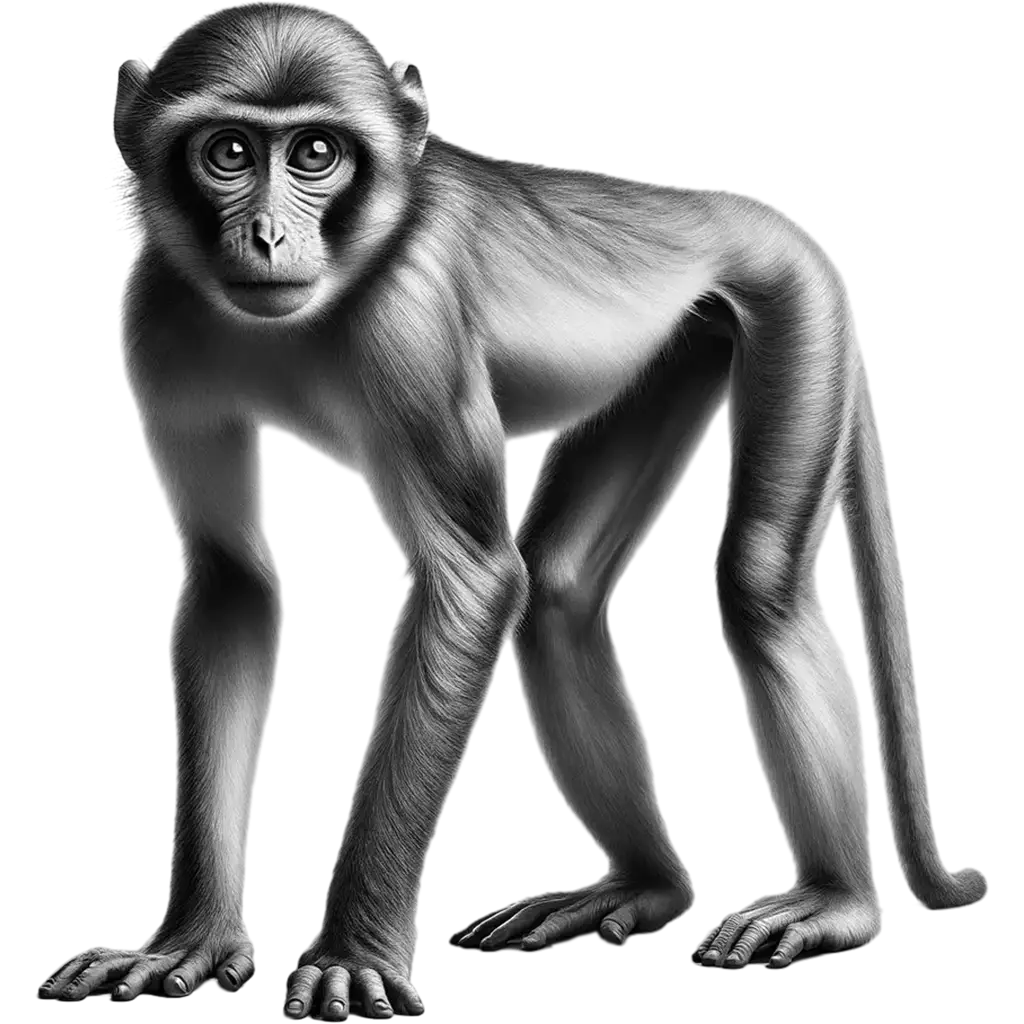
The Barbary Macaque, Macaca sylvanus, also known as the Barbary Ape despite being a true monkey, holds the distinction of being the only primate aside from humans to live freely in Europe, particularly in the British Overseas Territory of Gibraltar, as well as in fragmented forested areas in the Atlas
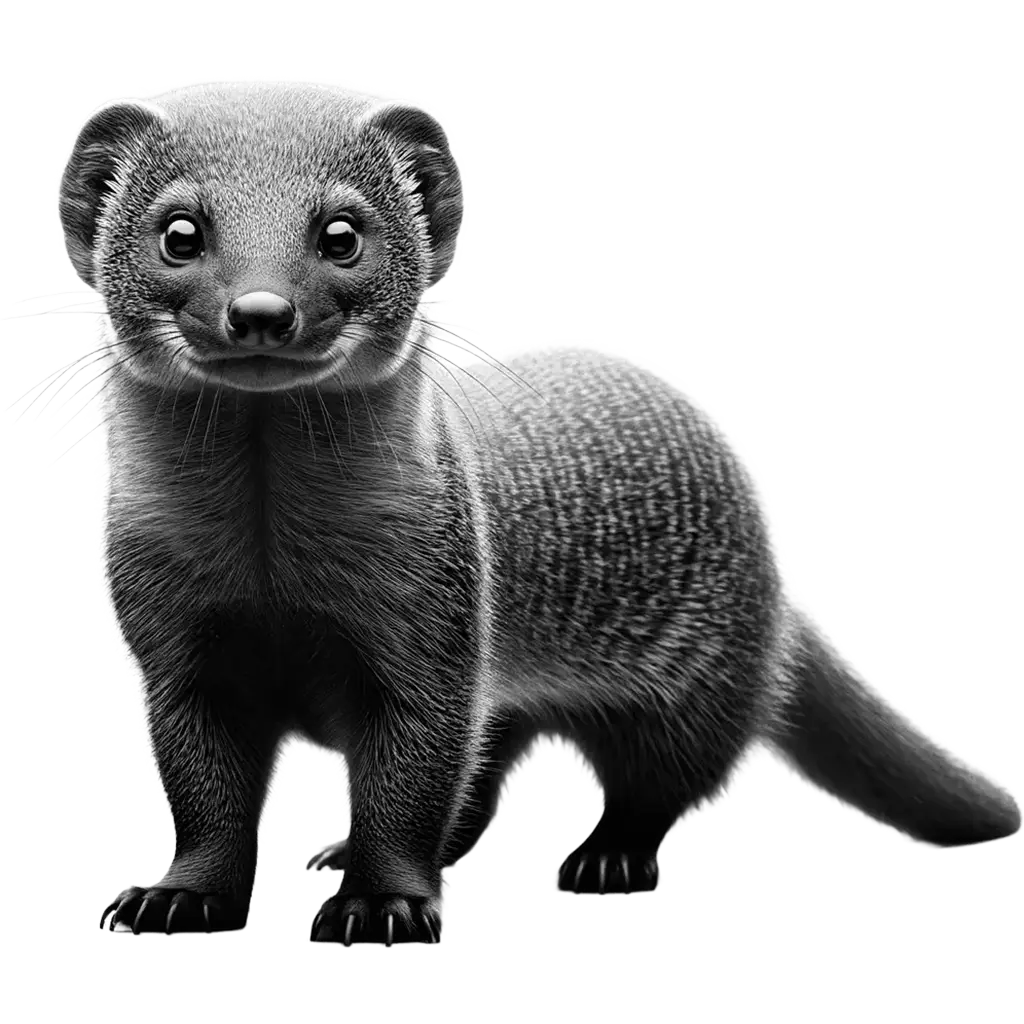
The Indian Brown Mongoose, urva fusca, previously known as Herpestes fuscus, is a small, elusive mammal native to the forests and shrublands of southern India and Sri Lanka. This species is characterized by its dark brown or reddish-brown fur, which helps it blend into the forest floor. It has a