
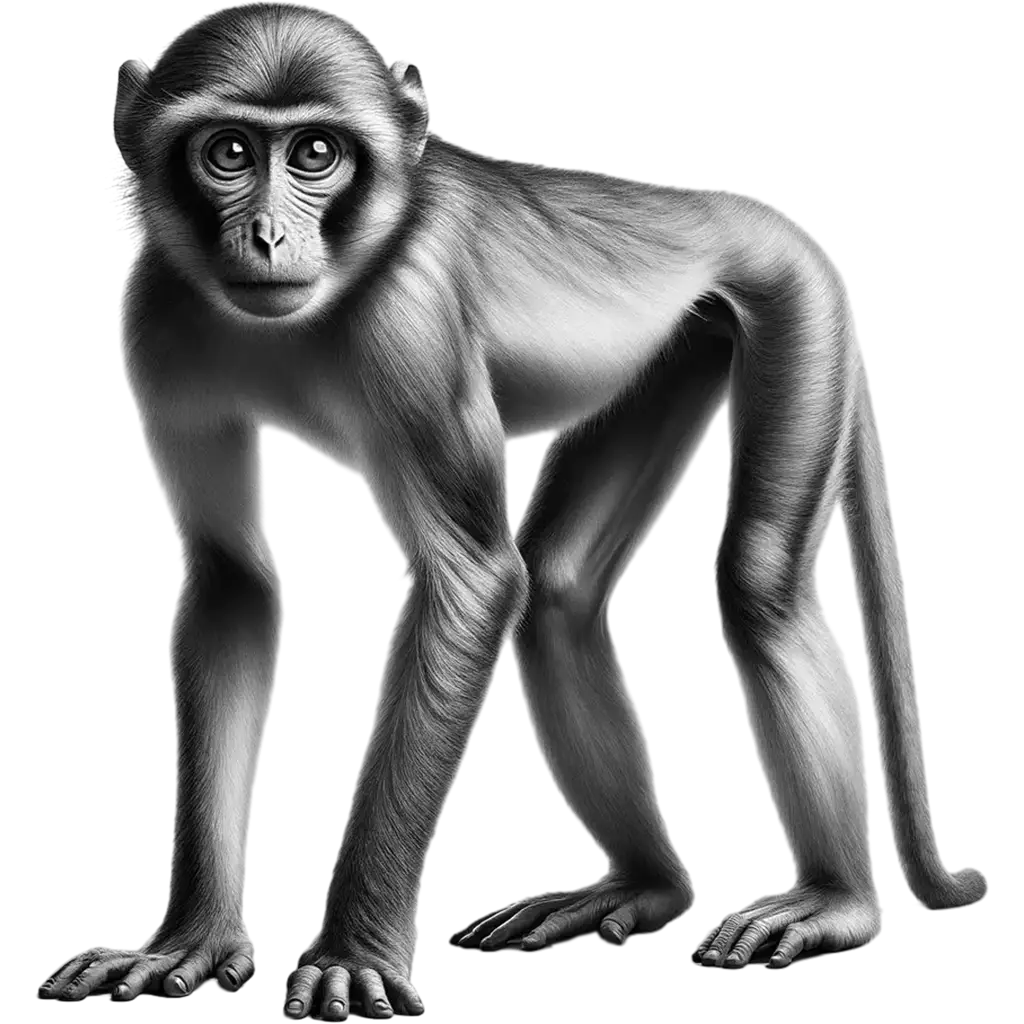
Macaca Sylvanus
Barbary Macaque
Mountainous regions and forests
The Barbary Macaque, Macaca sylvanus, also known as the Barbary Ape despite being a true monkey, holds the distinction of being the only primate aside from humans to live freely in Europe, particularly in the British Overseas Territory of Gibraltar, as well as in fragmented forested areas in the Atlas Mountains of Algeria and Morocco. This species is notable for its lack of a tail and its thick, yellow-brown to grey fur, which helps it withstand the cold mountain climates. Adult Barbary Macaques typically weigh between 10 to 15 kilograms and have a stout body with a broad, muscular face that showcases expressive brown eyes, surrounded by a fringe of fur, giving them a distinctive, somewhat pensive appearance.
| Population: | Endangered, with a declining trend |
| Generation Length: | 5-6 years |
| Average Weight: | 10-15 kg |
| Average Length: | 55-70 cm |
| Lifespan: | 20-30 years in the wild, up to 40 years in captivity |
| Diet: | Fruits, leaves, seeds, insects, small vertebrates |
| Conservation Status: | Endangered (EN) |
Barbary Macaques are highly social and adaptable, living in mixed-gender troops that can number from 10 to over 100 individuals. Their social structure is matriarchal, with females forming the core of the group and males moving in and out. These monkeys are known for their unique rearing practices, where males play a significant role in the care and socialization of the young, a trait that is rare among primates. The macaques spend their time foraging, grooming, and engaging in complex social interactions within the dense forests and rugged terrain of their habitat, which provides them with cover and food sources.
The diet of the Barbary Macaque primarily consists of plants and insects, including leaves, roots, fruits, and seeds, supplemented by invertebrates. This varied diet reflects the macaques' ability to adapt to the seasonal availability of food in their mountainous habitats. During leaner months, they may travel great distances in search of sustenance, demonstrating their resilience and adaptability to different environmental conditions.
Mating among Barbary Macaques does not follow a strict seasonal pattern, although births tend to peak in the spring. The social dynamics of the troop play a significant role in mating behavior, with higher-ranking males having better access to receptive females. Gestation lasts approximately 5 to 6 months, leading to the birth of a single offspring. The communal care of young by both sexes enhances the survival rates of infants and reinforces social bonds within the troop.
The Barbary Macaque is currently listed as Endangered by the IUCN, facing threats from habitat destruction, illegal pet trade, and hunting. The fragmentation of their natural habitat has led to isolated populations that are vulnerable to extinction. Conservation efforts are focused on habitat preservation, law enforcement to combat illegal trade, and public education to raise awareness about the species' plight. International cooperation is crucial for the conservation of the Barbary Macaque, ensuring the protection of this unique primate and its habitat for future generations.
Classifications
The Key Attributes
Features
- Movement:
Quadrupedal
- Territorial Behavior:
Highly social, living in large troops with complex social structures
- Speed:
Agile climbers and can move quickly through trees and on ground
- Diet:
Omnivore
- Physical Features:
- Short tail
- Thick fur
- Pink face without fur
- Males larger than females
- Primary Senses:
- Sight
- Hearing
- Touch
Understanding Habitat and Range
Geography
- Habitat:
Mountainous regions and forests
- Migration Patterns:
Non-migratory, but may move locally with seasonal changes in food availability
- Geographical Range:
Limited to the Atlas Mountains of Algeria and Morocco, and a small population in Gibraltar
- Climate Preferences:
Temperate, with a preference for wooded and rocky areas
Navigating the Wilderness
In the wild
- Predators:
Large birds of prey and feral dogs
- Prey:
Insects, small vertebrates
- Feeding Behavior:
Diurnal, forages for a variety of foods including fruits, leaves, and insects
- Diet:
Fruits, leaves, seeds, insects, small vertebrates
- Defensive Mechanisms:
- Group defense
- Flight into trees
- Preferred Food Sources:
- Fruits
- Leaves
- Seeds
Insights Into Reproduction
Mating
- Mating System:
Promiscuous
- Number of Offspring:
Usually 1, rarely twins
- Gestation Period:
147-192 days
- Parental Involvement:
- Both males and females care for the young, a rarity among primates
Youngsters Section
Barbary Macaque
Fun Fact
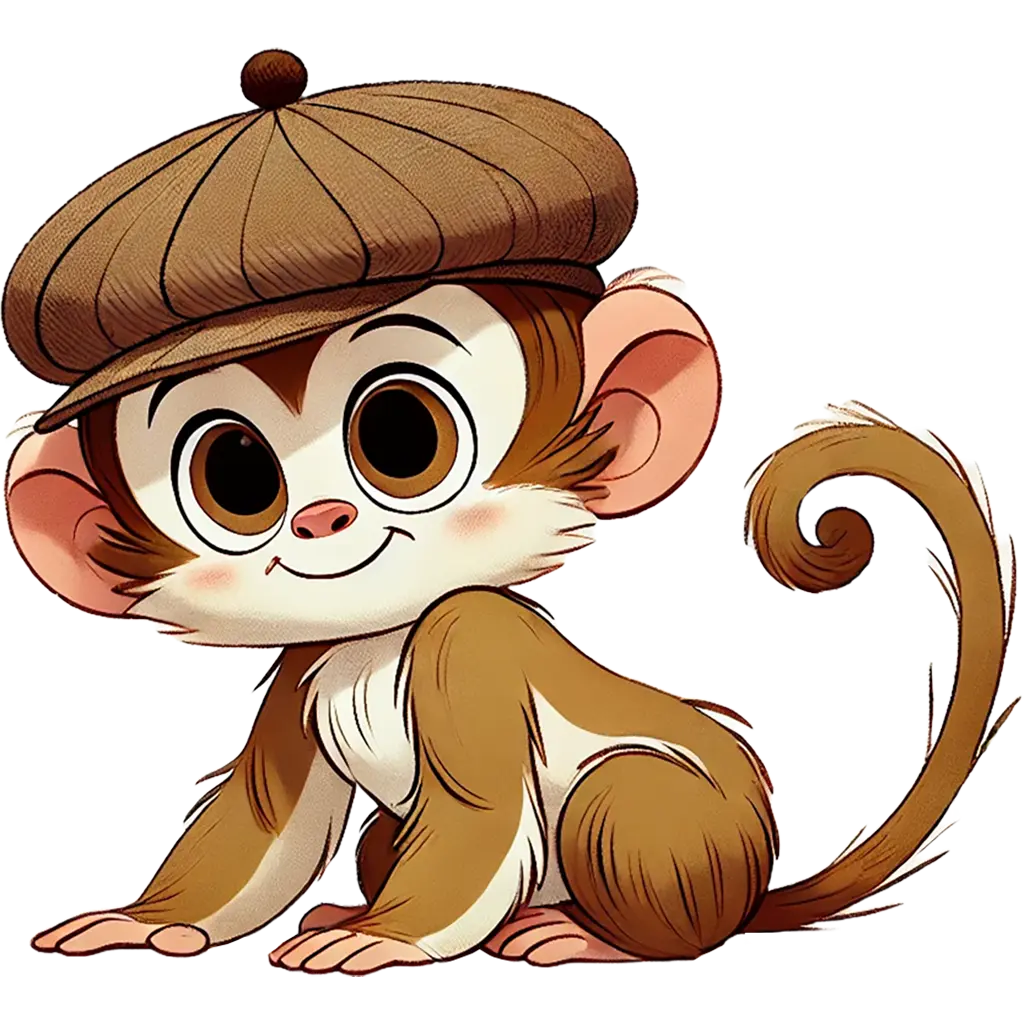
Barbary macaques, found in North Africa, are unique as they are the only macaque species outside Asia.
These macaques are known for their strong social bonds. Males often care for infants, which strengthens male alliances and decreases tension. The species is also notable for lacking a tail, unlike other macaques. In Gibraltar, a small population of Barbary macaques exists, making them the only wild monkeys in Europe.

Download word search puzzles
Word Search Puzzles

Check Out Other Mammals
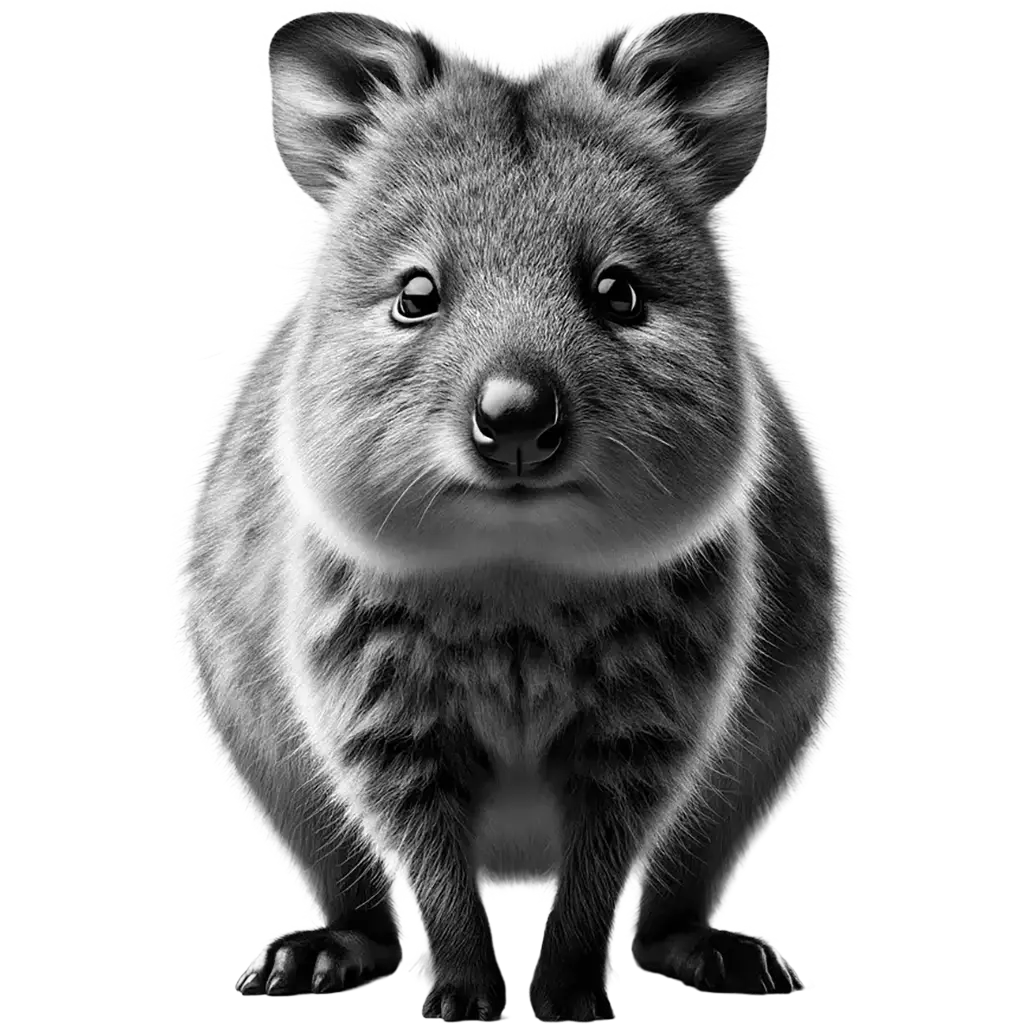
The Quokka, setonix brachyurus, is a small marsupial native to small islands off the coast of Western Australia, most notably Rottnest Island, as well as some areas in the mainland's southwestern part. Recognizable by its compact, rounded body, the Quokka is roughly the size of a domestic cat, with adults
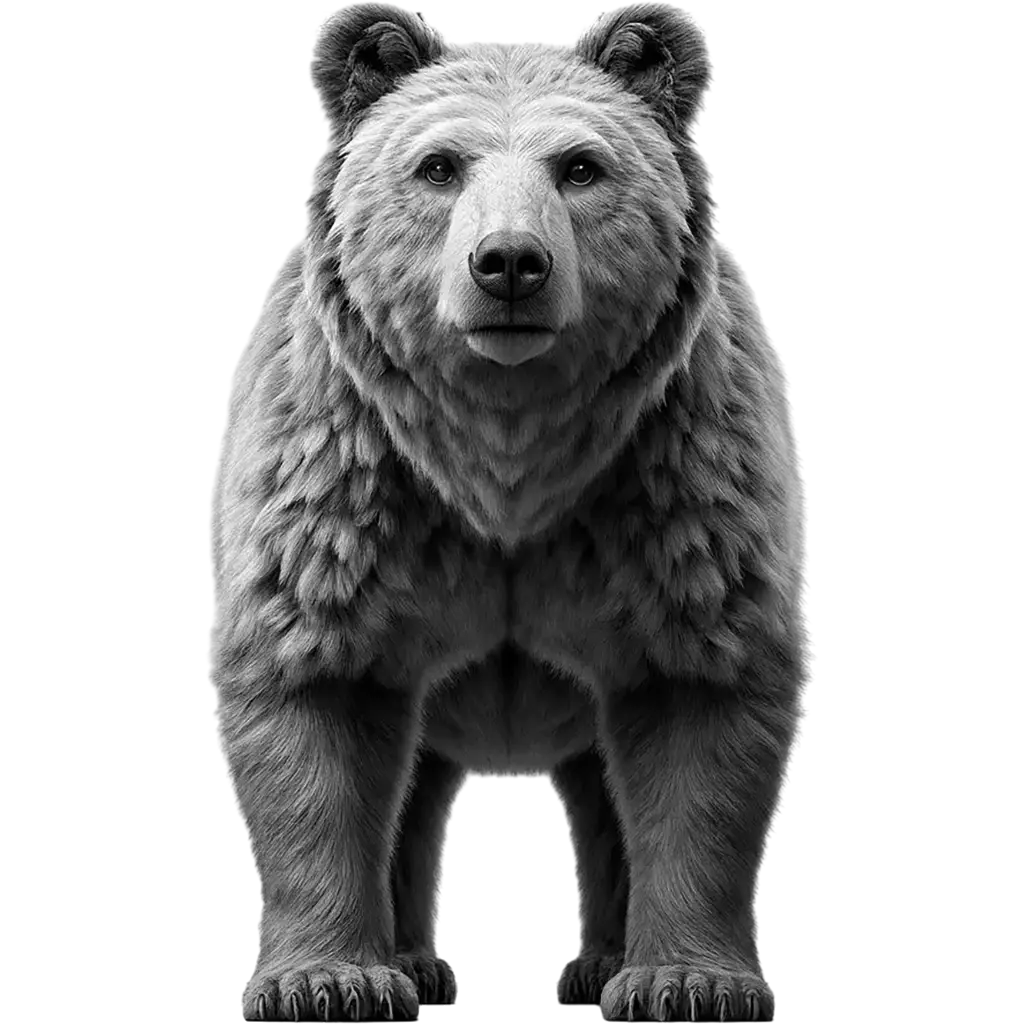
The Syrian Brown Bear, ursus arctos syriacus, is a subspecies of the brown bear that once roamed the Middle East, from Turkey to Iran, including parts of Syria, Iraq, and the Caucasus region. Characterized by its relatively small size compared to other brown bear subspecies, adults can weigh between 90
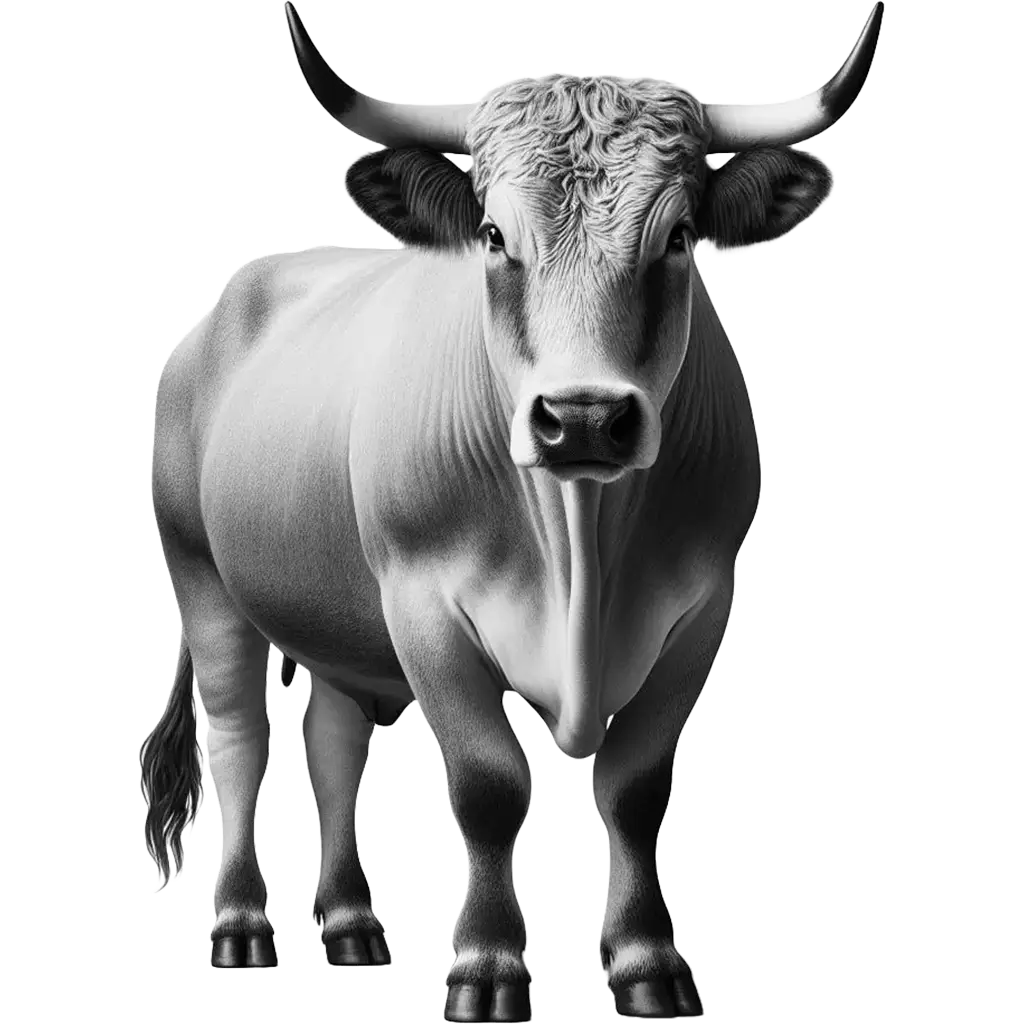
The Hungarian Grey, also known as the Hungarian steppe cattle, is a majestic breed of domestic cattle renowned for its striking appearance and hardy nature. Characterized by its uniform grey coat, which can range from a light silver to a darker ash grey, this breed presents an imposing figure. Adult
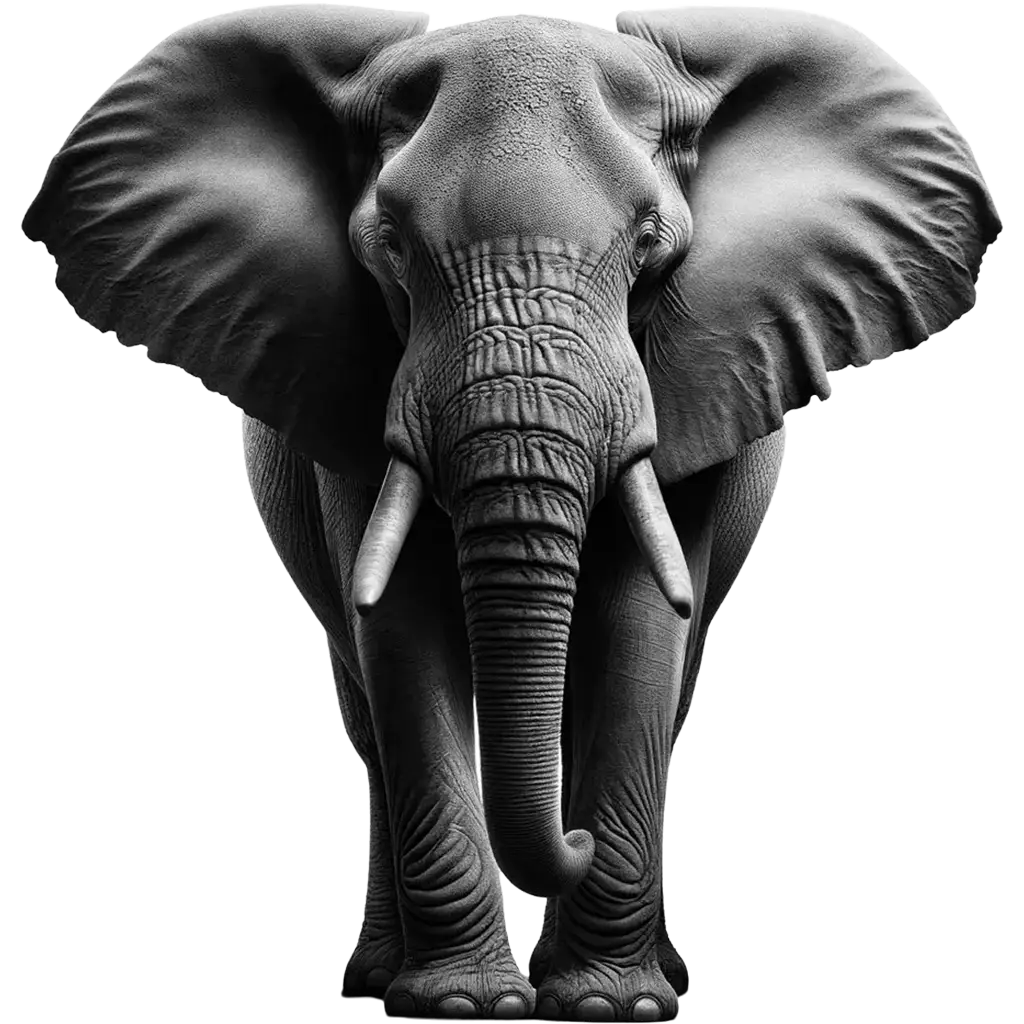
The African Forest Elephant, loxodonta cyclotis, is the smaller of the two African elephant species, distinguished by its more rounded ears and straighter tusks, which are thinner and downward pointing compared to those of its savannah cousin. Adults typically stand 2.5 meters tall at the shoulder, making them smaller than