
Canis Lupus
Azawakh
Originally bred for hunting in the arid regions of the Sahel
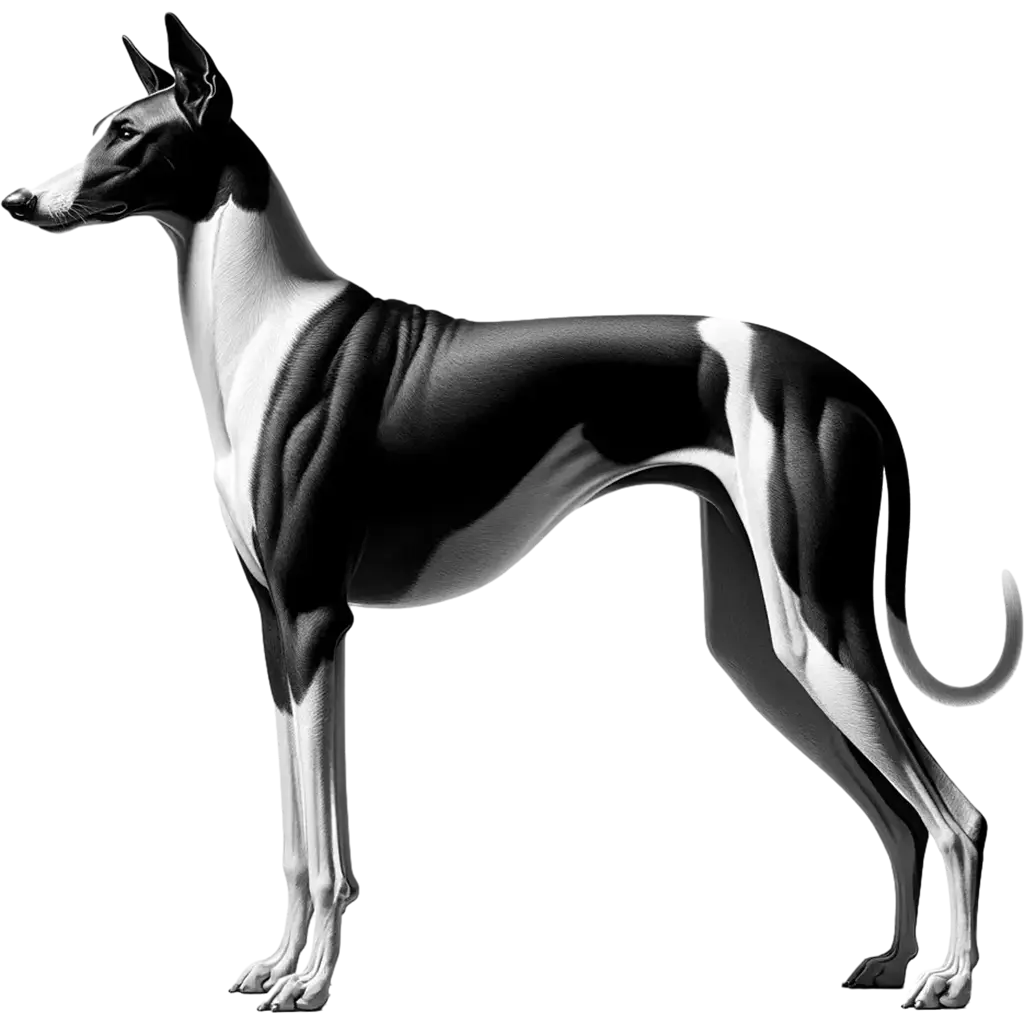
The Azawakh, a sighthound breed originating from the West African countries of Mali, Niger, and Burkina Faso, is distinguished by its elegant and slender build. Adult Azawakhs typically stand between 60 to 74 cm tall at the shoulder, weighing around 15 to 25 kg. Their physique is characterized by a deep chest, long legs, and a short, fine coat that comes in a variety of colors including fawn, brindle, and red. The breed is known for its distinctive, almost cat-like gait and an aloof but affectionate demeanor towards its owners.
| Population: | Relatively rare outside of its native region |
| Generation Length: | 3-4 years |
| Average Weight: | 15-25 kg |
| Average Length: | 64-74 cm in height at the shoulder |
| Lifespan: | 10-12 years |
| Diet: | Domesticated, typically fed a diet appropriate for dogs with high activity levels |
| Conservation Status: | Not Evaluated (NE) |
Azawakhs are traditionally used by nomadic tribes for hunting gazelles and other fleet-footed prey across the Sahel region, showcasing their incredible speed, agility, and endurance. They are capable of reaching speeds up to 64 kilometers per hour (40 miles per hour), making them one of the fastest dog breeds. Despite their hunting prowess, Azawakhs are also valued companions, known for their loyalty and protective nature.
The breed's diet, in a traditional context, consists mainly of the food available in their arid homeland, including millet, goat meat, and leftovers from their owners. Modern Azawakhs may be fed a high-quality commercial or raw diet tailored to their specific health needs and energy levels.
Reproduction in Azawakhs is similar to other dog breeds, with careful consideration given to health screenings and genetic diversity to prevent hereditary conditions. Litters typically range from 4 to 6 puppies, which are remarkably slender at birth but quickly grow into their elegant adult form.
The population of the Azawakh is relatively small outside its native region, making it a rare breed in Europe and North America. Despite this, it has a devoted following among enthusiasts who appreciate its grace, speed, and unique cultural heritage. Conservation efforts for the breed focus on maintaining its genetic health and promoting responsible breeding practices to ensure its survival and well-being.
Classifications
The Key Attributes
Features
- Movement:
Running
- Territorial Behavior:
Often loyal and protective of their owners
- Speed:
Can reach speeds of up to 64 km/h (40 mph)
- Diet:
Carnivore
- Physical Features:
- Slim, elegant build typical of sighthounds
- Long, slender legs and a deep chest
- Fine, short coat with a variety of colors, often with white markings
- Long, narrow head and high-set ears
- Primary Senses:
- Sight
- Hearing
- Smell
Understanding Habitat and Range
Geography
- Habitat:
Originally bred for hunting in the arid regions of the Sahel
- Migration Patterns:
Non-migratory, but has been spread by human relocation
- Geographical Range:
Native to West Africa, particularly in countries like Mali, Niger, and Burkina Faso
- Climate Preferences:
Adapted to hot, dry climates but can adjust to various environments
Navigating the Wilderness
In the wild
- Predators:
Few natural predators due to domestication
- Prey:
Not applicable
- Feeding Behavior:
As domestic animals, they are fed a controlled diet by their owners
- Diet:
Domesticated, typically fed a diet appropriate for dogs with high activity levels
- Defensive Mechanisms:
- Speed and agility to escape threats
- Barking and alert behavior to warn of danger
- Preferred Food Sources:
- Commercial dog foods or diets formulated for high-energy breeds
Insights Into Reproduction
Mating
- Mating System:
Managed breeding in domesticated settings
- Number of Offspring:
4-6 puppies
- Gestation Period:
Approximately 60-65 days
- Parental Involvement:
- Human breeders or owners usually provide care for both the female and her puppies
Youngsters Section
Azawakh
Fun Fact
The Azawakh is a slender, elegant sighthound known for its speed and agility, originating from West Africa.
Traditionally used by the Tuareg nomads for hunting and guarding, Azawakhs are deeply loyal and protective. These hounds have a unique gait and can reach speeds of up to 40 mph. Despite their lean appearance, they are strong and resilient, thriving in harsh desert conditions. They form strong bonds with their families, often displaying aloofness towards strangers.

Download word search puzzles
Word Search Puzzles
Check Out Other Mammals
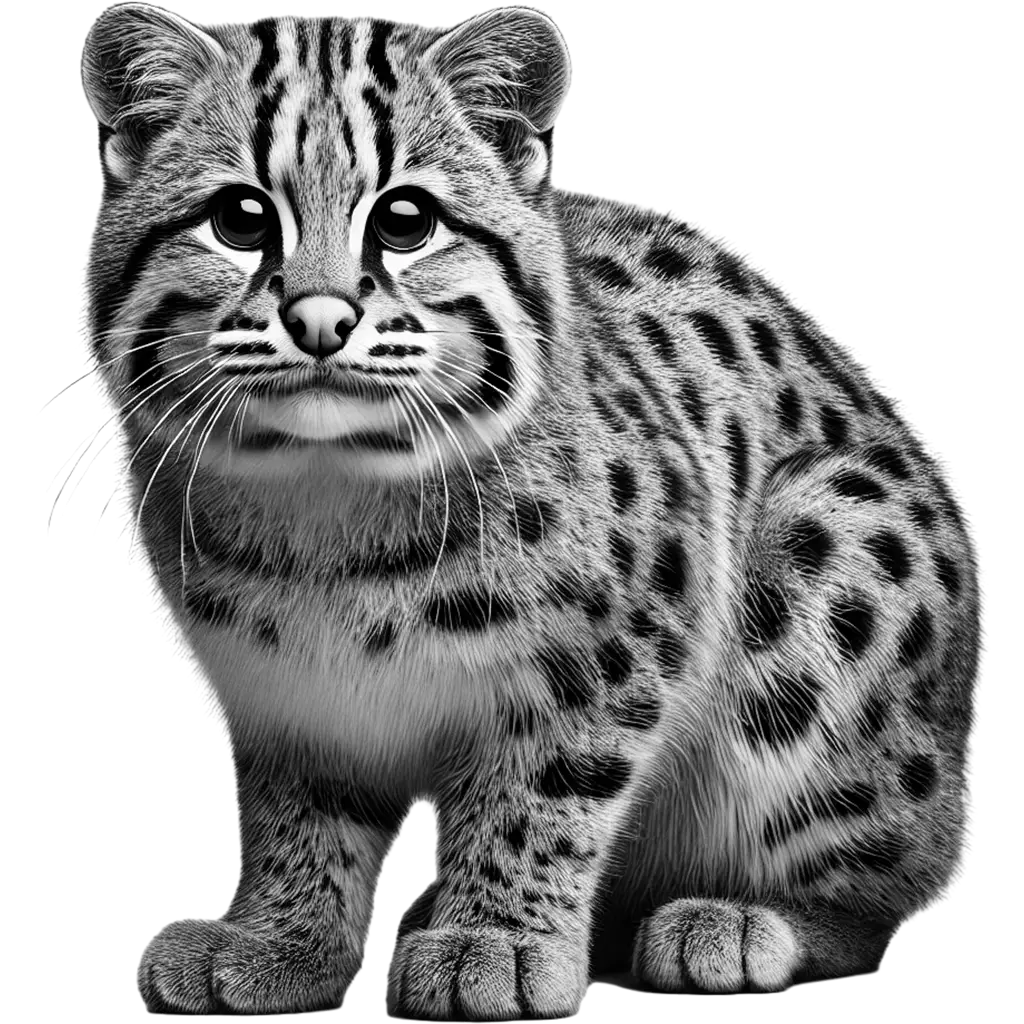
Fishing Cats are medium-sized wild cats with a robust, muscular build and dense tawny fur accented by subtle markings. They feature large, rounded ears, a broad head, and partially webbed paws that aid in swimming. A long, tapering tail provides balance during agile maneuvers on both land and water. Their
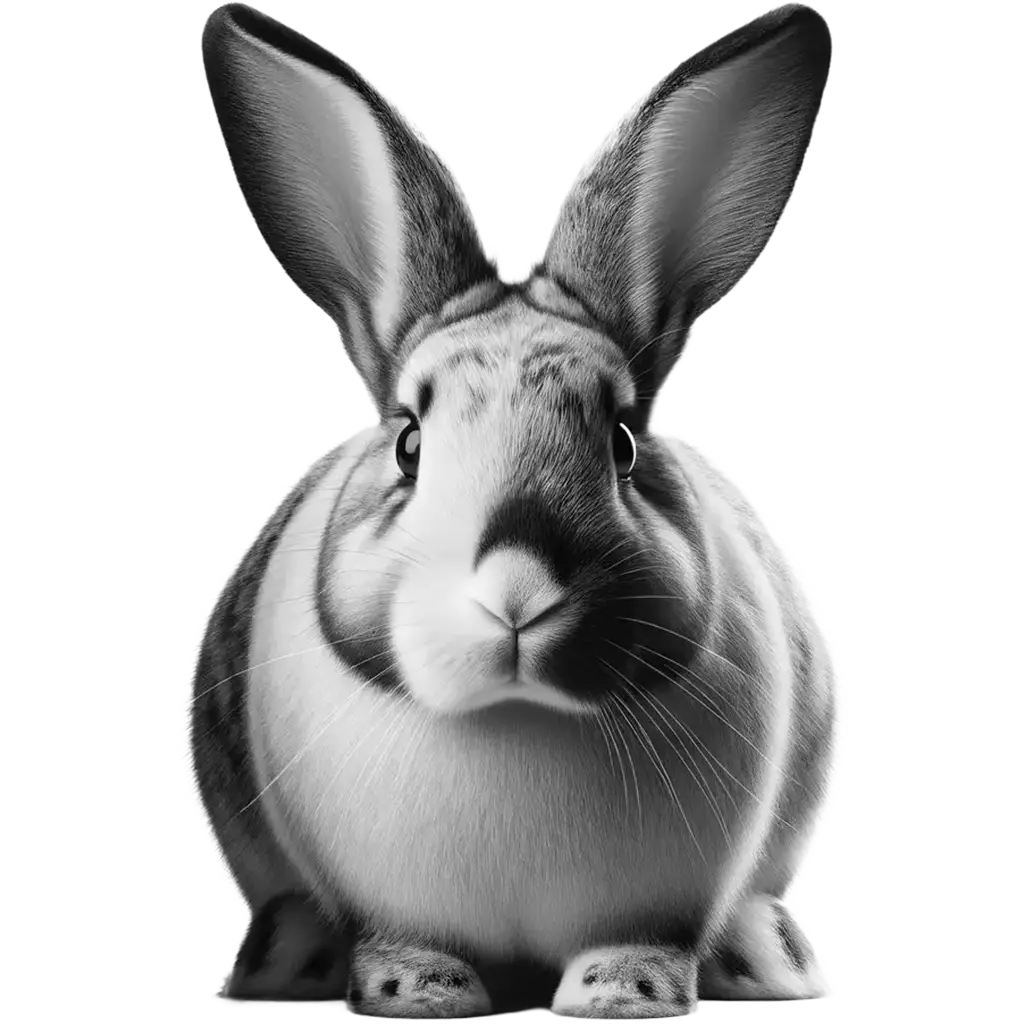
The European Rabbit, oryctolagus cuniculus, is a small mammal native to southwestern Europe and northwest Africa. With a compact body, the rabbit has a robust build, short tail, and long ears that can measure up to 7 cm in length. Adults typically weigh between 1.2 to 2.5 kg and have
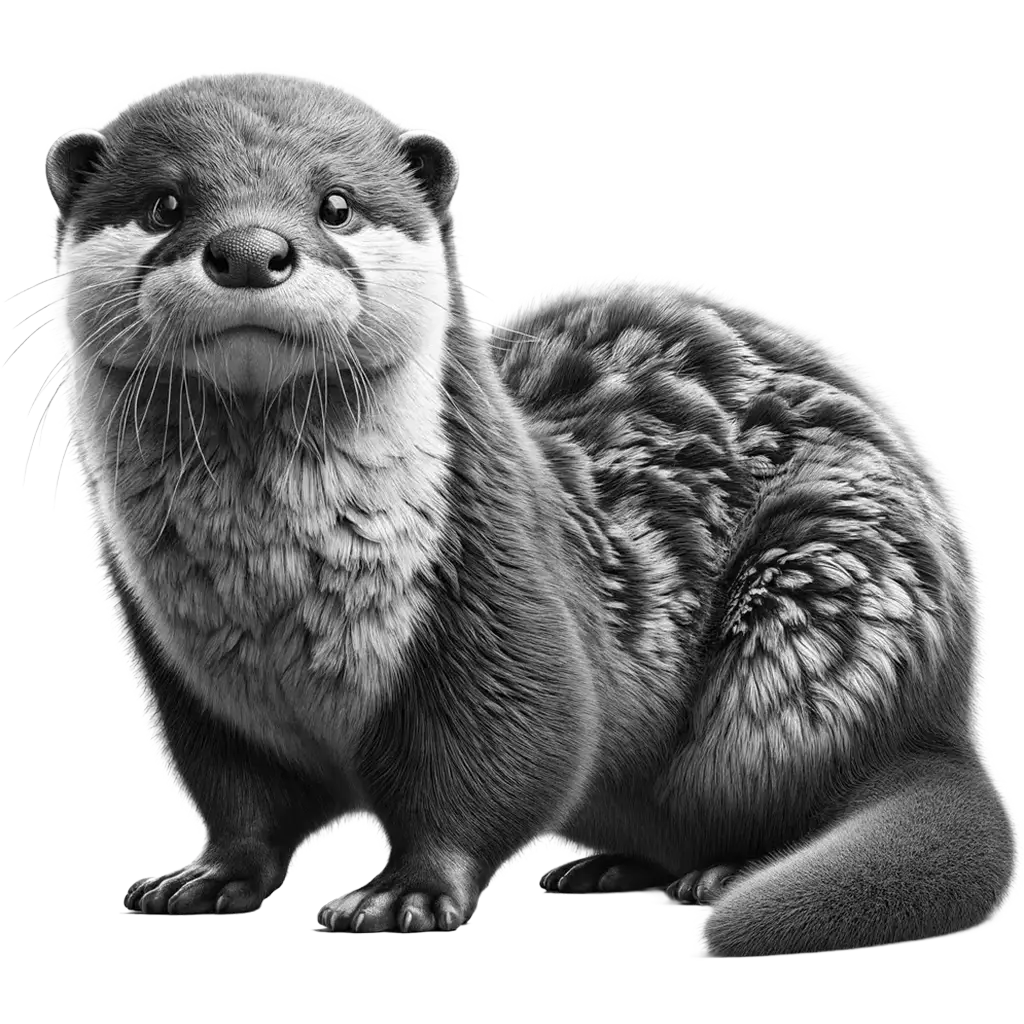
The Otter Civet, cynogale bennettii, is a rare and elusive mammal native to the tropical forests of Southeast Asia, including Borneo, Sumatra, and the Malay Peninsula. This semi-aquatic species is distinctive for its otter-like body, with a long, slender build, dense waterproof fur, and a flattened tail that aids in
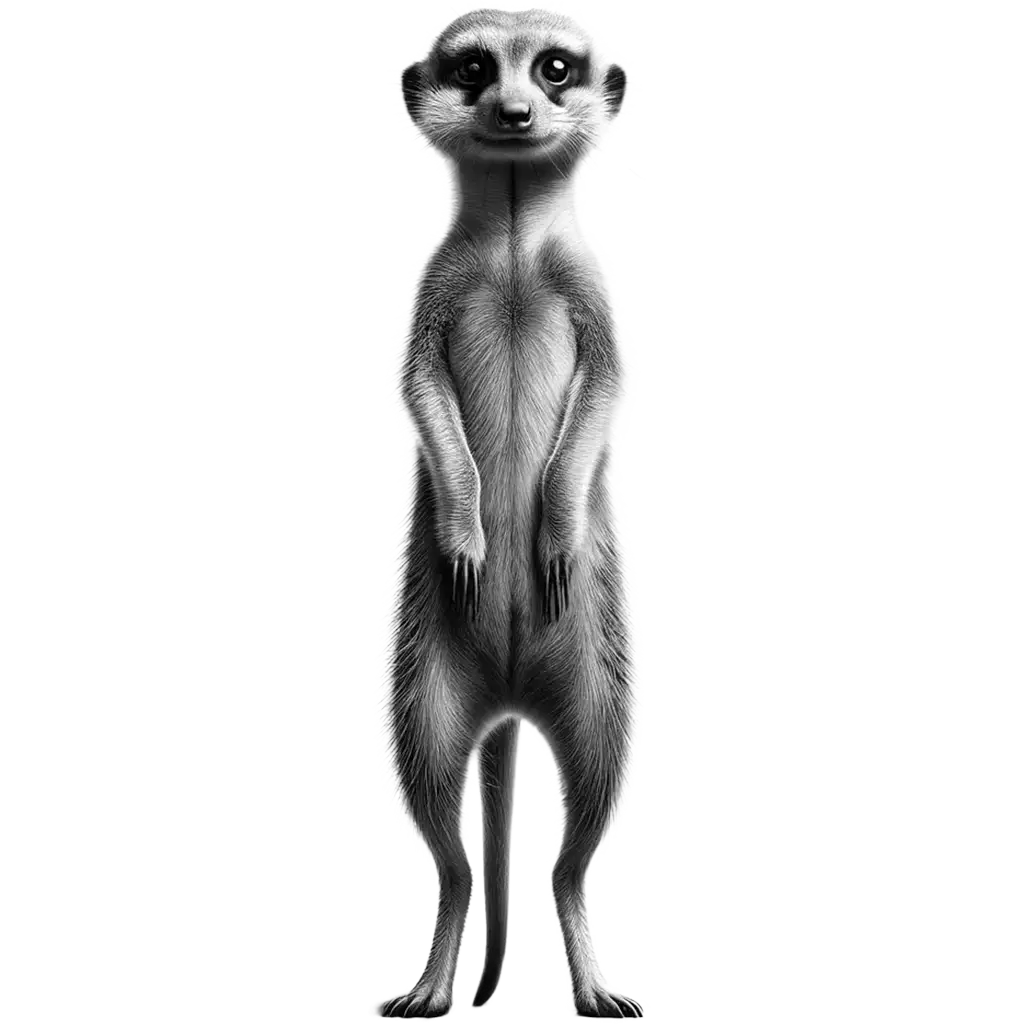
The Meerkat, suricata suricatta, is a small mammal belonging to the mongoose family, renowned for its social behavior and upright standing posture. Adults typically measure about 25 to 35 cm in length, with a tail adding another 17 to 25 cm. They weigh around 0.6 to 0.9 kg. Their slender