
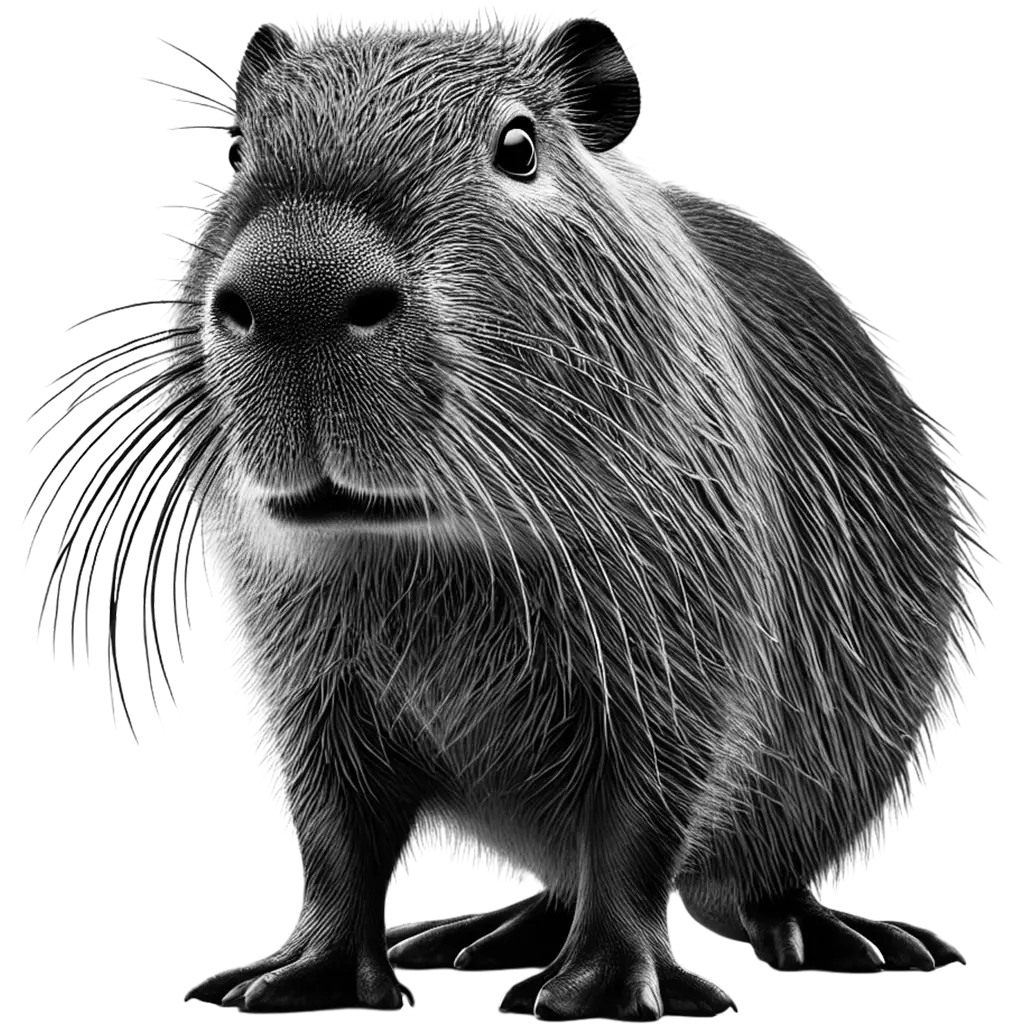
Myocastor Coypus
Coypu
Freshwater wetlands, riverbanks, marshes, and swamps
The Coypu is a large, robust rodent distinguished by its dense, brownish fur and slightly webbed hind feet that facilitate its semi-aquatic lifestyle. Its long, tapering tail and continuously growing incisors set it apart from other rodents. With a stout body and a water-resistant coat, it is well adapted to life in wet environments. The overall appearance is both rugged and utilitarian, perfectly suited for burrowing and swimming.
| Population: | native to South America and invasive elsewhere, with control measures in place |
| Generation Length: | Approximately 2-3 years |
| Average Weight: | Typically 4-7 kg |
| Average Length: | Head and body length about 40-50 cm, with a tail of similar length |
| Lifespan: | Approximately 8-10 years in the wild; up to 15 years in captivity |
| Diet: | Herbivorous, relying primarily on aquatic vegetation and marsh plants |
| Conservation Status: | Least Concern (LC) |
Coypus lead a semi-aquatic life, spending much of their time in and around freshwater wetlands. They construct extensive burrow systems along riverbanks and in marshes, which provide shelter and breeding sites. These rodents are primarily active during the early morning and late afternoon, engaging in social behaviors within colonies that often form around rich food sources. Their lifestyle is characterized by a balance of terrestrial foraging and aquatic activity, allowing them to exploit both land and water resources efficiently while remaining vigilant against predators.
Their diet is predominantly herbivorous, consisting of a variety of aquatic plants, roots, and tubers that they forage from marshy terrains. Coypus use their sharp incisors to clip vegetation and dig for underground plant parts, ensuring a steady supply of carbohydrates and fiber. While plant material forms the bulk of their intake, they may occasionally consume small invertebrates. This diverse diet supports their energetic needs for swimming and burrowing, and aids in maintaining the health of the wetland ecosystems by controlling plant overgrowth and facilitating nutrient recycling.
Coypus exhibit seasonal mating behaviors, with courtship typically occurring in the warmer months. Males display brief dominance rituals to attract females, and following successful mating, females experience a gestation period of about 130 days. They then give birth to a litter of 4-7 precocial young, which are nurtured solely by the mother until they quickly learn to forage independently.
In their native habitats of South America, coypu populations are stable and play an important ecological role in wetland dynamics. However, when introduced to non-native regions, they often become invasive, disrupting local ecosystems. Their adaptability and prolific breeding make them both a valuable species in their natural range and a challenging management concern in introduced areas.
Classifications
The Key Attributes
Features
- Movement:
Semi-aquatic; excellent swimmer and proficient burrower, adapted for both land and water environments
- Territorial Behavior:
Generally non-territorial, though they form colonies around favorable wetland areas
- Speed:
Moderate on land with bursts of rapid movement in water
- Diet:
Primarily herbivorous, feeding on aquatic vegetation, roots, and tubers; occasionally opportunistic on small invertebrates
- Physical Features:
- Dense, brownish fur with a water-repellent quality
- Large, slightly webbed hind feet ideal for swimming
- Robust body with a long, tapering tail
- Distinctive, continuously growing incisors typical of rodents
- Primary Senses:
- Sight
- Smell
- Touch
Understanding Habitat and Range
Geography
- Habitat:
Freshwater wetlands, riverbanks, marshes, and swamps
- Migration Patterns:
Non-migratory; local movements occur in response to water availability
- Geographical Range:
Native to South America; invasive populations in North America, Europe, and Asia
- Climate Preferences:
Tropical to temperate climates with abundant water and soft soils for burrowing
Navigating the Wilderness
In the wild
- Predators:
Large birds of prey, carnivorous mammals, and humans
- Prey:
Not applicable; feeds mainly on plant material
- Feeding Behavior:
Forages mainly during dusk and dawn by grazing on emergent aquatic plants and digging for roots
- Diet:
Herbivorous, relying primarily on aquatic vegetation and marsh plants
- Defensive Mechanisms:
- Quick burrowing to escape predators
- Alert behavior and group vigilance in colonies
- Preferred Food Sources:
- Aquatic plants
- Roots
- Tubers
Insights Into Reproduction
Mating
- Mating System:
Polygynous; mating occurs seasonally with brief courtship displays
- Number of Offspring:
Typically 4-7 offspring per litter
- Incubation Period:
Gestation lasts approximately 130 days
- Parental Involvement:
- Females care for the young after birth while males play no further role
Youngsters Section
Coypu
Fun Fact
The coypu, also known as the nutria, is a cute, furry rodent with a long, thick tail and webbed feet that help it swim!
These creatures love to hang out near water, where they dive and search for plants to munch on. Coypus are excellent swimmers and can even stay underwater for long periods! Their soft fur, which was once highly prized, helps keep them warm while they enjoy swimming and exploring their watery homes.

Download word search puzzles
Word Search Puzzles

Check Out Other Mammals
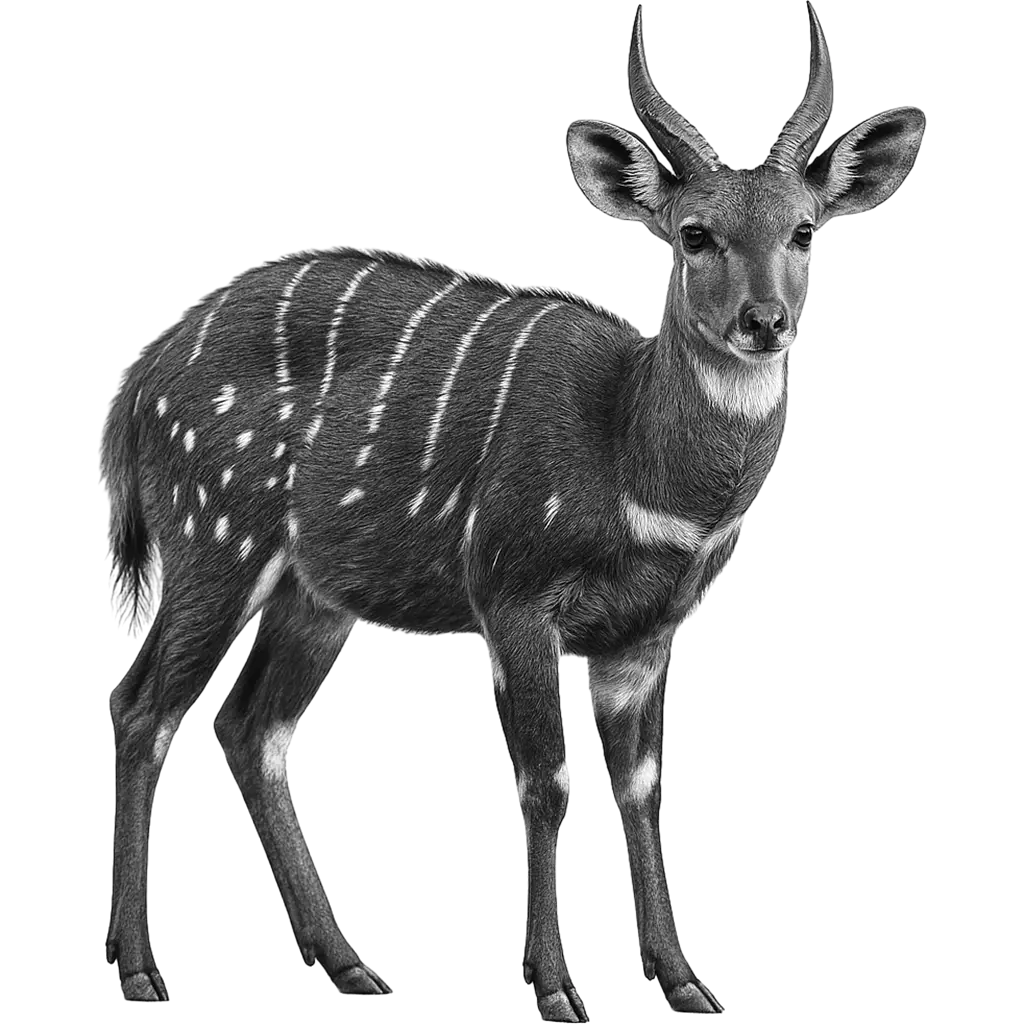
The Harnessed Bushbuck is a strikingly agile and graceful antelope, boasting a lean yet muscular body marked by a distinctive pattern of dark and light hues. Its coat is a complex tapestry of deep chocolate and subtle cream, with defined white stripes running along its sides. The animal's large, expressive
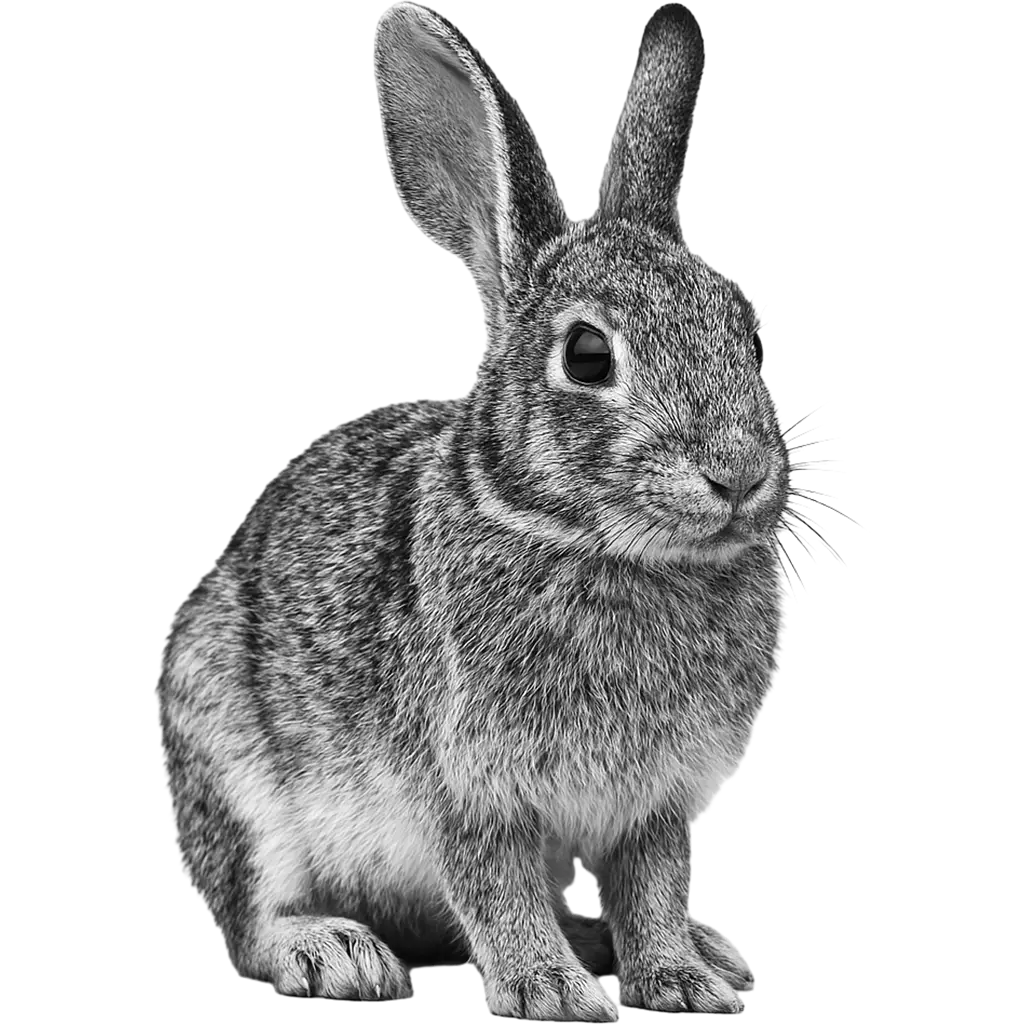
The Ethiopian Hare displays a lean, athletic build with long, alert ears and a sleek grey-brown coat accented by subtle white markings. Its powerful hind legs and streamlined body are perfectly adapted for rapid, bounding escapes, while its dense fur offers protection in cooler highland climates. Every feature, from its
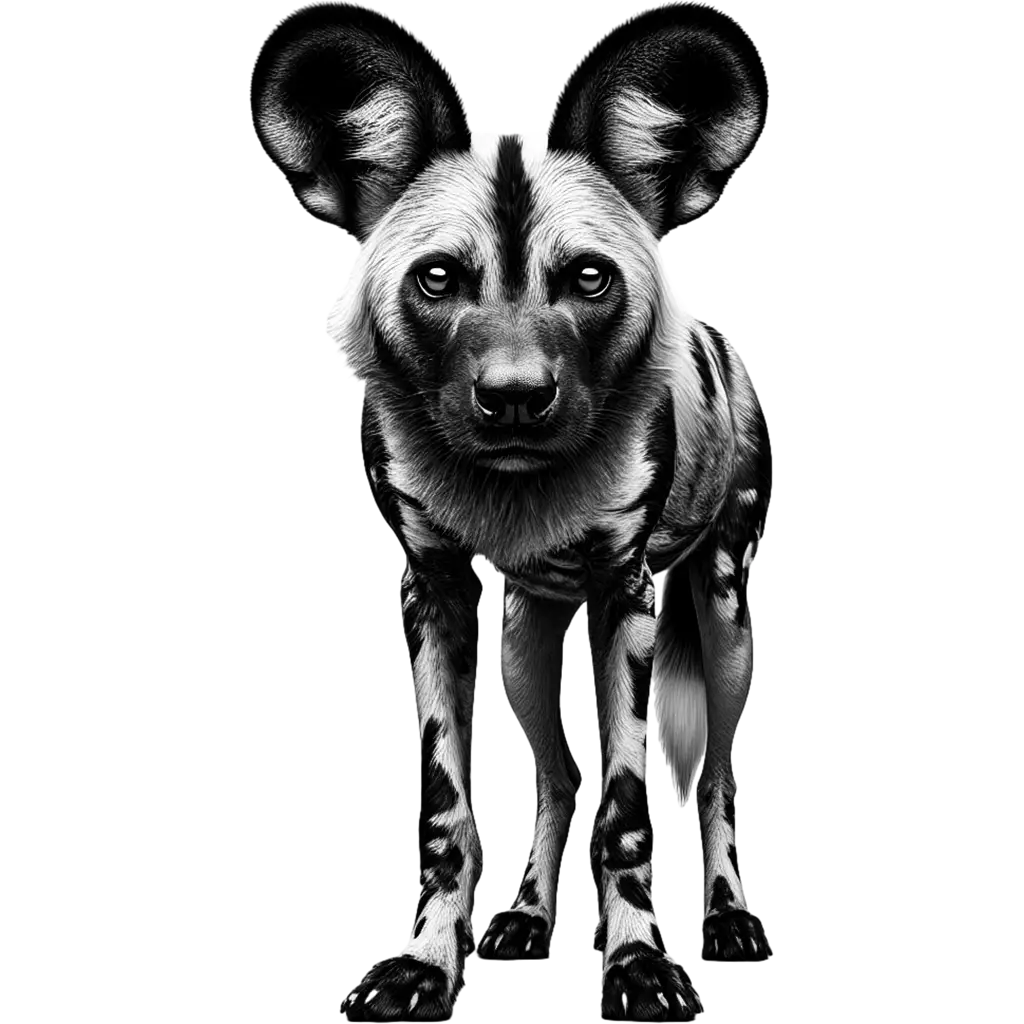
The African Wild Dog is a highly social and uniquely patterned canid found in Sub-Saharan Africa. Known for its distinctive mottled coat, no two individuals have the same pattern of black, white, and tan fur. It has large, rounded ears that enhance its hearing and help with thermoregulation, as well
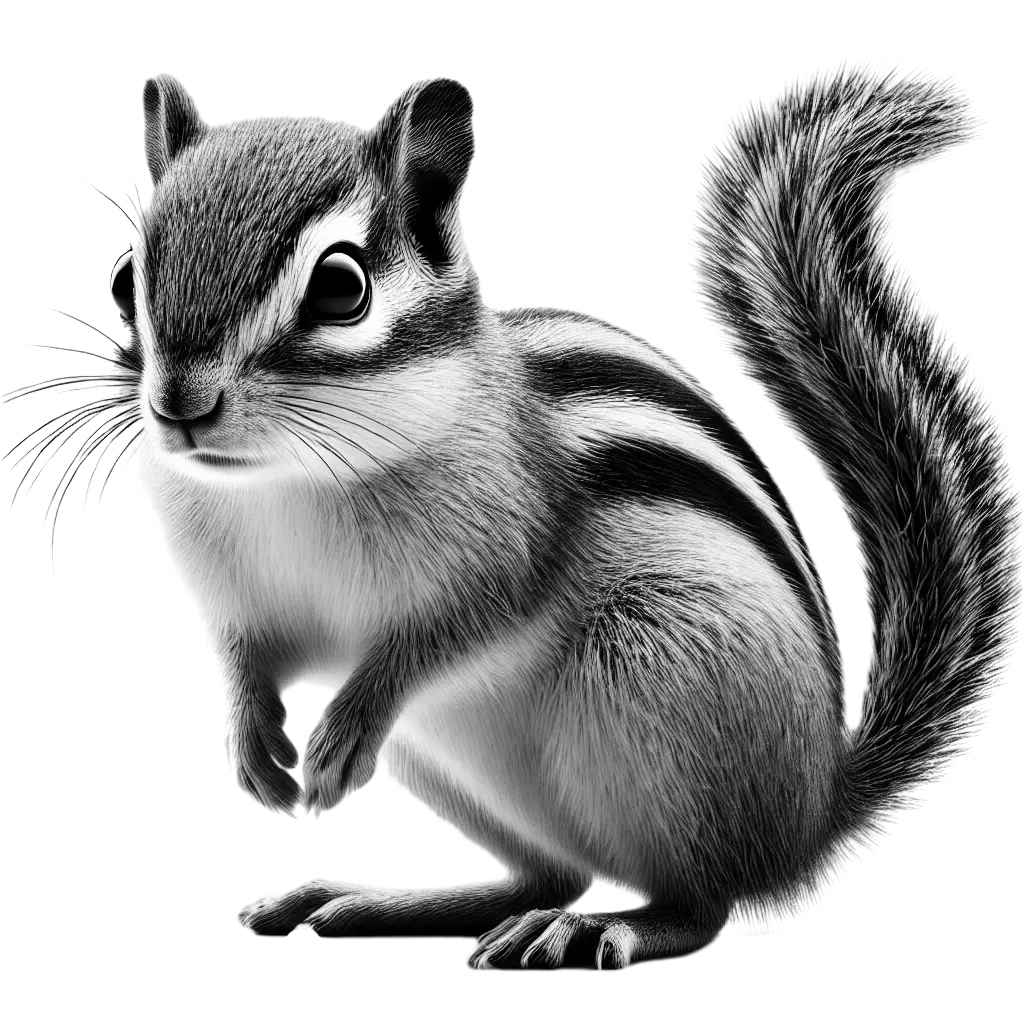
The Least Chipmunk is a small, agile rodent with a delicate, slender body covered in reddish-brown fur, accented by white underparts and subtle dark stripes running along its back. It has small, alert eyes and tiny ears that peek out from its fuzzy head, while its bushy tail adds a