Lycaon Pictus
African Wild Dog
Savannas, grasslands, open woodlands
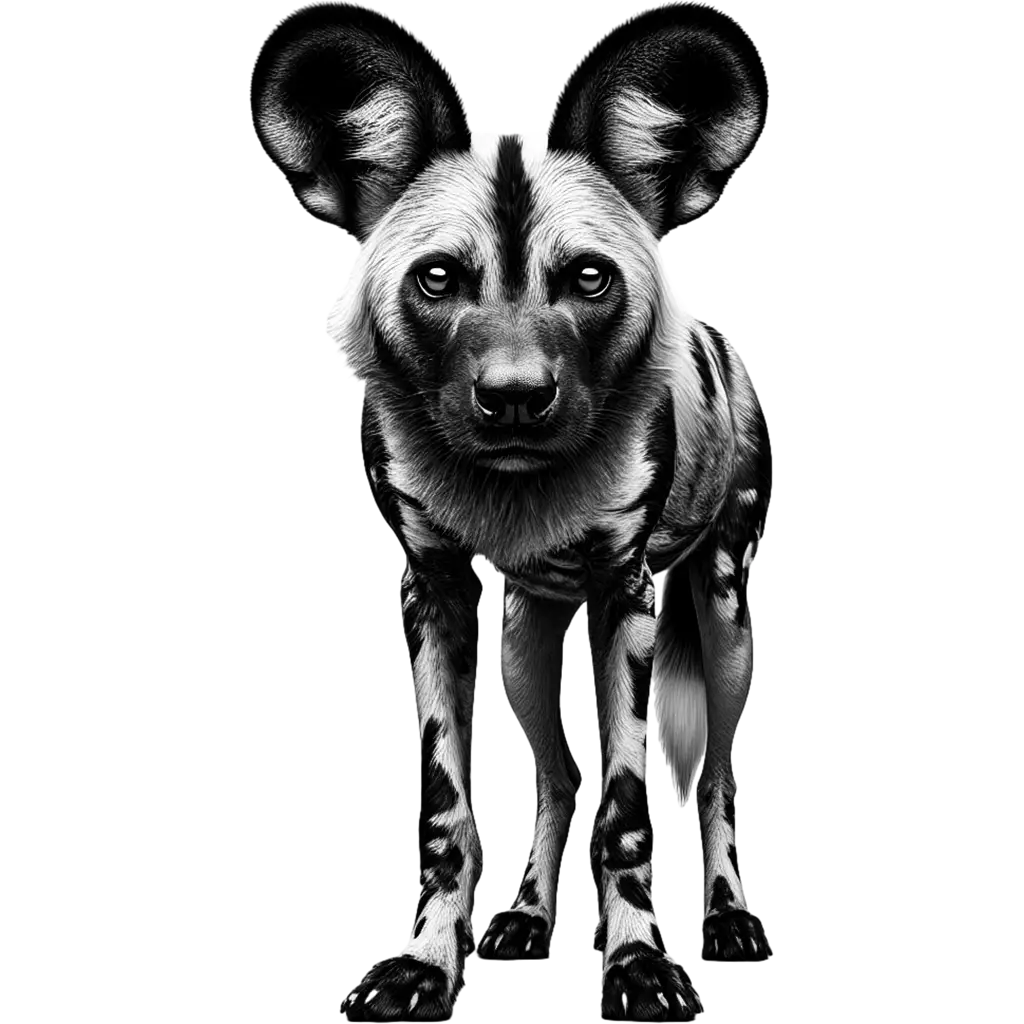
The African Wild Dog is a highly social and uniquely patterned canid found in Sub-Saharan Africa. Known for its distinctive mottled coat, no two individuals have the same pattern of black, white, and tan fur. It has large, rounded ears that enhance its hearing and help with thermoregulation, as well as a lean, muscular body built for endurance running. Adult wild dogs typically weigh between 18 to 36 kg and stand about 75 cm at the shoulder, making them one of the most efficient long-distance runners among predators.
| Population: | Estimated 6,000 individuals in the wild |
| Generation Length: | 5-7 years |
| Average Weight: | 18-36 kg |
| Average Length: | 75-110 cm (body), 30-40 cm (tail) |
| Lifespan: | 10-12 years in the wild, up to 15 years in captivity |
| Diet: | Strictly carnivorous, relying on group hunting |
| Conservation Status: | Endangered (EN) |
Living in highly cooperative packs, African Wild Dogs have one of the most structured social hierarchies in the animal kingdom. Each pack is led by an alpha pair, and unlike many carnivores, they exhibit strong group cohesion. Hunting and raising pups are communal efforts, with members taking turns caring for young and ensuring the survival of weaker pack members. They roam large territories, often covering 50 km in a day while searching for food.
African Wild Dogs are specialized carnivores with a diet consisting primarily of medium-sized ungulates such as impalas, gazelles, and young wildebeest. They are known for their cooperative hunting strategies, in which the pack works together to exhaust and take down prey. Unlike solitary hunters, wild dogs rely on teamwork, communication, and endurance to secure food. They have one of the highest hunting success rates of any large predator, with up to 80% of their chases ending in a successful kill.
The breeding system of African Wild Dogs revolves around the dominant alpha pair, with other pack members playing a crucial role in raising the pups. After a gestation period of about 70 days, the female gives birth to a litter of up to 20 pups, one of the largest among carnivores. The entire pack assists in feeding the young by regurgitating food and protecting them from predators. Pups are weaned at around 10 weeks but remain dependent on the pack for several months before joining hunts.
Despite their incredible adaptability and teamwork, African Wild Dogs are endangered due to habitat fragmentation, human persecution, and diseases like rabies. Their wide-ranging nature makes them highly susceptible to conflicts with farmers and road accidents. Conservation programs focusing on habitat preservation, disease management, and public education are critical to ensuring the survival of this unique and intelligent predator.
Classifications
The Key Attributes
Features
- Movement:
Quadrupedal
- Territorial Behavior:
Highly social, living in packs
- Speed:
Up to 64 km/h
- Diet:
Carnivore
- Physical Features:
- Unique mottled coat with patches of black, white, and tan
- Large, rounded ears for superior hearing
- Long legs built for endurance
- Slim, athletic build
- Primary Senses:
- Hearing
- Sight
- Smell
Understanding Habitat and Range
Geography
- Habitat:
Savannas, grasslands, open woodlands
- Migration Patterns:
Nomadic within home ranges
- Geographical Range:
Sub-Saharan Africa
- Climate Preferences:
Warm, arid, and semi-arid environments
Navigating the Wilderness
In the wild
- Predators:
Lions, hyenas, and occasionally leopards
- Prey:
Antelopes, warthogs, hares
- Feeding Behavior:
Cooperative pack hunters
- Diet:
Strictly carnivorous, relying on group hunting
- Defensive Mechanisms:
- Strength in numbers
- Coordinated pack strategies
- Speed and endurance
- Preferred Food Sources:
- Impala
- Gazelles
- Wildebeest calves
- Small rodents
Insights Into Reproduction
Mating
- Mating System:
Monogamous, with alpha pair breeding
- Number of Offspring:
2-20 pups per litter
- Gestation Period:
69-73 days
- Parental Involvement:
- Both parents raise young
- Entire pack contributes to feeding and protecting pups
Youngsters Section
African Wild Dog
Fun Fact
African Wild Dogs have an 80% hunting success rate, making them among the most efficient predators.
Each pack has a unique social structure, where even sick and injured members are cared for by the group. Their large, rounded ears help with both acute hearing and staying cool in the African heat.

Download word search puzzles
Word Search Puzzles

Check Out Other Mammals
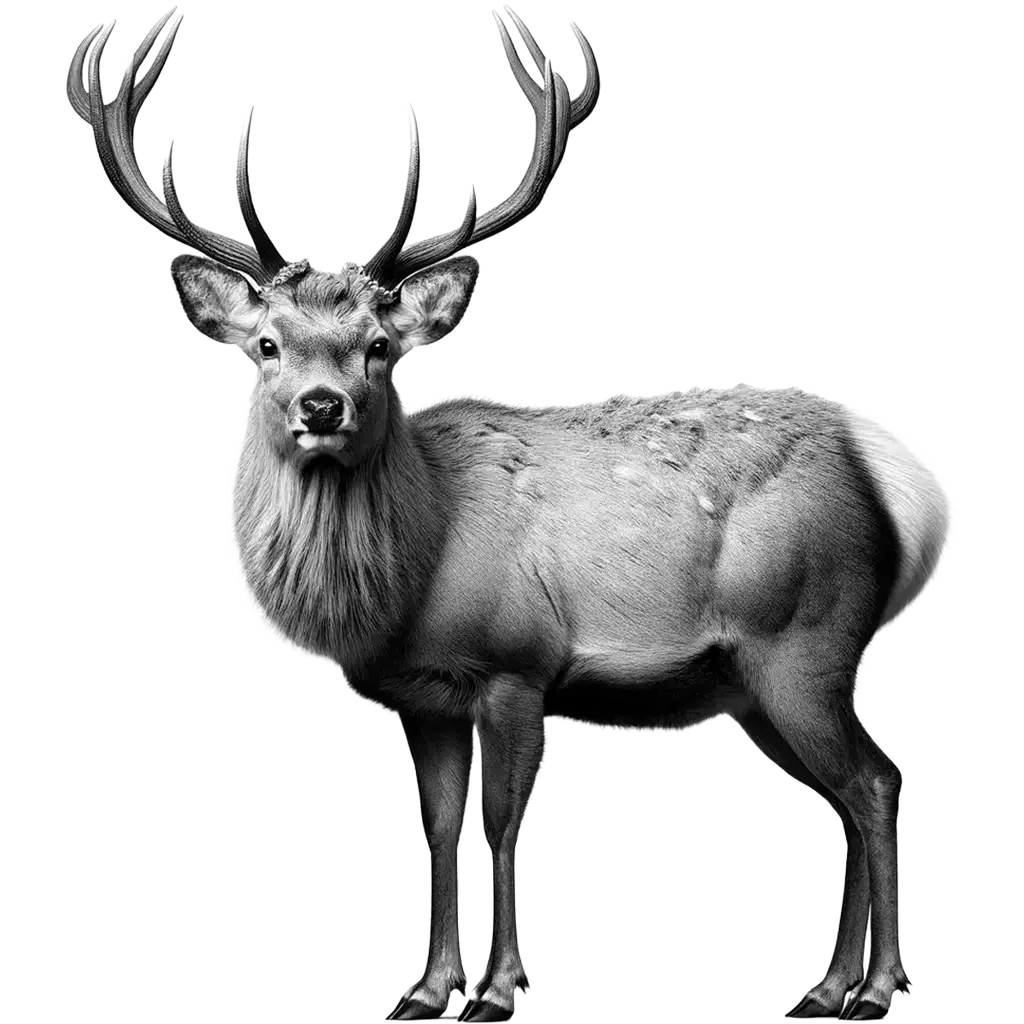
Père David's Deer, elaphurus davidianus, is distinguished by a unique set of features that defy the typical deer archetype. Adults exhibit a shaggy coat of reddish-brown fur in the summer, transitioning to a thicker, greyish hue in winter. Males are notable for their large, branched antlers, reminiscent of those found
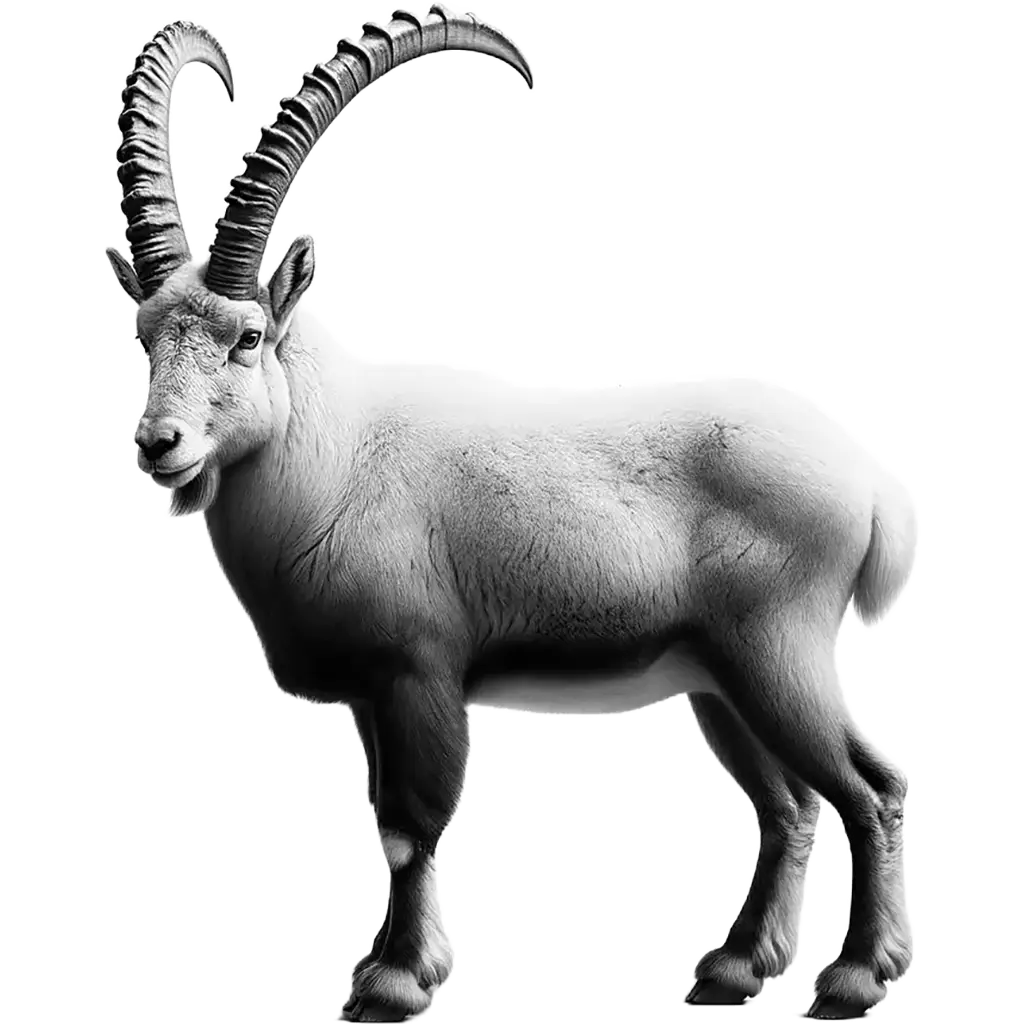
The Siberian Ibex, capra sibirica, is a robust and agile species of wild goat known for its impressive curved horns, which can reach up to 130 cm in length in males. These animals exhibit a coat that varies seasonally, being thicker and lighter in color during winter, and shorter and
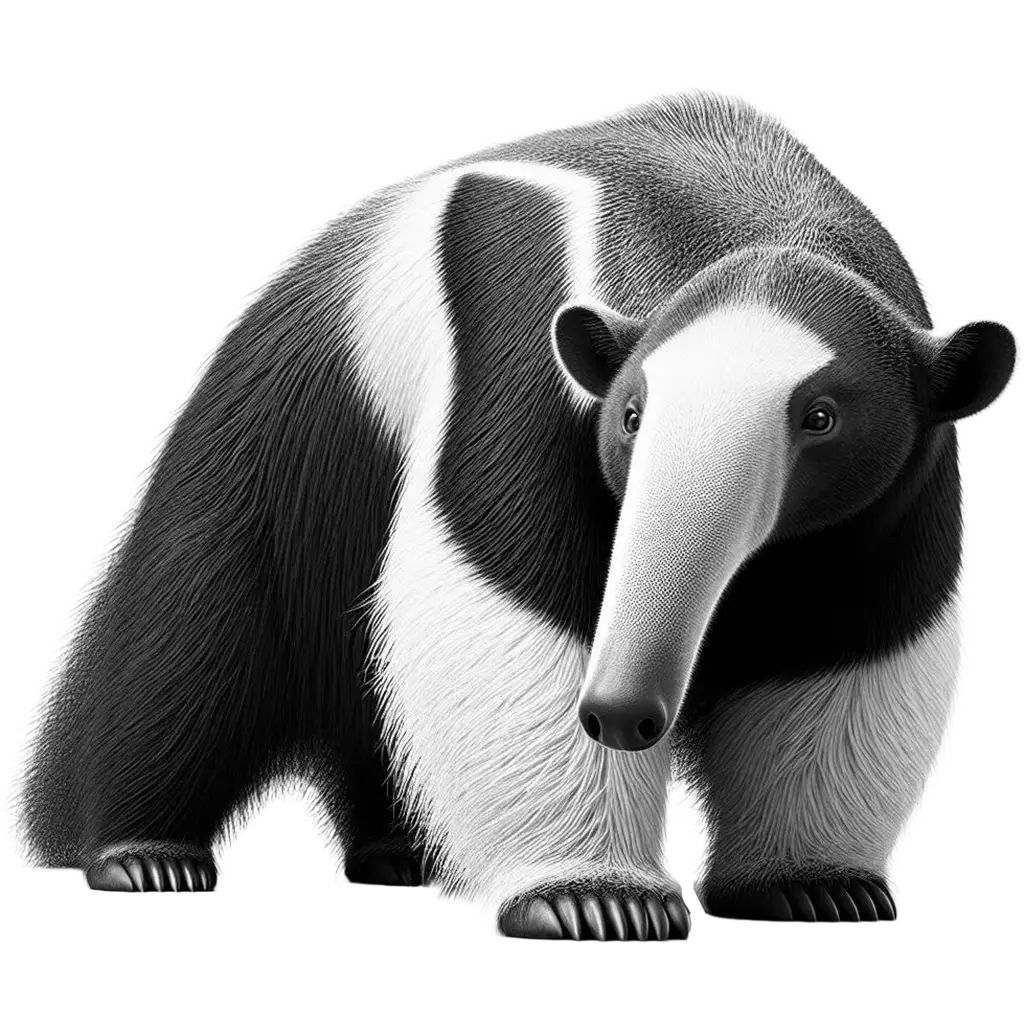
The Giant Anteater, myrmecophaga tridactyla, is an easily recognizable mammal known for its elongated snout, bushy tail, and distinctive black and white shoulder stripes. Adults can grow up to 2.1 meters (7 feet) in length, including the tail, and weigh between 18 to 39 kilograms (40 to 86 pounds). Their
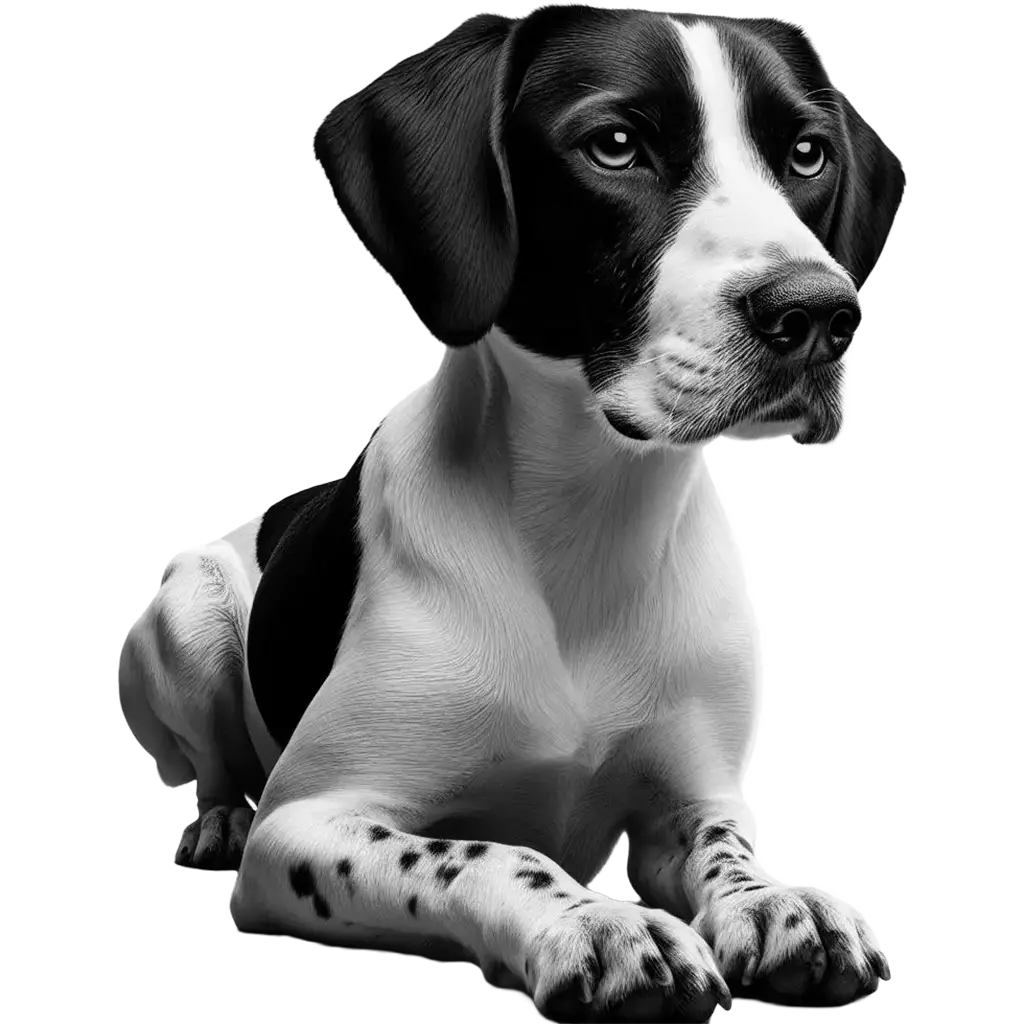
The Harrier, a medium-sized breed of dog, is known for its prowess in hunting hares and foxes in packs, embodying a blend of stamina and agility. Adults typically stand between 48 to 53 centimeters (19 to 21 inches) at the shoulder and weigh between 18 to 27 kilograms (40 to