
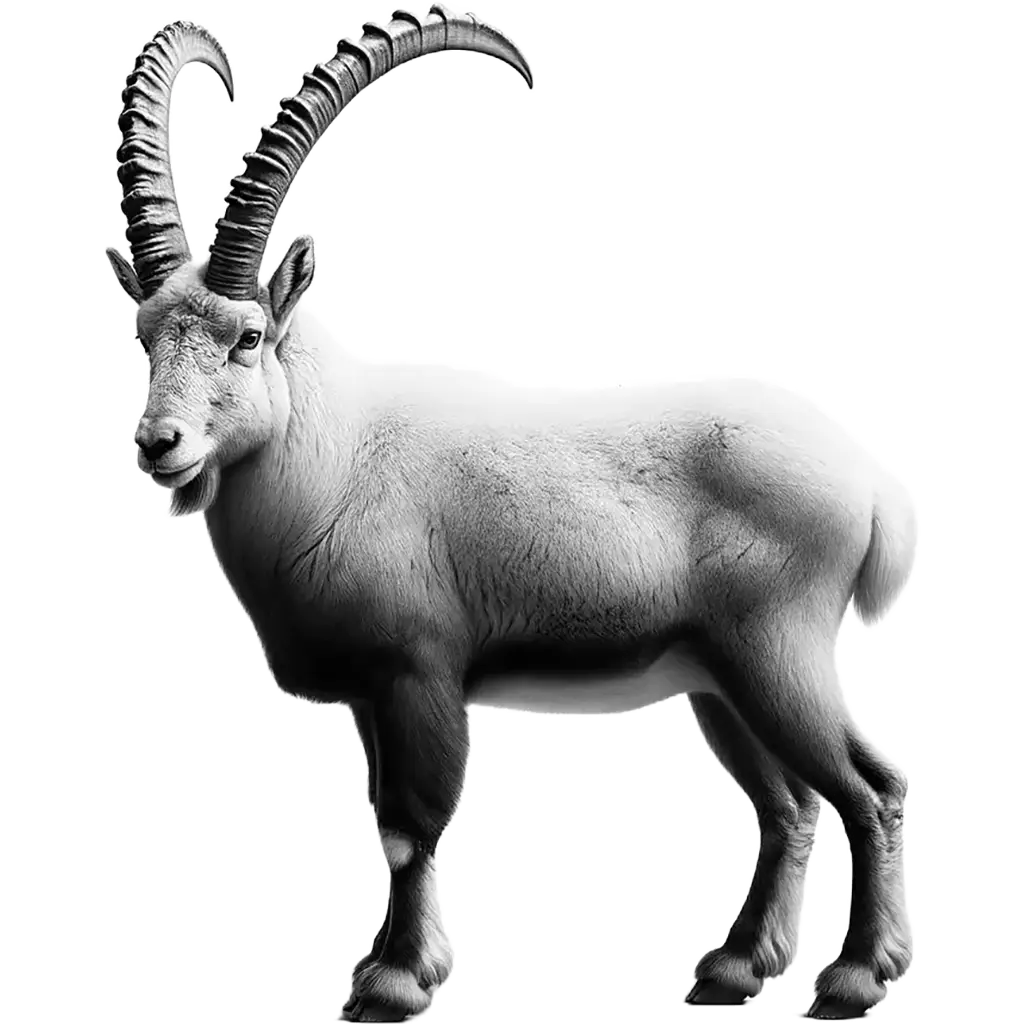
Capra Sibirica
Siberian Ibex
Mountainous regions, rocky outcrops, and alpine meadows
The Siberian Ibex, capra sibirica, is a robust and agile species of wild goat known for its impressive curved horns, which can reach up to 130 cm in length in males. These animals exhibit a coat that varies seasonally, being thicker and lighter in color during winter, and shorter and darker in the summer months. Adult males are distinguished by a beard and large, backward-curving horns, while females have shorter, straighter horns and lack a beard. Typically, males are larger than females, with males reaching a body length of up to 180 cm and weighing between 60 to 130 kg.
| Population: | Listed as Least Concern, but some local populations are declining due to overhunting and habitat loss |
| Generation Length: | 5-6 years |
| Average Weight: | 60-130 kg |
| Average Length: | Body length of 130-150 cm, with horns reaching up to 1 meter |
| Lifespan: | 10-20 years in the wild |
| Diet: | Herbivorous, with a diet consisting of a variety of mountain vegetation |
| Conservation Status: | Near Threatened (NT) |
Inhabiting the rugged mountain ranges of Central Asia, including the Altai, Tien Shan, and Pamir Mountains, the Siberian Ibex is adapted to life in harsh, rocky terrains. They are excellent climbers, capable of navigating steep slopes and cliffs with remarkable agility. These animals are typically found at elevations ranging from 2,000 to 5,000 meters, where they move to lower altitudes in winter to escape the most severe weather.
The diet of the Siberian Ibex consists mainly of grasses, mosses, and herbs, with a preference for new shoots and leaves. In winter, when vegetation is scarce, they may also consume twigs and bark. Their ability to forage for food in sparse mountain environments is a key factor in their survival and distribution across the varied landscapes of Central Asia.
Reproduction in the Siberian Ibex is characterized by a mating season that occurs from late October to early January. Males compete for access to females through displays of dominance involving their large horns. Females give birth to one or two kids in late spring or early summer, following a gestation period of about 170 days. The young are born in secluded areas and are able to follow their mothers over rough terrain within a few days.
The population of the Siberian Ibex is considered stable across much of its range, though it faces threats from habitat loss, competition with livestock, and illegal hunting for its horns and meat. Conservation efforts focus on habitat protection and the regulation of hunting practices to ensure the continued survival of this iconic species of the Central Asian mountains.
Classifications
The Key Attributes
Features
- Movement:
Walking, climbing
- Territorial Behavior:
Gregarious, forming herds based on age and sex
- Speed:
Not known for speed but for agility and climbing ability
- Diet:
Herbivore
- Physical Features:
- Sturdy body with thick neck and powerful legs
- Large, backward-curving horns in males
- Short, dense coat that changes color seasonally
- Well-adapted for rugged mountainous terrain
- Primary Senses:
- Sight
- Hearing
- Smell
Understanding Habitat and Range
Geography
- Habitat:
Mountainous regions, rocky outcrops, and alpine meadows
- Migration Patterns:
Altitudinal movements depending on the seasons
- Geographical Range:
Central Asia, including the Altai and Tien Shan mountains, Mongolia, and parts of Russia
- Climate Preferences:
Prefers cold, alpine environments
Navigating the Wilderness
In the wild
- Predators:
Wolves, snow leopards, and eagles
- Prey:
Not applicable
- Feeding Behavior:
Grazes on grasses, herbs, and shrubs
- Diet:
Herbivorous, with a diet consisting of a variety of mountain vegetation
- Defensive Mechanisms:
- Agility to escape predators in rocky terrain
- Large horns for defense in males
- Preferred Food Sources:
- Mountainous areas with abundant vegetation and water sources
Insights Into Reproduction
Mating
- Mating System:
Polygynous
- Number of Offspring:
1-2 kids
- Gestation Period:
5-6 months
- Parental Involvement:
- Females care for the young, with little to no involvement from males
Youngsters Section
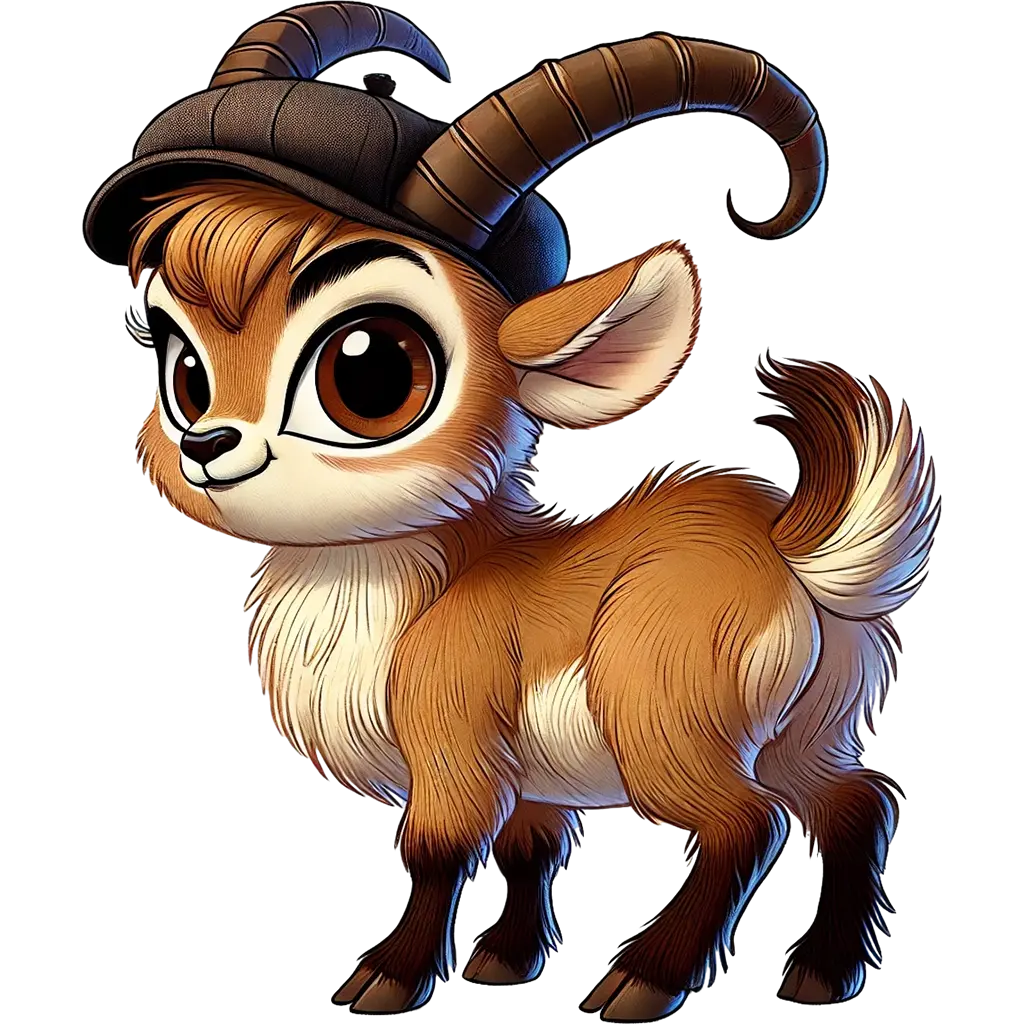
Siberian Ibex
Fun Fact
The Siberian Ibex is a wild goat native to Central Asia, known for its impressive climbing skills.
These animals have specially adapted hooves that allow them to navigate rocky terrains with ease. The hooves are split into two sections, giving them a better grip on steep and uneven surfaces. Siberian Ibex are social creatures, often found in herds, and are most active during the cooler parts of the day, such as early morning and late afternoon.

Download word search puzzles
Word Search Puzzles

Check Out Other Mammals
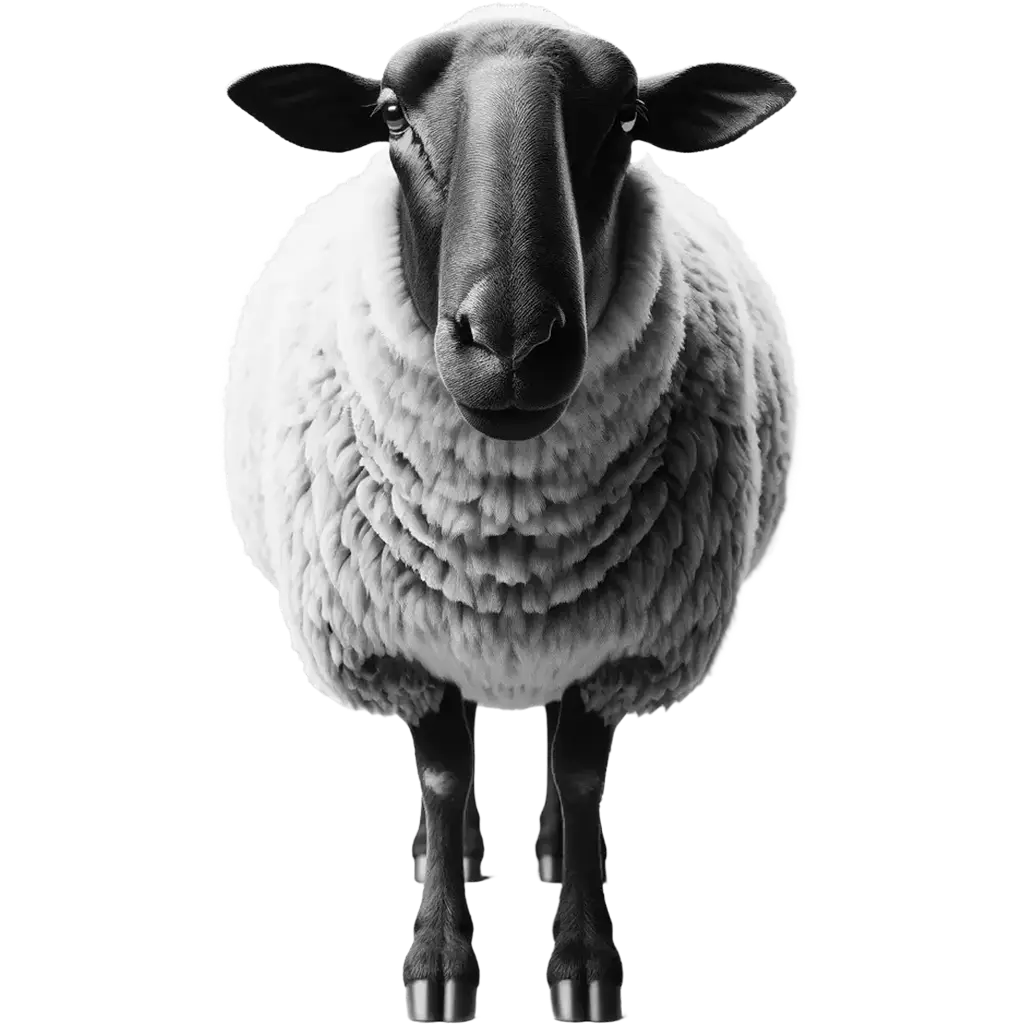
The Domestic Sheep, ovis aries, is a key livestock species that has been domesticated for thousands of years, playing an integral role in agriculture and human society. Adult sheep typically weigh between 45 to 160 kg, depending on the breed, sex, and age, with males (rams) usually larger than females

The Duck-Billed Platypus, ornithorhynchus anatinus, is one of the most unusual and fascinating mammals on the planet, native to eastern Australia and Tasmania. This semi-aquatic, egg-laying mammal (monotreme) is most notable for its distinctive duck-like bill, webbed feet, and flat tail. Adults can measure between 40 to 60 centimeters in

The Gray Slender Loris, loris lydekkerianus, is a small, nocturnal primate native to the forests and thickets of Sri Lanka and parts of India. This elusive creature is characterized by its slender body, large forward-facing eyes, and short, rounded ears, which are essential for its nocturnal lifestyle. It possesses a
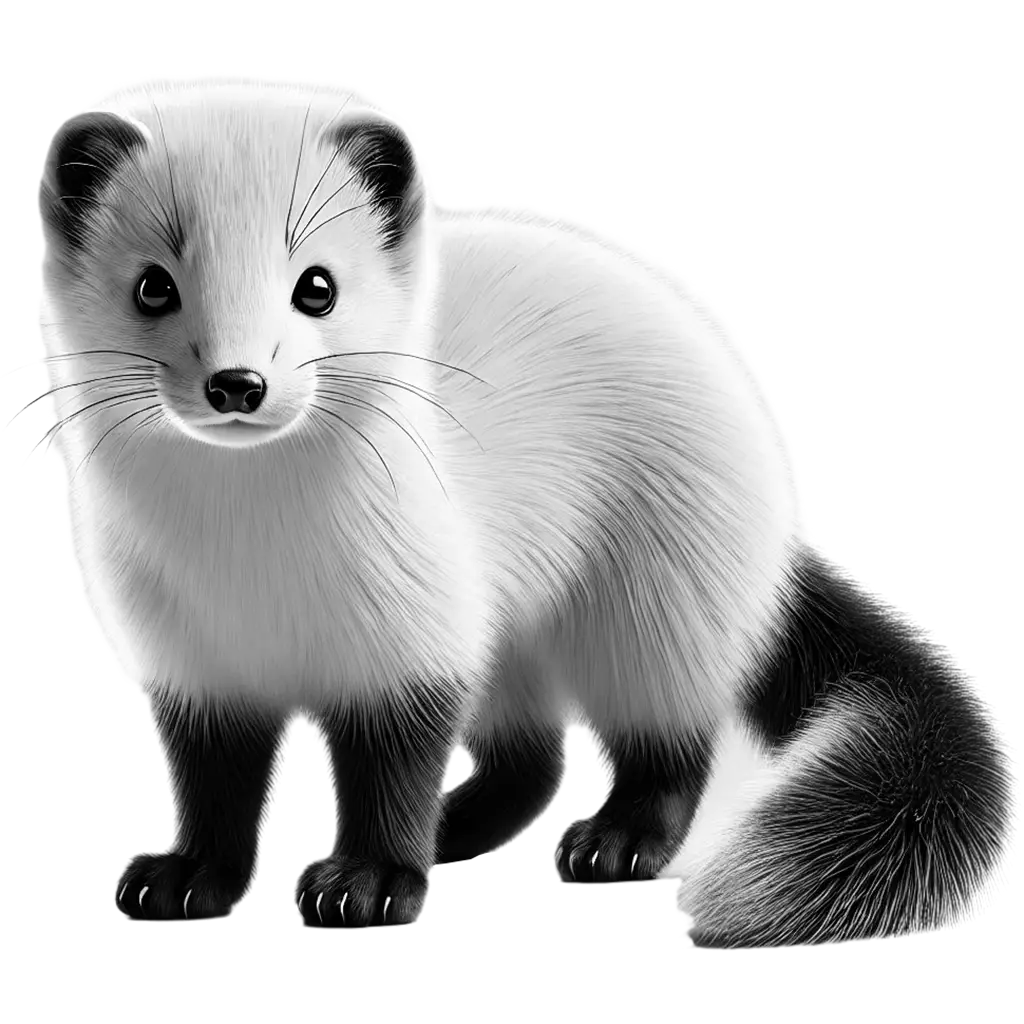
The Ermine is a slender, agile mammal with a sleek, elongated body covered in dense, soft fur that shifts seasonally from a warm brown in summer to a brilliant white in winter. Its long, bushy tail, tipped with a dark band, and its sharp, alert eyes complete its distinctive and