
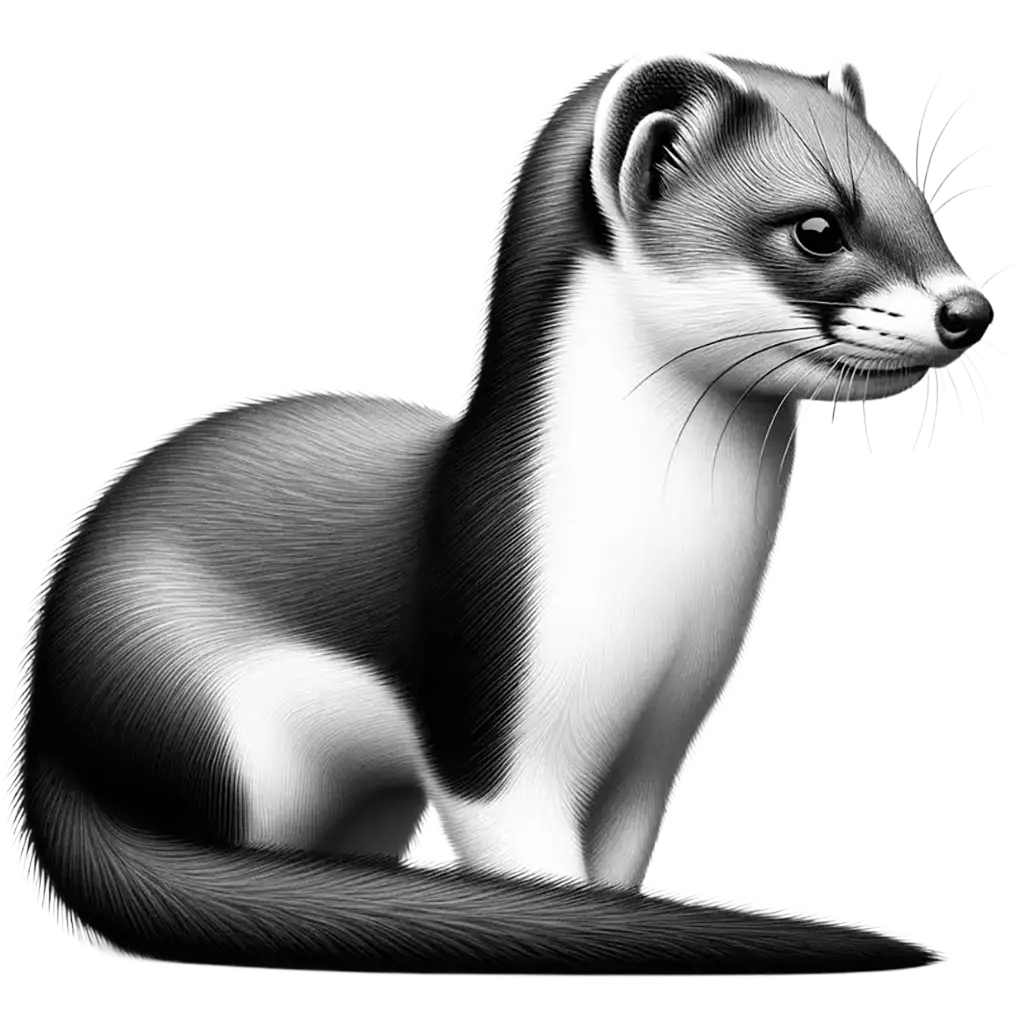
Mustela Erminea
Stoat
Forests, tundra, grasslands, and marshes
The Stoat, mustela erminea, also known as the ermine in its winter coat, is a small yet fierce carnivorous mammal known for its agility and hunting prowess. Adults can reach lengths of 17 to 32 cm, excluding a tail of 7 to 12 cm, and weigh between 90 to 350 grams. The Stoat's summer coat is a sleek brown with a distinctive white underbelly, which completely turns to a pure white in winter in colder regions, except for the tip of its tail, which remains black. This seasonal camouflage helps it remain inconspicuous in snow-covered landscapes.
| Population: | Listed as Least Concern, with widespread and abundant populations |
| Generation Length: | 2-3 years |
| Average Weight: | 200-350 grams |
| Average Length: | 25-33 cm, plus a 7-12 cm tail |
| Lifespan: | 4-6 years in the wild |
| Diet: | Primarily small mammals, supplemented with birds, eggs, and sometimes amphibians and insects |
| Conservation Status: | Least Concern (LC) |
Stoats are found across a broad range, encompassing much of the Northern Hemisphere including Europe, Asia, and North America. They inhabit a variety of environments from woodlands and moorlands to farms and coastal areas. Adaptability is one of their strongest traits, allowing them to thrive in diverse climates and habitats. Stoats are solitary outside of the breeding season and are known for their remarkable ability to take down prey much larger than themselves.
The diet of the Stoat primarily consists of small mammals, particularly rodents such as mice, voles, and rabbits. They are skilled hunters, employing a mix of stealth, speed, and agility to chase and capture their prey. Stoats play a crucial role in controlling the populations of these small mammals, impacting the ecological balance of their habitats.
Reproduction for Stoats involves a fascinating biological phenomenon known as delayed implantation, where fertilized eggs remain dormant for several months before implanting in the uterus and beginning development. This strategy results in all offspring being born in the spring, regardless of when mating occurred. Females give birth to 6 to 12 kits, which are weaned and taught to hunt by their mother.
The population of the Stoat is considered stable, although they are subject to fluctuations based on prey availability and habitat conditions. In some regions, Stoats are considered pests due to their impact on game and poultry. Conversely, their decline in other areas raises conservation concerns, particularly regarding their role in controlling rodent populations. Conservation efforts focus on habitat management and understanding the balance between Stoats and their prey species.
Classifications
The Key Attributes
Features
- Movement:
Running, climbing, swimming
- Territorial Behavior:
Solitary, with defined territories
- Speed:
Quick and agile, capable of rapid movements
- Diet:
Carnivore
- Physical Features:
- Small, slender body with a long neck and short legs
- Fur changes color from brown in summer to white in winter
- Black tip on the tail
- Sharp teeth and claws for hunting
- Primary Senses:
- Sight
- Hearing
- Smell
Understanding Habitat and Range
Geography
- Habitat:
Forests, tundra, grasslands, and marshes
- Migration Patterns:
Non-migratory, but can travel large distances in search of food
- Geographical Range:
Across the northern hemisphere, including North America, Europe, and Asia
- Climate Preferences:
Adaptable to various climates, from temperate to arctic regions
Navigating the Wilderness
In the wild
- Predators:
Birds of prey, foxes, and larger mammals
- Prey:
Primarily rodents like mice and voles, also birds and their eggs
- Feeding Behavior:
Predatory, hunting small mammals, birds, and occasionally fish and insects
- Diet:
Primarily small mammals, supplemented with birds, eggs, and sometimes amphibians and insects
- Defensive Mechanisms:
- Camouflage
- Speed and agility to escape predators
- Aggressiveness when cornered
- Preferred Food Sources:
- Areas with abundant prey, such as fields, woodlands, and riverbanks
Insights Into Reproduction
Mating
- Mating System:
Polygynous
- Number of Offspring:
5-12 kits
- Gestation Period:
Delayed implantation results in an actual gestation of about 9 months, but embryonic development is about 28 days
- Parental Involvement:
- Females rear the young alone, teaching them to hunt before they become independent
Youngsters Section
Stoat
Fun Fact
Stoats are known for their incredible hunting skills and can take down prey much larger than themselves.
These agile predators employ a unique "dance" to confuse and mesmerize their prey, often rabbits, before striking. Their fur changes with the seasons, turning white in winter, which provides excellent camouflage in snowy environments. This adaptability makes them formidable hunters year-round.

Download word search puzzles
Word Search Puzzles


Check Out Other Mammals

The Gray Slender Loris, loris lydekkerianus, is a small, nocturnal primate native to the forests and thickets of Sri Lanka and parts of India. This elusive creature is characterized by its slender body, large forward-facing eyes, and short, rounded ears, which are essential for its nocturnal lifestyle. It possesses a
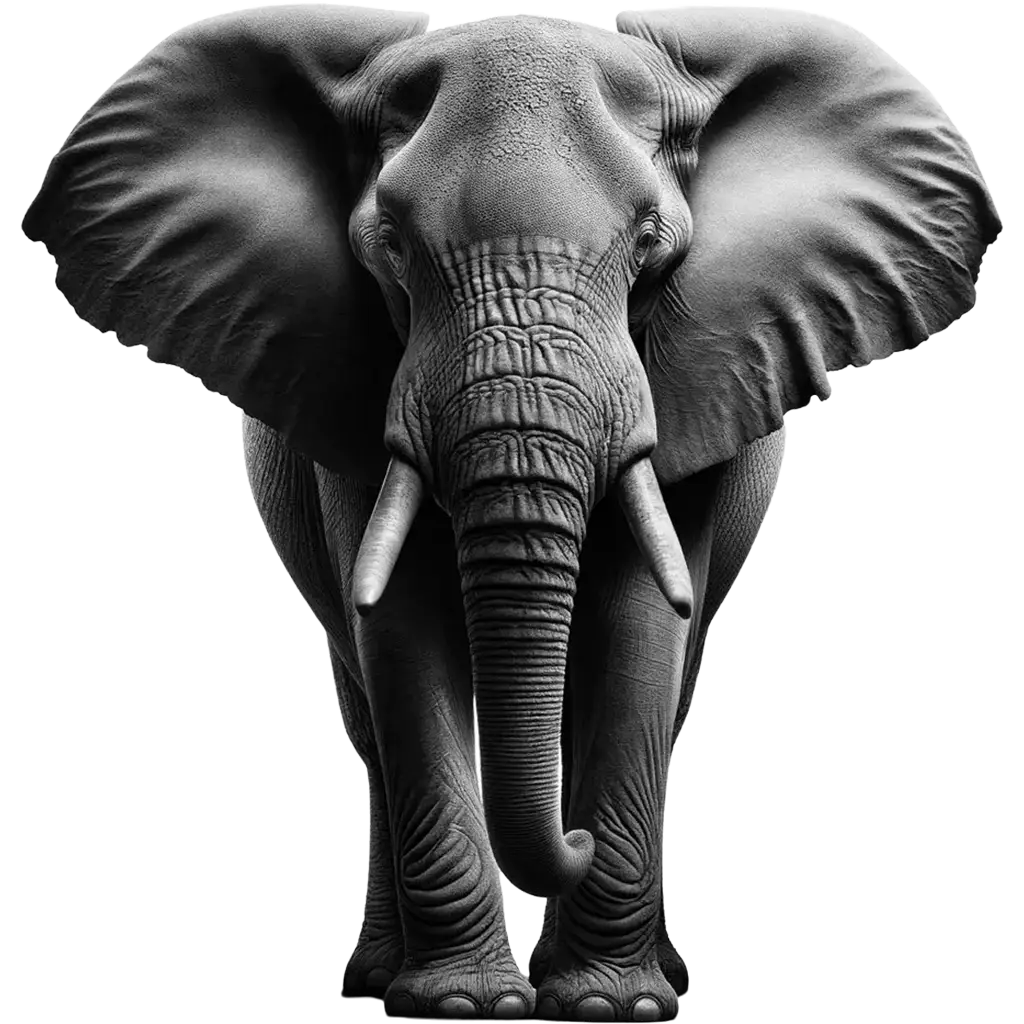
The African Forest Elephant, loxodonta cyclotis, is the smaller of the two African elephant species, distinguished by its more rounded ears and straighter tusks, which are thinner and downward pointing compared to those of its savannah cousin. Adults typically stand 2.5 meters tall at the shoulder, making them smaller than
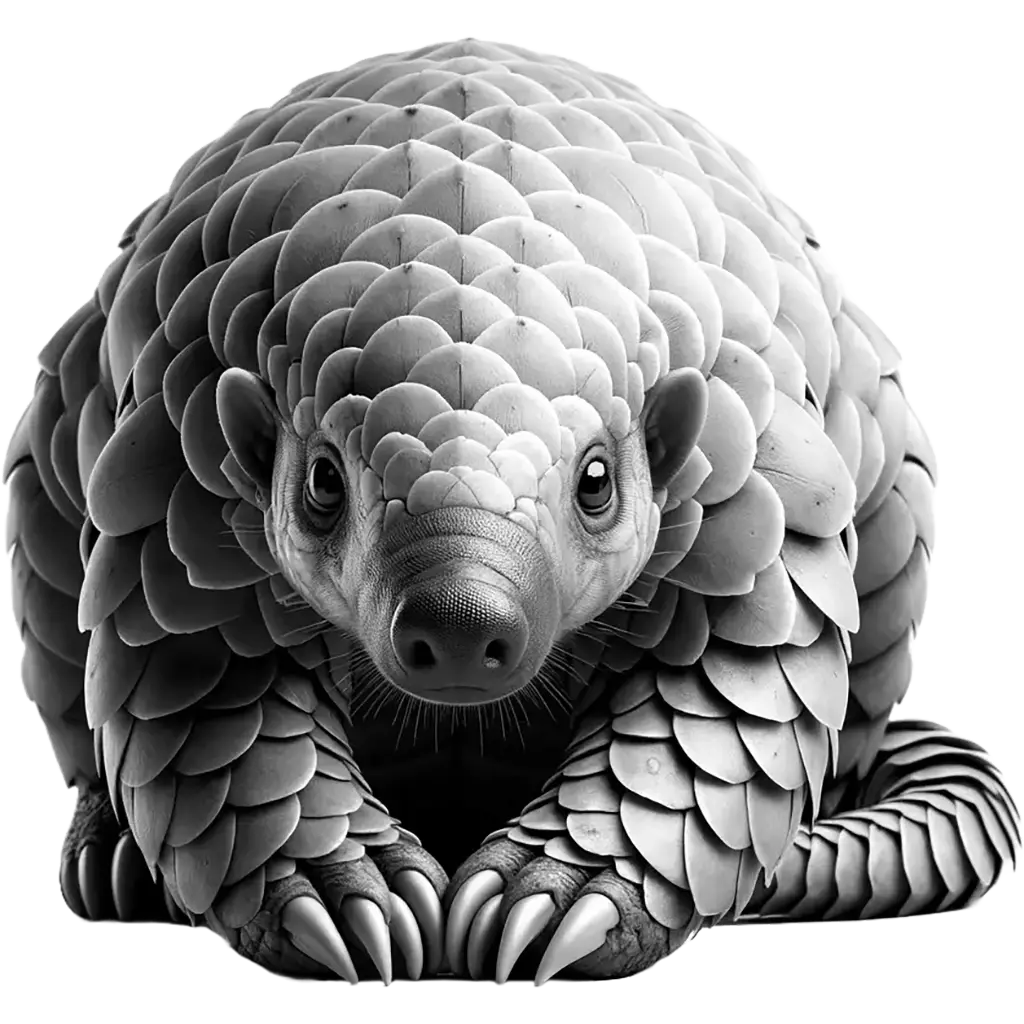
The Indian Pangolin, manis crassicaudata, is a unique and elusive mammal native to the Indian subcontinent, including parts of India, Sri Lanka, Bangladesh, and Pakistan. Characterized by its armored scales, which cover most of its body except for the underside, face, and inner limbs, the Indian Pangolin is an anteater
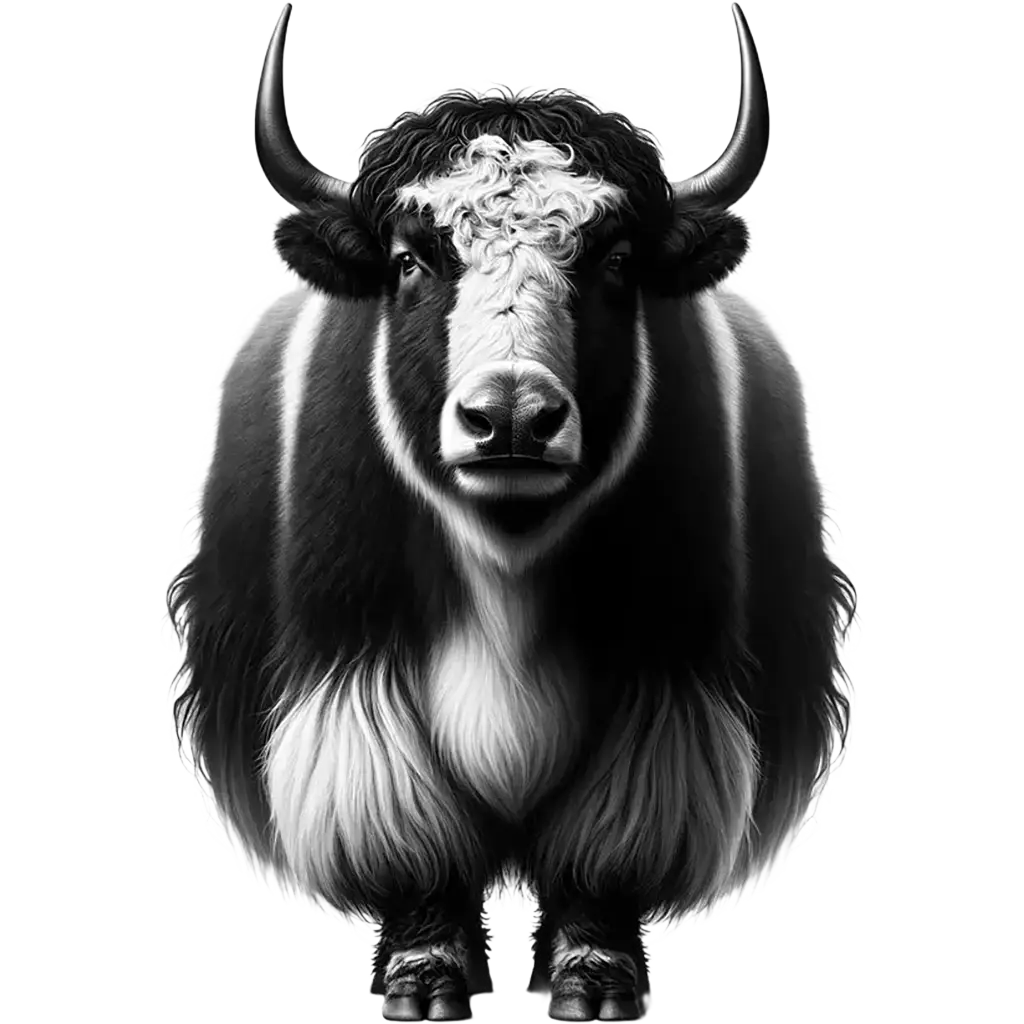
The Yak, bos grunniens, is a long-haired bovid native to the Himalayan region of South Central Asia, the Tibetan Plateau, and as far north as Mongolia and Russia. Adult Yaks can stand up to 2 meters at the shoulder and weigh between 300 to 1,200 kg, with males significantly larger