
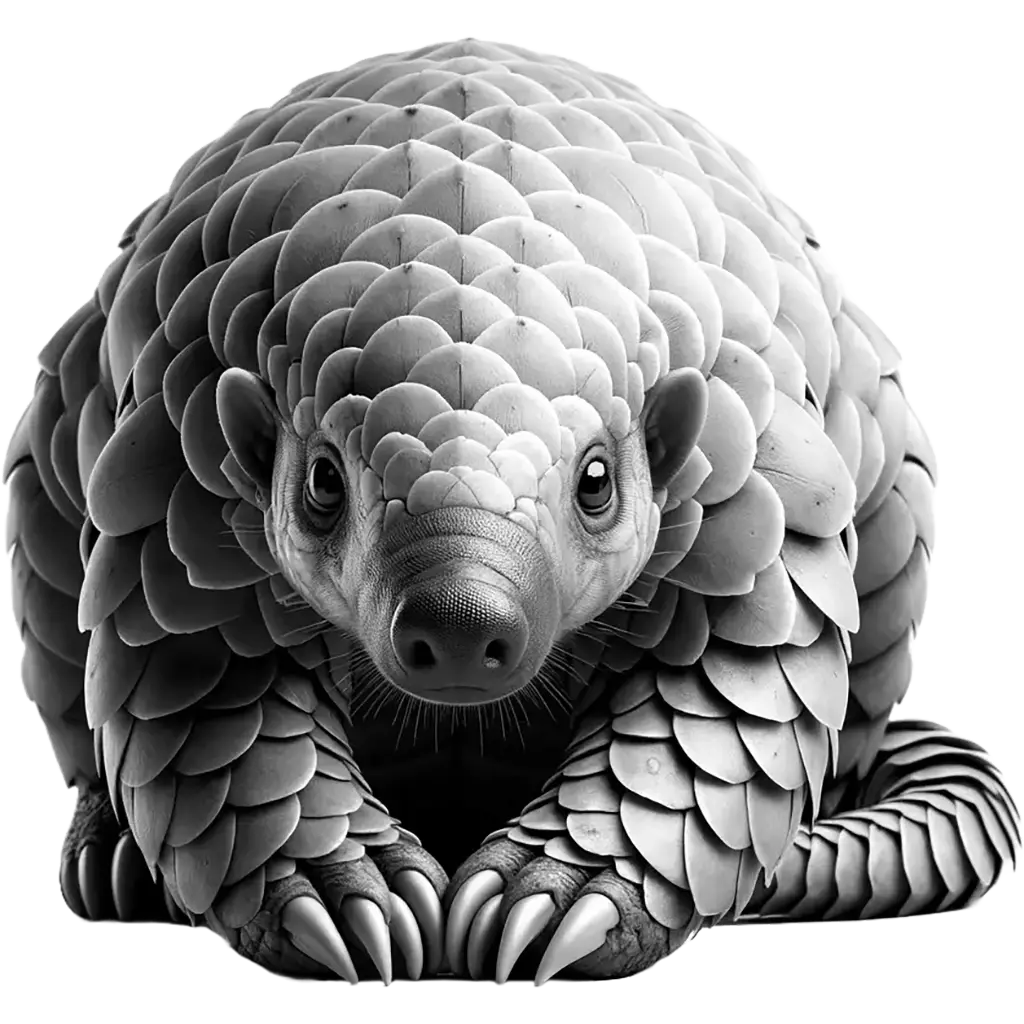
Manis Crassicaudata
Indian Pangolin
Tropical forests, grasslands, and arid regions
The Indian Pangolin, manis crassicaudata, is a unique and elusive mammal native to the Indian subcontinent, including parts of India, Sri Lanka, Bangladesh, and Pakistan. Characterized by its armored scales, which cover most of its body except for the underside, face, and inner limbs, the Indian Pangolin is an anteater that plays a crucial role in controlling insect populations. Adults can weigh between 10 to 16 kg and measure up to 1 meter in length, including the tail, making them one of the larger pangolin species. The scales, made of keratin, provide protection against predators, curling into a tight ball when threatened.
| Population: | Listed as Endangered due to illegal trafficking and habitat loss |
| Generation Length: | 5-7 years |
| Average Weight: | 10-16 kg |
| Average Length: | 80-100 cm, including the tail |
| Lifespan: | Up to 20 years in captivity, less known in the wild |
| Diet: | Myrmecophagous, specializing in ants and termites |
| Conservation Status: | Endangered (EN) |
Indian Pangolins are solitary and nocturnal, spending most of their day in burrows and emerging at night to feed. They inhabit a range of environments, from tropical forests to grasslands and arid regions, showing a preference for areas with abundant termite and ant colonies. Their sharp, curved claws are perfect for digging into insect nests, while their long, sticky tongues allow them to consume thousands of insects in a single night.
The diet of the Indian Pangolin is primarily composed of ants and termites. This specialization requires them to cover large areas during their nocturnal forays to find sufficient food, contributing to their secretive nature and the difficulty in studying their habits in the wild.
Reproduction in Indian Pangolins involves the birth of a single offspring, following a gestation period of about 65 to 70 days. The young, called a pangopup, is born with soft scales that harden within a few days. Mothers carry their young on their tails or back and nurse them in the safety of the burrow until they are capable of fending for themselves.
The population of the Indian Pangolin is under severe threat due to illegal wildlife trade, primarily for their scales and meat. They are also affected by habitat loss and fragmentation. Classified as Endangered by the IUCN, conservation efforts for the Indian Pangolin include strict enforcement of wildlife protection laws, habitat conservation, and raising awareness about the species' plight. Their critical ecological role and current conservation status underscore the urgent need for effective protection measures.
Classifications
The Key Attributes
Features
- Movement:
Walking, burrowing
- Territorial Behavior:
Solitary and nocturnal
- Speed:
Slow-moving, more adept at burrowing
- Diet:
Insectivore
- Physical Features:
- Covered in tough, overlapping scales
- Long, sticky tongue for catching insects
- Strong claws for digging
- Can roll into a ball when threatened
- Primary Senses:
- Smell
- Hearing
Understanding Habitat and Range
Geography
- Habitat:
Tropical forests, grasslands, and arid regions
- Migration Patterns:
Non-migratory, with a home range
- Geographical Range:
Throughout India, Sri Lanka, and parts of Pakistan and Nepal
- Climate Preferences:
Varies widely from tropical to temperate climates
Navigating the Wilderness
In the wild
- Predators:
Large carnivores like tigers, leopards, and hyenas
- Prey:
Ants, termites, and other small invertebrates
- Feeding Behavior:
Feeds primarily on ants and termites, using its long tongue to extract them from nests
- Diet:
Myrmecophagous, specializing in ants and termites
- Defensive Mechanisms:
- Rolls into an armored ball to protect from predators
- Uses sharp-edged scales as a defensive weapon
- Preferred Food Sources:
- Areas with abundant ant and termite populations
Insights Into Reproduction
Mating
- Mating System:
Not well documented, but believed to be polygynous
- Number of Offspring:
Usually one
- Gestation Period:
About 65-70 days
- Parental Involvement:
- Mothers carry the single offspring on their back after weaning until independence
Youngsters Section
Indian Pangolin
Fun Fact
Indian pangolins have overlapping scales made of keratin, protecting them from predators.
These nocturnal mammals are solitary creatures, known for their unique ability to roll into a tight ball when threatened. They primarily feed on ants and termites, using their long, sticky tongues to capture prey. Unfortunately, they are critically endangered due to habitat loss and poaching.

Download word search puzzles
Word Search Puzzles


Check Out Other Mammals

The Walrus, odobenus rosmarus, is a large marine mammal known for its distinctive tusks, whiskers, and massive bulk. Adult males can weigh between 800 to 1,700 kg, with females being somewhat smaller, averaging 400 to 1,250 kg. Both sexes possess long tusks, which can grow up to 1 meter in

The Scottish Deerhound, a breed of majestic stature and gentle temperament, is revered for its grace and dignity. Standing up to 32 inches at the shoulder and weighing as much as 110 pounds, this breed possesses a rough coat that can range from gray to brindle, sandy, and blue-gray, providing
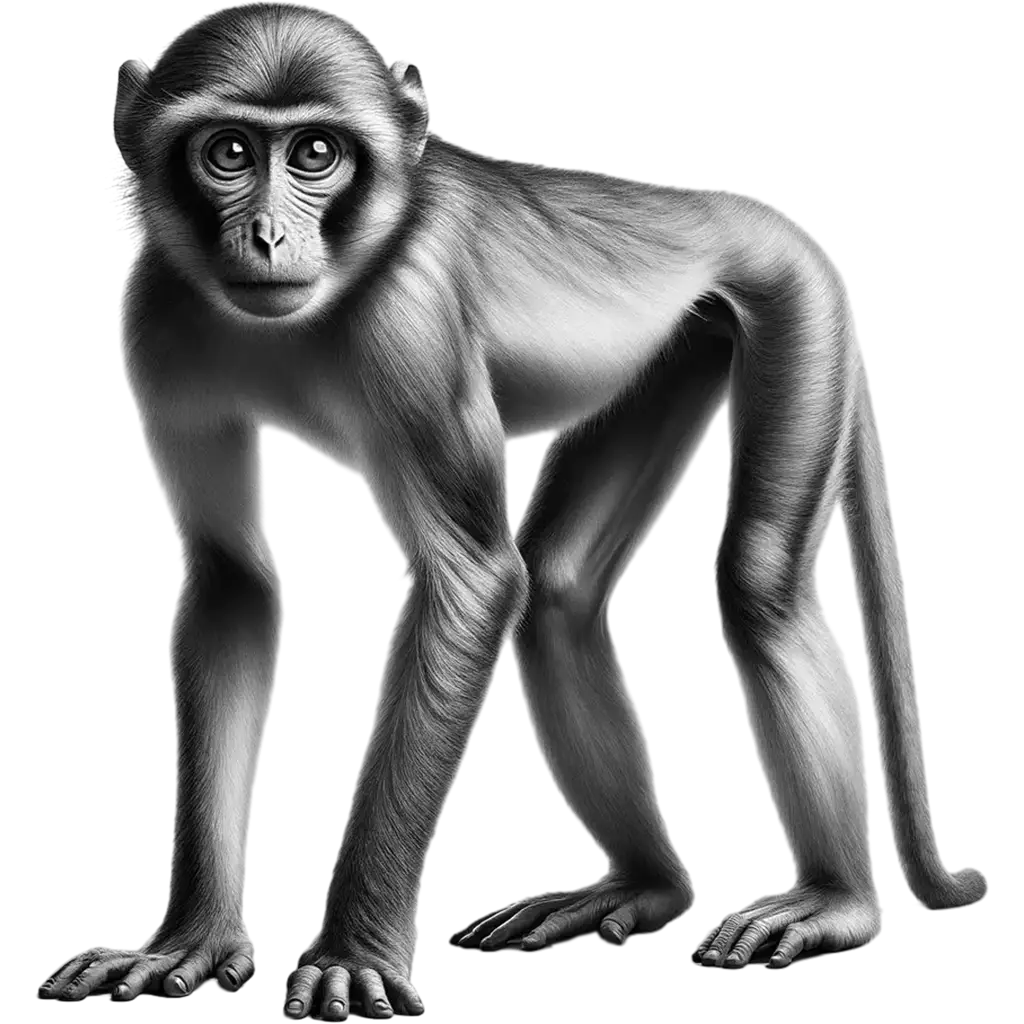
The Barbary Macaque, Macaca sylvanus, also known as the Barbary Ape despite being a true monkey, holds the distinction of being the only primate aside from humans to live freely in Europe, particularly in the British Overseas Territory of Gibraltar, as well as in fragmented forested areas in the Atlas

The Siberian Husky, a medium-sized working dog breed, is renowned for its endurance and willingness to work. Originating from Siberia, these dogs were bred by the Chukchi people for sled pulling and companionship. Siberian Huskies have a striking appearance, characterized by their thick double coat, erect triangular ears, and distinctive