
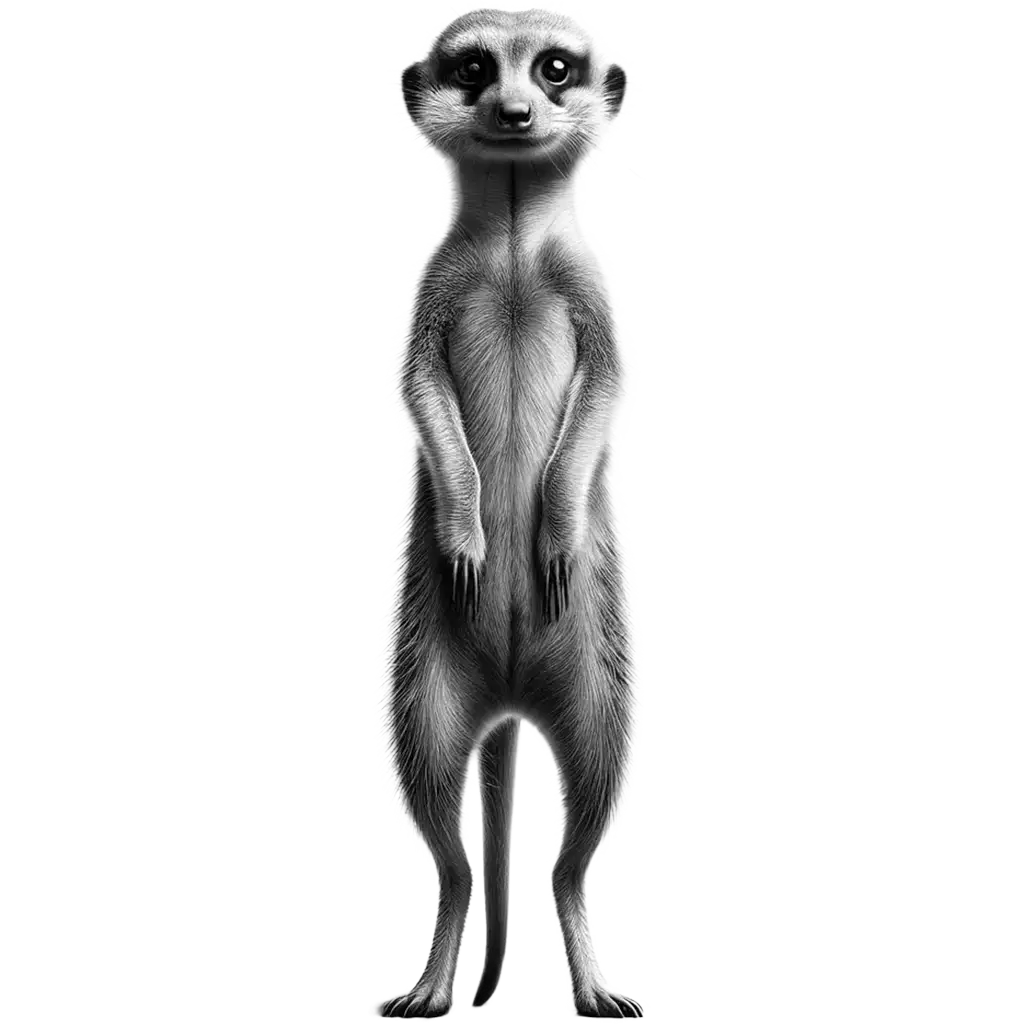
Suricata Suricatta
Meerkat
Arid regions, open savannas, and grasslands
The Meerkat, suricata suricatta, is a small mammal belonging to the mongoose family, renowned for its social behavior and upright standing posture. Adults typically measure about 25 to 35 cm in length, with a tail adding another 17 to 25 cm. They weigh around 0.6 to 0.9 kg. Their slender bodies are covered in short, coarse fur, predominantly tan or light brown with unique dark stripes across their backs, aiding camouflage in their natural habitat. Meerkats have small, black, pointed faces with large eyes surrounded by dark patches, which reduce glare and enhance their vision under the bright desert sun.
| Population: | Listed as Least Concern, with stable populations |
| Generation Length: | 2-3 years |
| Average Weight: | 0.6-0.9 kg |
| Average Length: | 25-35 cm in body length, with a tail of 17-25 cm |
| Lifespan: | 6-10 years in the wild |
| Diet: | Insectivorous and omnivorous, with a varied diet including plant matter |
| Conservation Status: | Least Concern (LC) |
Native to the arid regions of southern Africa, Meerkats inhabit open country, including savannahs and grasslands with sandy soil where they can dig their complex burrow systems. These burrows provide shelter from predators and extreme temperatures. Highly social, Meerkats live in groups called 'mobs' or 'gangs,' consisting of up to 30 individuals, where they exhibit cooperative behaviors such as foraging, babysitting, and sentry duty.
The diet of the Meerkat is omnivorous, primarily consisting of insects, which they adeptly dig up with their sharp claws. They also consume lizards, snakes, scorpions, spiders, plants, and small mammals. Their immunity to certain venoms, including that of the scorpion, allows them to prey on these dangerous creatures with minimal risk.
Reproduction in Meerkats involves all members of the mob in the care of the offspring. Females can give birth to 1 to 5 pups after a gestation period of about 11 weeks, up to three times a year. The pups are born blind and helpless, relying on the mob for protection and to learn essential survival skills, such as foraging and hunting.
The population of the Meerkat is considered stable, facing no major threats. Their adaptability to changing environments and the protection offered by living in large groups contribute to their survival. Despite this, habitat loss and the pet trade pose potential risks. Conservation efforts focus on habitat protection and raising awareness about the complexities of wild Meerkat social structures and ecological roles.
Classifications
The Key Attributes
Features
- Movement:
Walking, running, digging
- Territorial Behavior:
Highly social, living in groups called mobs or gangs
- Speed:
Capable of quick bursts of speed when threatened
- Diet:
Omnivore
- Physical Features:
- Small size with a slender body and long limbs
- Pointed snout and large eyes positioned towards the front of the head
- Sharp claws for digging
- Distinctive black patches around the eyes
- Primary Senses:
- Sight
- Hearing
- Smell
Understanding Habitat and Range
Geography
- Habitat:
Arid regions, open savannas, and grasslands
- Migration Patterns:
Sedentary, with established territories
- Geographical Range:
Southern Africa, particularly in the Kalahari Desert
- Climate Preferences:
Prefers dry, open areas with sparse vegetation
Navigating the Wilderness
In the wild
- Predators:
Eagles, jackals, and hyenas
- Prey:
Insects, lizards, small rodents, eggs, and occasionally small birds
- Feeding Behavior:
Forages for insects, spiders, small vertebrates, and plant matter
- Diet:
Insectivorous and omnivorous, with a varied diet including plant matter
- Defensive Mechanisms:
- Vigilant lookout system with one or more individuals watching for predators
- Bolting to underground burrows when threatened
- Group mobbing of predators to protect members
- Preferred Food Sources:
- Areas rich in invertebrates and accessible small vertebrates
Insights Into Reproduction
Mating
- Mating System:
Cooperative breeding with a dominant breeding pair
- Number of Offspring:
2-5 pups
- Gestation Period:
About 11 weeks
- Parental Involvement:
- Dominant female leads the group, with subordinate members assisting in caring for the young
Youngsters Section
Meerkat
Fun Fact
Meerkats have a unique sentinel behavior where one stands guard while others forage for food.
This behavior ensures the group's safety from predators. The sentinel meerkat uses distinct calls to signal danger, alerting the group to seek shelter or remain vigilant. This coordinated watch system is essential for their survival in the wild, showcasing their social structure and cooperation.

Download word search puzzles
Word Search Puzzles


Check Out Other Mammals

The American Bison, bison bison, is a majestic symbol of the North American plains, standing up to 2 meters tall at the shoulder and weighing over a ton. These massive animals are characterized by their long, shaggy brown coats, massive heads, and distinctive hump over their shoulders, designed to help
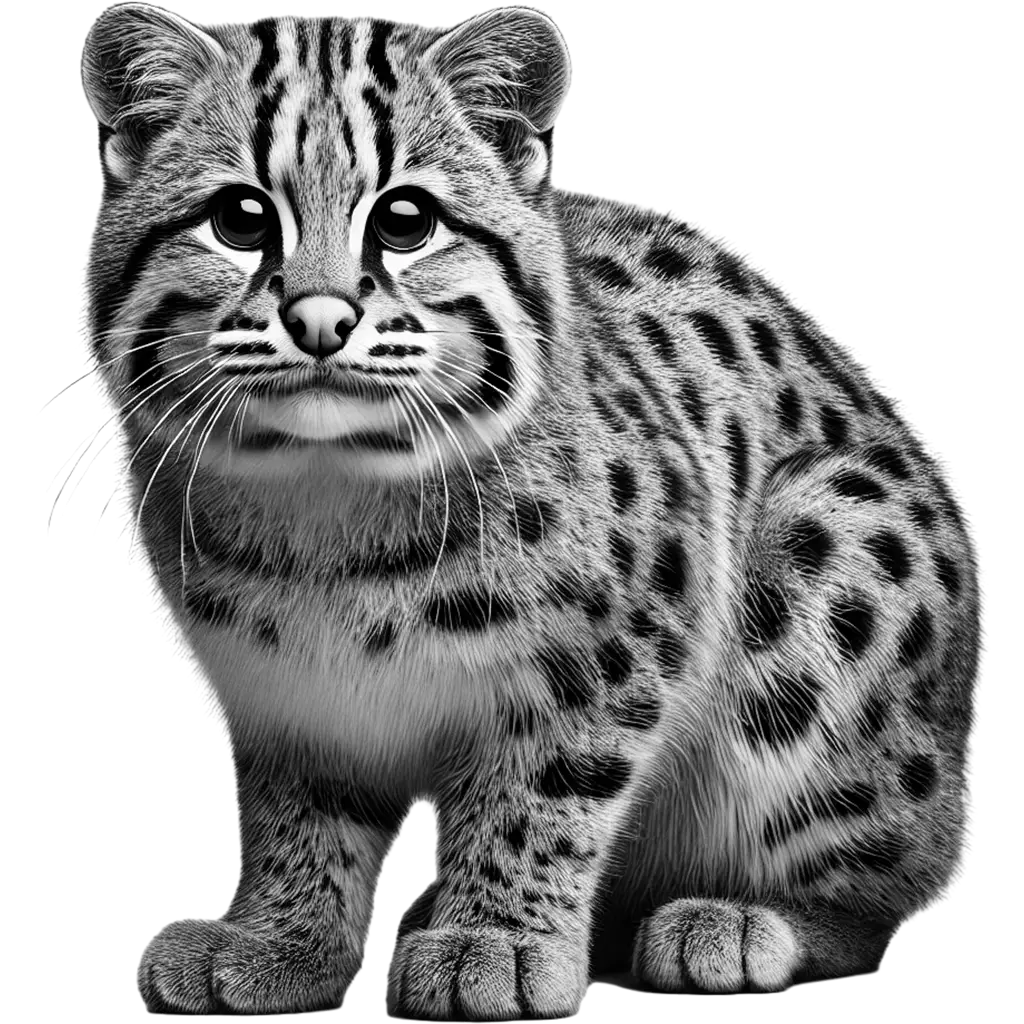
Fishing Cats are medium-sized wild cats with a robust, muscular build and dense tawny fur accented by subtle markings. They feature large, rounded ears, a broad head, and partially webbed paws that aid in swimming. A long, tapering tail provides balance during agile maneuvers on both land and water. Their
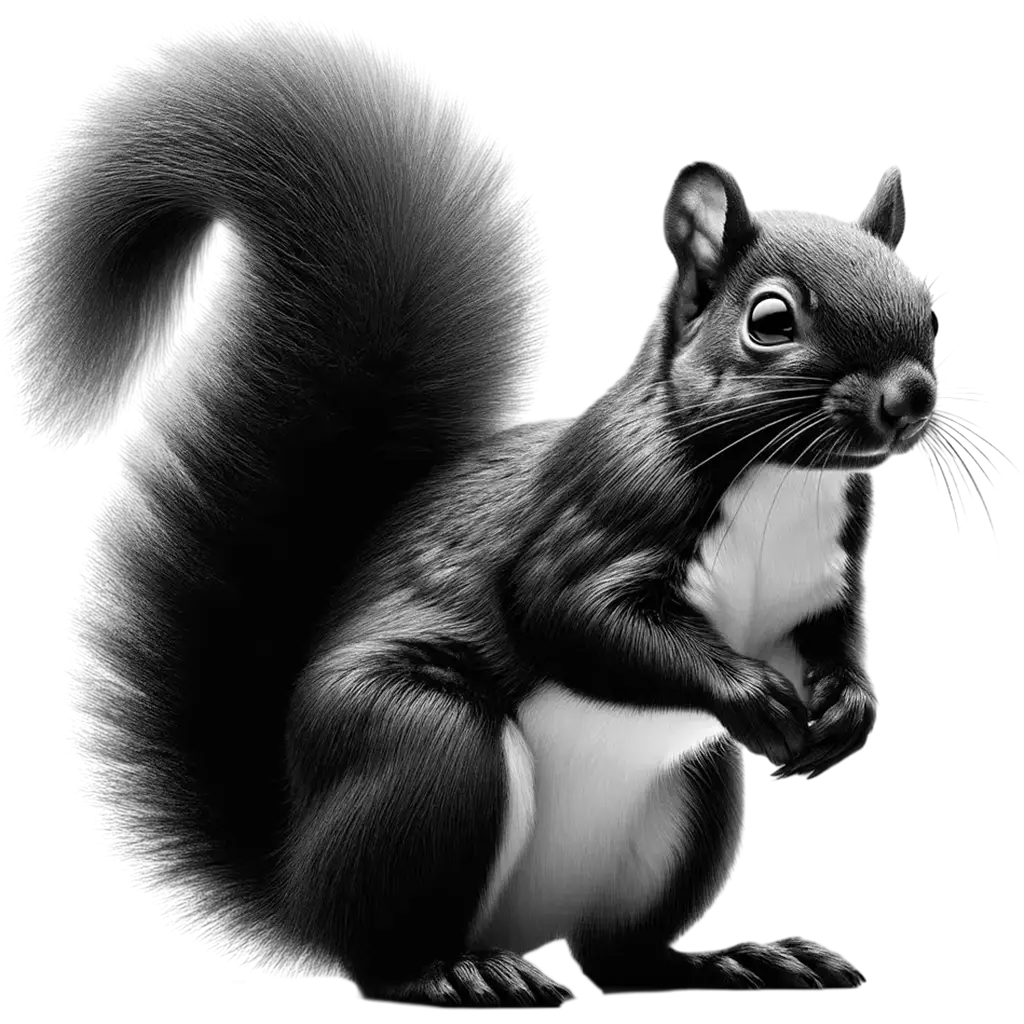
The Mexican Gray Squirrel, sciurus aureogaster, is a medium-sized squirrel native to Central America and southern Mexico. This species is characterized by its distinctive pelage, which varies from gray to brownish-gray on the back with a contrasting reddish or orange underside, making it easily distinguishable from other squirrel species. Adults
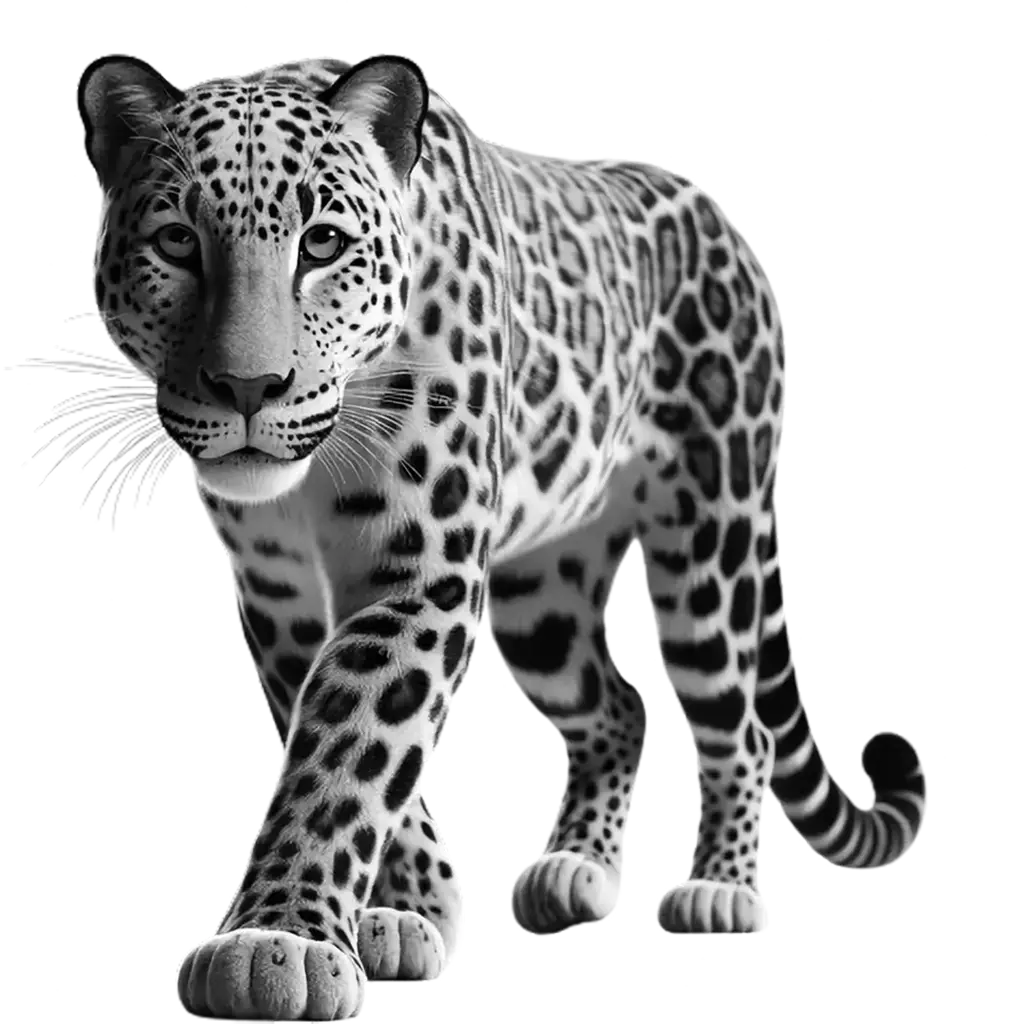
The Leopard, panthera pardus, is a member of the Felidae family and one of the five big cats in the genus Panthera. Known for its beautifully spotted fur, the Leopard has a graceful, powerful body, allowing it to adapt to a variety of habitats including forests, mountains, grasslands, and deserts