
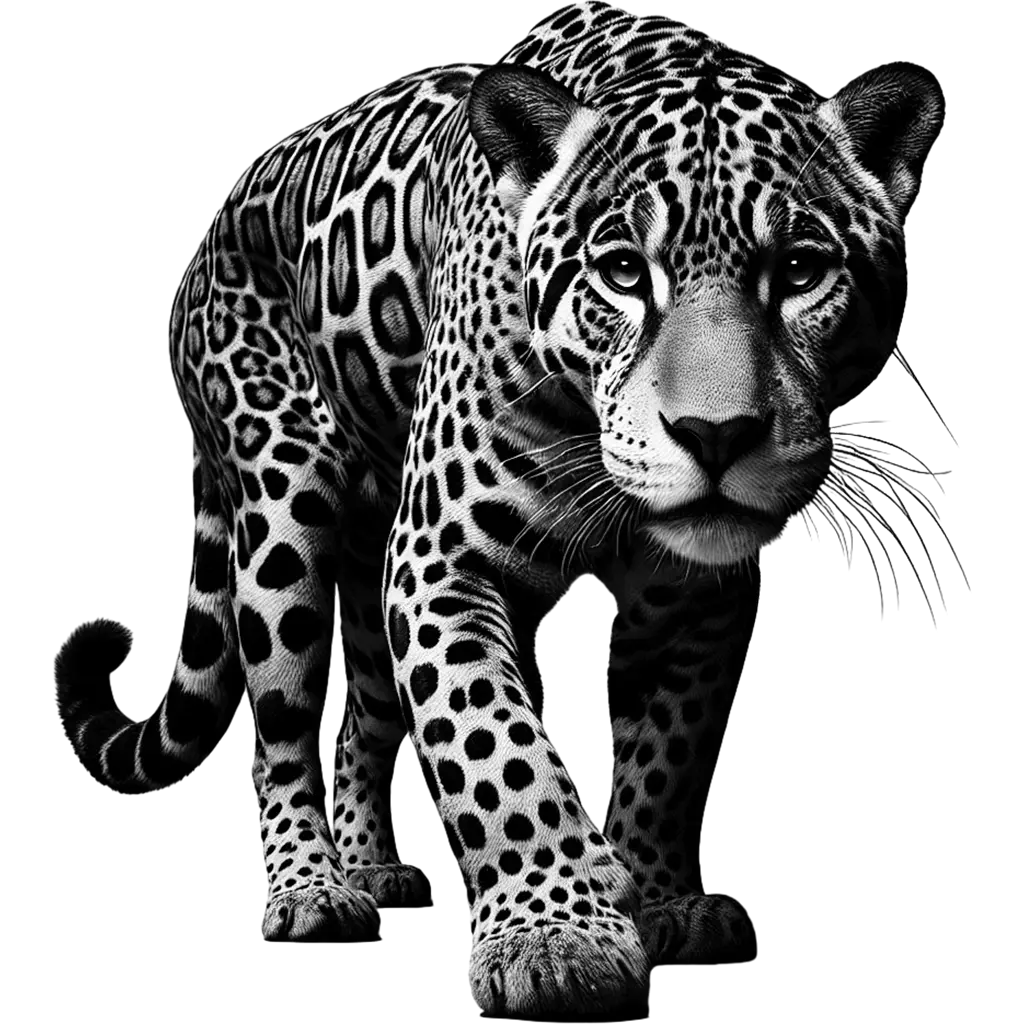
Panthera Onca
Jaguar
Tropical rainforests, savannas, and wetlands
The Jaguar, panthera onca, is the largest cat in the Americas and the third-largest feline in the world, after tigers and lions. Known for its powerful build, the Jaguar has a broad head, muscular limbs, and a robust body that enables it to excel in climbing, swimming, and crawling through dense forest underbrush. Adults can reach lengths of up to 1.85 meters, not including their tail, and weigh up to 96 kilograms. The coat is typically a rich golden yellow covered in black rosettes and spots, which provides excellent camouflage in their natural habitat. Some Jaguars are melanistic, appearing almost entirely black, a trait that occurs due to a genetic mutation.
| Population: | Estimated to be fewer than 15,000 individuals in the wild |
| Generation Length: | Approximately 3-4 years |
| Average Weight: | 56-96 kg (females), 90-120 kg (males) |
| Average Length: | 1.12-1.85 m (body length), 45-75 cm (tail length) |
| Lifespan: | 12-15 years in the wild, up to 20 years in captivity |
| Diet: | Wide variety of animals, prefers large ungulates |
| Conservation Status: | Near Threatened (NT) |
Jaguars are solitary and territorial animals that prefer dense rainforests, swamps, and wooded regions. They are found from the southern United States across Mexico and much of Central America, to the south through Brazil, Peru, and Argentina. Jaguars require large territories to thrive, with access to fresh water being a critical component of their habitat, as they are excellent swimmers. They are apex predators, playing a crucial role in maintaining the balance of their ecosystems by controlling other species' populations.
The diet of the Jaguar is diverse, including more than 85 species of prey. They primarily hunt terrestrial mammals such as deer, peccaries, capybaras, and tapirs, but they also consume reptiles, fish, and occasionally birds. Jaguars are known for their unique killing method, which involves biting through the skull of their prey between the ears to deliver a fatal blow to the brain. This powerful bite is capable of piercing turtle shells and other hard barriers, showcasing their incredible strength.
Reproduction in Jaguars does not have a specific season, with females being receptive to mating throughout the year. After a gestation period of approximately 100 days, the female gives birth to a litter of two to four cubs. The cubs are born blind and are entirely dependent on their mother for the first few months of life. They remain with her for one to two years, learning essential survival skills before venturing out to establish territories of their own.
The Jaguar is currently listed as Near Threatened by the IUCN, with significant threats from habitat loss due to deforestation and agricultural expansion, as well as poaching for their pelts and body parts. Conservation efforts are underway across their range, focusing on habitat preservation, the establishment of wildlife corridors to connect fragmented populations, and anti-poaching measures. These efforts are critical to ensuring the survival of the Jaguar, a keystone species essential for the health and diversity of its ecosystem.
Classifications
The Key Attributes
Features
- Movement:
Quadrupedal
- Territorial Behavior:
Solitary, except during mating season or when females have cubs
- Speed:
Can reach speeds up to 80 km/h in short bursts
- Diet:
Carnivore
- Physical Features:
- Powerful and muscular body
- Rosette patterned fur
- Broad head and powerful jaws
- Primary Senses:
- Sight
- Hearing
- Smell
Understanding Habitat and Range
Geography
- Habitat:
Tropical rainforests, savannas, and wetlands
- Migration Patterns:
Non-migratory, but individuals have large territories they roam
- Geographical Range:
From the southern United States through Central America to northern Argentina
- Climate Preferences:
Prefers dense rainforest or swampland environments, but is adaptable to a range of habitats
Navigating the Wilderness
In the wild
- Predators:
Humans are the primary threat; jaguars are apex predators
- Prey:
Includes capybaras, deer, peccaries, fish, and even caimans
- Feeding Behavior:
Stalk-and-ambush predator, preying on over 85 species
- Diet:
Wide variety of animals, prefers large ungulates
- Defensive Mechanisms:
- Stealth
- Strength
- Swimming ability
- Preferred Food Sources:
- Capybaras
- Deer
- Peccaries
Insights Into Reproduction
Mating
- Mating System:
Polygynous
- Number of Offspring:
1-4 cubs
- Gestation Period:
Approximately 100 days
- Parental Involvement:
- Mother solely cares for the cubs for up to two years
Youngsters Section
Jaguar
Fun Fact
Jaguars have the strongest bite force of any big cat, capable of crushing bones with ease.
Their powerful jaws can generate a force of 1,500 to 2,000 pounds per square inch. This strength allows them to pierce through the skulls of prey and even crack open turtle shells. Jaguars' hunting skills and adaptability make them apex predators in their habitats.

Download word search puzzles
Word Search Puzzles

Check Out Other Mammals
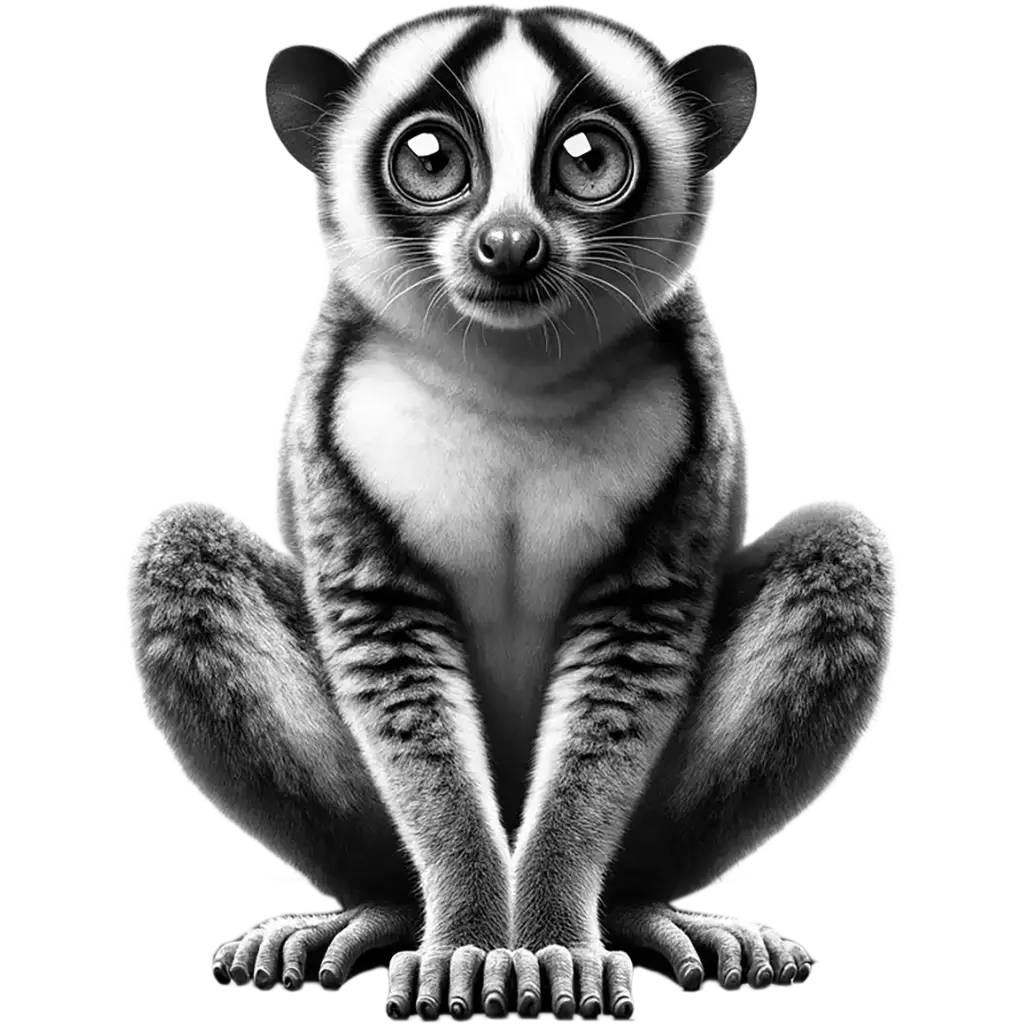
The Gray Slender Loris, loris lydekkerianus, is a small, nocturnal primate native to the forests and thickets of Sri Lanka and parts of India. This elusive creature is characterized by its slender body, large forward-facing eyes, and short, rounded ears, which are essential for its nocturnal lifestyle. It possesses a
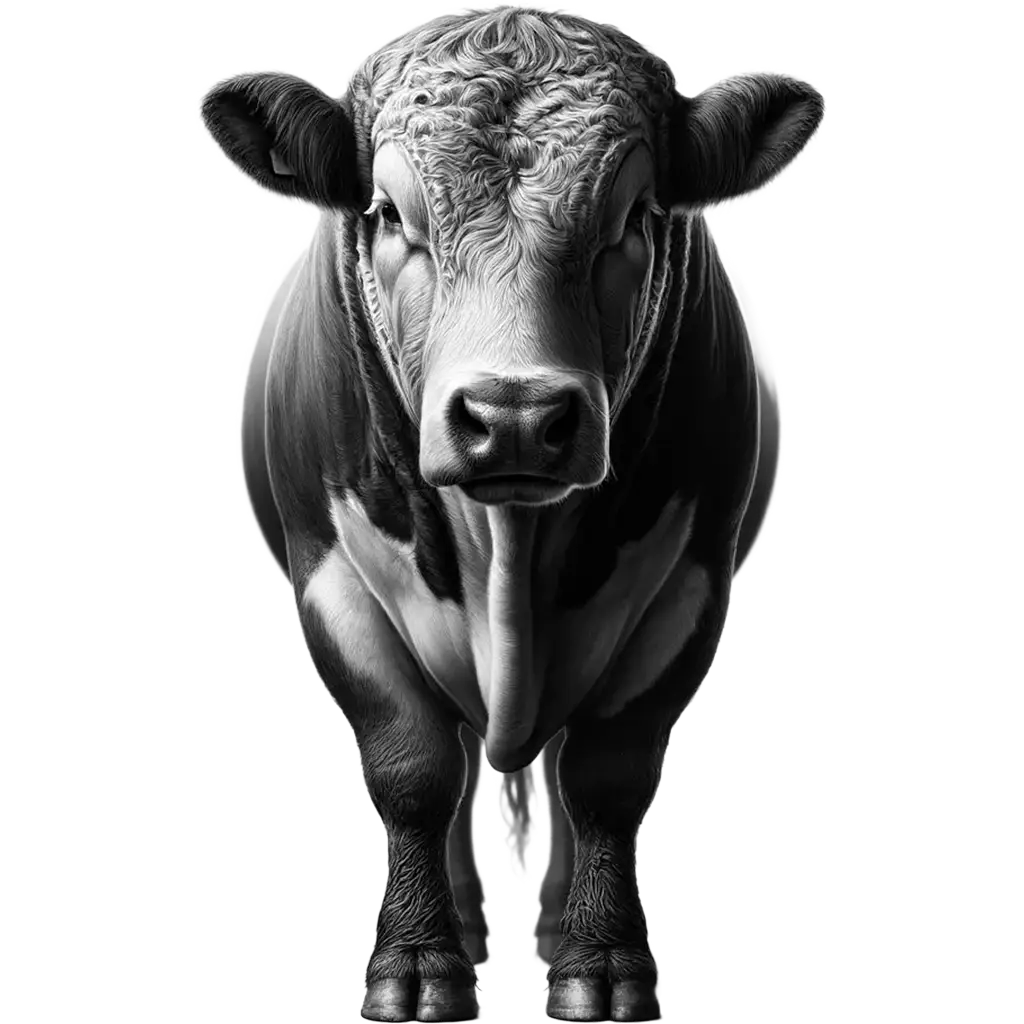
The Shorthorn breed of cattle, known for its diverse utility in both dairy and beef production, showcases a variety of coat colors including red, white, and the distinctive roan, which is a mix of the two. This medium to large-sized breed features a broad and deep body, strong legs, and
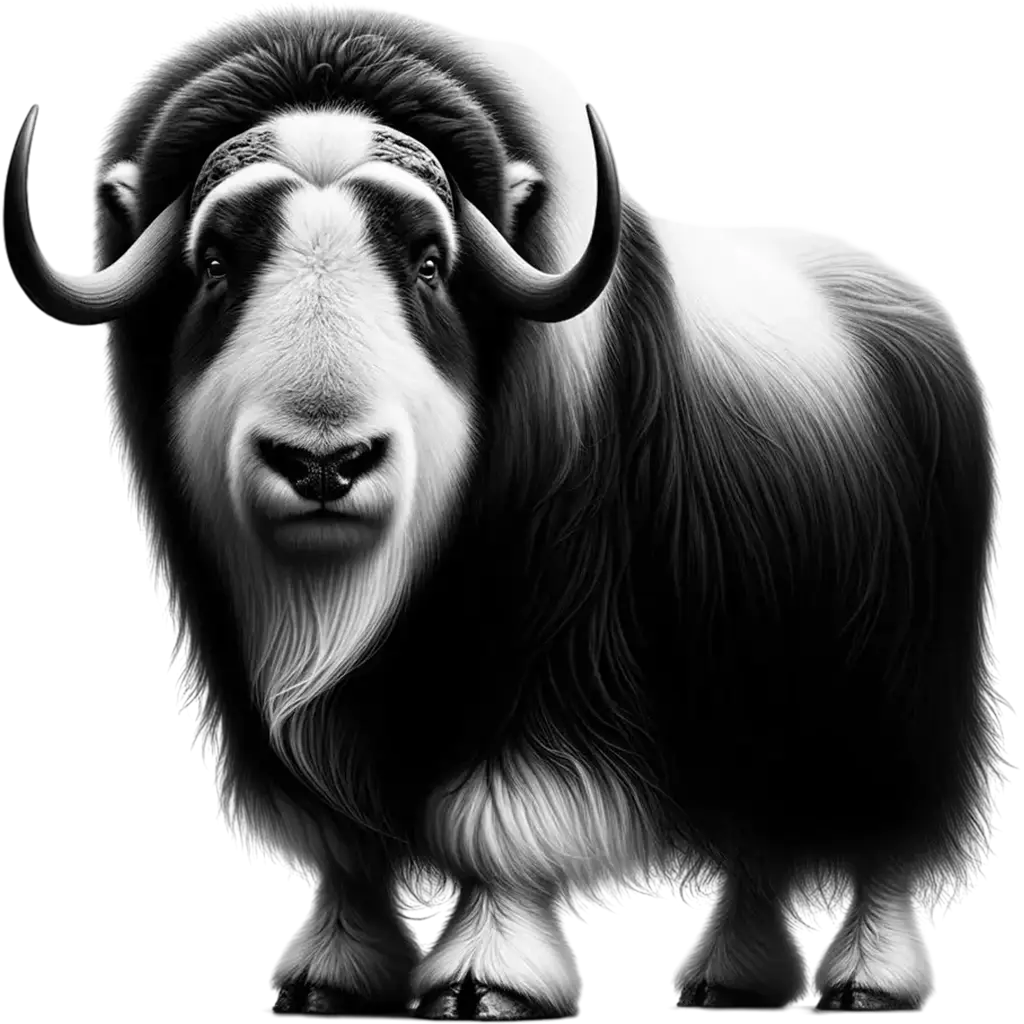
The Muskox, ovibos moschatus, is a robust, Arctic mammal known for its thick coat and strong, musky odor from which it derives its name. Adult Muskoxen can weigh between 200 to 400 kg and stand up to 1.5 meters tall at the shoulder. They exhibit a distinctive appearance with a
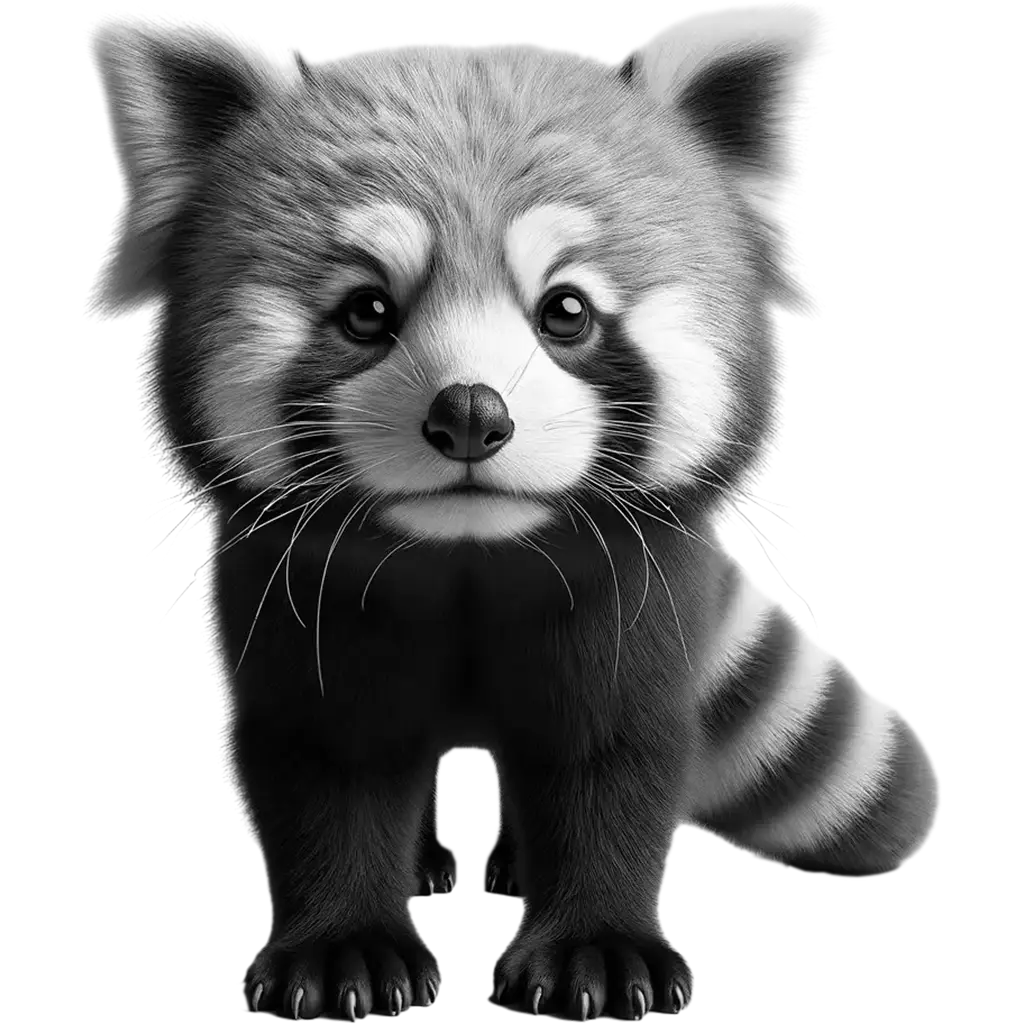
The Red Panda, ailurus fulgens, is a small mammal native to the temperate forests of the Himalayas and southwestern China. Characterized by its reddish-brown fur, bushy tail with six alternating yellowish-red and dark rings, and a wistful face with white markings, it resembles a raccoon more than its namesake, the