
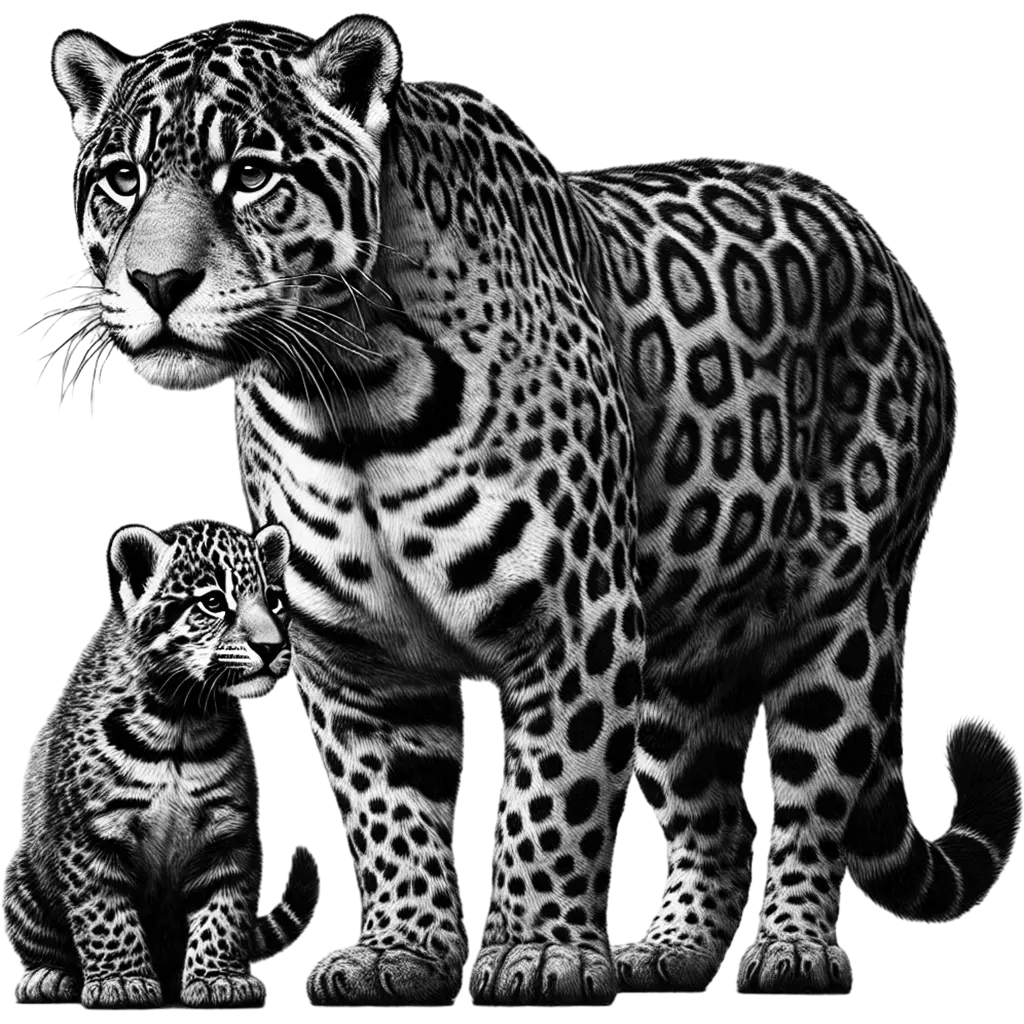
Top ten fascinating facts about
Jaguar
Panthera Onca
Jaguars have the strongest bite force of any big cat, capable of crushing bones with ease. Their powerful jaws can generate a force of 1,500 to 2,000 pounds per square inch. This strength allows them to pierce through the skulls of prey and even crack open turtle shells. Jaguars' hunting skills and adaptability make them apex predators in their habitats.
Jaguars are the largest big cats in the Americas
Jaguars are the third-largest big cats in the world, after tigers and lions, but they are the biggest in the Western Hemisphere. Adult males can weigh up to 250 pounds (113 kilograms) and measure up to 6 feet (1.8 meters) in length, not including their tail. Their robust build and muscular physique make them formidable predators in their habitats across Central and South America.
They have the strongest bite force of all big cats, relative to their size
With powerful jaws and a bite force of up to 1,500 pounds per square inch (psi), jaguars have the strongest bite among big cats when adjusted for size. This incredible strength allows them to pierce the tough hides and even shells of their prey, such as caimans and turtles. They employ a unique killing method by biting directly through the skull to deliver a fatal blow to the brain.
Jaguars are excellent swimmers and are comfortable in water
Unlike many other big cats, jaguars are not afraid of water and are quite adept at swimming. They often live near rivers, lakes, and swamps, and they readily take to the water to hunt or to move between areas. Their swimming skills enable them to catch aquatic prey like fish and amphibians, expanding their hunting grounds and dietary options.
The name 'jaguar' comes from an Indigenous word meaning 'he who kills with one leap'
The word 'jaguar' is derived from the Tupi-Guarani languages of the Indigenous peoples of the Amazon Basin. 'Yaguara' translates to 'beast' or 'predator,' and it's often interpreted as 'he who kills with one leap.' This name reflects the jaguar's ability to ambush prey with a swift and powerful pounce, often overcoming animals larger than themselves.
Their rosette-patterned coat is unique to each individual, much like a fingerprint
Jaguars are known for their beautiful coat adorned with rosettes—large spots with a central spot inside. These patterns provide excellent camouflage in their forest habitats, mimicking the play of light through the leaves. No two jaguars have the exact same pattern, which researchers use to identify and monitor individual animals in the wild.
Jaguars can see six times better than humans in the dark
Equipped with highly sensitive vision adapted for low-light conditions, jaguars are primarily nocturnal hunters. Their eyes have a high concentration of rod cells and a reflective layer called the tapetum lucidum, which enhances their ability to see in the dark. This superior night vision allows them to stalk and ambush prey effectively under the cover of darkness.
They have a diverse diet and are apex predators in their ecosystems
As opportunistic hunters, jaguars have one of the most varied diets of any big cat. They prey on over 85 species, including mammals like deer and capybaras, reptiles like caimans and snakes, and even birds and fish. As apex predators, jaguars play a crucial role in maintaining the balance of their ecosystems by controlling the populations of other species.
Jaguars are solitary animals with large territories
Except during mating season or when a mother is raising cubs, jaguars are solitary creatures. Males and females establish and patrol extensive territories that can overlap, but they typically avoid each other. They communicate through vocalizations, scent markings, and scratch marks to signal their presence and maintain their domains.
They are culturally significant and featured prominently in Indigenous mythology
Jaguars hold a revered place in the mythology and folklore of many Indigenous cultures in the Americas. They are often associated with strength, power, and spirituality. In ancient Mayan and Aztec civilizations, jaguars were symbols of royalty and warriors, believed to possess the ability to cross between the physical world and the spiritual realm.
Jaguars are classified as Near Threatened due to habitat loss and poaching
Despite their formidable nature, jaguars face significant threats from deforestation, habitat fragmentation, and illegal hunting. Their range has decreased by over 50% in the last century. Conservation efforts are underway to protect jaguar habitats, reduce human-wildlife conflicts, and curb poaching to ensure the survival of this majestic species.
Check Out Other Mammals
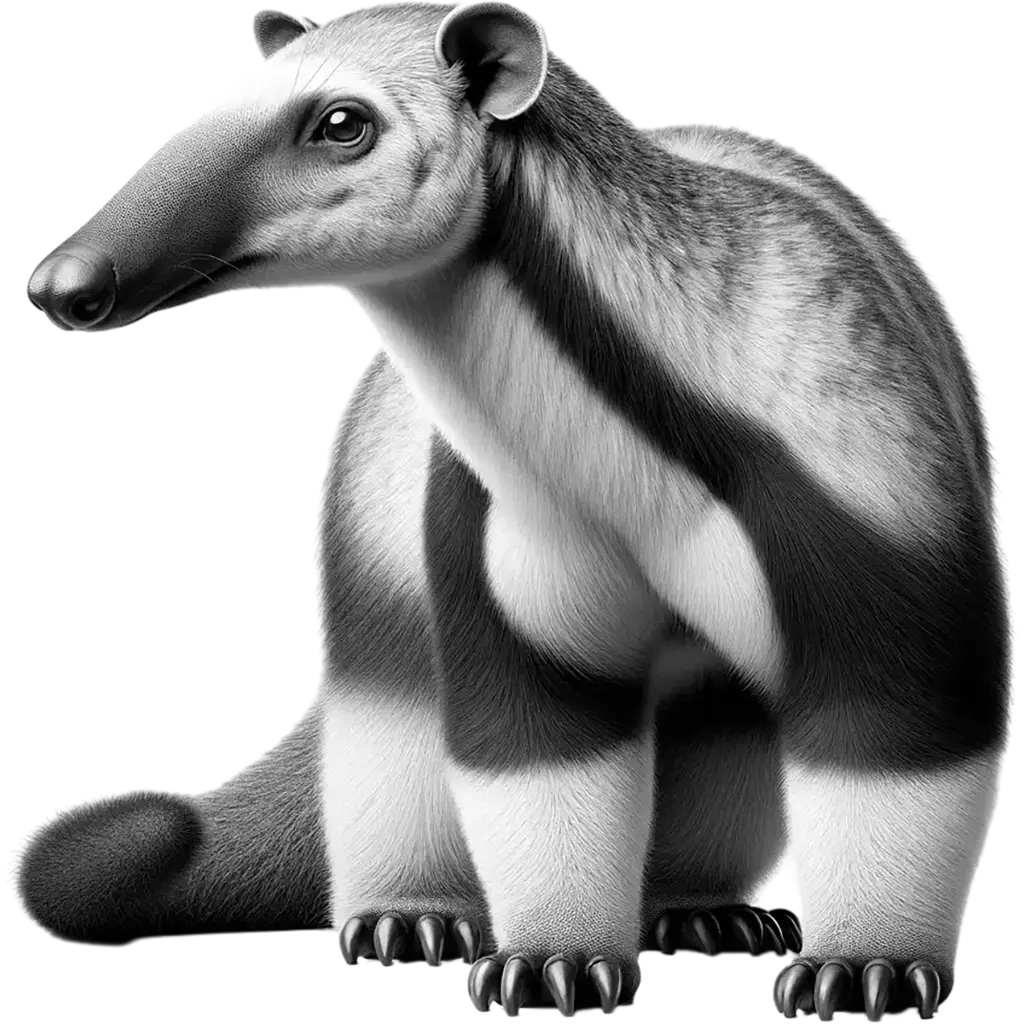
The Southern Tamandua, tamandua tetradactyla, also known as the Collared Anteater or Lesser Anteater, is a medium-sized arboreal mammal native to South America. This species is distinguished by its long, prehensile tail, elongated snout, and a distinctive black 'vest' pattern over its otherwise yellowish-brown fur, although coloration can vary significantly
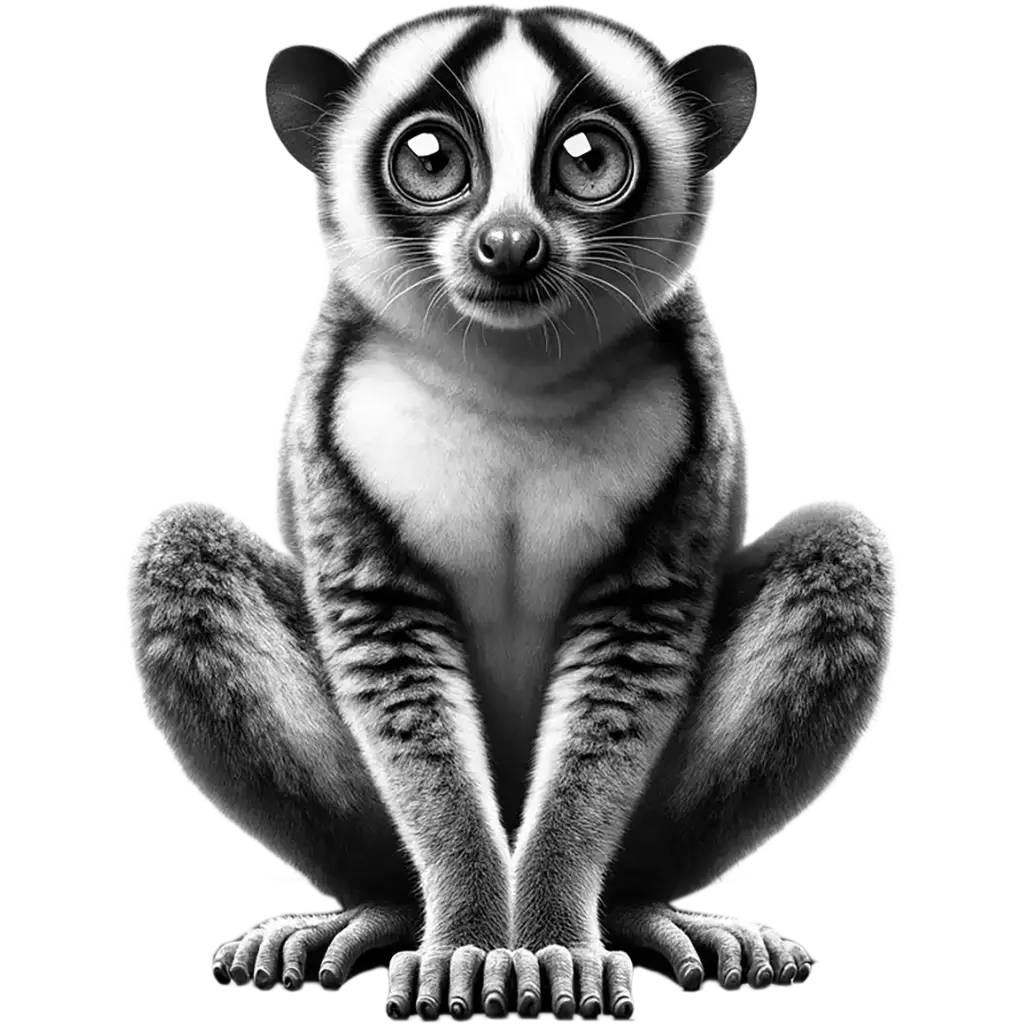
The Gray Slender Loris, loris lydekkerianus, is a small, nocturnal primate native to the forests and thickets of Sri Lanka and parts of India. This elusive creature is characterized by its slender body, large forward-facing eyes, and short, rounded ears, which are essential for its nocturnal lifestyle. It possesses a
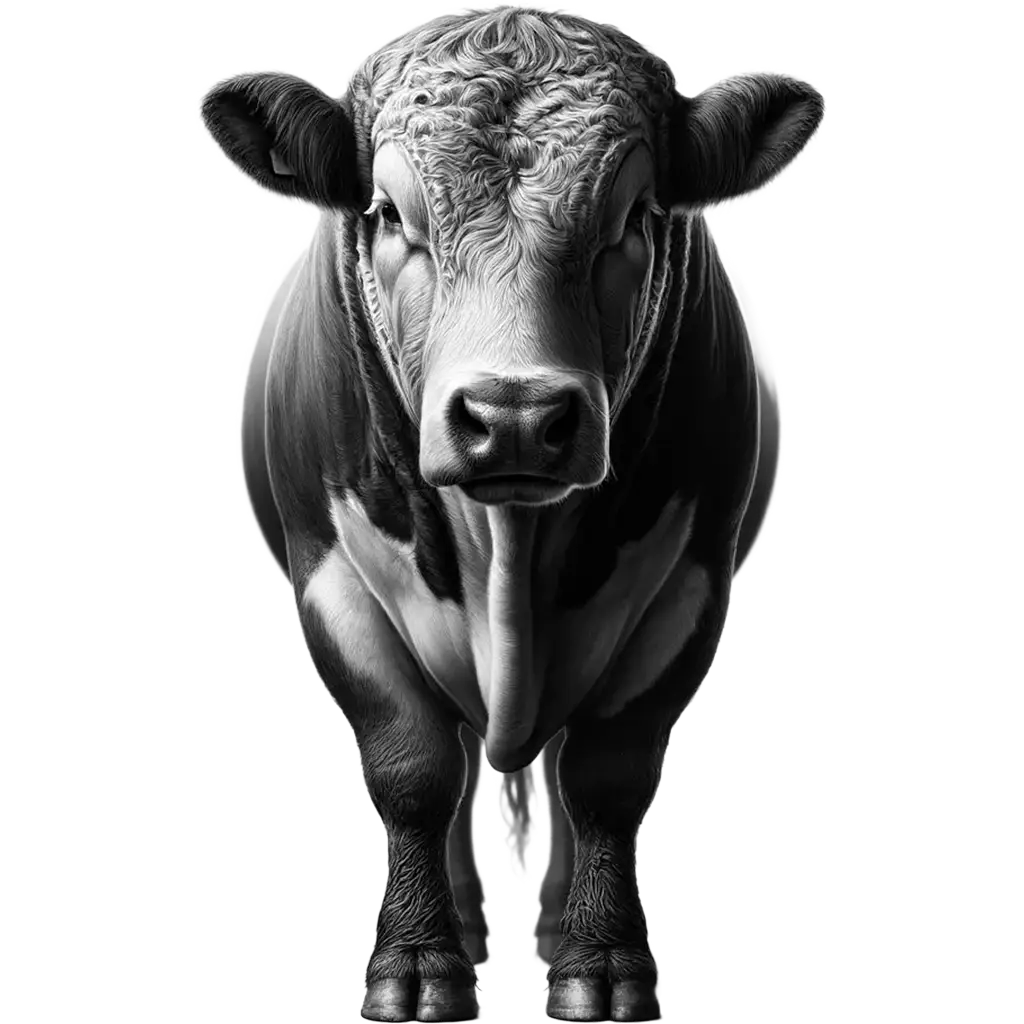
The Shorthorn breed of cattle, known for its diverse utility in both dairy and beef production, showcases a variety of coat colors including red, white, and the distinctive roan, which is a mix of the two. This medium to large-sized breed features a broad and deep body, strong legs, and
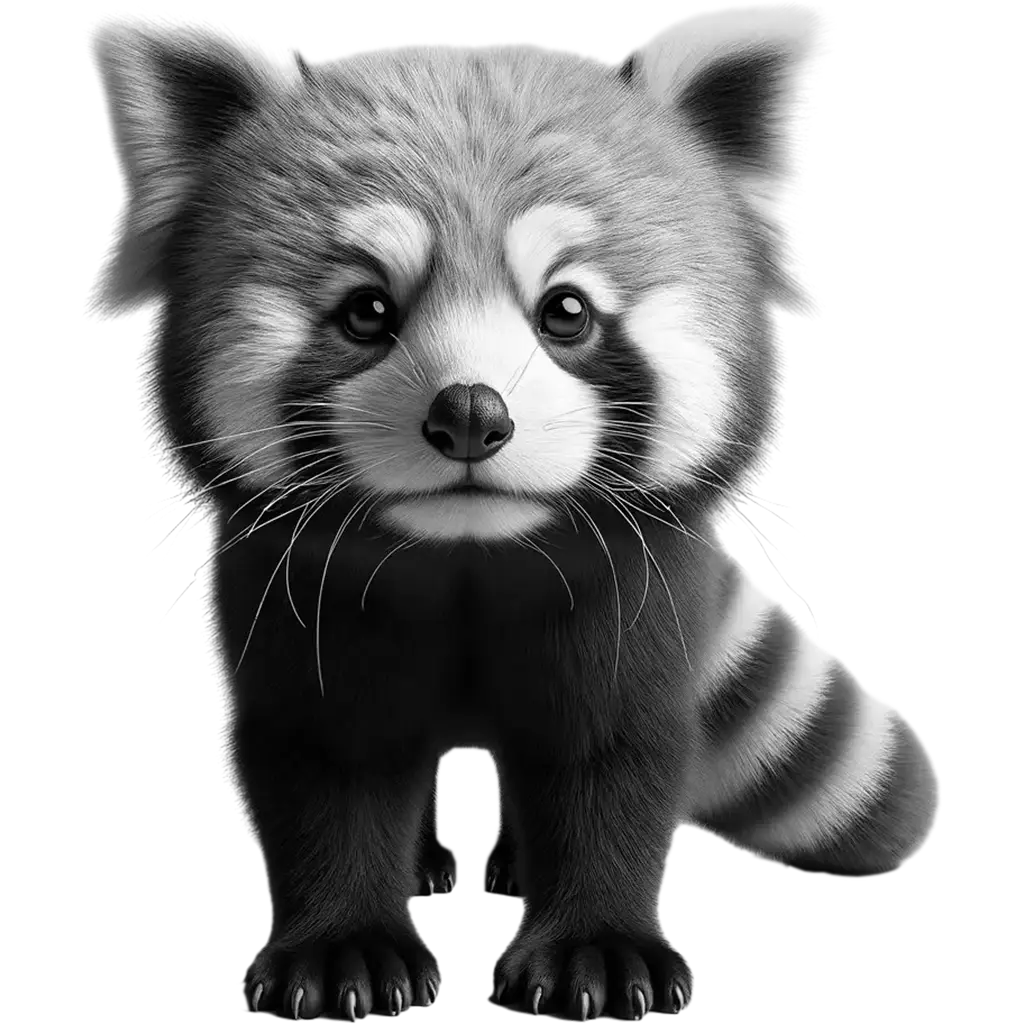
The Red Panda, ailurus fulgens, is a small mammal native to the temperate forests of the Himalayas and southwestern China. Characterized by its reddish-brown fur, bushy tail with six alternating yellowish-red and dark rings, and a wistful face with white markings, it resembles a raccoon more than its namesake, the