
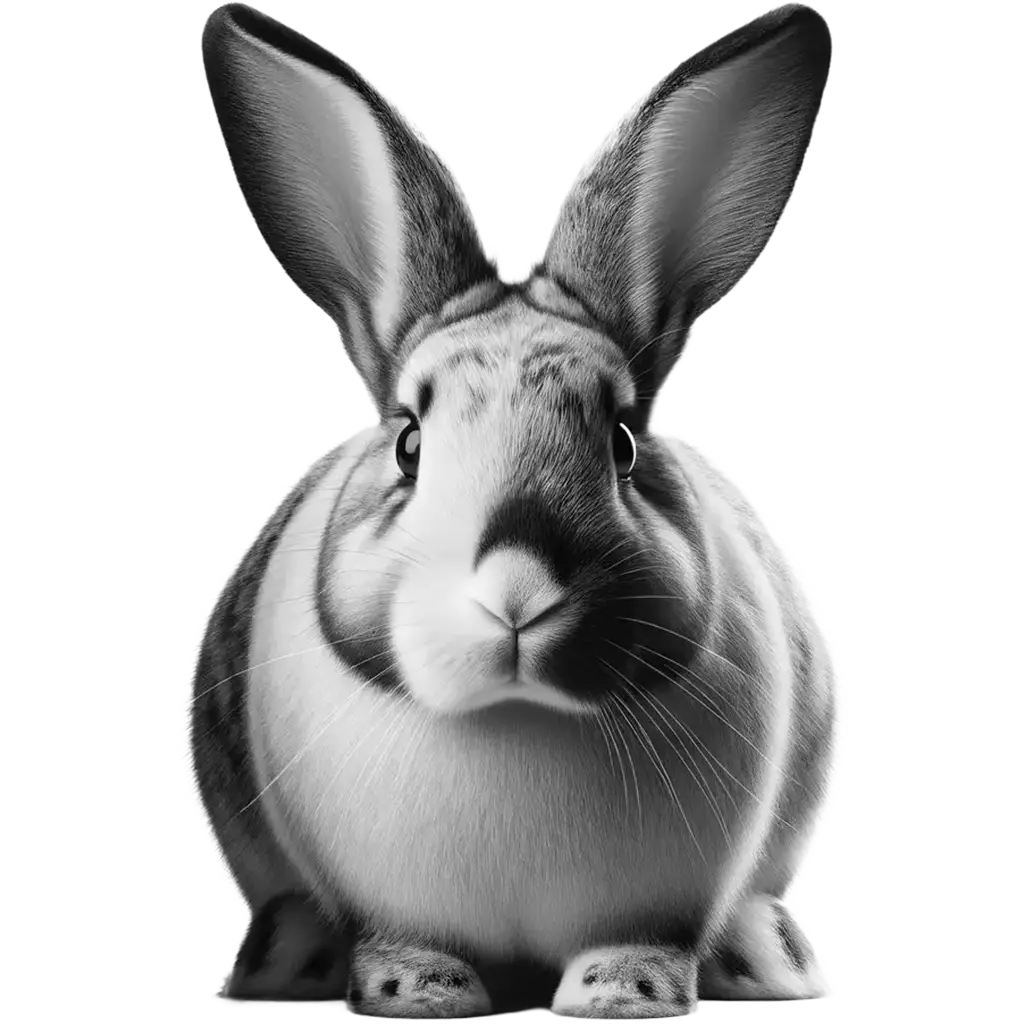
Oryctolagus Cuniculus
European Rabbit
Various, including meadows, woods, forests, grasslands, and agricultural fields
The European Rabbit, oryctolagus cuniculus, is a small mammal native to southwestern Europe and northwest Africa. With a compact body, the rabbit has a robust build, short tail, and long ears that can measure up to 7 cm in length. Adults typically weigh between 1.2 to 2.5 kg and have soft, short fur that ranges in color from sandy to dark gray or brown, with a lighter belly. Their strong hind legs are adapted for rapid movement, allowing them to escape predators with swift, zigzagging motions.
| Population: | Listed as Least Concern, but populations have declined in native range due to disease and habitat loss |
| Generation Length: | 1 year |
| Average Weight: | 1.2-2.5 kg |
| Average Length: | 34-50 cm |
| Lifespan: | Up to 9 years in the wild |
| Diet: | Herbivorous, feeding on a variety of grasses and plants |
| Conservation Status: | Endangered (EN) |
European Rabbits are highly social animals, living in complex burrow systems known as warrens, which provide shelter and protection from predators. These warrens can be extensive, with multiple entrances and chambers. Rabbits are known for their digging ability, using their strong front paws to create and maintain their burrow systems. They are most active during dusk and dawn, feeding and socializing on the surface.
The diet of the European Rabbit is herbivorous, consisting mainly of grasses, herbs, and leafy weeds. This diet is high in fiber, which is necessary for their digestive system to function properly. During the colder months, they may also consume bark and twigs. Their feeding behavior plays a significant role in shaping the vegetation of their habitat, often leading to conflicts with agriculture.
Reproduction is a well-known aspect of the European Rabbit's biology, with the phrase 'breed like rabbits' stemming from their high fertility. Females can produce multiple litters a year, each containing up to 12 young, following a gestation period of around 30 days. This reproductive strategy contributes to their ability to rapidly increase their population under favorable conditions.
Despite their abundance, European Rabbits are considered a species of concern in their native range due to habitat loss, disease, and hunting. Conversely, in regions where they have been introduced, such as Australia and New Zealand, they are often regarded as pests due to their impact on agriculture and native ecosystems. Conservation efforts in their native habitat focus on habitat preservation and population management, balancing the need to protect this species with the challenges it presents to human interests and biodiversity.
Classifications
The Key Attributes
Features
- Movement:
Hopping, running
- Territorial Behavior:
Social, living in large groups within complex burrow systems
- Speed:
Can reach speeds up to 55 km/h in short bursts
- Diet:
Herbivore
- Physical Features:
- Short, fluffy tail
- Long ears which can be as long as 10 cm
- Strong hind legs for hopping and running
- Soft, short fur with variation in color
- Primary Senses:
- Hearing
- Sight
- Smell
Understanding Habitat and Range
Geography
- Habitat:
Various, including meadows, woods, forests, grasslands, and agricultural fields
- Migration Patterns:
Non-migratory, but can disperse locally
- Geographical Range:
Native to southwestern Europe and northwest Africa; introduced to many other parts of the world
- Climate Preferences:
Temperate climates preferred, but adaptable to a range of conditions
Navigating the Wilderness
In the wild
- Predators:
Foxes, birds of prey, stoats, weasels, and humans
- Prey:
Not applicable
- Feeding Behavior:
Feeds on grass, forbs, and leafy weeds, with feeding activity mainly during dusk and dawn
- Diet:
Herbivorous, feeding on a variety of grasses and plants
- Defensive Mechanisms:
- Burrowing to escape predators
- Keen sense of hearing and smell to detect threats
- Fast running and hopping to evade capture
- Preferred Food Sources:
- Grasslands and open fields with abundant plant material
Insights Into Reproduction
Mating
- Mating System:
Polygynandrous
- Number of Offspring:
Typically 4-12 kits per litter
- Gestation Period:
28-31 days
- Parental Involvement:
- Females prepare a nest within the burrow and provide all care for the young until weaned
Youngsters Section
European Rabbit
Fun Fact
European rabbits are known for their remarkable ability to reproduce rapidly, earning them a reputation for fertility.
In ideal conditions, a single female rabbit can produce up to 30 offspring a year. This high reproduction rate is supported by their short gestation period of about 30 days and the ability to become pregnant almost immediately after giving birth. This ability has led to their widespread distribution and impact on various ecosystems.

Download word search puzzles
Word Search Puzzles


Check Out Other Mammals
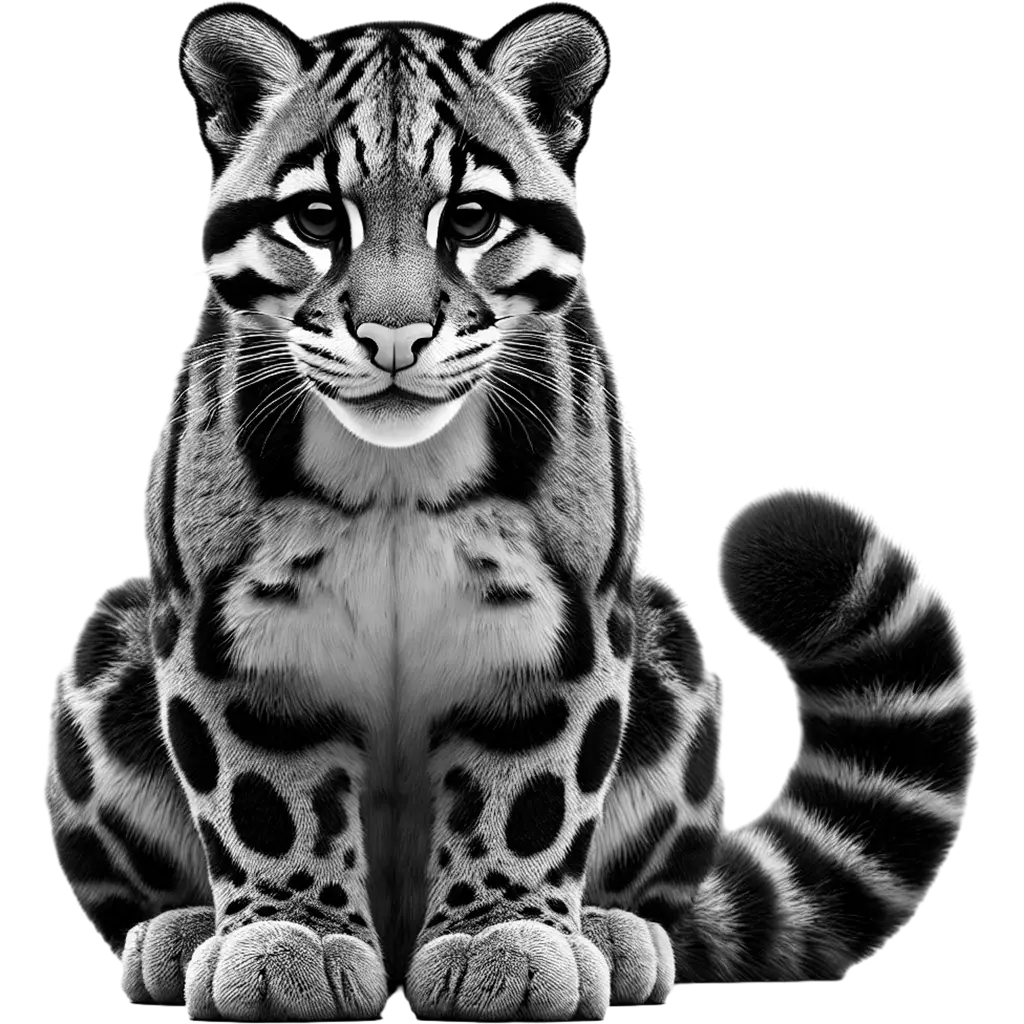
Neofelis nebulosa, the Clouded Leopard, is a medium-sized wild cat with a sleek, muscular body and a long tail that aids in balance during arboreal pursuits. Its coat features unique, cloud-like markings on a pale background, which serve as natural camouflage in the dappled light of dense forests. With a
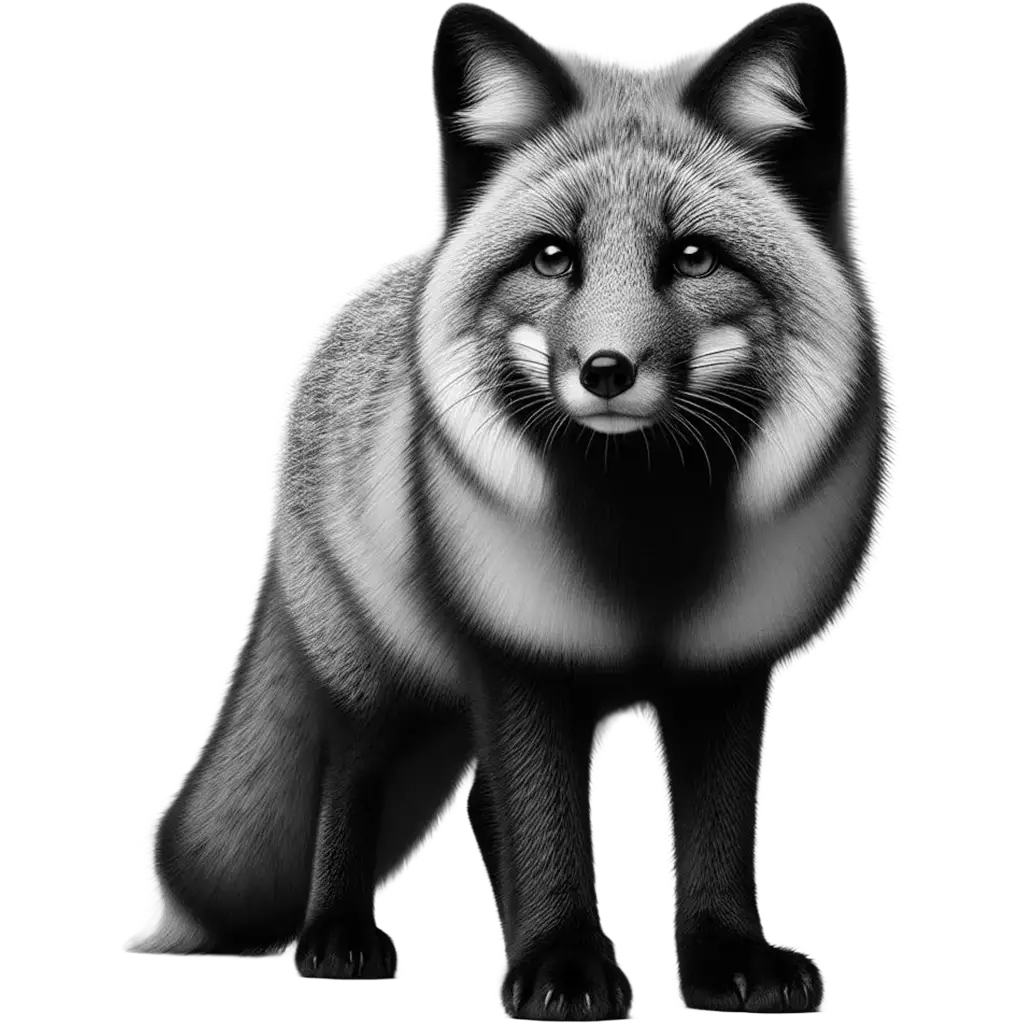
The Gray Fox, urocyon cinereoargenteus, is a medium-sized canid distinguished by its grizzled gray coat, with a black stripe running down its back and tail, and a white underbelly. Its most notable feature is its ability to climb trees, thanks to its strong, hook-shaped claws. This fox typically measures about
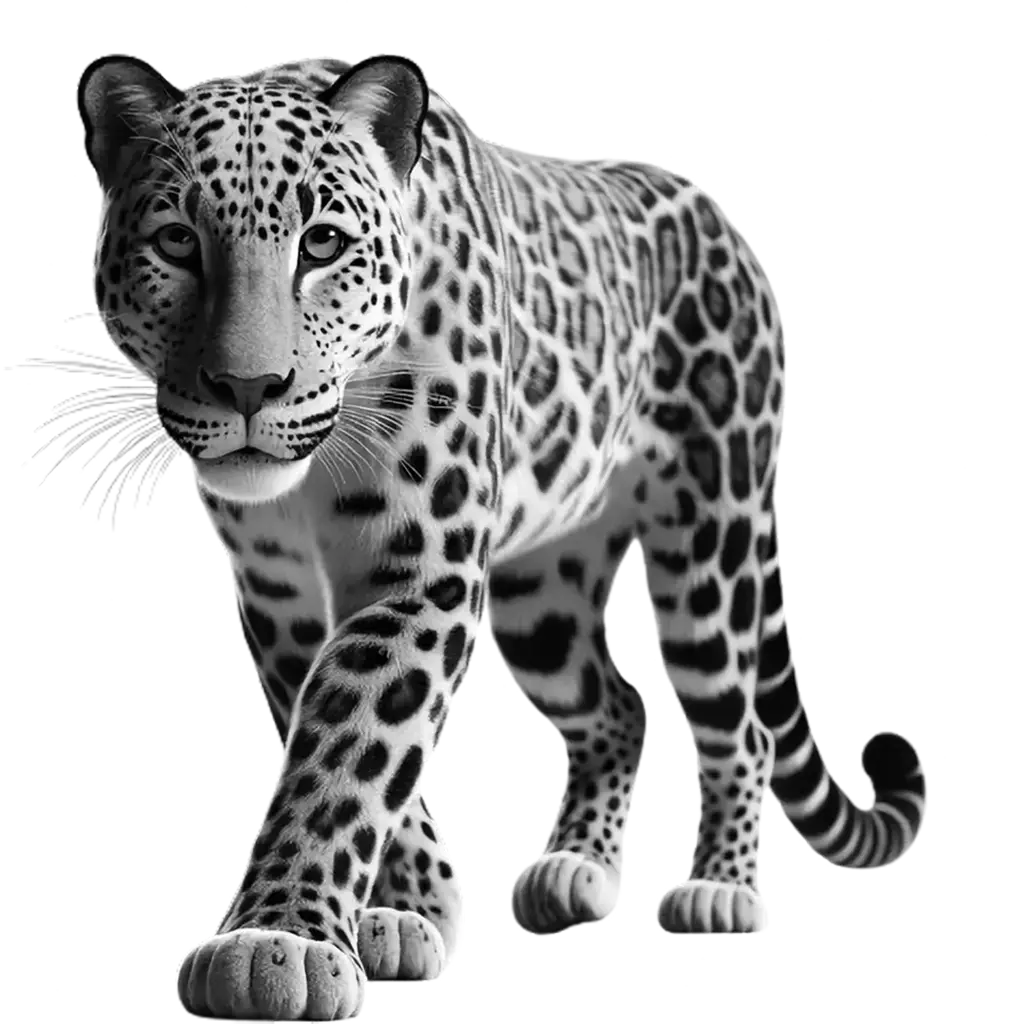
The Leopard, panthera pardus, is a member of the Felidae family and one of the five big cats in the genus Panthera. Known for its beautifully spotted fur, the Leopard has a graceful, powerful body, allowing it to adapt to a variety of habitats including forests, mountains, grasslands, and deserts
The Hausa Genet, Genetta thierryi, is a small, elusive carnivore native to West Africa, with its range extending from Senegal to Nigeria. This species is one of the lesser-known members of the Viverridae family, which includes genets and civets. Adult Hausa Genets typically measure between 40 to 46 centimeters (15.7