
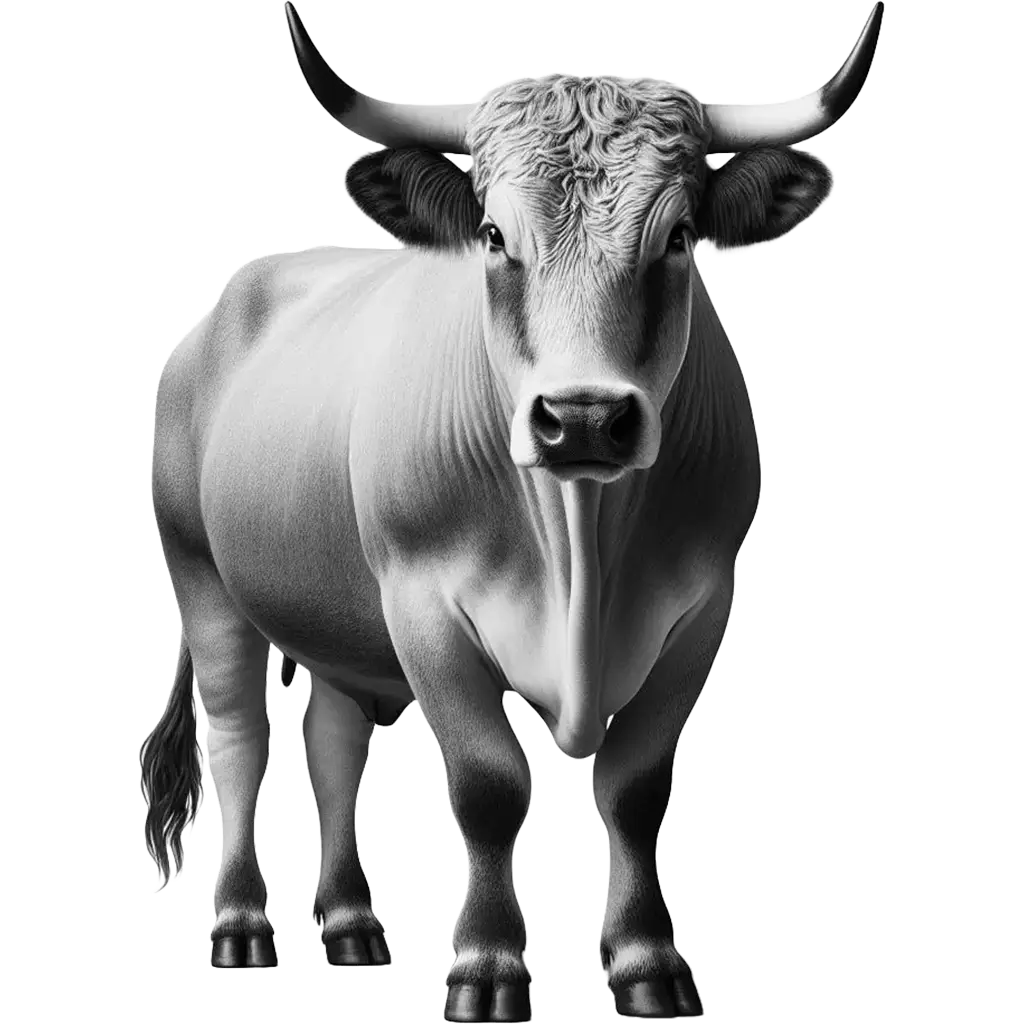
Bos Taurus
Hungarian Grey
Grasslands, steppes, and pastoral landscapes
The Hungarian Grey, also known as the Hungarian steppe cattle, is a majestic breed of domestic cattle renowned for its striking appearance and hardy nature. Characterized by its uniform grey coat, which can range from a light silver to a darker ash grey, this breed presents an imposing figure. Adult bulls are particularly impressive, often displaying a significant muscular build and can weigh up to 900 kg, while cows are slightly smaller. One of the breed's most distinguishing features is its long, curved horns, which extend outward and upward from the head, adding to their distinctive silhouette.
| Population: | Considered a rare breed with conservation efforts in place to increase population numbers |
| Generation Length: | 5-7 years |
| Average Weight: | Bulls: 800-900 kg, Cows: 500-600 kg |
| Average Length: | Height at the withers is more common in cattle; Bulls: 140-150 cm, Cows: 135-145 cm |
| Lifespan: | 15-20 years |
| Diet: | Grasses and other plant material |
| Conservation Status: | Not Evaluated (NE) |
Originally bred in Hungary, the Hungarian Grey is well-adapted to life on the vast, open grasslands known as puszta in the Hungarian steppe. These cattle are highly valued for their ability to thrive in harsh conditions, requiring minimal supplemental feeding and care. They are known for their calm and docile temperament, making them a favored breed among cattle farmers. Historically, they played a significant role in traditional Hungarian agriculture, not just as livestock but also as a symbol of the region's pastoral heritage.
The diet of the Hungarian Grey primarily consists of natural grasses found in their pasture environment. Their ability to efficiently convert low-quality forage into energy has made them particularly well-suited to extensive grazing systems. This breed's grazing habits contribute to the maintenance of open landscapes, promoting biodiversity in grassland ecosystems. Their preference for natural grazing over concentrated feed not only reflects their adaptation to the local environment but also aligns with sustainable farming practices.
Reproduction in the Hungarian Grey cattle follows the natural seasonal patterns, with calving typically occurring in the spring to coincide with the availability of abundant pasture for the nursing cows. This timing ensures that calves have the best start in life, with plenty of resources for growth and development. The breed's natural maternal instincts are strong, with cows showing a high degree of care for their offspring, which contributes to the overall hardiness and survivability of the calves.
The population of the Hungarian Grey has seen fluctuations over the years, with significant declines experienced in the 20th century due to modern farming practices favoring more intensive breeds. However, recent conservation efforts have focused on preserving this breed due to its cultural significance and genetic value. These efforts include the promotion of its use in sustainable agriculture and as a tourist attraction, contributing to a resurgence in its numbers. The Hungarian Grey remains a symbol of Hungarian heritage and an example of successful breed conservation.
Classifications
The Key Attributes
Features
- Movement:
Walking, grazing
- Territorial Behavior:
Herding behavior, social animals
- Speed:
Not specifically quantified; capable of running at moderate speeds when necessary
- Diet:
Herbivore
- Physical Features:
- Long, slender, and muscular body
- Large horns that curve upwards in both males and females
- Short-haired, grey coat
- Robust and hardy, adapted to life on the steppe
- Primary Senses:
- Sight
- Hearing
- Smell
Understanding Habitat and Range
Geography
- Habitat:
Grasslands, steppes, and pastoral landscapes
- Migration Patterns:
Non-migratory, but may be moved seasonally by herders
- Geographical Range:
Originally from Hungary, now also kept in other parts of Europe and globally in similar habitats
- Climate Preferences:
Adaptable to a range of climates, from cold to hot
Navigating the Wilderness
In the wild
- Predators:
Predation is not a significant threat due to human protection
- Prey:
Not applicable
- Feeding Behavior:
Grazes on grass and other vegetation
- Diet:
Grasses and other plant material
- Defensive Mechanisms:
- Herd behavior for protection against threats
- Use of horns if necessary
- Preferred Food Sources:
- Natural grasslands and steppe vegetation
Insights Into Reproduction
Mating
- Mating System:
Polygynous, with bulls breeding with multiple cows
- Number of Offspring:
1 calf
- Gestation Period:
Approximately 9 months
- Parental Involvement:
- Cows are solely responsible for rearing the calf
Youngsters Section
Hungarian Grey
Fun Fact
The Hungarian Grey is known for its striking appearance, featuring long, upward-curving horns.
This breed is highly resilient, thriving in harsh climates and requiring minimal human intervention. Historically, Hungarian Grey cattle were integral to agriculture, serving as draught animals and valued for their beef. Their distinctive appearance and adaptability make them a cultural symbol in Hungary.

Download word search puzzles
Word Search Puzzles
Check Out Other Mammals
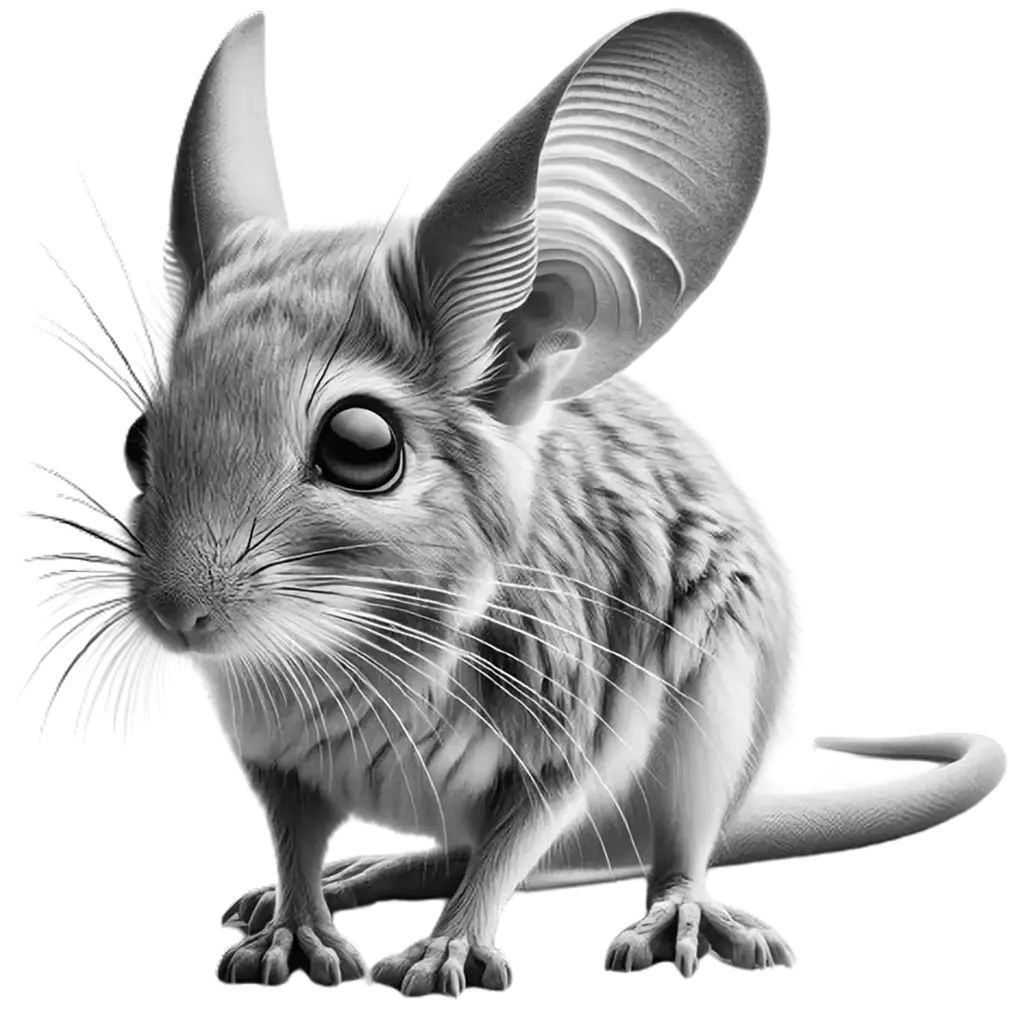
Williams's Jerboa, scarturus williamsi, is a small, nocturnal rodent known for its distinctive long hind legs and short forelimbs, enabling it to leap significant distances, much like a kangaroo. This adaptation is crucial for escaping predators and traversing its desert habitat. Its coat is typically sandy or pale brown, blending
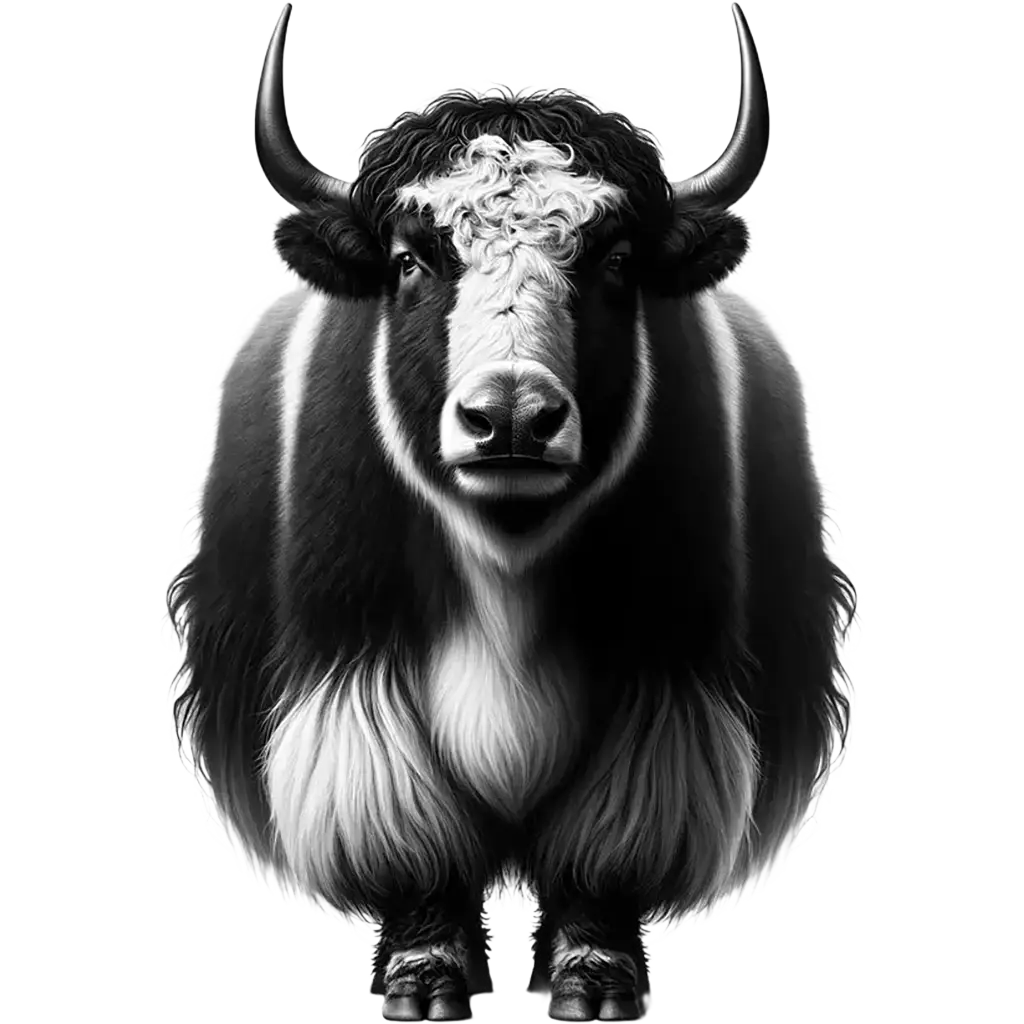
The Yak, bos grunniens, is a long-haired bovid native to the Himalayan region of South Central Asia, the Tibetan Plateau, and as far north as Mongolia and Russia. Adult Yaks can stand up to 2 meters at the shoulder and weigh between 300 to 1,200 kg, with males significantly larger
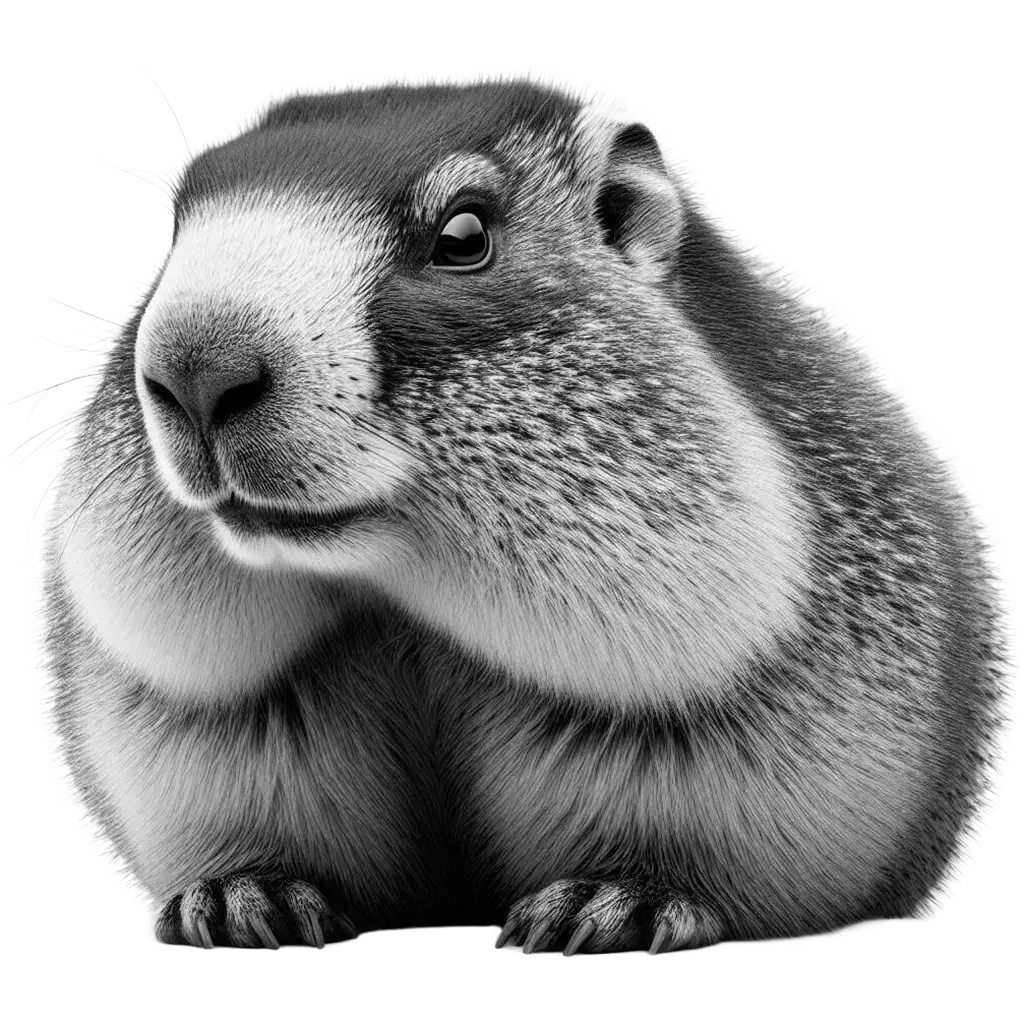
The Gray Marmot, marmota baibacina, also known as the Altai or Baikal Marmot, is a large rodent found in the mountainous regions of Central Asia, particularly in the Altai, Tien Shan, and Pamir Mountains. This species is characterized by its robust body, short limbs, and a bushy tail, with adult
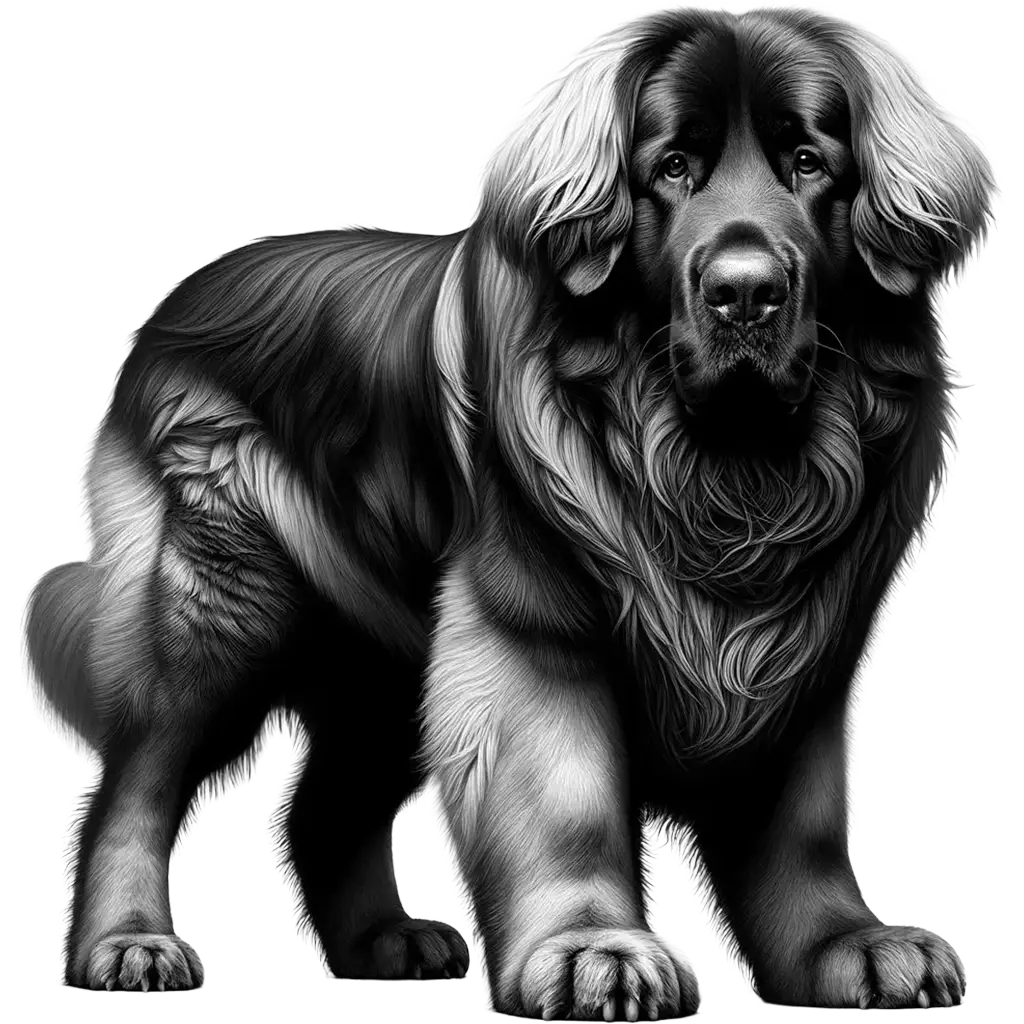
The Leonberger, a giant breed of dog, combines the muscular build of a mountain dog with the elegance of a lion, to which its name alludes. Originating from Leonberg, Germany, in the 19th century, it was bred to resemble the lion on the town's crest. Adult Leonbergers can stand 65