
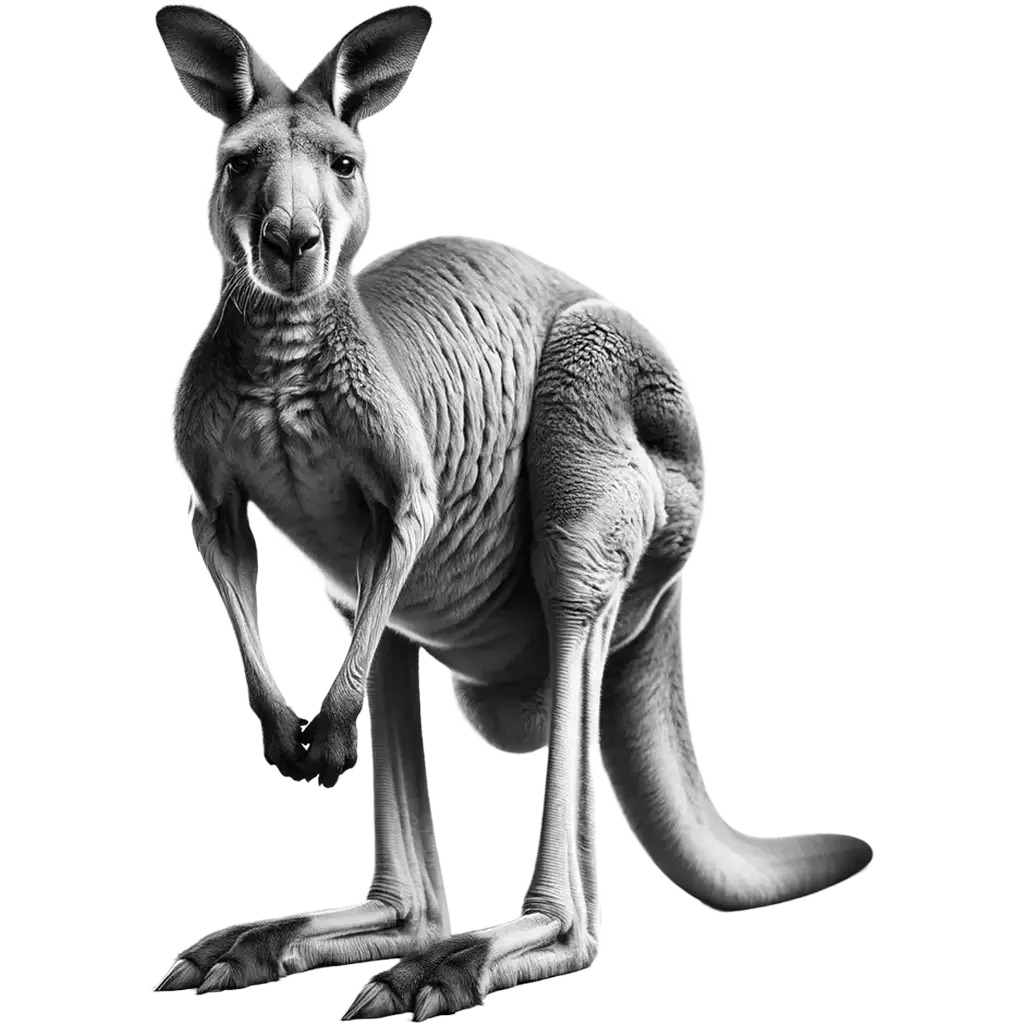
Osphranter Rufus
Red Kangaroo
Arid and semi-arid regions, including grasslands, deserts, and open forests
The Red Kangaroo, osphranter rufus, stands as the largest and most iconic marsupial, native to the arid and semi-arid regions of Australia. This majestic animal is distinguished by its powerful hind legs, long feet, and a large, muscular tail used for balance while moving. Adult males, known as boomers, can reach up to 1.8 meters in height when standing upright and weigh over 90 kg, making them the largest extant marsupial species. Their coat color varies from light brown to a rich red in males, while females, referred to as flyers, are usually a bluish-gray. Both sexes have a white stripe along the cheeks and a white underbelly.
| Population: | Widespread and abundant, classified as Least Concern |
| Generation Length: | 6-8 years |
| Average Weight: | Males: up to 90 kg, Females: up to 35 kg |
| Average Length: | Males: Total length up to 2.5-3 m (including tail), Females: Smaller |
| Lifespan: | Up to 20-23 years in the wild |
| Diet: | Mainly grasses, supplemented by forbs and leaves depending on availability |
| Conservation Status: | Least Concern (LC) |
Red Kangaroos are highly adapted to the challenging conditions of the Australian outback. They are primarily nocturnal or crepuscular, avoiding the heat of the day by resting in the shade. Their remarkable hopping, which can reach speeds of up to 56 km/h and cover 8 meters in a single bound, is an efficient way to cover large distances in search of food and water. These kangaroos live in mobs, which provide social interaction and protection against predators.
The diet of the Red Kangaroo consists mainly of grasses and small leafy plants. They have specialized teeth and a unique chambered stomach to efficiently digest tough plant material, allowing them to thrive in environments where food sources are sparse. Their ability to extract moisture from their food and conserve water allows them to survive in arid conditions with minimal water.
Reproduction in Red Kangaroos involves a fascinating biological phenomenon known as embryonic diapause, where the development of a new embryo can pause until the previous joey leaves the pouch. Females are capable of being perpetually pregnant, giving birth to a tiny, underdeveloped joey that crawls into the pouch to continue development. This reproductive strategy ensures the high survival rate of offspring in the unpredictable Australian environment.
The population of the Red Kangaroo is considered stable, and they are not currently at risk of extinction. However, they face threats from habitat loss due to agricultural expansion, collisions with vehicles, and culling. Conservation efforts focus on habitat preservation and the management of kangaroo populations to ensure that this iconic Australian marsupial continues to thrive in its natural habitat.
Classifications
The Key Attributes
Features
- Movement:
Hopping
- Territorial Behavior:
Semi-nomadic, forming loose groups called mobs
- Speed:
Can reach speeds of up to 56 km/h
- Diet:
Herbivore
- Physical Features:
- Powerful hind legs for jumping
- Long, muscular tail for balance
- Short fur, red to light brown in color
- Large, pointed ears and a squared snout
- Primary Senses:
- Sight
- Hearing
- Smell
Understanding Habitat and Range
Geography
- Habitat:
Arid and semi-arid regions, including grasslands, deserts, and open forests
- Migration Patterns:
Moves within home range in response to food and water availability
- Geographical Range:
Mainland Australia, with the highest concentrations in the central and western regions
- Climate Preferences:
Adaptable to a range of arid and semi-arid climates
Navigating the Wilderness
In the wild
- Predators:
Mainly humans and wild dogs; joeys may fall prey to birds of prey
- Prey:
Not applicable
- Feeding Behavior:
Grazes on grasses and forbs, mostly at night to avoid the heat
- Diet:
Mainly grasses, supplemented by forbs and leaves depending on availability
- Defensive Mechanisms:
- Powerful kicks
- High-speed hopping to escape predators
- Swimming ability to evade threats
- Preferred Food Sources:
- Grasses
- Forbs
Insights Into Reproduction
Mating
- Mating System:
Polygynous
- Number of Offspring:
Usually 1 joey
- Gestation Period:
About 33 days
- Parental Involvement:
- Females care for the joeys, which stay in the pouch for about 6 months before gradually becoming more independent
Youngsters Section
Red Kangaroo
Fun Fact
Red kangaroos are the largest marsupials, with males reaching over 6 feet tall and weighing 200 pounds.
These marsupials are found across Australia's open plains and deserts. Their powerful hind legs enable them to leap 25 feet in a single bound and travel at speeds of 35 mph. Red kangaroos can survive with minimal water by obtaining moisture from their food, adapting well to their arid environment.
Download word search puzzles
Word Search Puzzles
Check Out Other Mammals
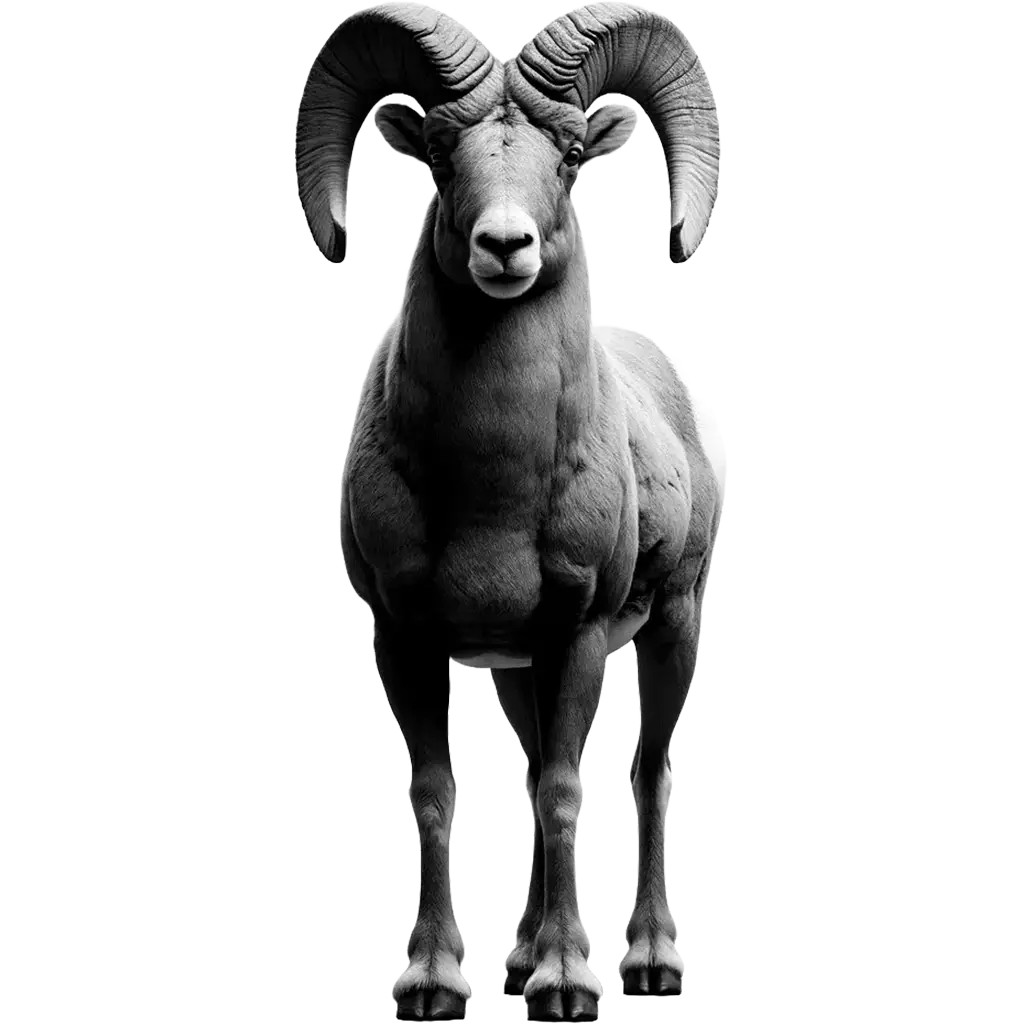
The Bighorn Sheep, Ovis canadensis, is a symbol of the rugged mountain ranges of North America, from Canada's cold northern regions down through the western United States and into Mexico's desert landscapes. Distinguished by their large, curved horns, which can weigh up to 14 kilograms in males, Bighorn Sheep exhibit
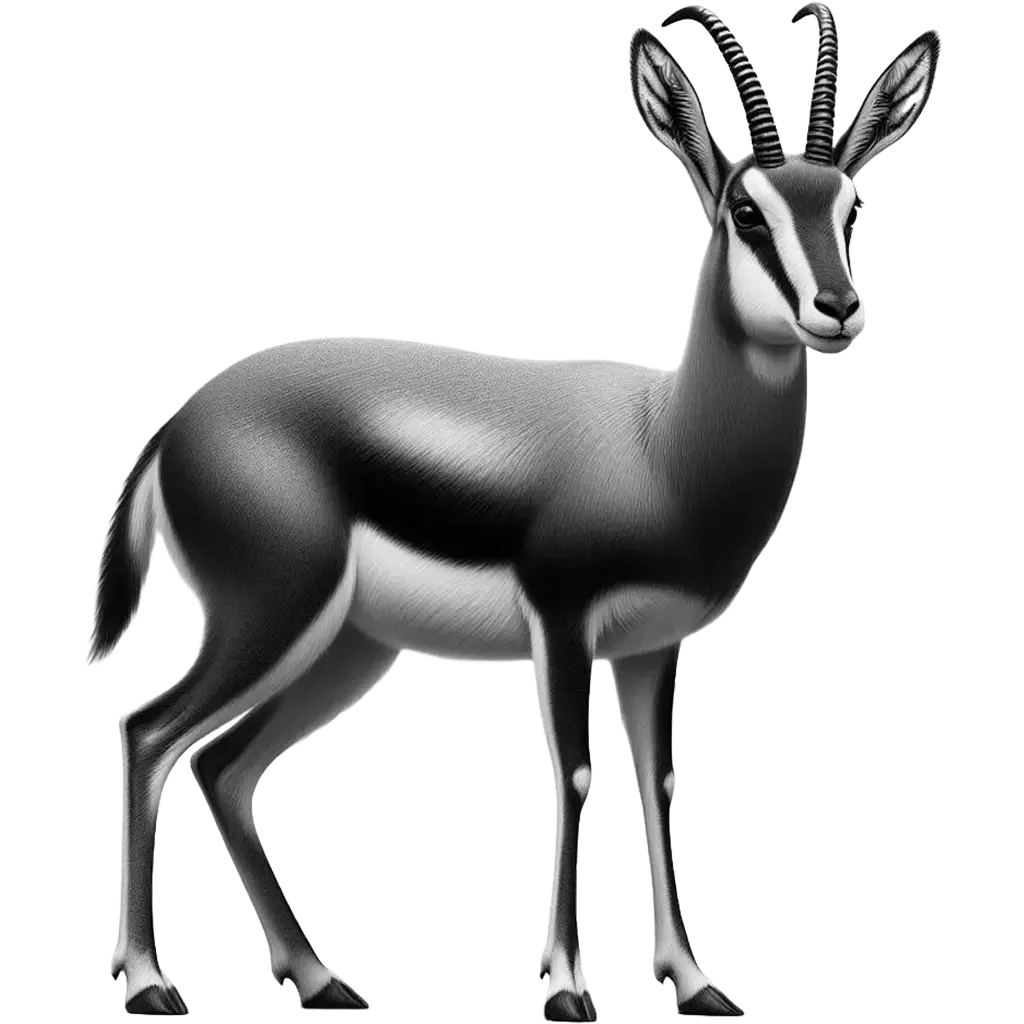
The Dorcas Gazelle, gazella dorcas, is a small and slender antelope that is well-adapted to arid environments, making its home in the deserts and savannahs of North Africa, the Middle East, and the Sahara. This species is notable for its beautiful and delicate appearance, with a light brown or sandy
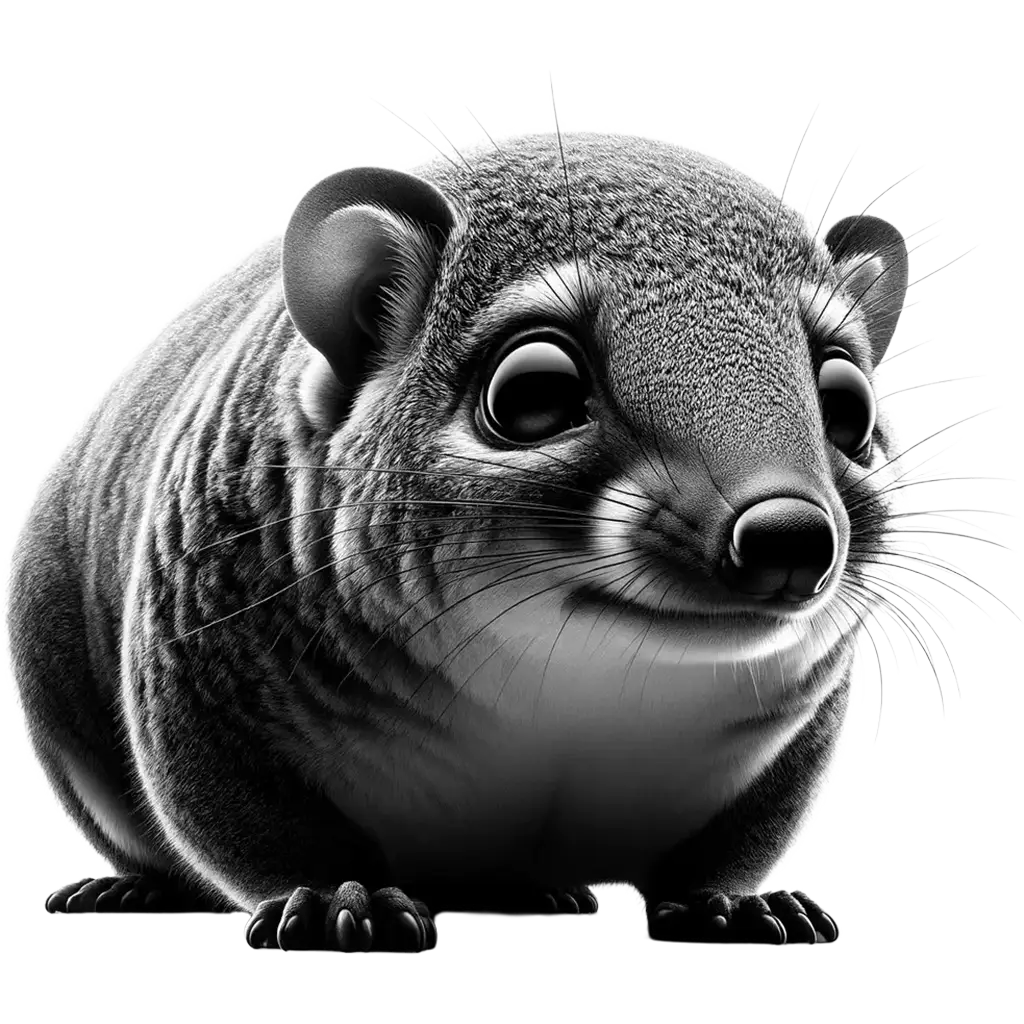
The Common Treeshrew, tupaia glis, is a small mammal native to the dense tropical forests of Southeast Asia, including Thailand, Malaysia, and Indonesia. Resembling a squirrel in appearance, the Common Treeshrew has a slender body, measuring about 16 to 21 cm in length with a tail nearly as long, and
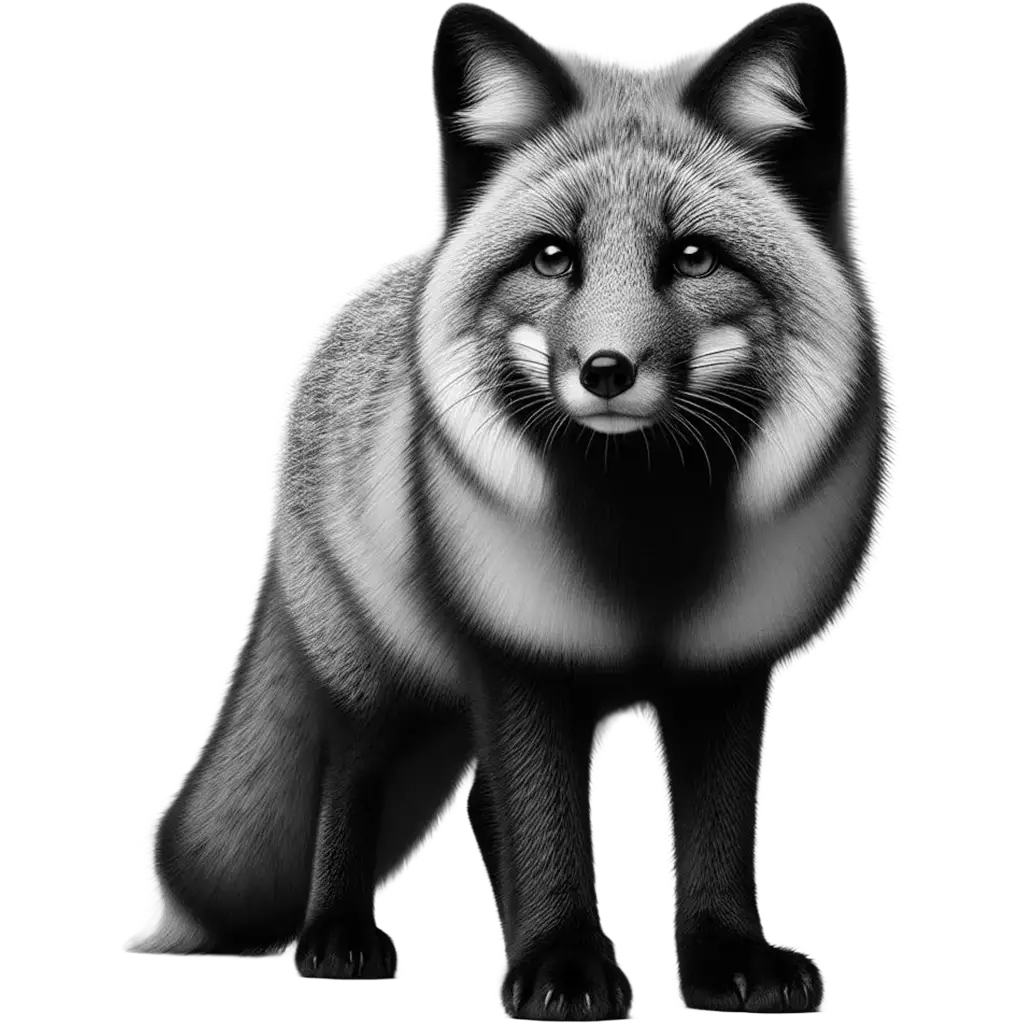
The Gray Fox, urocyon cinereoargenteus, is a medium-sized canid distinguished by its grizzled gray coat, with a black stripe running down its back and tail, and a white underbelly. Its most notable feature is its ability to climb trees, thanks to its strong, hook-shaped claws. This fox typically measures about