
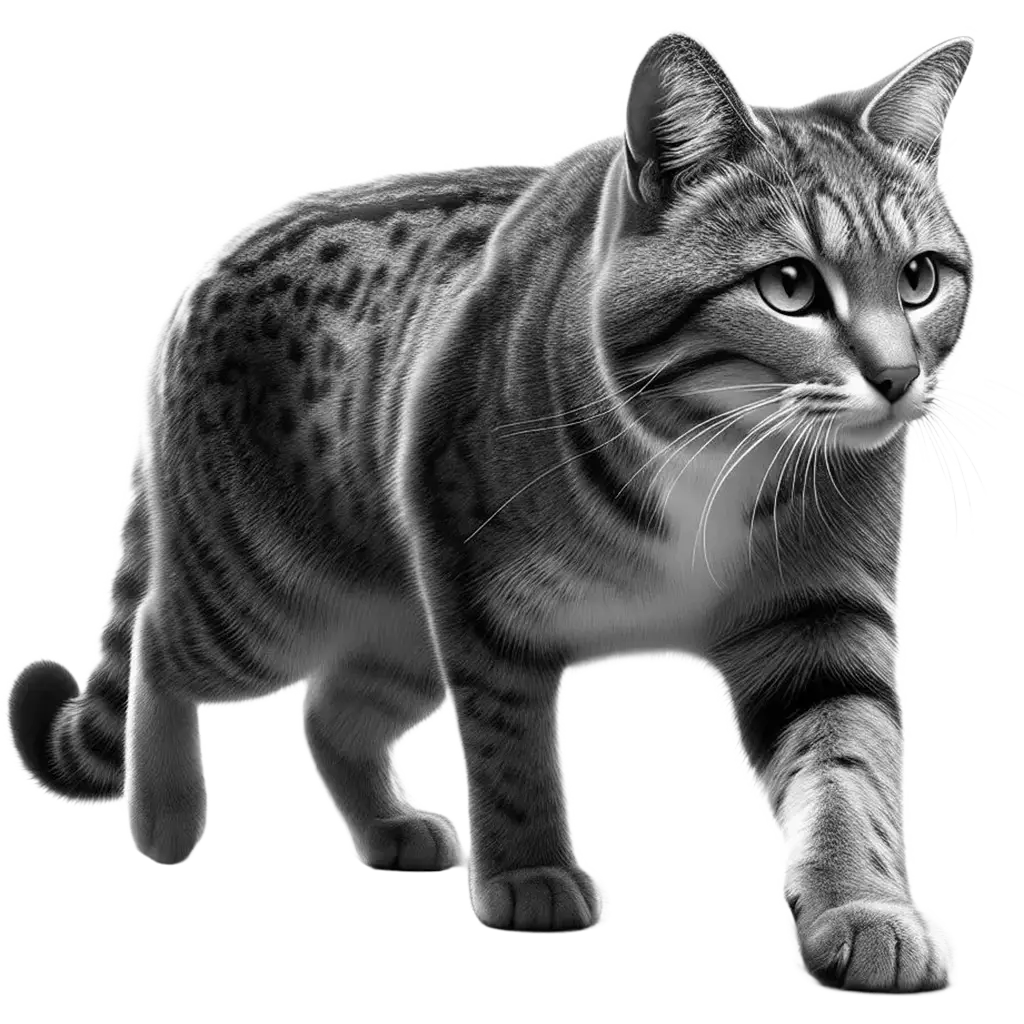
Felis Catus
Domestic Cat
Domestic environments and feral populations inhabit a wide range of urban, suburban, and rural areas
The Domestic Cat, felis catus, is a small, carnivorous mammal that has lived alongside humans for thousands of years, evolving into a diverse array of breeds, colors, and patterns. Typically, these animals have a lithe and agile body, sharp retractable claws, and keen senses, especially their vision and hearing. Domestic Cats can vary greatly in size, with adults generally weighing between 2.5 to 7 kg, but some breeds can exceed this range. Their coats can be short, long, or medium in length, and display a wide spectrum of colors from black, white, and orange to grey and patterns like tabby, calico, and tortoiseshell.
| Population: | Extremely widespread and abundant, with millions of individuals worldwide |
| Generation Length: | 3 years |
| Average Weight: | 2.5-7 kg, depending on breed, age, and health |
| Average Length: | 46 cm from head to base of tail, with the tail adding 25-30 cm |
| Lifespan: | 12-15 years on average, with some cats living into their 20s |
| Diet: | Primarily commercial cat food for pets, supplemented by hunted prey in some cases |
| Conservation Status: | Not Evaluated (NE) |
Cats are known for their independent yet affectionate nature, forming strong bonds with their human companions while retaining much of their natural instincts. They are primarily nocturnal, though domestication has led many to adapt to the schedules of their human families. Cats communicate through a variety of vocalizations, body language, and even scent marking. They are territorial animals, often requiring a safe, secure environment to thrive. Indoor cats typically live longer than outdoor cats, due to reduced risks from traffic, predators, and diseases.
The diet of a Domestic Cat is obligatorily carnivorous, requiring a high protein intake from meat to maintain optimal health. They are natural hunters, equipped with sharp teeth and claws for catching prey such as rodents, birds, and insects. In a domestic setting, it's crucial to provide cats with a balanced diet that can replicate the nutritional benefits of their natural prey, often through commercially prepared cat food that includes all necessary vitamins and minerals.
Reproduction in cats can begin as early as five months of age, with females capable of having multiple litters each year. The breeding season can vary depending on the climate, but in temperate regions, it often peaks in spring and late summer. Responsible pet ownership includes spaying and neutering to prevent overpopulation and reduce the risk of certain health problems.
While the global population of Domestic Cats is difficult to quantify due to their widespread presence both as pets and feral animals, they are among the most popular pets worldwide. Their adaptability to diverse environments, coupled with their ability to form close bonds with humans, has solidified their place in households across the globe. However, responsible pet ownership and environmental management are essential to mitigate their impact on local wildlife and ensure their health and wellbeing.
Classifications
The Key Attributes
Features
- Movement:
Walking, running, leaping
- Territorial Behavior:
Varies widely; can be highly territorial or more social, depending on individual personality and environment
- Speed:
Capable of short bursts of speed up to 48 km/h
- Diet:
Carnivore
- Physical Features:
- Sharp retractable claws
- Highly flexible body
- Whiskers for sensing surroundings
- Eyes adapted for low light
- Variety of coat patterns and lengths
- Primary Senses:
- Sight
- Hearing
- Smell
- Touch
Understanding Habitat and Range
Geography
- Habitat:
Domestic environments and feral populations inhabit a wide range of urban, suburban, and rural areas
- Migration Patterns:
Non-migratory, but domestic cats may move with their human families
- Geographical Range:
Global
- Climate Preferences:
Adaptable to various climates, though domestic cats seek comfort in extreme conditions
Navigating the Wilderness
In the wild
- Predators:
Larger predators in rural or wild areas, including coyotes, eagles, and large raptors
- Prey:
Small mammals, birds, insects
- Feeding Behavior:
Hunts small prey such as rodents, birds, and insects if allowed outdoors; otherwise, fed by humans
- Diet:
Primarily commercial cat food for pets, supplemented by hunted prey in some cases
- Defensive Mechanisms:
- Climbing
- Hiding
- Aggressive display and use of claws and teeth
- Preferred Food Sources:
- Commercial cat foods
- Natural prey when available
Insights Into Reproduction
Mating
- Mating System:
Polygynous
- Number of Offspring:
3-5 kittens per litter, with 1-2 litters per year being common
- Gestation Period:
Approximately 64-67 days
- Parental Involvement:
- Mother provides intensive care, feeding, and teaching; males do not participate in rearing
Youngsters Section
Domestic Cat
Fun Fact
Domestic cats have a unique communication style, using over 100 different vocalizations to express themselves.
Cats purr for various reasons, not just when they're content. Purring can signify comfort, but also pain or stress. It may serve as a self-healing mechanism, as the frequency of purring vibrations can promote bone and tissue healing. Their mysterious purr remains a subject of fascination for researchers.

Download word search puzzles
Word Search Puzzles


Check Out Other Mammals
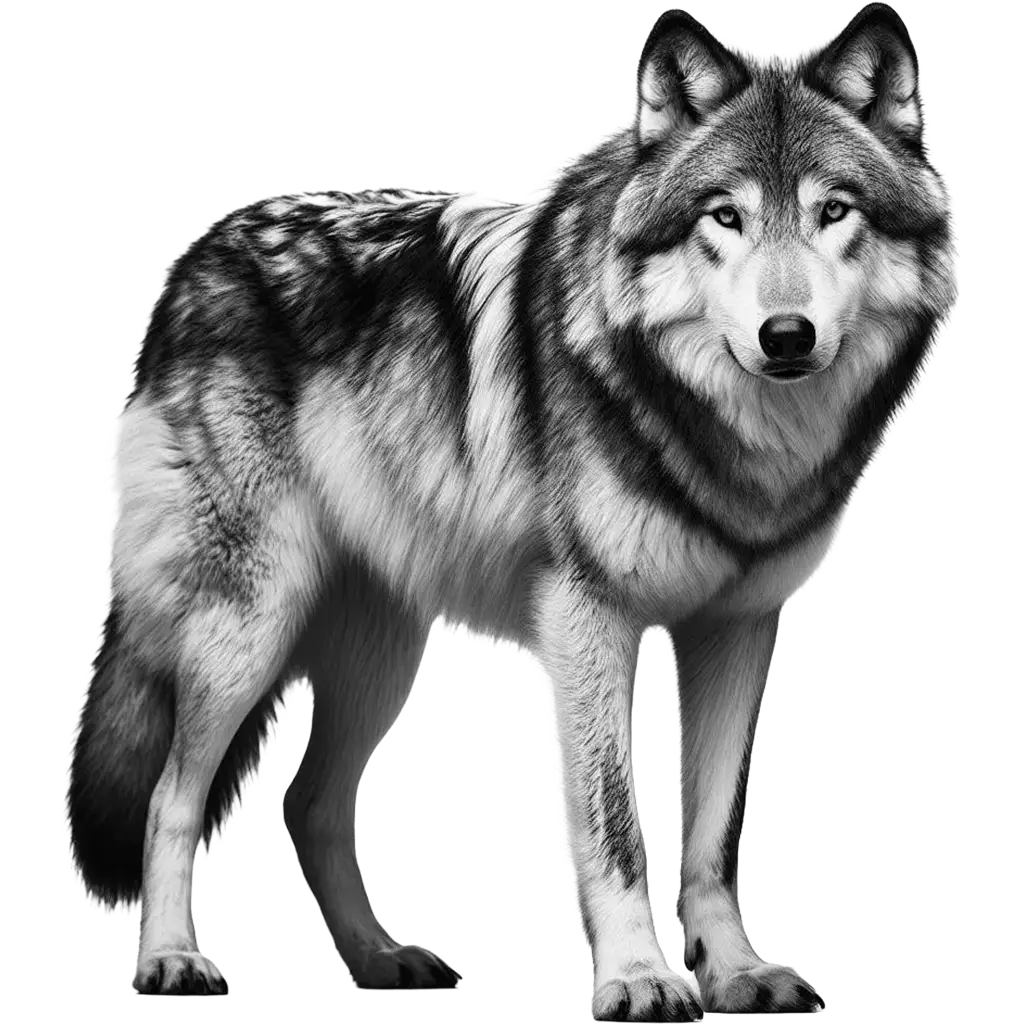
The Gray Wolf, canis lupus, is a highly adaptable and widely distributed canine, recognized for its role as a top predator within its ecosystem. Adult gray wolves vary significantly in size based on their geographical location, with weights ranging from 30 to 80 kilograms (66 to 176 pounds) and lengths
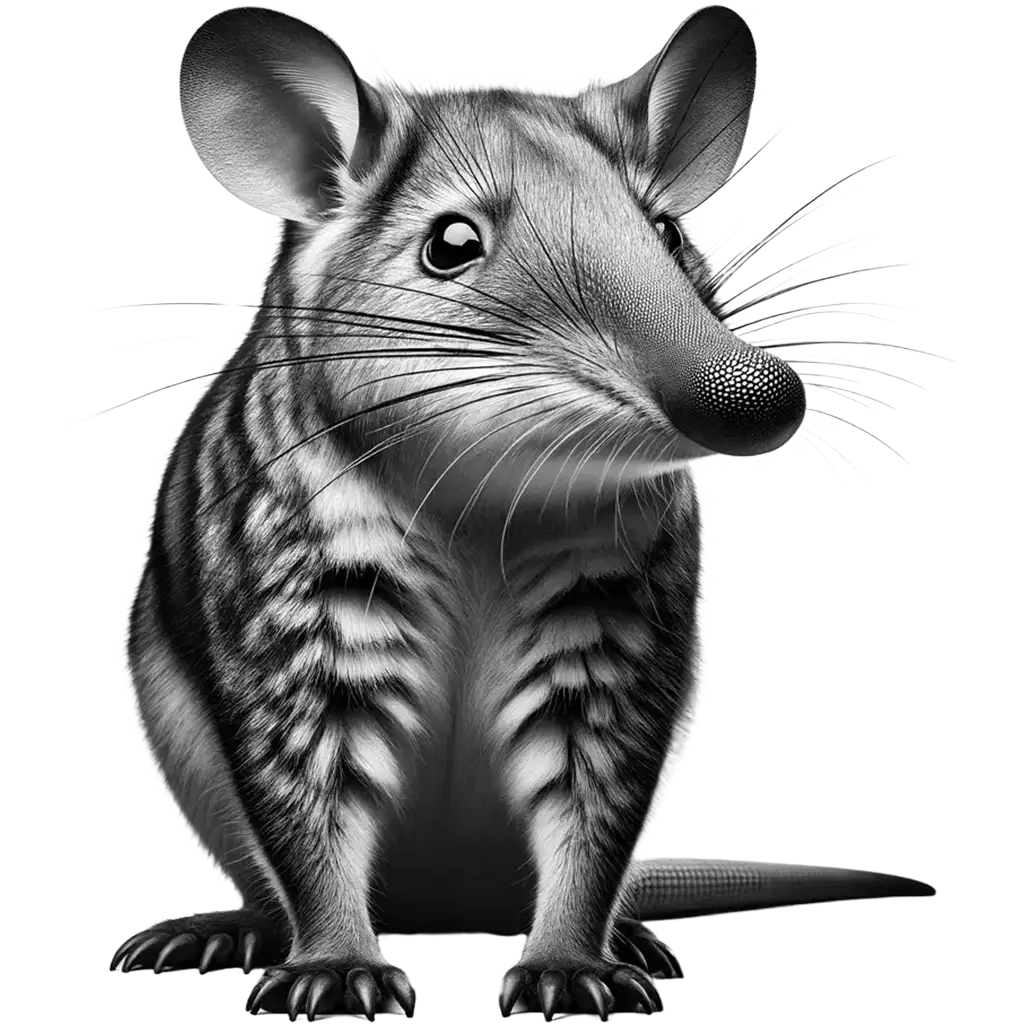
The Long-Nosed Bandicoot, perameles nasuta, is a small marsupial native to eastern Australia, distinguished by its elongated snout and hunched back. This nocturnal creature has coarse, grey-brown fur, with a lighter underside, and measures about 31 to 43 cm in length, including a thin, sparsely furred tail that adds another
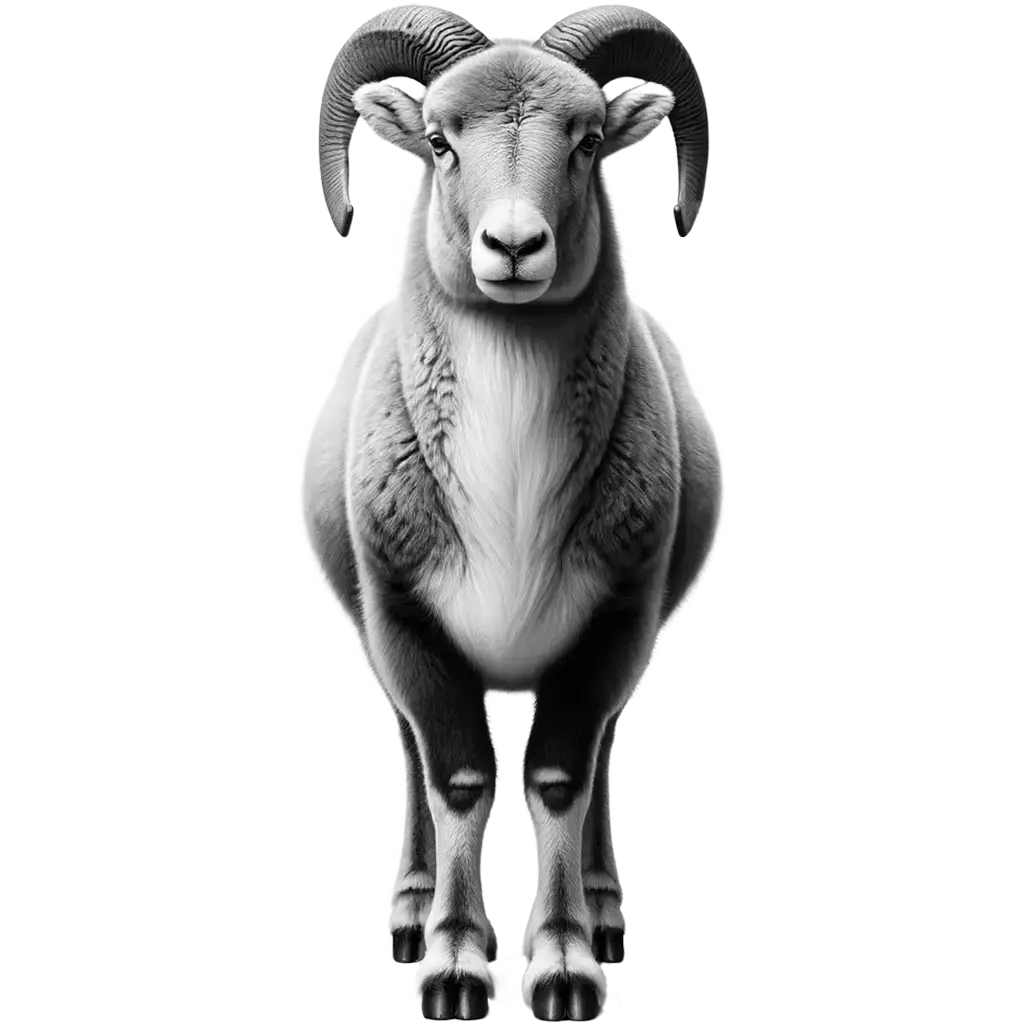
The Barbary Sheep, ammotragus lervia, also known as the Aoudad, is a rugged, mountain-dwelling ungulate native to the rocky mountains and desert landscapes of North Africa. This species is characterized by its sandy to reddish-brown coat, which helps it blend into its arid surroundings, and a distinctive mane that runs

The Newfoundland Dog, known for its remarkable size, strength, and gentle disposition, is a breed that originates from the Canadian island of Newfoundland. Males typically weigh between 130 to 150 pounds, with some reaching up to 200 pounds or more, and stand 28 inches tall at the shoulder. Females are