
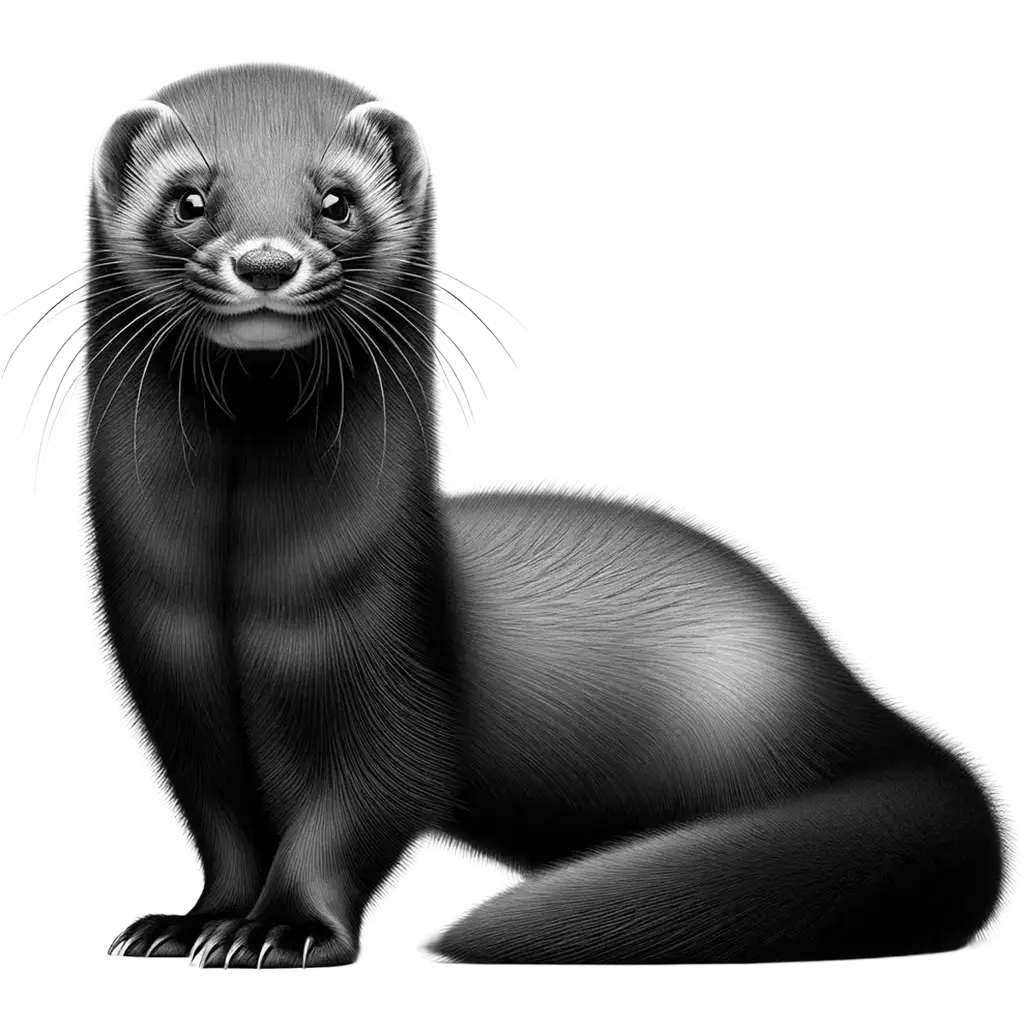
Mustela Lutreola
European Mink
Freshwater riverbanks, lakeshores, and marshlands with dense vegetation
The European Mink, mustela lutreola, is a small, semi-aquatic mammal once widespread across Europe but now among the continent's most endangered species. Characterized by its dark brown fur, paler underparts, and a distinctive white patch on the upper lip, the European Mink measures approximately 35 to 45 cm in length, including a short, bushy tail. Weighing between 500 to 800 grams, this elusive creature is adapted to life in watery habitats, possessing a streamlined body, partially webbed feet, and dense, waterproof fur.
| Population: | Listed as Critically Endangered due to habitat destruction, pollution, and competition with the introduced American mink |
| Generation Length: | 4-5 years |
| Average Weight: | 500-800 grams |
| Average Length: | 35-40 cm including the tail |
| Lifespan: | 6-10 years in the wild |
| Diet: | Primarily piscivorous and insectivorous, supplemented with small mammals and birds |
| Conservation Status: | Critically Endangered (CR) |
European Minks inhabit a variety of freshwater environments, including rivers, streams, and lakes, surrounded by dense vegetation that provides cover and nesting sites. They are solitary and territorial animals, with territories stretching along watercourses, where they display nocturnal and crepuscular activity patterns. The decline in suitable habitat due to human activities poses a significant threat to their survival.
The diet of the European Mink is diverse, consisting of aquatic and terrestrial prey. It includes fish, frogs, crustaceans, small mammals, and birds. This varied diet reflects the mink's adaptability and its role as a predator within aquatic ecosystems, contributing to the regulation of prey populations.
Reproduction in the European Mink occurs once a year, with females giving birth to 2 to 7 offspring after a gestation period of about 42 days. The young are born blind and helpless, depending on the mother for care and nourishment. The survival rate of offspring in the wild is influenced by habitat quality and the availability of food resources.
The population of the European Mink is critically endangered, with only fragmented populations remaining in parts of Eastern Europe and Russia. Conservation efforts are urgently needed to protect and restore their natural habitats, mitigate threats from pollution, habitat destruction, and competition with the invasive American mink. Breeding programs and habitat restoration projects are underway in several countries, aiming to halt the decline of this species and eventually re-establish stable populations in their historical range.
Classifications
The Key Attributes
Features
- Movement:
Swimming, walking
- Territorial Behavior:
Solitary and territorial
- Speed:
Not specifically quantified; known for agility both in water and on land
- Diet:
Carnivore
- Physical Features:
- Small, elongated body with short legs
- Thick, water-repellent fur
- Bushy tail and webbed feet for swimming
- Sharp teeth for catching and eating prey
- Primary Senses:
- Sight
- Hearing
- Smell
Understanding Habitat and Range
Geography
- Habitat:
Freshwater riverbanks, lakeshores, and marshlands with dense vegetation
- Migration Patterns:
Non-migratory, but may move locally in response to changing water levels and prey availability
- Geographical Range:
Fragmented populations in Eastern Europe, parts of Russia, and the Danube Delta
- Climate Preferences:
Temperate to cold climates, with a preference for wetland habitats
Navigating the Wilderness
In the wild
- Predators:
Birds of prey, larger mammals, and humans
- Prey:
Fish, amphibians, crustaceans, small mammals, and birds
- Feeding Behavior:
Hunts small aquatic and terrestrial animals, including fish, frogs, birds, and small mammals
- Diet:
Primarily piscivorous and insectivorous, supplemented with small mammals and birds
- Defensive Mechanisms:
- Elusiveness and nocturnal habits to avoid predators
- Agility in water to escape threats
- Preferred Food Sources:
- Areas with abundant aquatic life and cover for hunting
Insights Into Reproduction
Mating
- Mating System:
Polygynous
- Number of Offspring:
2-7 kits
- Gestation Period:
About 42 days
- Parental Involvement:
- Females rear the young alone, providing food and protection until they are independent
Youngsters Section
European Mink
Fun Fact
The European mink is a semi-aquatic mammal native to Europe. It's critically endangered.
Historically, it inhabited vast areas but now survives in fragmented populations. Habitat destruction and competition with the introduced American mink have greatly reduced its numbers. Conservation efforts focus on habitat restoration and preventing further decline to preserve this unique species.

Download word search puzzles
Word Search Puzzles


Check Out Other Mammals

The Javan Rhinoceros, rhinoceros sondaicus, is one of the world's rarest large mammals, a relic of the past that now teeters on the brink of extinction. This solitary, elusive creature is characterized by its grey, armor-like skin and a single horn that grows up to about 25 cm in length,
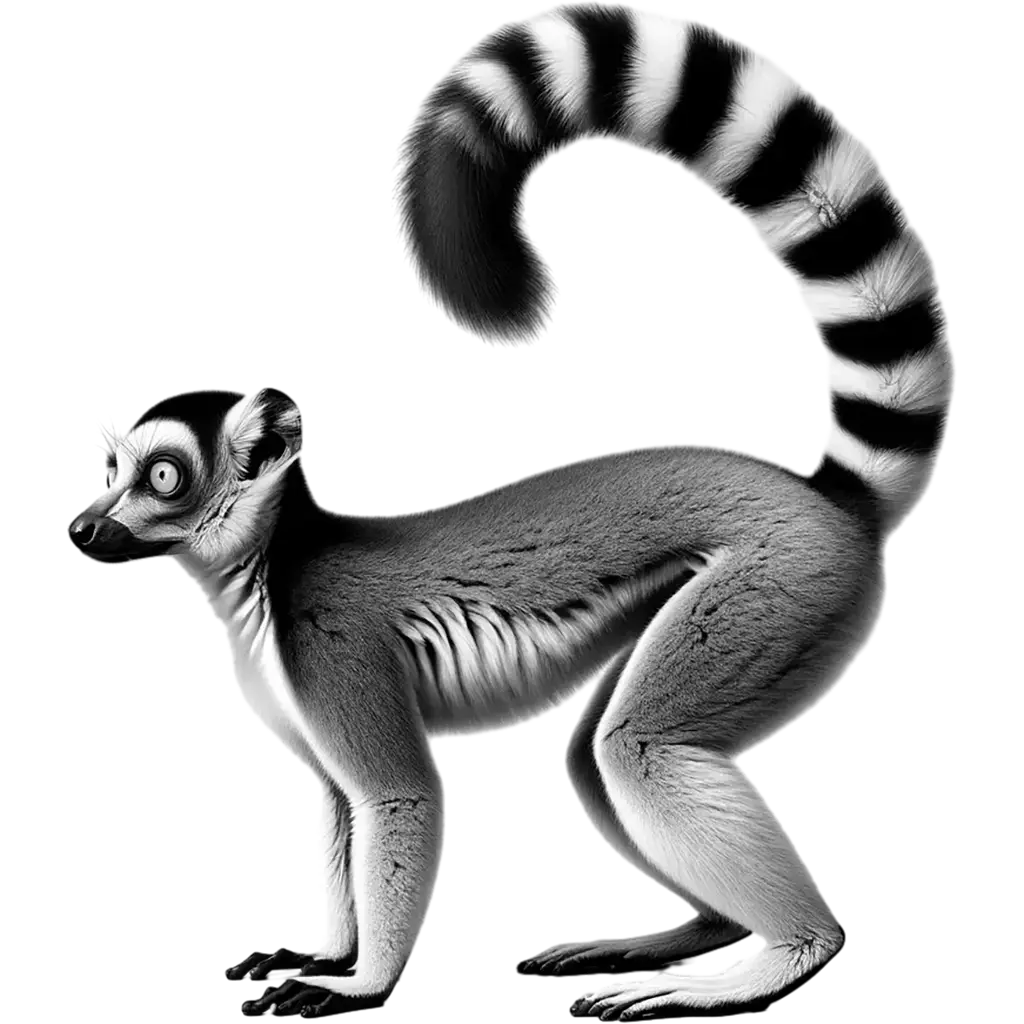
The White-Footed Sportive Lemur, lepilemur leucopus, is a small, nocturnal primate endemic to the dry forests of southern Madagascar. Adults typically weigh between 600 to 700 grams and measure around 27 to 28 cm in length, not including their bushy tails which add an additional 25 to 26 cm. This
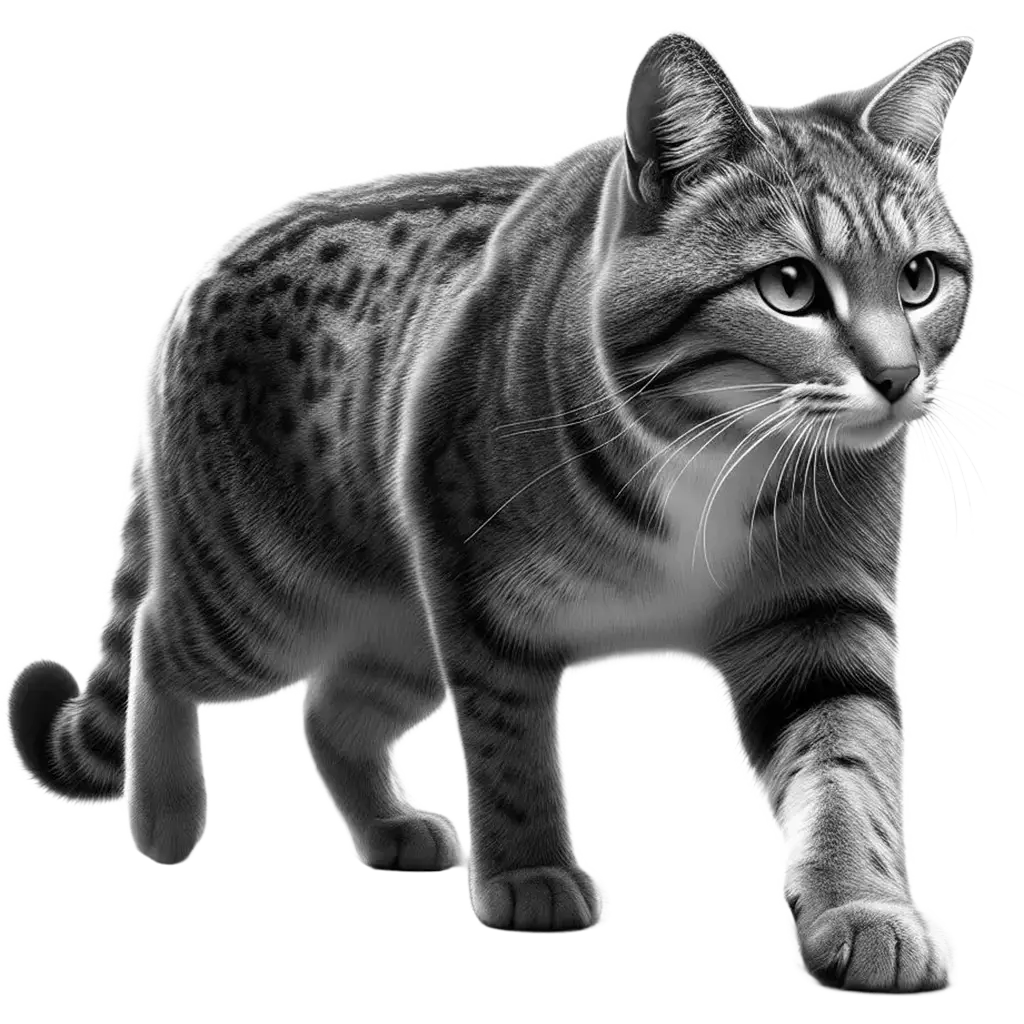
The Domestic Cat, felis catus, is a small, carnivorous mammal that has lived alongside humans for thousands of years, evolving into a diverse array of breeds, colors, and patterns. Typically, these animals have a lithe and agile body, sharp retractable claws, and keen senses, especially their vision and hearing. Domestic
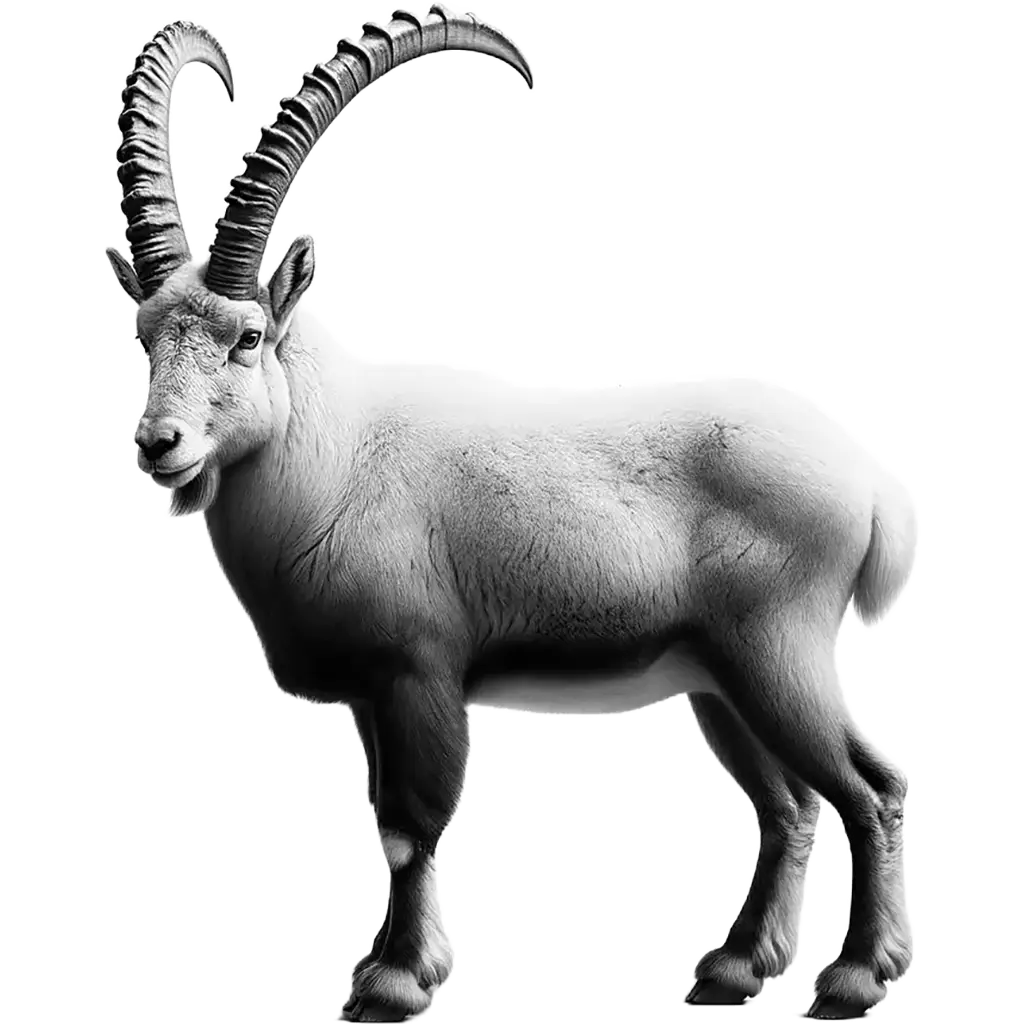
The Siberian Ibex, capra sibirica, is a robust and agile species of wild goat known for its impressive curved horns, which can reach up to 130 cm in length in males. These animals exhibit a coat that varies seasonally, being thicker and lighter in color during winter, and shorter and