
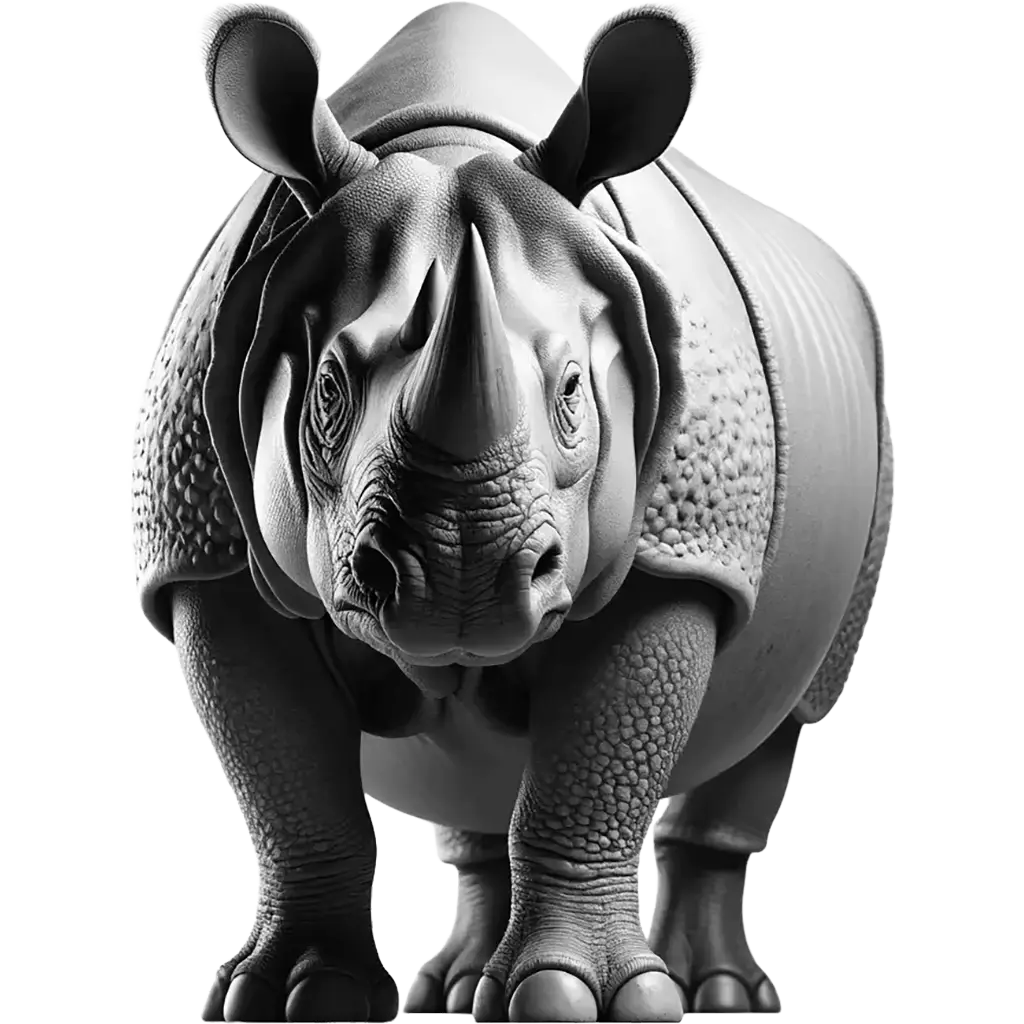
Rhinoceros Sondaicus
Javan Rhinoceros
Dense tropical rainforests, particularly in lowland areas
The Javan Rhinoceros, rhinoceros sondaicus, is one of the world's rarest large mammals, a relic of the past that now teeters on the brink of extinction. This solitary, elusive creature is characterized by its grey, armor-like skin and a single horn that grows up to about 25 cm in length, though some individuals may lack a horn altogether. Adults can weigh up to 2,300 kg, making them one of the heaviest animals in their range, yet they move with surprising agility through dense rainforests and mud. The Javan Rhino is smaller and less aggressive than its African counterparts, with a less pronounced hump on the neck and a smaller head.
| Population: | Critically Endangered, with fewer than 70 individuals remaining in the wild |
| Generation Length: | 7-8 years |
| Average Weight: | 900-2,300 kg |
| Average Length: | 2-4 meters long, 1.4-1.7 meters at the shoulder |
| Lifespan: | 30-40 years in the wild |
| Diet: | Wide variety of vegetation |
| Conservation Status: | Critically Endangered (CR) |
Historically found throughout Southeast Asia, the Javan Rhino's range has now been reduced to just a few pockets in western Java, Indonesia, specifically in the Ujung Kulon National Park. Their habitat consists of dense lowland rainforests, large floodplain areas with plenty of water, and reed beds that provide both food and cover. These habitats are critical for their survival, offering the solitude and resources they need.
The diet of the Javan Rhino is herbivorous, consisting primarily of young shoots, leaves, twigs, and fallen fruit. They are known to feed on as many as 100 different species of plants, demonstrating their role as key browsers in their ecosystem. This diet helps maintain the health of their habitat by preventing overgrowth and promoting biodiversity.
Reproduction in the Javan Rhino is poorly understood due to their elusive nature and critically low numbers. What is known suggests a slow breeding rate, with females giving birth to a single calf every 2-3 years after a gestation period of about 15-16 months. The low birth rate, combined with their long lifespan of up to 30-40 years, makes population recovery a slow process.
The Javan Rhino is critically endangered, with the total population estimated at only around 60-70 individuals, all located in Ujung Kulon National Park. There are no known Javan Rhinos in captivity, and their survival depends entirely on the conservation of their natural habitat and protection from poaching. Efforts to preserve their environment, combat poaching, and potentially create a second, secure habitat are crucial for their continued existence. The Javan Rhino remains a symbol of conservation challenges and the importance of global efforts to protect such irreplaceable species from extinction.
Classifications
The Key Attributes
Features
- Movement:
Walking, running
- Territorial Behavior:
Solitary, except for mothers with calves
- Speed:
Can charge at speeds up to 40-45 km/h
- Diet:
Herbivore
- Physical Features:
- Single horn (usually less than 25 cm in length)
- Grey skin with a distinct armor-like appearance due to large skin folds
- Small eyes and ears compared to body size
- Thick, leathery skin
- Primary Senses:
- Hearing
- Smell
- Poor sight
Understanding Habitat and Range
Geography
- Habitat:
Dense tropical rainforests, particularly in lowland areas
- Migration Patterns:
Non-migratory, but may move within its habitat in search of food and water
- Geographical Range:
Currently only found in Ujung Kulon National Park on the western tip of Java, Indonesia
- Climate Preferences:
Prefers warm, humid tropical forest environments
Navigating the Wilderness
In the wild
- Predators:
Adults have no natural predators; calves may be vulnerable to large predators such as leopards or tigers, though this is rare due to their protective mothers and the current absence of these large predators in their habitat
- Prey:
Not applicable
- Feeding Behavior:
Feeds on a variety of plant matter, including leaves, shoots, fruits, and branches
- Diet:
Wide variety of vegetation
- Defensive Mechanisms:
- Large size and horn for defense
- Thick skin provides protection
- Mothers are highly protective of their calves
- Preferred Food Sources:
- Diverse plant species found in tropical rainforest
Insights Into Reproduction
Mating
- Mating System:
Polygynous
- Number of Offspring:
Typically one calf
- Gestation Period:
15-16 months
- Parental Involvement:
- Females solely responsible for rearing the calf
Youngsters Section
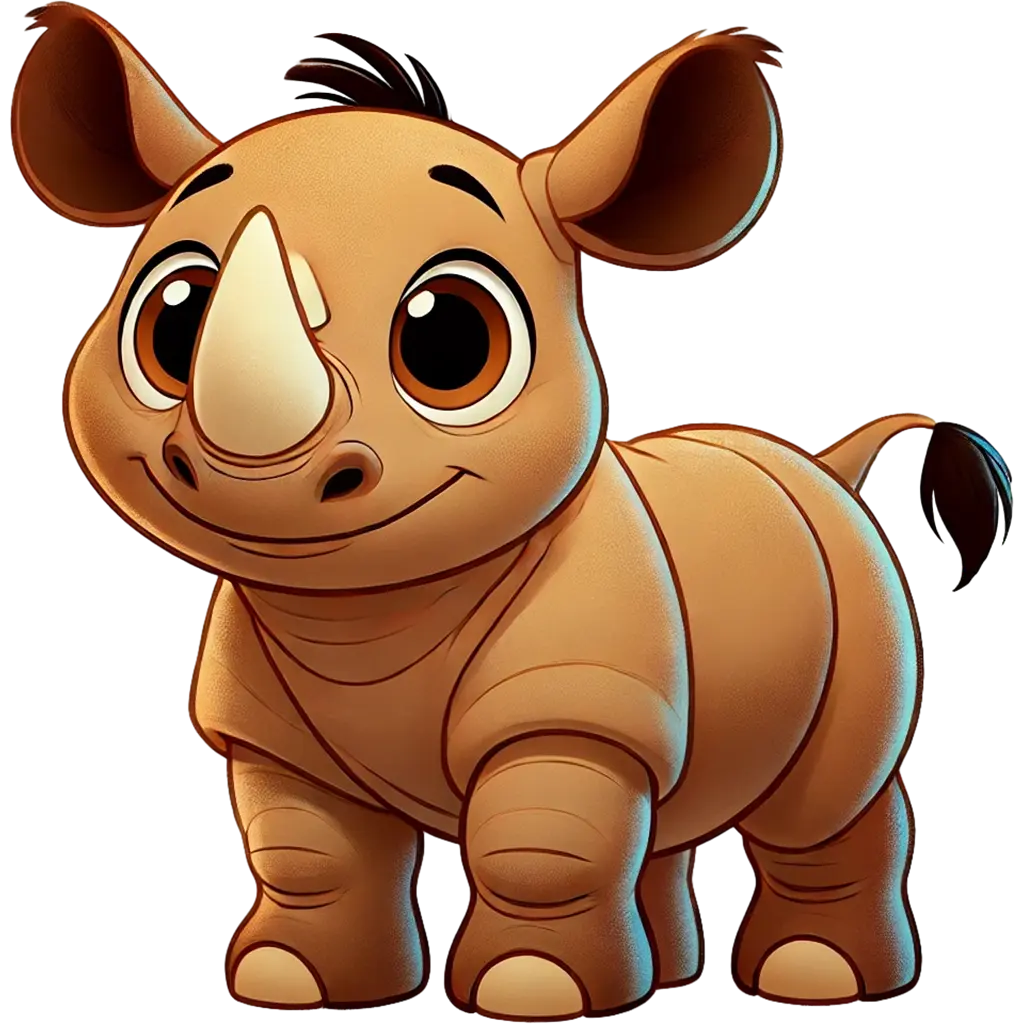
Javan Rhinoceros
Fun Fact
Javan rhinoceroses are among the rarest mammals on Earth, with only about 75 individuals left.
They are found only in Ujung Kulon National Park in Indonesia. These elusive creatures are solitary and prefer dense lowland rainforests. Their rarity is due to habitat loss and poaching. Conservation efforts are crucial for their survival, focusing on habitat protection and anti-poaching measures.

Download word search puzzles
Word Search Puzzles
Check Out Other Mammals
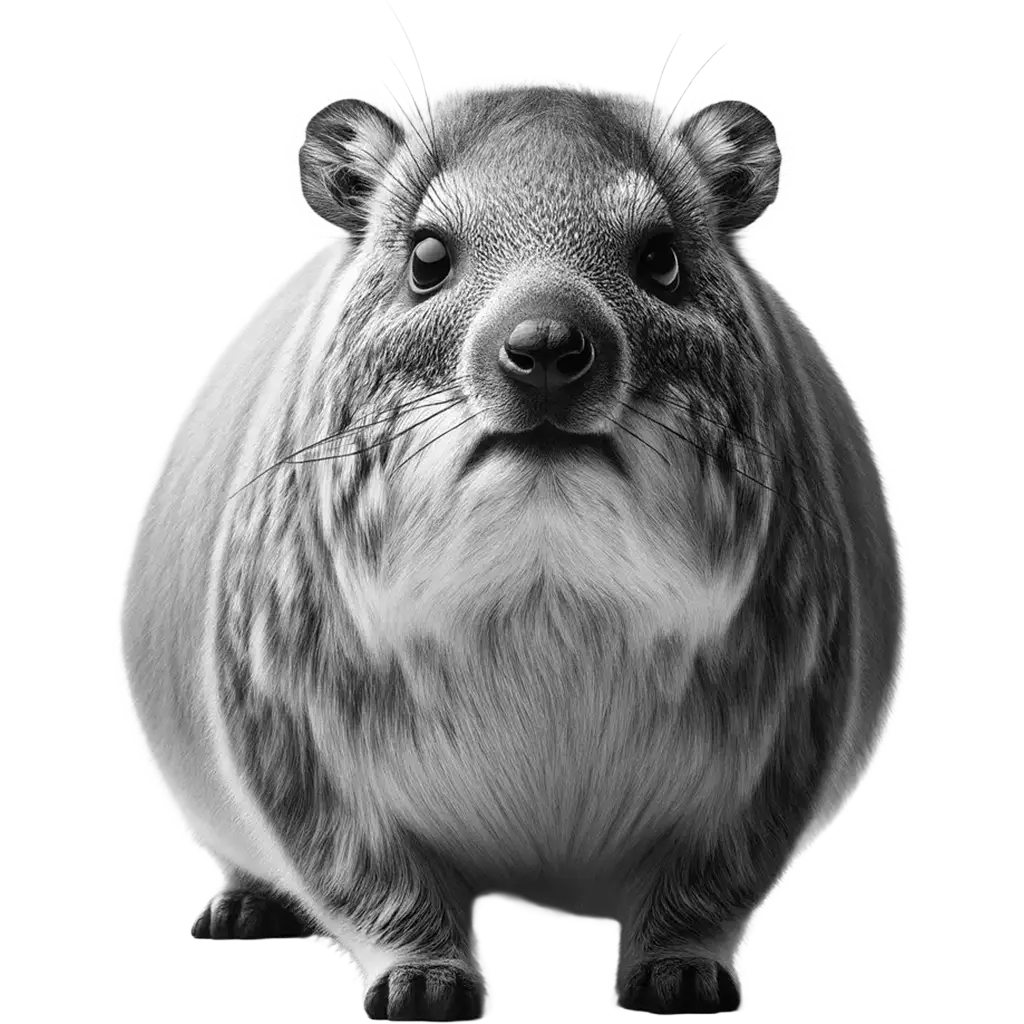
The Western Tree Hyrax, dendrohyrax dorsalis, is a lesser-known mammal native to the forests of Western and Central Africa. This creature is characterized by its thick, coarse fur, which ranges in color from dark brown to gray, and a distinctive dorsal spot that is lighter in color. Adult tree hyraxes
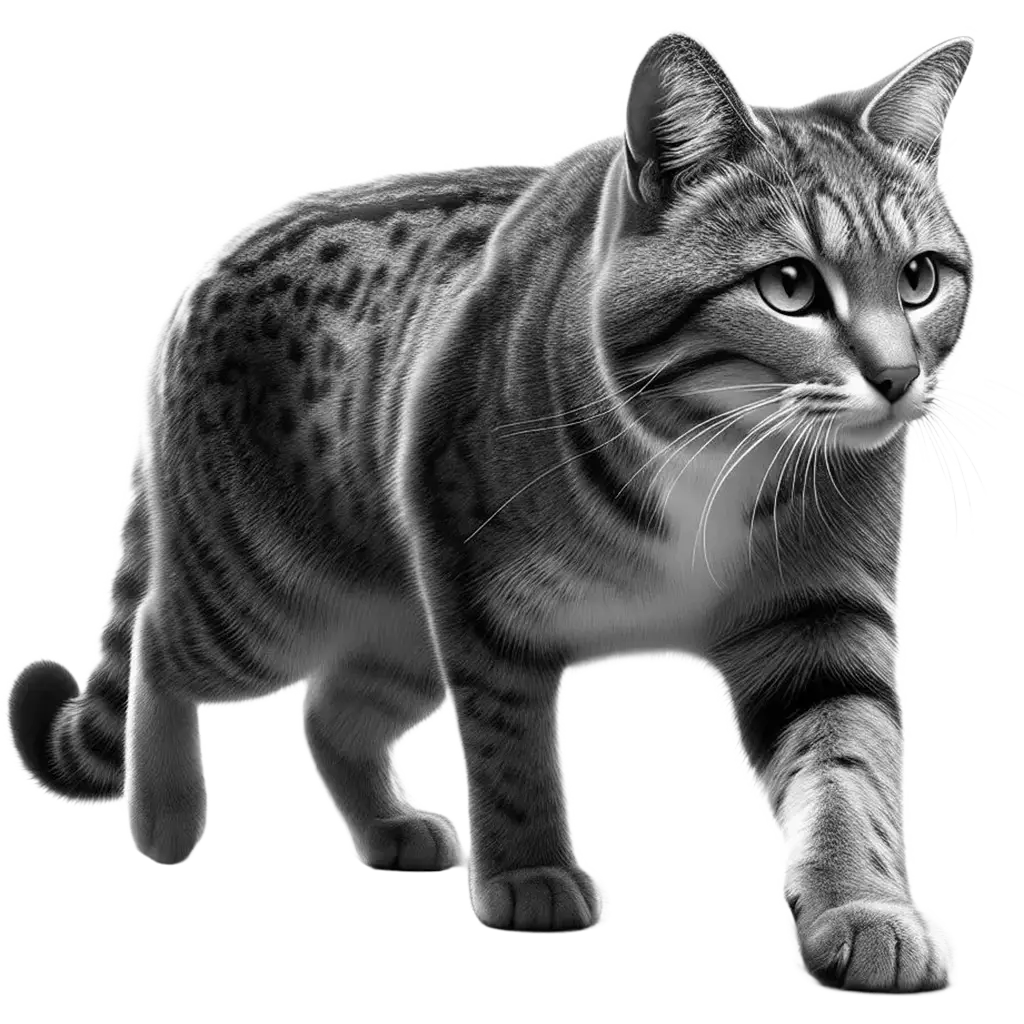
The Domestic Cat, felis catus, is a small, carnivorous mammal that has lived alongside humans for thousands of years, evolving into a diverse array of breeds, colors, and patterns. Typically, these animals have a lithe and agile body, sharp retractable claws, and keen senses, especially their vision and hearing. Domestic
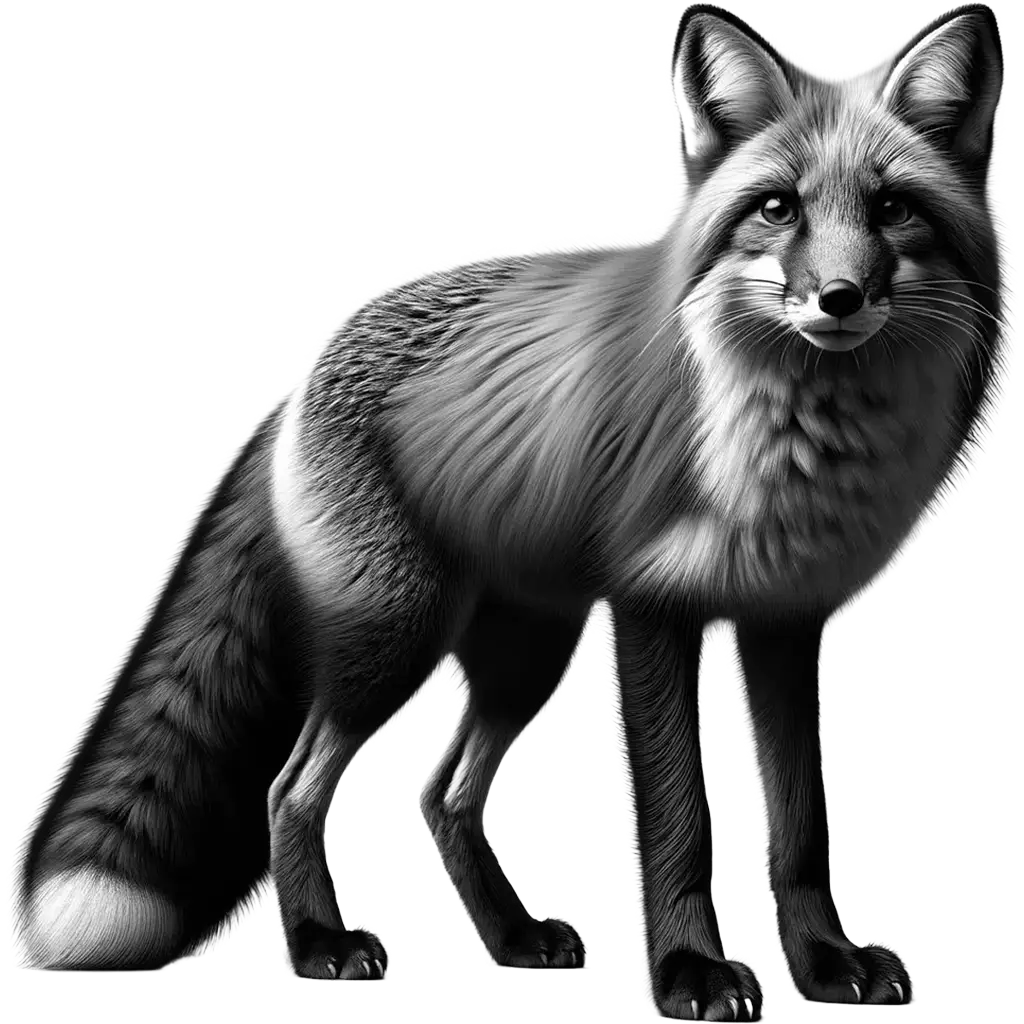
The Cascade Red Fox, vulpes vulpes cascadensis, is a rare and distinctive subspecies of the red fox that is native to the Cascade Range in the United States. This subspecies is characterized by its unique coloration, which ranges from a bright copper-red to a dark, almost black hue, and includes

The Cavalier King Charles Spaniel, a breed esteemed for its graceful elegance and expressive, soulful eyes, embodies the essence of a companion dog. Originating from the United Kingdom, this breed stands out with its silky, medium-length coat, which comes in four distinct color patterns: Blenheim (chestnut and white), Tricolor (black/white/tan),