
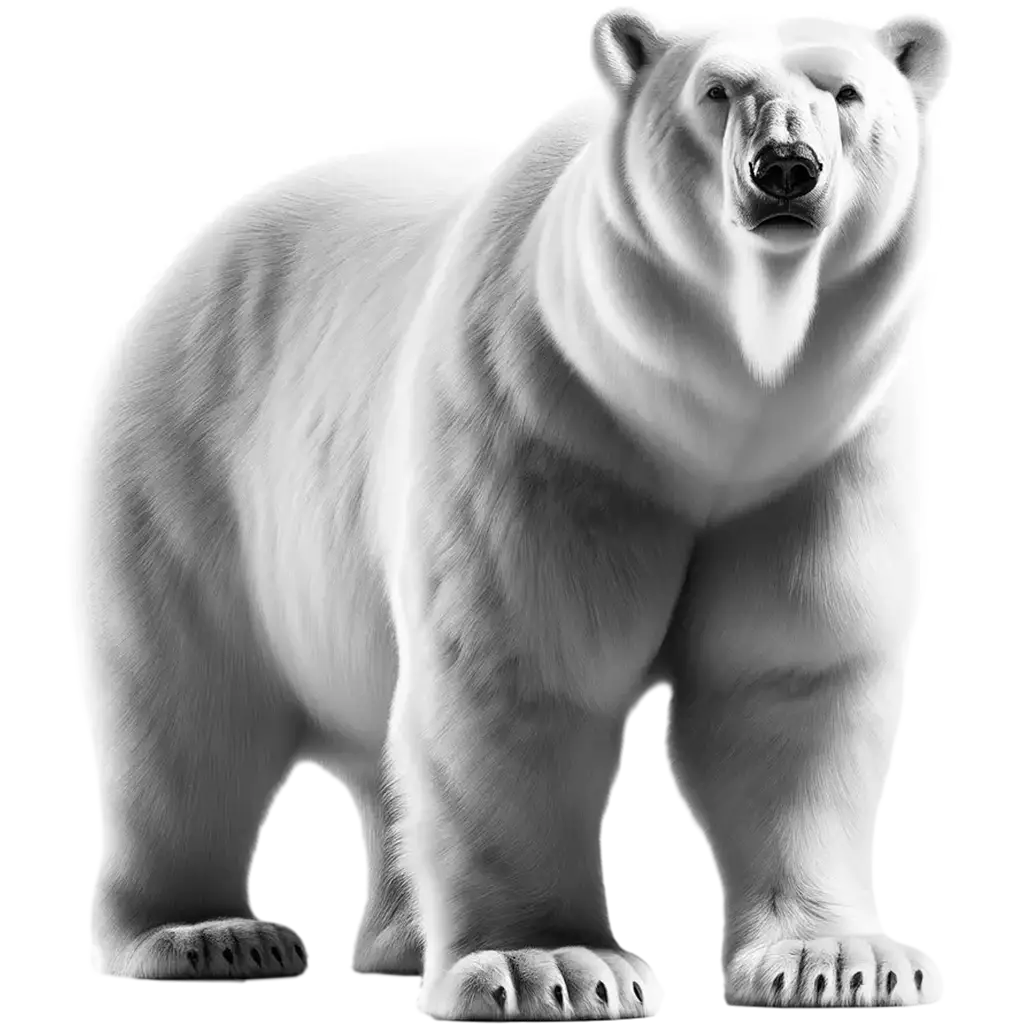
Ursus Maritimus
Polar Bear
Arctic regions, primarily on sea ice
The Polar Bear, ursus maritimus, is the largest land carnivore, symbolizing the Arctic's wild beauty. Characterized by its thick, white fur which provides camouflage in snowy habitats and a layer of fat for insulation, adult males can weigh between 350 to more than 650 kg (770 to over 1,430 lbs), with females being about half that size. This powerful bear has a large head, powerful limbs, and a deep chest, all adaptations to its life in extreme cold environments.
| Population: | Listed as Vulnerable due to climate change and melting sea ice |
| Generation Length: | 15 years |
| Average Weight: | 350-700 kg for males, 150-250 kg for females |
| Average Length: | 2.4-3 meters for males, 1.8-2.4 meters for females |
| Lifespan: | 15-30 years in the wild |
| Diet: | Hyper-carnivorous, specialized in seal hunting |
| Conservation Status: | Vulnerable (VU) |
Inhabiting the ice-covered waters of the Arctic Ocean and its surrounding seas, Polar Bears are primarily found on the sea ice, where they are expert swimmers, capable of navigating large distances in search of food. Their life is intimately linked to the sea ice, which they use as a platform for hunting seals, their primary prey. Polar Bears are solitary animals, except for females with cubs or when gathering in areas with abundant food sources.
The diet of the Polar Bear is mainly carnivorous, focusing on ringed and bearded seals. They use the sea ice to ambush seals at breathing holes, relying on their excellent sense of smell to locate prey. During the summer months, when the ice melts, Polar Bears may consume carcasses, vegetation, and birds' eggs, but these do not provide the high fat content needed to sustain their large size.
Breeding occurs from March to June, with implantation of the fertilized egg delayed until fall, ensuring that the cubs are born during the peak of winter in the safety of a snow den. Females give birth to one to three cubs, which are born blind and covered in a fine down. They depend on their mother for warmth and nutrition, feeding on her rich milk until they are able to venture outside the den.
The Polar Bear's population is classified as Vulnerable, with climate change posing the most significant threat to their survival. The melting of Arctic sea ice reduces their hunting grounds, forcing them into closer contact with human settlements and leading to nutritional stress. Conservation efforts are focused on mitigating climate change, protecting habitat, and managing human-bear conflicts to ensure the future survival of this iconic species.
Classifications
The Key Attributes
Features
- Movement:
Walking, swimming
- Territorial Behavior:
Solitary except during mating season and mothers with cubs
- Speed:
Can run up to 40 km/h in short bursts; swims well
- Diet:
Carnivore
- Physical Features:
- Large and powerful body
- Thick layer of blubber for insulation
- White fur for camouflage in snow and ice
- Large paws for walking on ice and swimming
- Primary Senses:
- Smell
- Sight
- Hearing
Understanding Habitat and Range
Geography
- Habitat:
Arctic regions, primarily on sea ice
- Migration Patterns:
Seasonal movements with sea ice extent
- Geographical Range:
Circumpolar Arctic, including the territories of the United States (Alaska), Canada, Russia, Greenland, and Norway (Svalbard)
- Climate Preferences:
Arctic, dependent on sea ice for hunting
Navigating the Wilderness
In the wild
- Predators:
No natural predators, but cubs are at risk from adult males and other animals
- Prey:
Ringed and bearded seals, occasionally other marine mammals
- Feeding Behavior:
Primarily feeds on seals, utilizing sea ice platforms to hunt
- Diet:
Hyper-carnivorous, specialized in seal hunting
- Defensive Mechanisms:
- Strength and size
- Swimming ability to escape threats or pursue prey
- Preferred Food Sources:
- Areas of sea ice where seals are abundant
Insights Into Reproduction
Mating
- Mating System:
Polygynous
- Number of Offspring:
1-3 cubs, typically 2
- Gestation Period:
About 8 months, including delayed implantation
- Parental Involvement:
- Females rear the cubs alone, teaching them to hunt and survive in the Arctic environment
Youngsters Section
Polar Bear
Fun Fact
Polar bears have black skin under their white fur, which helps them absorb and retain heat from the sun.
This unique adaptation is essential for their survival in the Arctic's frigid environments. The white fur provides camouflage against the snow and ice, aiding in hunting. Polar bears are excellent swimmers, capable of covering vast distances to find food like seals. Their powerful sense of smell allows them to detect prey nearly a mile away, making them top predators in their icy habitat.

Download word search puzzles
Word Search Puzzles


Check Out Other Mammals
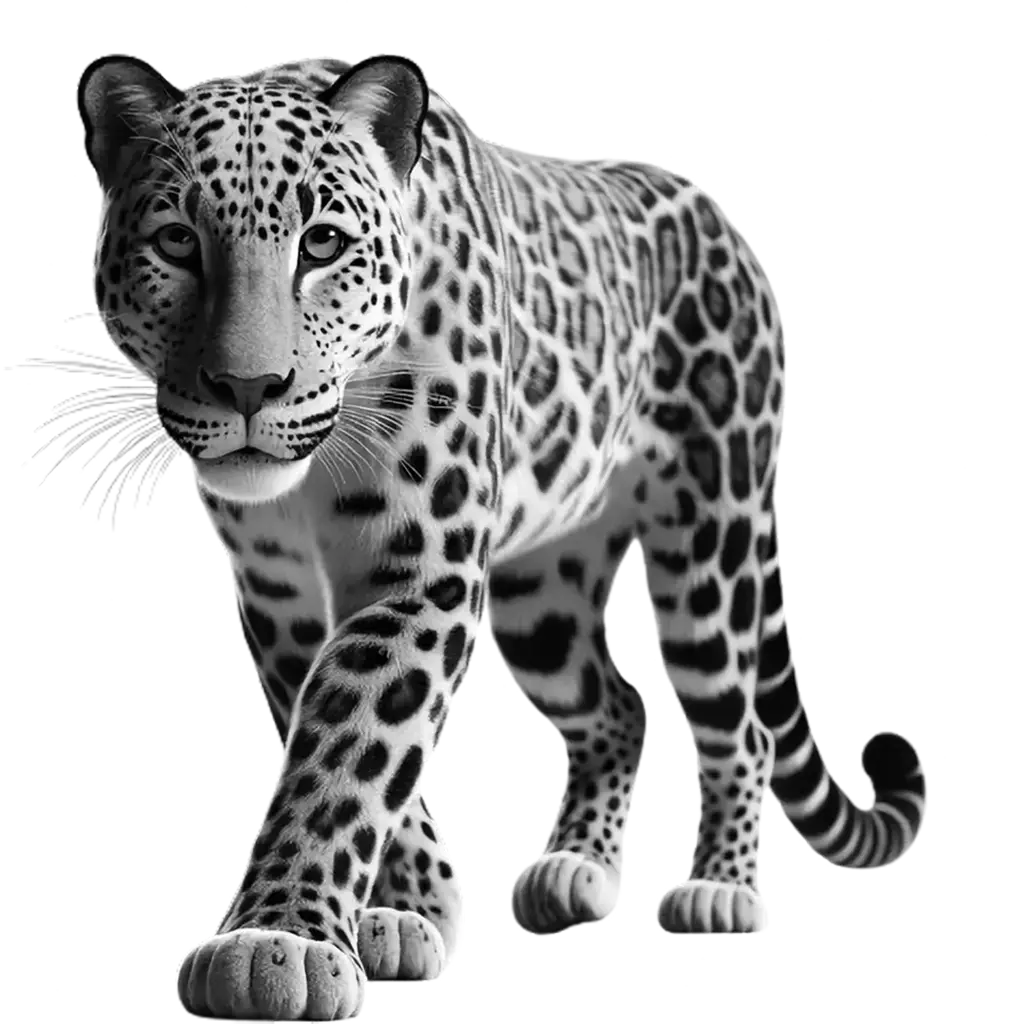
The Leopard, panthera pardus, is a member of the Felidae family and one of the five big cats in the genus Panthera. Known for its beautifully spotted fur, the Leopard has a graceful, powerful body, allowing it to adapt to a variety of habitats including forests, mountains, grasslands, and deserts
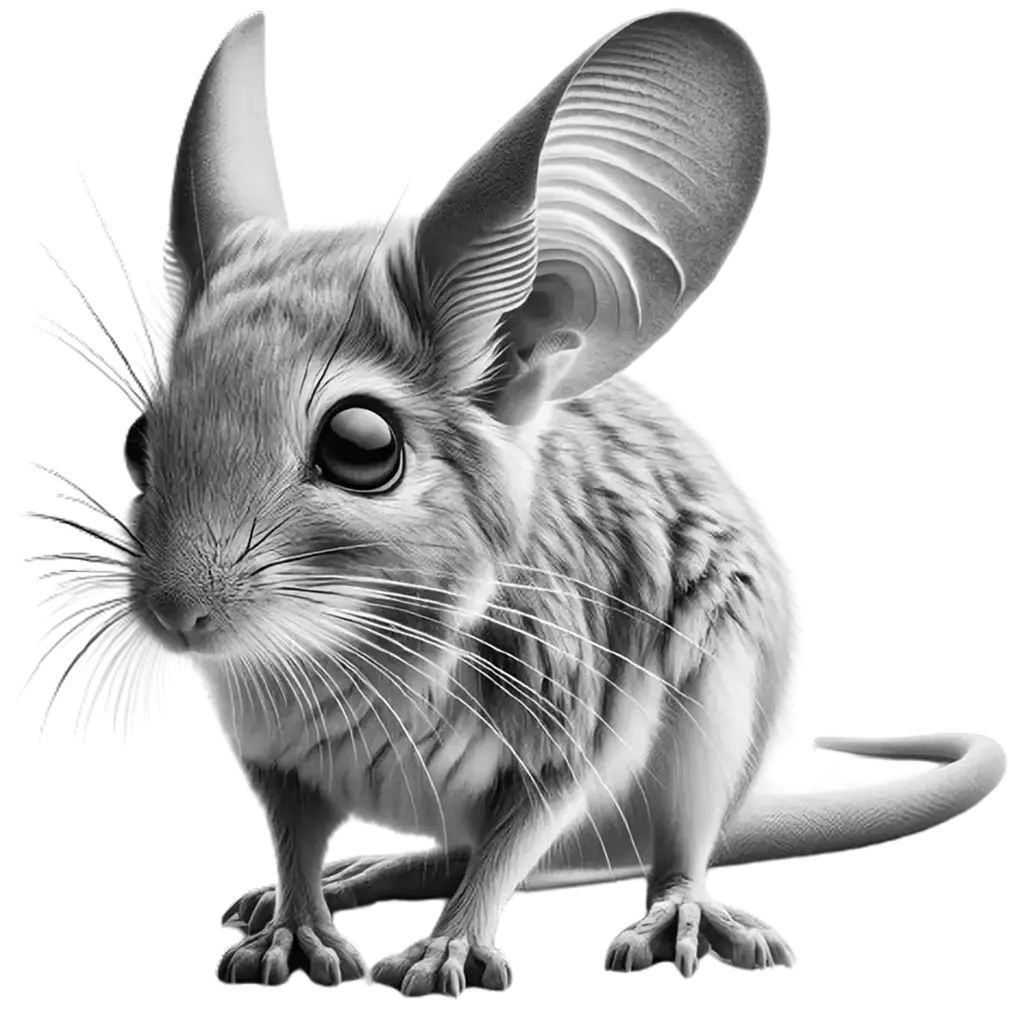
Williams's Jerboa, scarturus williamsi, is a small, nocturnal rodent known for its distinctive long hind legs and short forelimbs, enabling it to leap significant distances, much like a kangaroo. This adaptation is crucial for escaping predators and traversing its desert habitat. Its coat is typically sandy or pale brown, blending
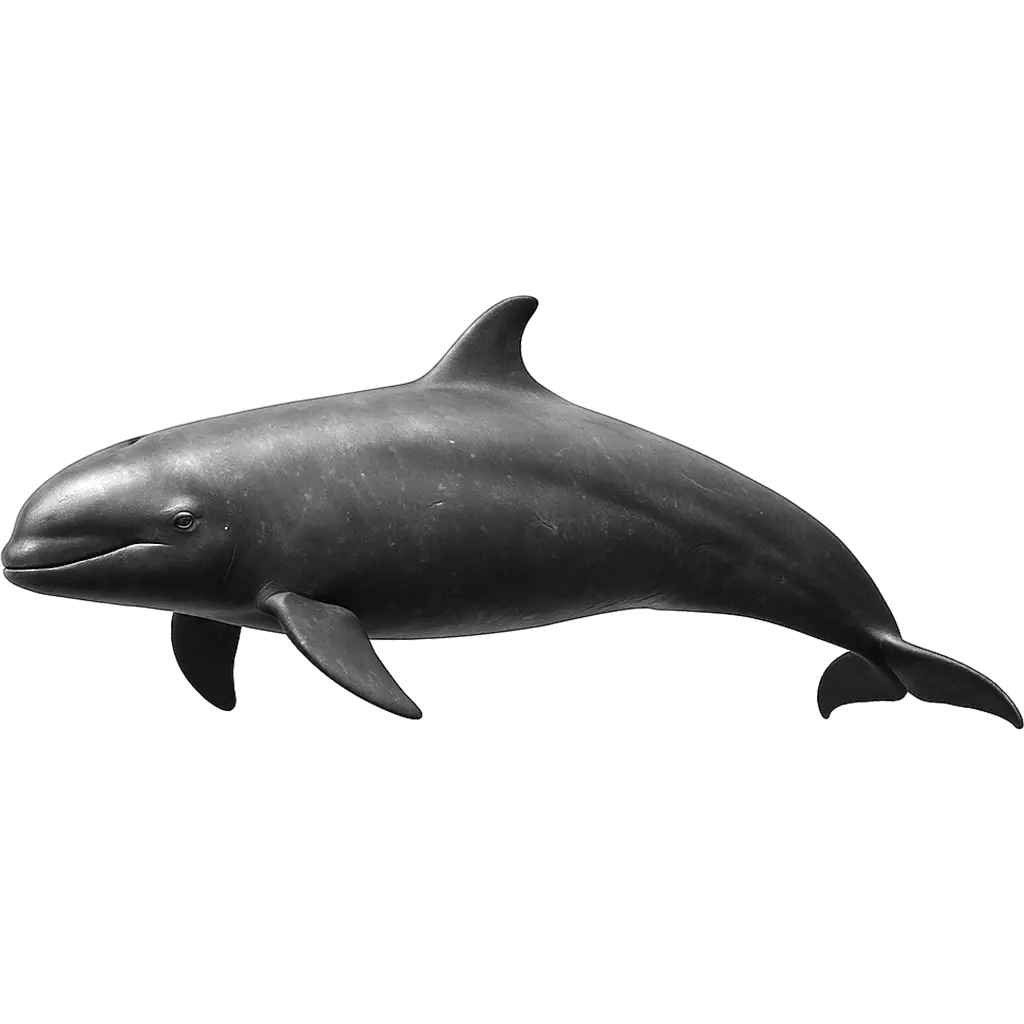
The False Killer Whale exhibits a sleek, robust body with a dark, uniform coloration that ranges from deep gray to nearly black. Its streamlined form and powerful flippers enable graceful, efficient movement through the ocean. A prominent dorsal fin and a tapered head add to its striking appearance, while the
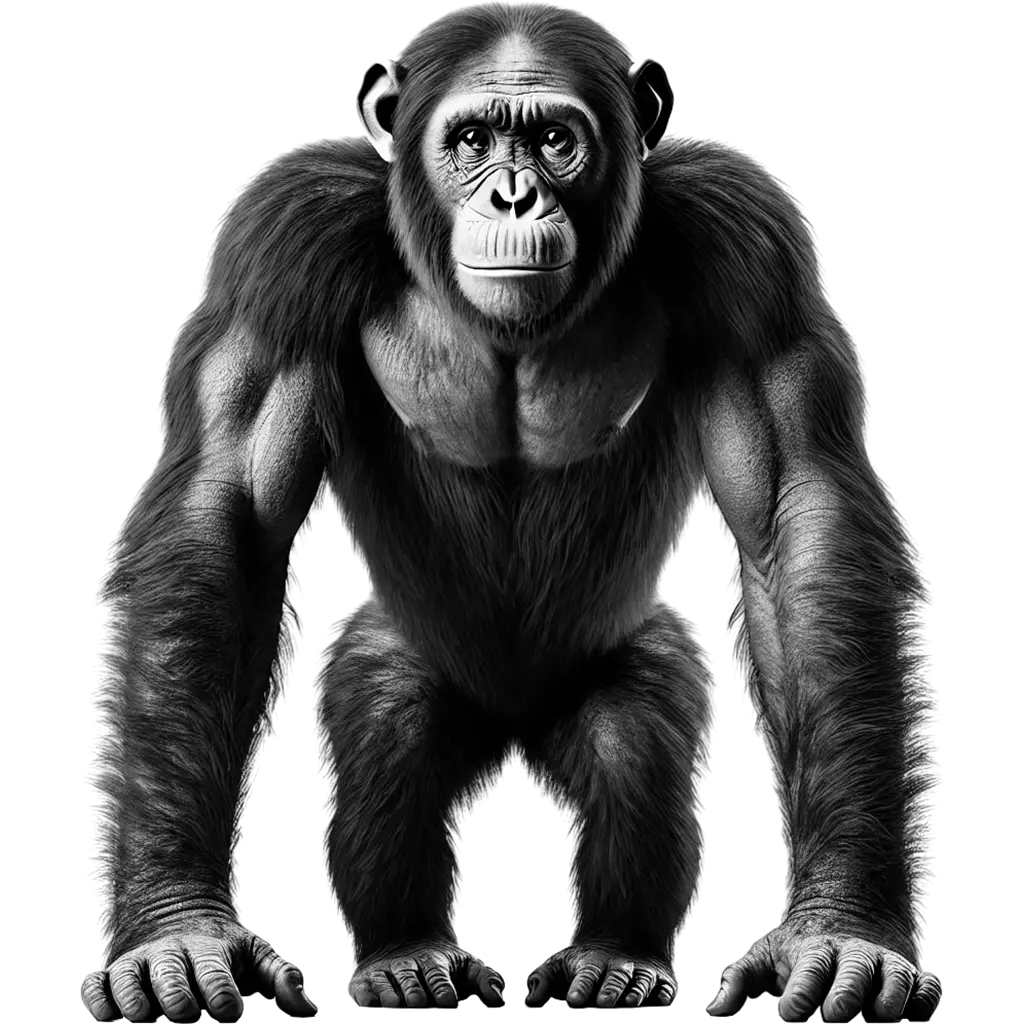
The Bonobo is a slender, graceful great ape with a fine, dark coat of hair that covers its lithe body, contrasting with a distinctly pinkish face and expressive, soft features. Its long arms and agile hands speak to its arboreal past, while its gentle eyes and unique facial expressions reflect