
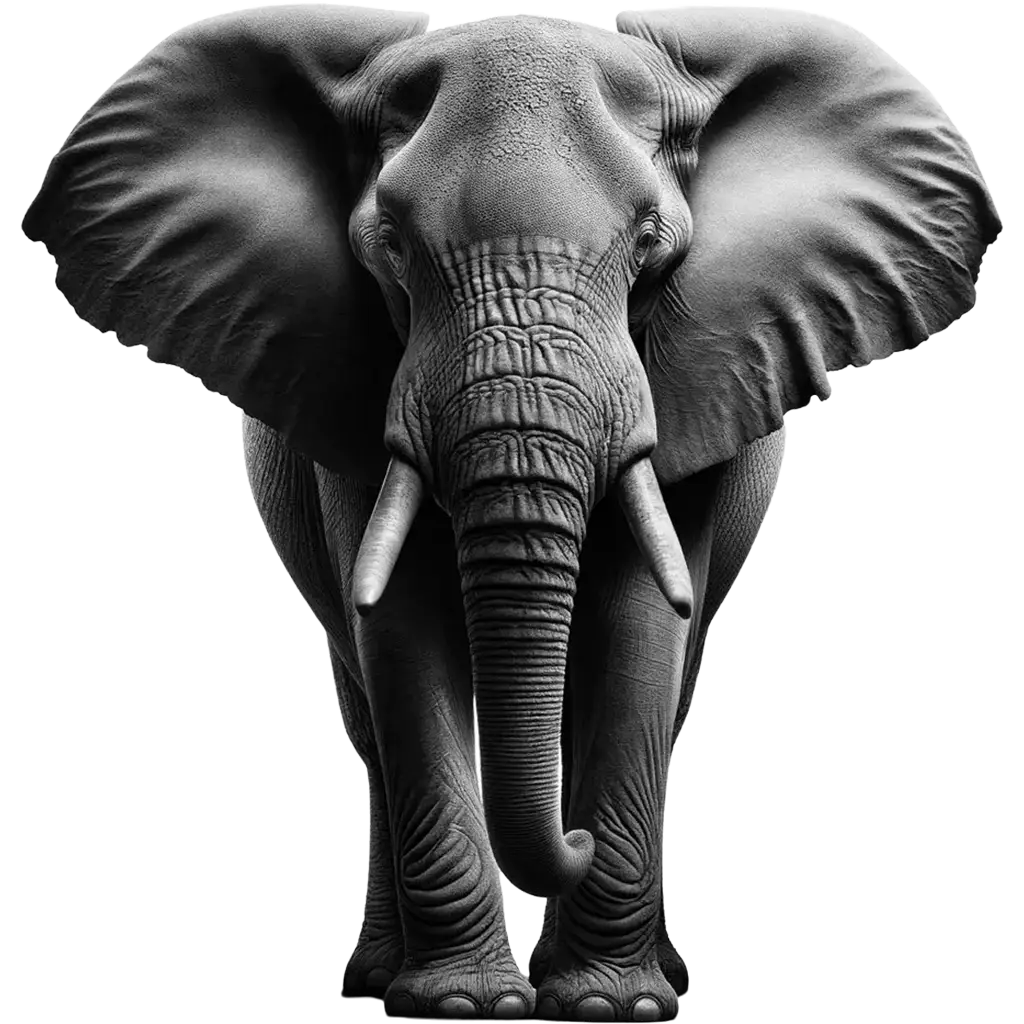
Loxodonta Cyclotis
African Forest Elephant
Dense tropical forests
The African Forest Elephant, loxodonta cyclotis, is the smaller of the two African elephant species, distinguished by its more rounded ears and straighter tusks, which are thinner and downward pointing compared to those of its savannah cousin. Adults typically stand 2.5 meters tall at the shoulder, making them smaller than the African bush elephant. Their skin is a dark grey color, often appearing brown due to wallowing in mud and dusting themselves with dirt. This not only cools them down but also provides a protective layer against parasites and the sun. The forest elephant's dense, leafy habitat influences their compact size and agility, enabling them to navigate through tight spaces in the forest.
| Population: | Unknown, but considered to be decreasing |
| Generation Length: | 22-25 years |
| Average Weight: | 2,000-4,000 kg |
| Average Length: | 2.4-3.0 m at the shoulder |
| Lifespan: | 60-70 years |
| Diet: | Leaves, fruit, bark, and other vegetation |
| Conservation Status: | Critically Endangered (CR) |
African Forest Elephants play a pivotal role in their ecosystem as keystone species, facilitating forest regeneration through seed dispersal. Their diet primarily consists of fruit, leaves, and bark, and as they travel, seeds are excreted in different areas, promoting plant growth and diversity. These elephants are highly social, forming matriarchal herds that include females and their offspring, while males tend to be more solitary or form smaller bachelor groups. Communication among forest elephants involves a range of sounds, some of which are infrasonic, below the range of human hearing. They are known for their intelligence, demonstrated by complex social behaviors and memory.
The diet of the African Forest Elephant significantly impacts the biodiversity of their habitat. They consume a variety of plant material, which helps to maintain the health of the forest ecosystem. By selectively feeding on certain plants, they contribute to the spatial distribution and composition of the forest. Their ability to break down vegetation and create clearings also allows for new plants to grow, further contributing to the ecological balance of their environment.
Mating rituals of the African Forest Elephant involve elaborate displays and vocalizations by males to attract females and assert dominance. These rituals can lead to fierce competitions among males, especially during the breeding season. Females give birth to a single calf after a gestation period of about 22 months, which is one of the longest of any land animal. The social structure of the herd provides protection and support for the calves, with all members participating in their care.
The population of the African Forest Elephant has been declining due to habitat destruction and poaching for their ivory tusks. Classified as critically endangered, their numbers have significantly reduced, posing a severe threat to their survival. Conservation efforts are crucial to protect their remaining habitats and to enforce anti-poaching laws. International cooperation and community-based conservation strategies are essential to ensure the long-term survival of the African Forest Elephant, reflecting the need for a global commitment to wildlife conservation.
Classifications
The Key Attributes
Features
- Movement:
Quadrupedal
- Territorial Behavior:
Social, living in small family groups
- Speed:
Can reach up to 40 km/h (25 mph) in short bursts
- Diet:
Herbivore
- Physical Features:
- Smaller and more rounded ears than African savanna elephants
- Darker skin
- Straight, downward-pointing tusks
- Primary Senses:
- Touch
- Smell
- Hearing
Understanding Habitat and Range
Geography
- Habitat:
Dense tropical forests
- Migration Patterns:
Limited migrations, dependent on the seasonal availability of food and water
- Geographical Range:
Central and West Africa
- Climate Preferences:
Tropical forest climates
Navigating the Wilderness
In the wild
- Predators:
Mainly humans (due to poaching)
- Prey:
Does not apply, as they are herbivorous
- Feeding Behavior:
Diurnal and nocturnal, spends around 16 hours a day eating
- Diet:
Leaves, fruit, bark, and other vegetation
- Defensive Mechanisms:
- Charging
- Using their tusks
- Forming protective circles around calves
- Preferred Food Sources:
- Fruit
- Tree leaves
- Bark
Insights Into Reproduction
Mating
- Mating System:
Polygynous
- Number of Offspring:
1 (rarely twins)
- Gestation Period:
22 months
- Parental Involvement:
- High maternal care
- Extended family members may assist
Youngsters Section
African Forest Elephant
Fun Fact
African forest elephants are smaller and more elusive than their savanna cousins.
They inhabit the dense rainforests of Central and West Africa. Their diet includes fruits, leaves, and bark, which helps in seed dispersal and forest growth. They have straight, downward-pointing tusks and play a crucial role in the ecosystem by maintaining the forest's health.

Download word search puzzles
Word Search Puzzles


Check Out Other Mammals
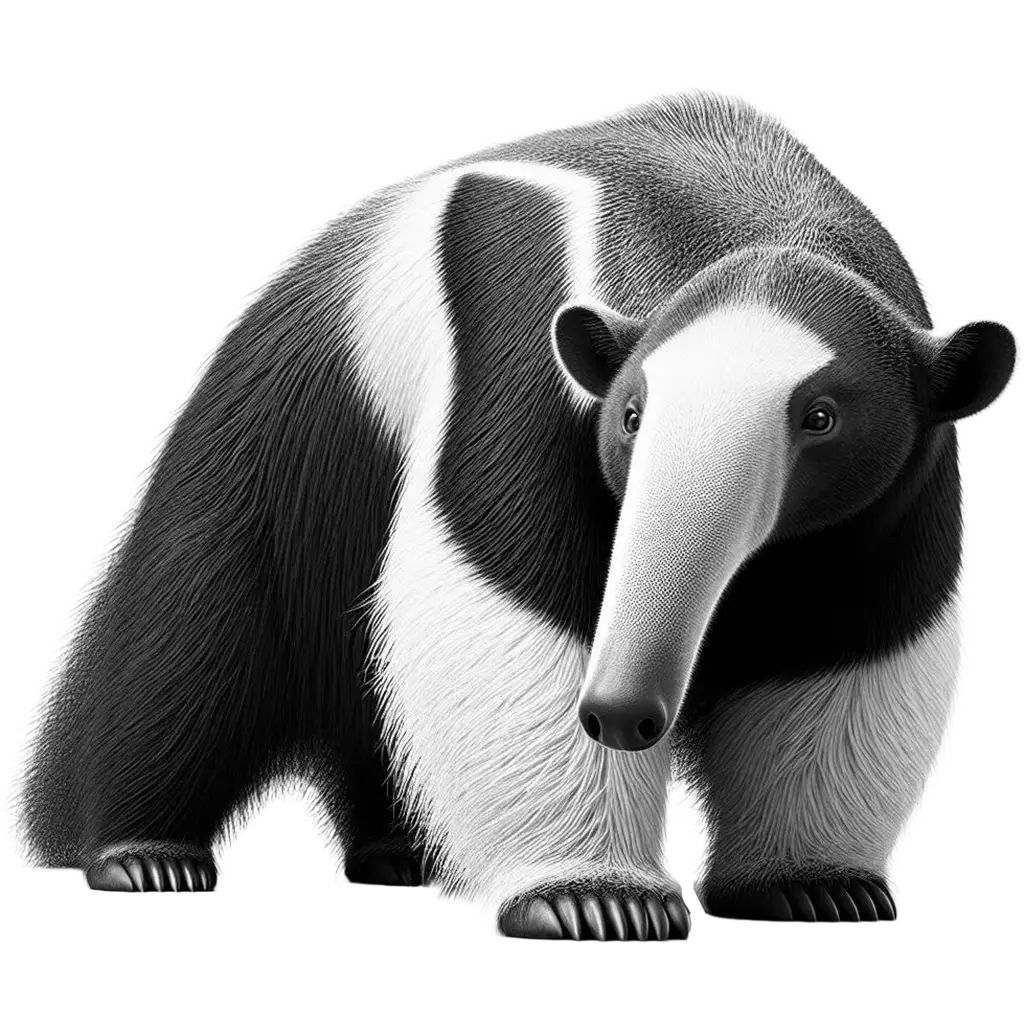
The Giant Anteater, myrmecophaga tridactyla, is an easily recognizable mammal known for its elongated snout, bushy tail, and distinctive black and white shoulder stripes. Adults can grow up to 2.1 meters (7 feet) in length, including the tail, and weigh between 18 to 39 kilograms (40 to 86 pounds). Their

The Bengal Tiger, panthera tigris, stands as a majestic symbol of the wilderness, embodying strength, agility, and grace. This subspecies is distinguished by its vibrant orange coat adorned with dark stripes, a characteristic that provides camouflage in the dense forests and grasslands of its habitat. Adult Bengal Tigers are formidable
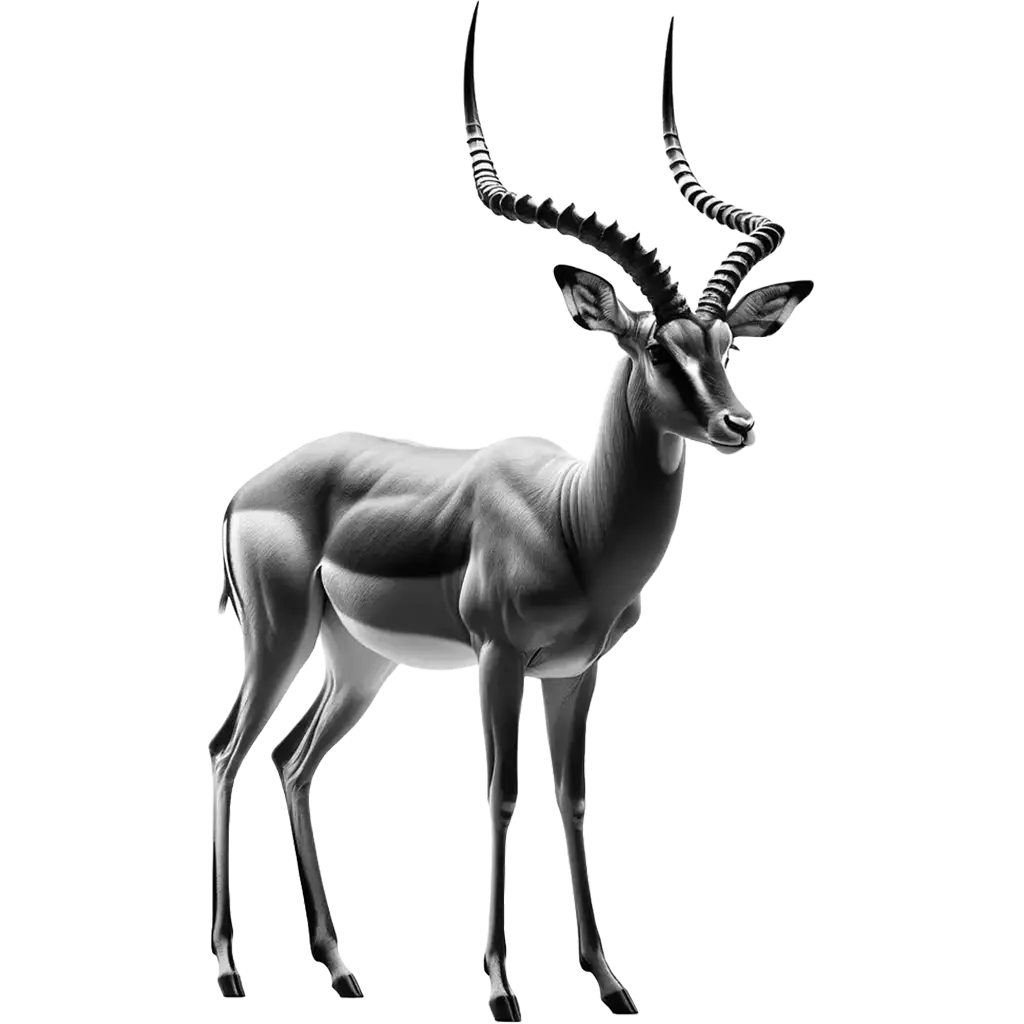
The Impala, aepyceros melampus, is a graceful and agile antelope found across the savannas and woodlands of eastern and southern Africa. Characterized by its slender, athletic build, the Impala has a glossy, reddish-brown coat, with lighter flanks and a distinctive white underbelly. Males boast impressive lyre-shaped horns, which can grow
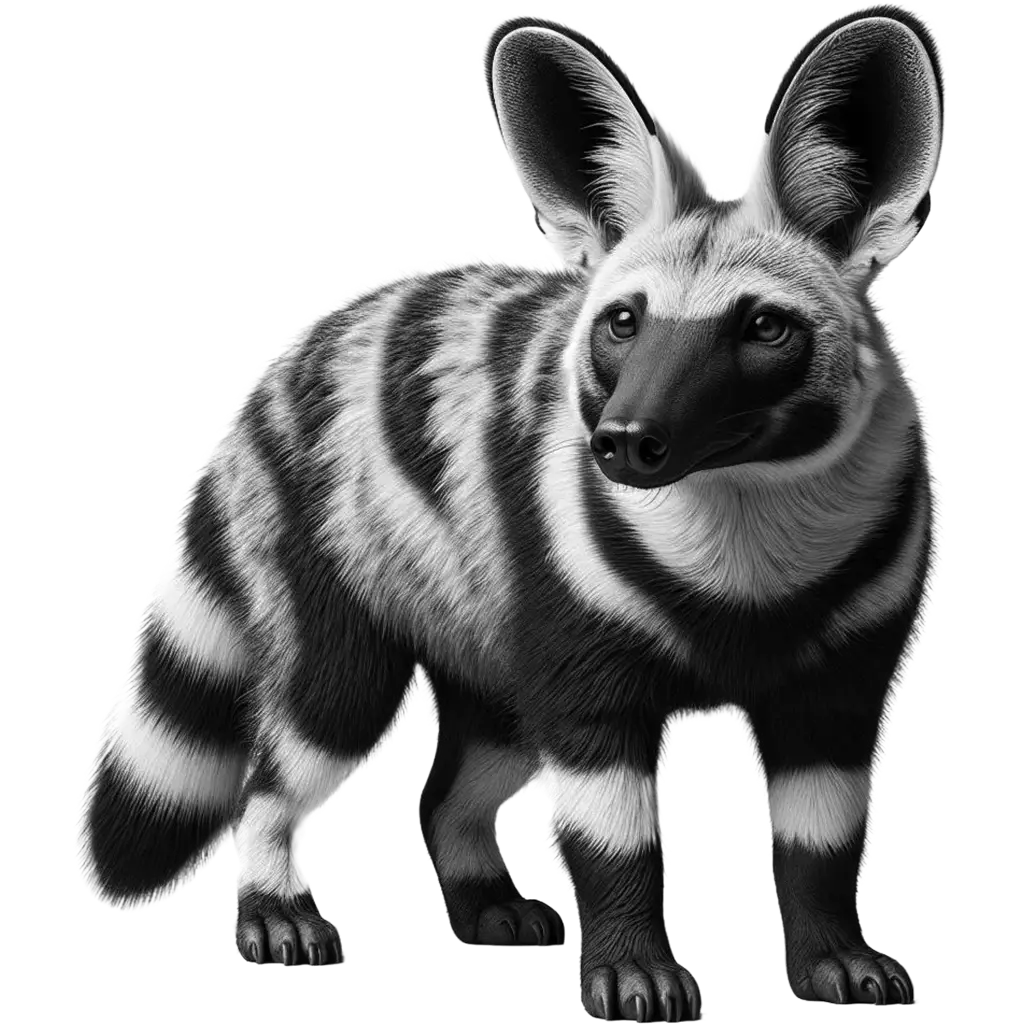
The Aardwolf, proteles cristatus, is a small, insectivorous mammal, distinct from its larger carnivorous relatives in the Hyaenidae family, such as hyenas. With a shoulder height of about 40 to 50 cm and weighing between 8 to 14 kg, the Aardwolf possesses a slender frame, covered in a coarse yellow-brown