

Leopardus Colocola
Pampas Cat
Grasslands, pampas, and scrublands at various altitudes
The Pampas Cat, leopardus colocola, is a small wild cat native to South America, characterized by its elusive nature and adaptability to a variety of habitats. This species exhibits a range of fur patterns and colors, typically featuring a grey or yellowish fur marked with stripes and spots that provide camouflage in its natural environment. Adults can weigh between 3 to 6.5 kg (6.6 to 14.3 lbs) and measure up to 60 cm (24 inches) in length, excluding the tail, which adds an additional 25 to 30 cm (9.8 to 11.8 inches). The Pampas Cat's physical appearance, including its stocky build and bushy tail, varies significantly across its range, reflecting the diversity of environments it inhabits.
| Population: | Listed as Near Threatened due to habitat loss and degradation |
| Generation Length: | 3-4 years |
| Average Weight: | 3-5 kg |
| Average Length: | 45-75 cm, with a tail of 20-30 cm |
| Lifespan: | Up to 9-10 years in the wild |
| Diet: | Primarily small mammals and birds |
| Conservation Status: | Near Threatened (NT) |
The Pampas Cat is found across the grasslands, scrublands, and Andean mountain regions of South America, from Ecuador and Peru to southern Argentina and Chile. It prefers areas with dense vegetation or rocky outcrops that offer shelter and hunting grounds. Despite its name, the Pampas Cat is not limited to the Pampas region but is adaptable to various ecosystems.
The diet of the Pampas Cat primarily consists of small mammals, birds, and reptiles. Its opportunistic feeding behavior allows it to thrive in diverse environments, playing a crucial role in the control of rodent populations and maintaining ecological balance.
Reproduction in the Pampas Cat is not well-documented, but it is believed that females give birth to litters of one to three kittens after a gestation period similar to that of domestic cats, around 80 to 85 days. The species' solitary nature extends to its reproductive behavior, with minimal interaction between individuals outside of mating.
The population of the Pampas Cat is considered Near Threatened, facing challenges from habitat loss, degradation due to agricultural expansion, and hunting. Conservation efforts are crucial for the survival of this species and include habitat protection, research to better understand its ecology and distribution, and initiatives to mitigate conflicts with livestock farming. The preservation of the Pampas Cat is essential for maintaining the biodiversity and ecological integrity of South American ecosystems.
Classifications
The Key Attributes
Features
- Movement:
Walking, running, climbing
- Territorial Behavior:
Solitary and territorial
- Speed:
Quick and agile, capable of stealthy movements
- Diet:
Carnivore
- Physical Features:
- Small, robust body with short legs
- Thick fur with spots or stripes
- Broad head with short ears
- Bushy, ringed tail
- Primary Senses:
- Sight
- Hearing
- Smell
Understanding Habitat and Range
Geography
- Habitat:
Grasslands, pampas, and scrublands at various altitudes
- Migration Patterns:
Non-migratory
- Geographical Range:
South America, from Ecuador and Peru to southern Argentina and Chile
- Climate Preferences:
Varies widely, from arid to cold highland climates
Navigating the Wilderness
In the wild
- Predators:
Larger mammals and birds of prey
- Prey:
Rodents, small birds, lizards, and insects
- Feeding Behavior:
Hunts small mammals, birds, and reptiles, primarily at night or during twilight
- Diet:
Primarily small mammals and birds
- Defensive Mechanisms:
- Camouflage within its environment
- Climbing trees or hiding in thickets to escape threats
- Preferred Food Sources:
- Areas with abundant prey and cover, such as dense grasses or thickets
Insights Into Reproduction
Mating
- Mating System:
Likely polygynous
- Number of Offspring:
1-3 kittens
- Gestation Period:
About 80-85 days
- Parental Involvement:
- Females primarily responsible for raising the young
Youngsters Section
Pampas Cat
Fun Fact
The Pampas cat, found in South America, sports a variety of fur patterns depending on its region.
This small wildcat is highly adaptable, inhabiting grasslands, forests, and even deserts. Its diet mainly consists of small mammals, birds, and insects. Despite its name, the Pampas cat isn't limited to the Pampas region but is widespread across various habitats in South America. Its camouflage helps it blend into the environment, making it a stealthy hunter.

Download word search puzzles
Word Search Puzzles


Check Out Other Mammals
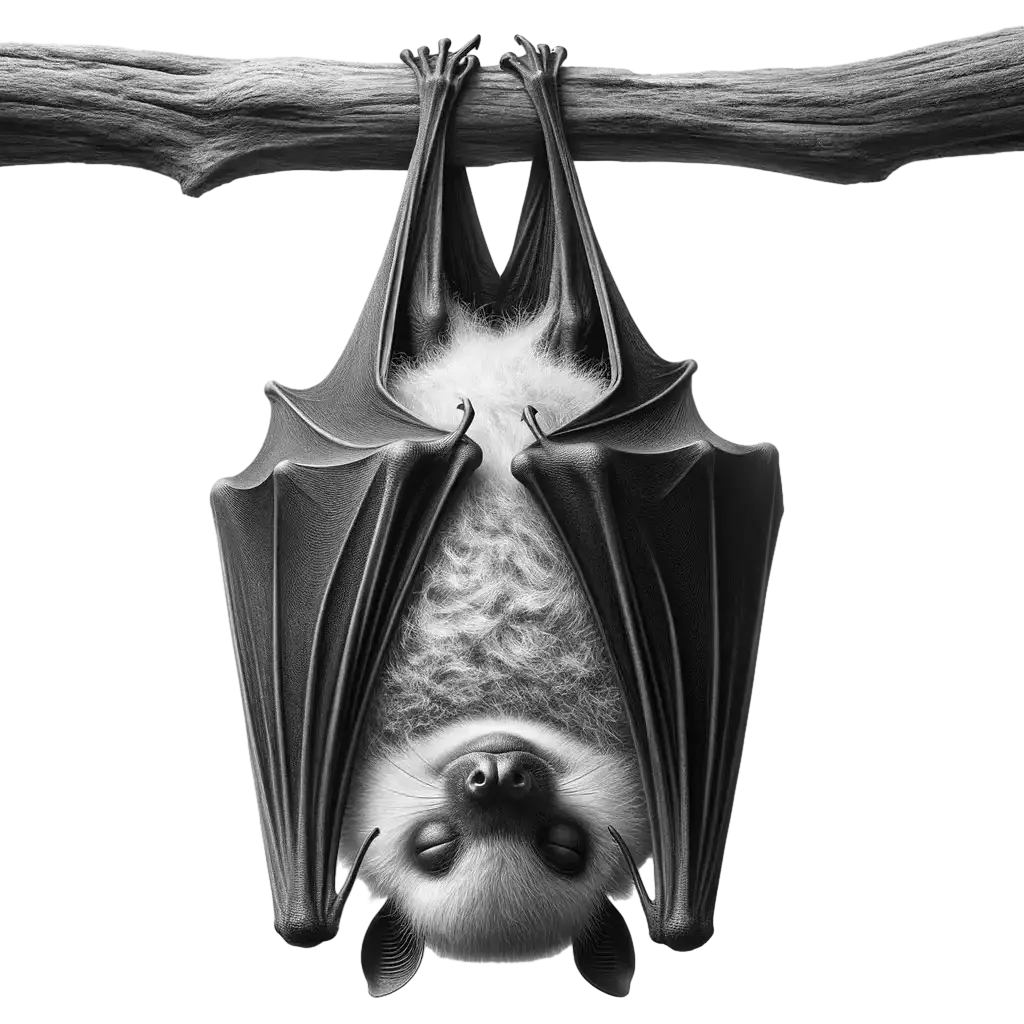
The Japanese House Bat, pipistrellus abramus, is a small, agile bat species prevalent across East Asia, including Japan, Korea, China, and parts of Russia. This species is characterized by its diminutive size, with a body length ranging from 4.5 to 5.5 cm and a wingspan of approximately 22 to 25
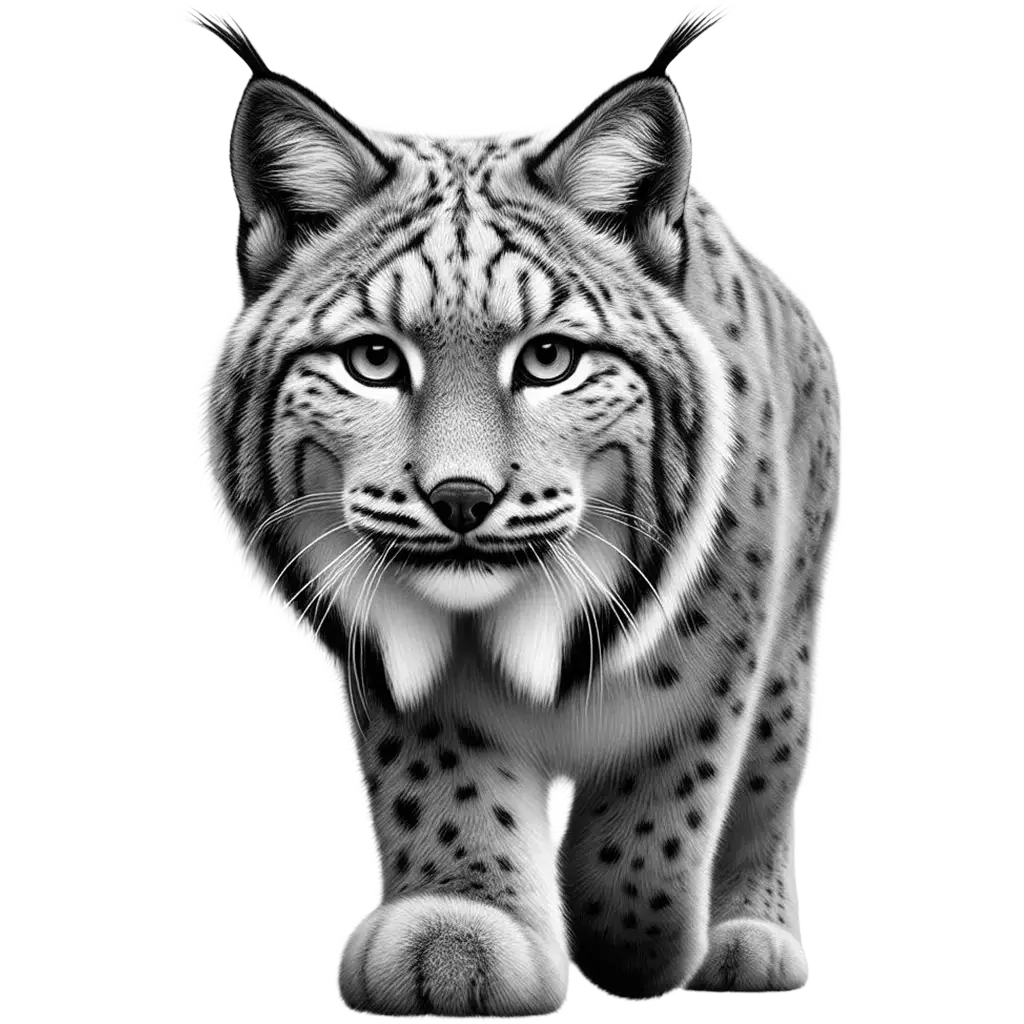
The Canada lynx, lynx canadensis, is a medium-sized wildcat native to North America, primarily found in the boreal forests of Canada and Alaska, with smaller populations extending into the northern United States. Characterized by its thick fur, prominent ear tufts, and large, padded paws that act as natural snowshoes, the

The Bactrian Camel, camelus bactrianus, is a large, even-toed ungulate native to the steppes of Central Asia. Distinguished by its two humps, in contrast to the single-humped dromedary camel, Bactrian Camels are well adapted to life in harsh desert and mountainous environments. Adults can weigh between 300 to 1,000 kg
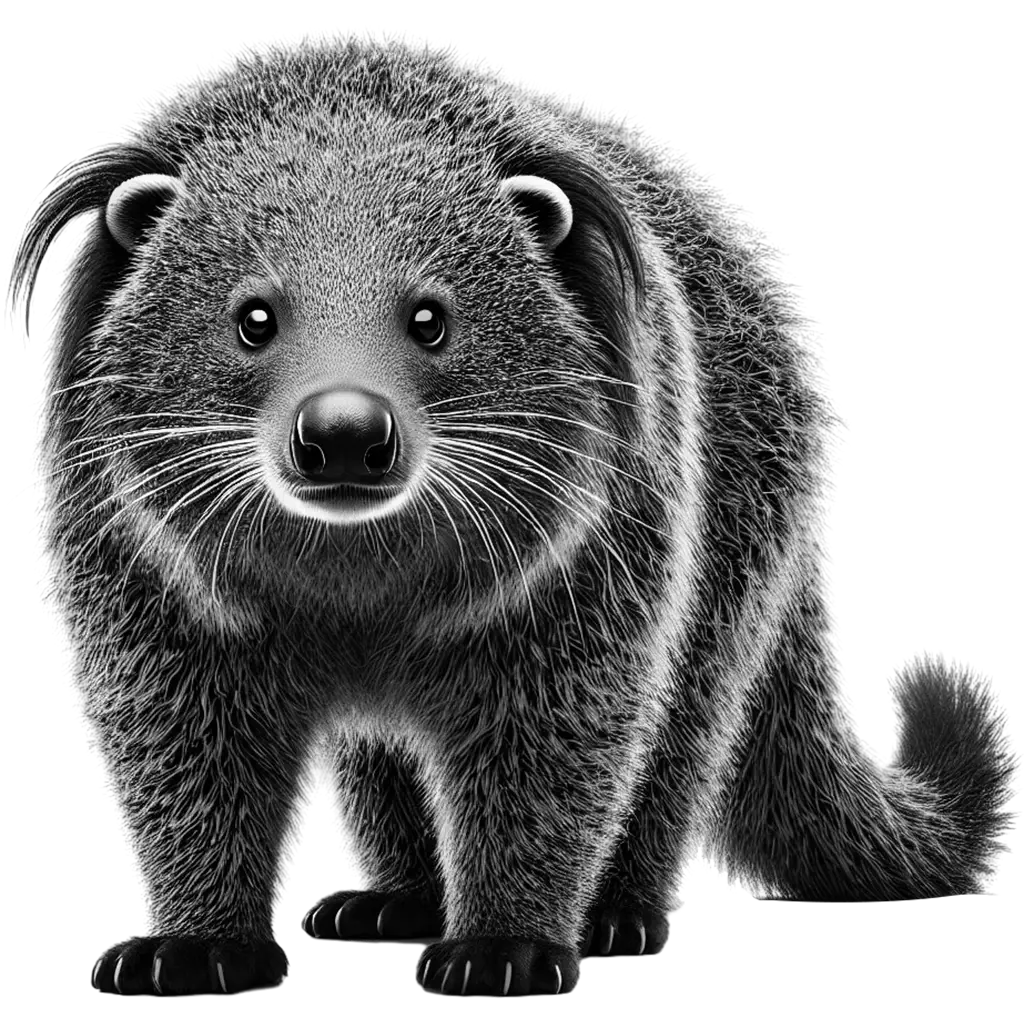
The binturong is a large, bearcat-like mammal with a shaggy, dark fur coat and a long, prehensile tail nearly as long as its body. Its robust build is complemented by expressive round ears and a broad, flat face accented by prominent whiskers. The animal's eyes are soulful and reflective, adding