
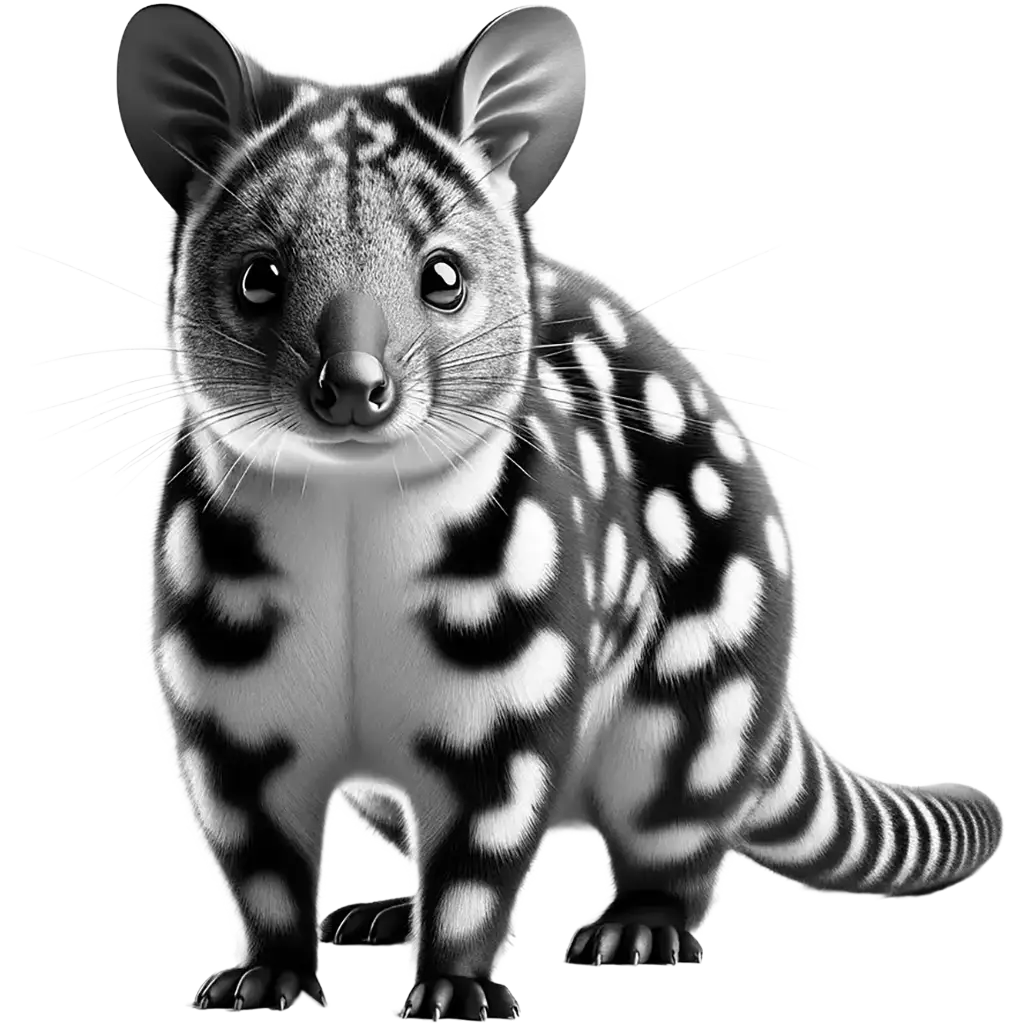
Dasyurus Maculatus
Tiger Quoll
Forests, woodlands, and heathland areas
The Tiger Quoll, dasyurus maculatus, also known as the Spotted-tail Quoll, is the largest marsupial carnivore of mainland Australia and the second largest in the world after the Tasmanian Devil. Adult Tiger Quolls can vary significantly in size, with males generally larger than females, measuring up to 75 cm in body length with a tail of about 35 cm, and weighing up to 7 kg. Their fur is rich brown with distinctive white spots covering the body and the tail, contributing to their name. They have a pointed snout, sharp teeth, and a robust build, reflecting their predatory lifestyle.
| Population: | Listed as Near Threatened due to habitat loss and decline in prey populations |
| Generation Length: | 2-3 years |
| Average Weight: | 1.2-3.5 kg for females, 3.5-7 kg for males |
| Average Length: | 35-75 cm in body length, with a tail of about 35-55 cm |
| Lifespan: | 5-7 years in the wild |
| Diet: | Carnivorous, with a diverse diet based on available prey |
| Conservation Status: | Near Threatened (NT) |
Tiger Quolls inhabit a range of forested habitats including rainforests, eucalypt forests, and woodland areas in southeastern Australia, including Tasmania. They are solitary and nocturnal animals, spending the day in dens and emerging at night to hunt. Their territories are large and can overlap with those of other individuals, but they maintain a solitary existence outside of the breeding season.
The diet of the Tiger Quoll is diverse, including small to medium-sized mammals, birds, reptiles, and insects. They are opportunistic feeders, also scavenging on carrion and, in some cases, preying on domestic animals. Their role as predators helps to control the populations of various prey species, contributing to the ecological balance within their habitats.
Reproduction in Tiger Quolls occurs annually, with mating taking place in winter. Females give birth to up to six young after a gestation period of about three weeks. The offspring, called joeys, are born undeveloped and crawl into the mother's pouch to continue their development, remaining there for about two months before transitioning to the mother's back.
The population of the Tiger Quoll has been declining due to habitat destruction, road mortality, predation by and competition with invasive species, and accidental poisoning. Classified as near threatened, conservation efforts for the Tiger Quoll include habitat protection, research, and breeding programs aimed at bolstering their numbers and understanding their ecological needs.
Classifications
The Key Attributes
Features
- Movement:
Walking, climbing, hunting
- Territorial Behavior:
Solitary, with a defined home range
- Speed:
Capable of fast, agile movements
- Diet:
Carnivore
- Physical Features:
- Spotted fur with a reddish-brown to dark brown color
- Sharp teeth and strong jaws for hunting and consuming prey
- Long tail, often bushy towards the end
- Powerful limbs with sharp claws for climbing and digging
- Primary Senses:
- Sight
- Hearing
- Smell
Understanding Habitat and Range
Geography
- Habitat:
Forests, woodlands, and heathland areas
- Migration Patterns:
Non-migratory, but may move locally in search of food
- Geographical Range:
Eastern Australia, including Tasmania
- Climate Preferences:
Prefers dense vegetation with a temperate climate
Navigating the Wilderness
In the wild
- Predators:
Larger mammals and birds of prey
- Prey:
Small mammals, birds, reptiles, insects, and occasionally carrion
- Feeding Behavior:
Nocturnal predator, hunting a variety of animals including insects, birds, and small mammals
- Diet:
Carnivorous, with a diverse diet based on available prey
- Defensive Mechanisms:
- Camouflage within its habitat
- Aggressive behavior when threatened
- Climbing trees to escape predators
- Preferred Food Sources:
- Diverse ecosystems that support a variety of potential prey species
Insights Into Reproduction
Mating
- Mating System:
Polygynous
- Number of Offspring:
Up to 6 young, but typically 4
- Gestation Period:
About 3 weeks
- Parental Involvement:
- Females rear the young in a den, with little to no involvement from males
Youngsters Section
Tiger Quoll
Fun Fact
Tiger quolls are Australia's largest carnivorous marsupials and are known for their striking spotted fur.
These nocturnal creatures have powerful jaws, capable of devouring prey larger than themselves. Tiger quolls play a vital ecological role by controlling pest populations like rabbits and rodents. They are solitary animals, communicating through vocalizations and scent markings to establish territories in the dense forests of eastern Australia.

Download word search puzzles
Word Search Puzzles


Check Out Other Mammals
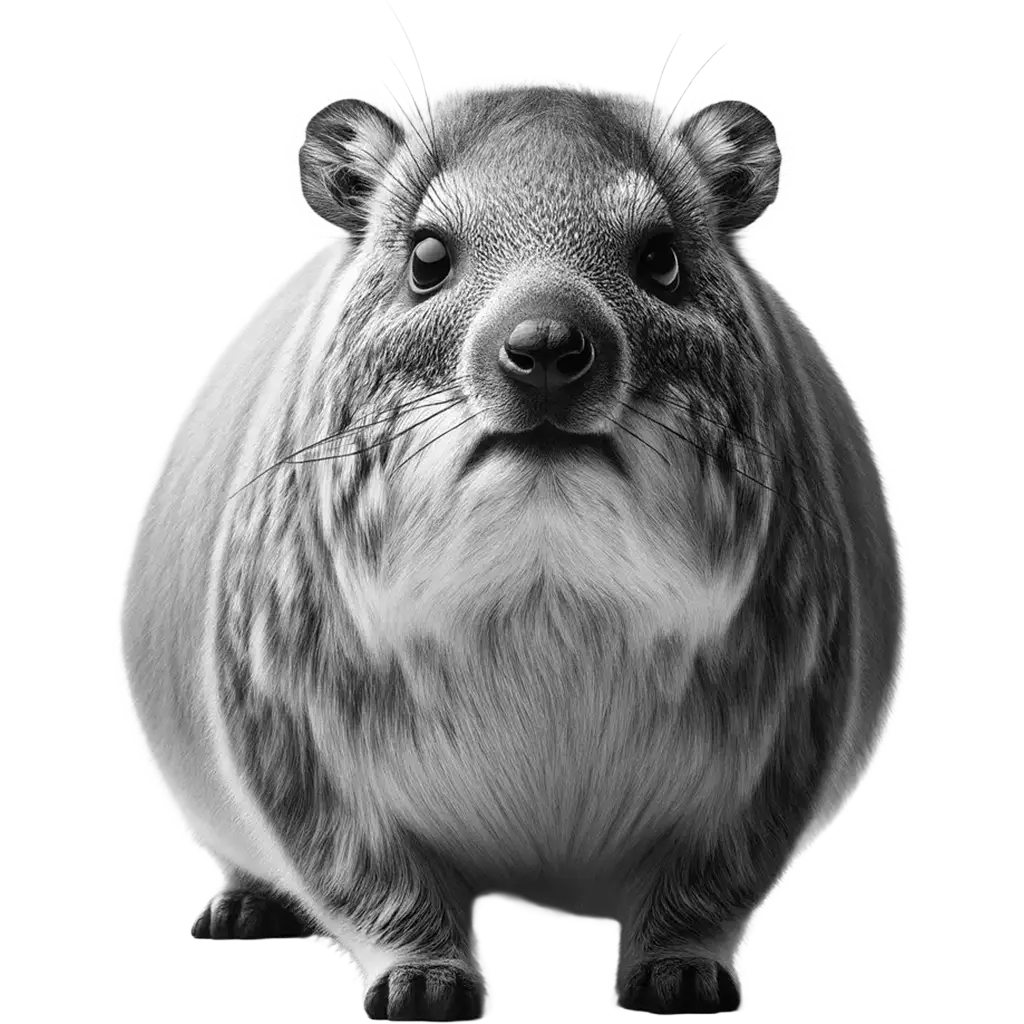
The Western Tree Hyrax, dendrohyrax dorsalis, is a lesser-known mammal native to the forests of Western and Central Africa. This creature is characterized by its thick, coarse fur, which ranges in color from dark brown to gray, and a distinctive dorsal spot that is lighter in color. Adult tree hyraxes
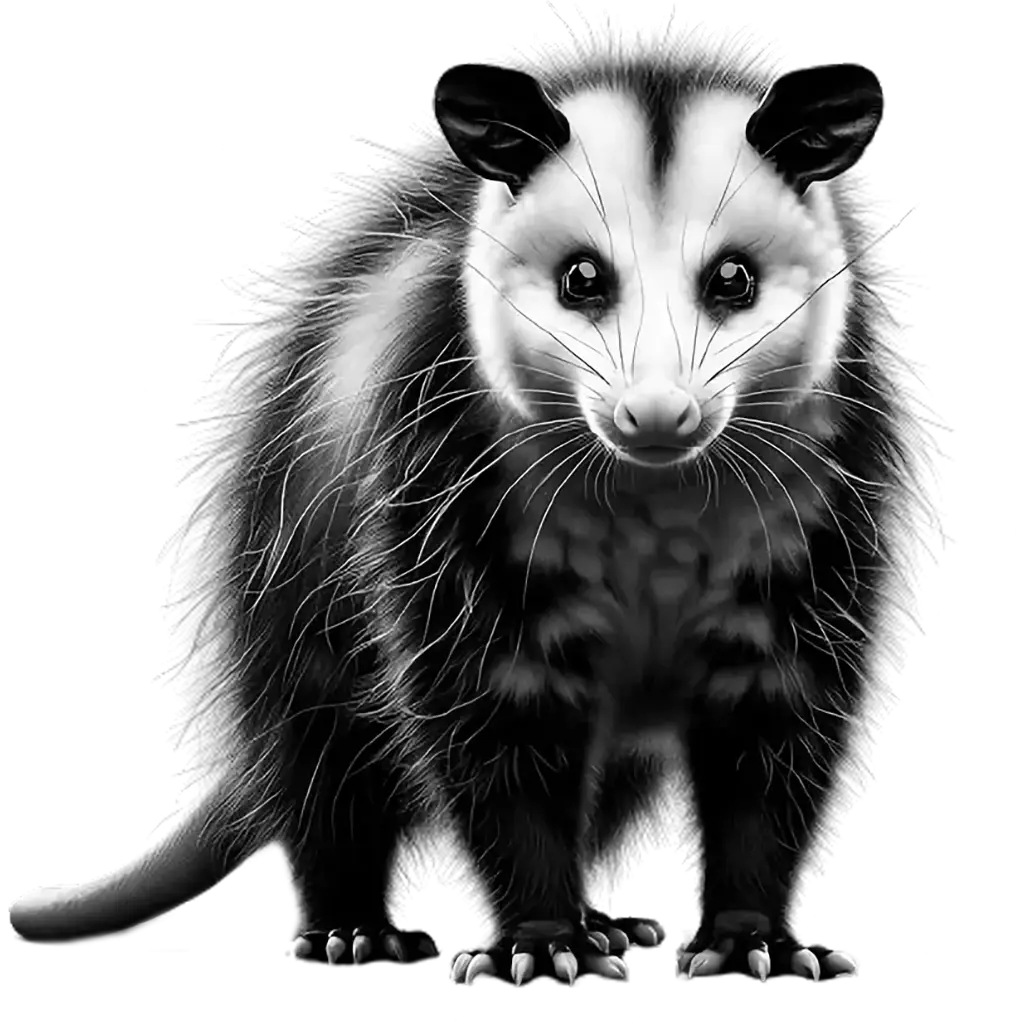
The Virginia Opossum, didelphis virginiana, is North America's only marsupial, recognized for its distinctive appearance and adaptability to diverse environments. Adults typically measure 65 to 94 cm in length, including their prehensile tail, which accounts for almost half their body length and is used for grasping and balance. Their coat

The Ringtail, bassariscus astutus, also known as the Ring-tailed Cat, is a small, nocturnal mammal native to the arid regions of North America, from the southwestern United States through Mexico. Despite its common name, the Ringtail is not a cat but belongs to the raccoon family, Procyonidae. Adults typically measure
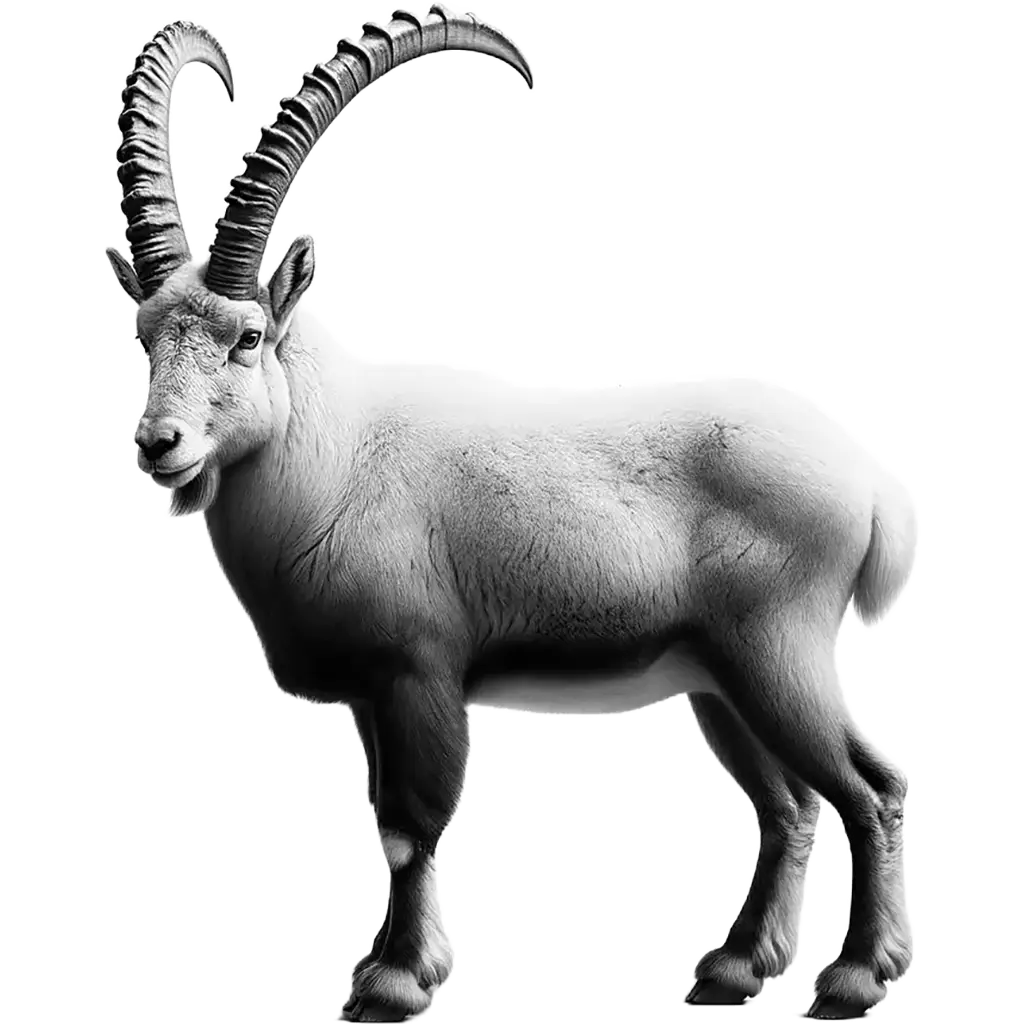
The Siberian Ibex, capra sibirica, is a robust and agile species of wild goat known for its impressive curved horns, which can reach up to 130 cm in length in males. These animals exhibit a coat that varies seasonally, being thicker and lighter in color during winter, and shorter and