
Sus Cebifrons
Visayan Warty Pig
Tropical moist forests and agricultural clearings
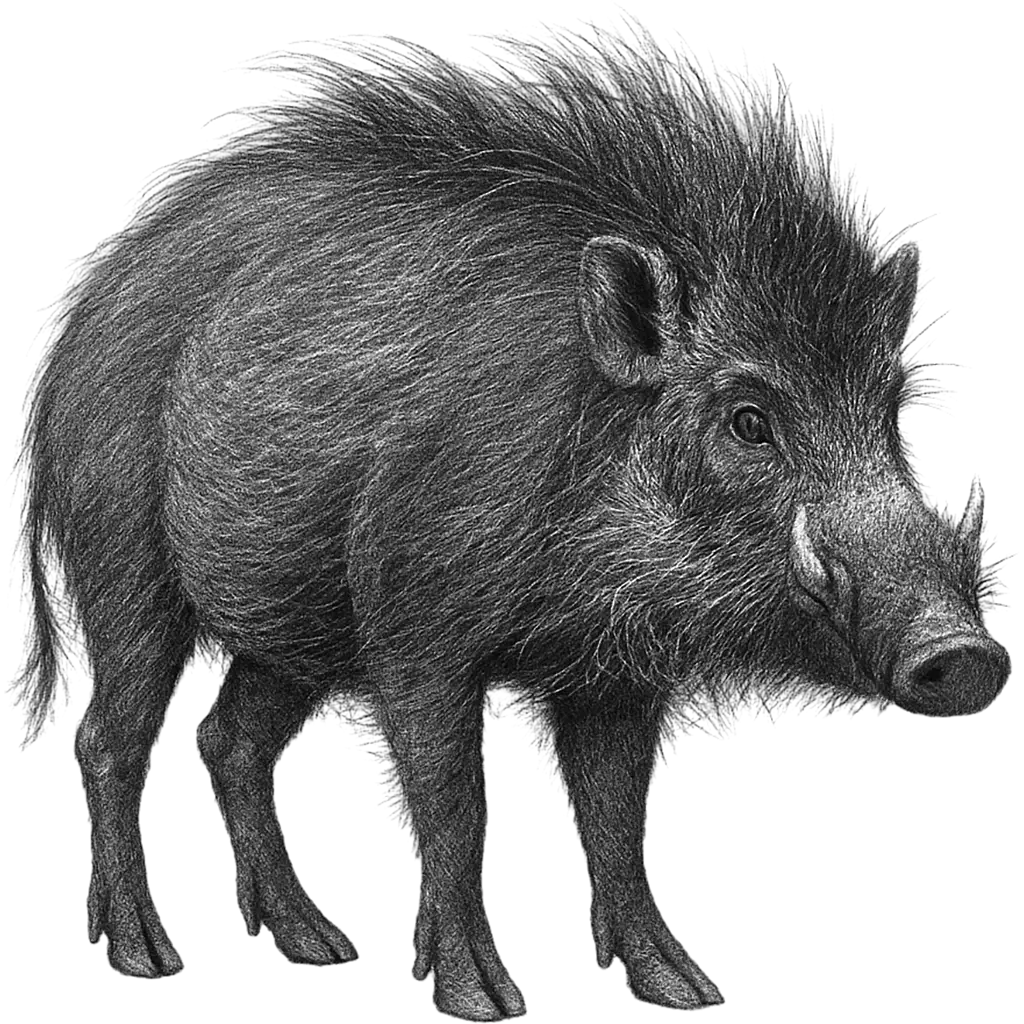
The Visayan Warty Pig has a compact, sturdy body measuring approximately 100 to 125 centimeters in length, supported by short, powerful legs. Its coarse fur ranges from dark gray to black, often with a lighter dorsal stripe and faint speckling. Adult males bear three pairs of distinctive fleshy warts along the snout and cheeks, accompanied by upward-curving tusks. Both sexes have tufted manes that stand erect during displays. The head is broad with a flattened snout adapted for rooting.
| Population: | Fewer than 200 individuals remain in the wild, confined to small, fragmented populations on Negros and Panay islands |
| Generation Length: | 5 years |
| Average Weight: | 20-40 kg (females); 35-80 kg (males) |
| Average Length: | 100-125 cm |
| Lifespan: | 10-15 years in the wild, up to 20 years in captivity |
| Diet: | Fruits, roots, tubers, and cultivated crops for an omnivorous diet |
| Conservation Status: | Critically Endangered (CR) |
These pigs are diurnal and principally terrestrial, inhabiting dense lowland forests and secondary growth on Negros and Panay islands. They form small social groups of four to six individuals, foraging by day in shaded understories and fallow fields. Visayan Warty Pigs use their sensitive snouts to root for underground tubers and fallen fruit, often communicating through grunts and squeals to maintain group cohesion. Despite their limited range, they display strong site fidelity, returning to favored wallows and nesting sites. Males may engage in sparring matches using tusks and facial warts to establish dominance. Breeding groups remain close-knit except during the dry season when water scarcity disperses pigs toward deeper forest refuges. These adaptable pigs tolerate moderate human disturbance but retreat when hunted or confronted by larger predators.
Visayan Warty Pigs are omnivorous scavengers with a diet that includes roots, tubers, fruits, seeds, and occasional small vertebrates and invertebrates. They use powerful snouts to unearth edible roots and corms, then forage for fallen fruits such as mangoes, figs, and wild berries. Agricultural clearings expose cultivated crops like rice and corn, which pigs exploit when natural food is scarce. Seasonal fruiting patterns drive shifts in diet composition, with higher reliance on starchy tubers during lean months. Protein intake comes from earthworms, beetles, and small lizards, providing essential amino acids for growth and reproduction. Consuming a mixed plant and animal diet ensures balanced nutrition of carbohydrates, fats, and proteins, supporting energy demands of foraging, social interaction, and breeding. Their efficient digestive system and hindgut fermentation extract maximal nutrients from fibrous forage.
Visayan Warty Pigs breed throughout the year with peak mating in the wet season. Males pursue females using scent trails and honorific grunts, engaging in mutual nudging and tusk displays. After mating, sows construct shallow nests of vegetation in dense thickets to birth litters of three to four piglets. Parental care is solely by the female, who remains close to the nest until piglets are weaned at two to three months.
The Visayan Warty Pig faces drastic population declines, with fewer than 200 individuals remaining in fragmented wild groups on Negros and Panay islands. Extensive habitat destruction, poaching, and competition with feral livestock have reduced numbers drastically over the past decades. Captive breeding and reintroduction programs operate in both public and private facilities, contributing to occasional releases in protected areas. Despite these efforts, genetic diversity remains low, and long-term viability depends on sustained conservation and enforcement.
Classifications
The Key Attributes
Features
- Movement:
Walking and rooting
- Territorial Behavior:
Social groups with overlapping ranges
- Speed:
Moderate
- Diet:
Omnivore
- Physical Features:
- Three pairs of fleshy facial warts
- Sparse, bristly gray-black fur
- Short neck and long head
- Tusks in adult males
- Primary Senses:
- Smell
- Hearing
- Sight
Understanding Habitat and Range
Geography
- Habitat:
Tropical moist forests and agricultural clearings
- Migration Patterns:
Non-migratory
- Geographical Range:
Negros and Panay islands, Philippines
- Climate Preferences:
Tropical climates
Navigating the Wilderness
In the wild
- Predators:
Large pythons, eagles, humans
- Prey:
Fruits, roots, tubers, crops
- Feeding Behavior:
Forages in groups in forest understory
- Diet:
Fruits, roots, tubers, and cultivated crops for an omnivorous diet
- Defensive Mechanisms:
- Facial warts for protection
- Thick skin
- Powerful bite
- Preferred Food Sources:
- Fruits
- Roots and tubers
- Cultivated crops
Insights Into Reproduction
Mating
- Mating System:
Promiscuous
- Number of Offspring:
3-4 piglets per litter
- Gestation Period:
115 days
- Parental Involvement:
- Sow cares for piglets in nest
Youngsters Section
Visayan Warty Pig
Fun Fact
Visayan Warty Pigs were the first pig species documented to use tools, employing sticks or stones to unearth buried roots in captivity.
Distinctive facial warts on boars likely evolved to protect against tusk injuries during male contests. These pigs can swim across rivers and use wallows to regulate body temperature. Unique among Sus species, they form stable social groups outside the breeding season and display cooperative behaviors when foraging.

Download word search puzzles
Word Search Puzzles

Check Out Other Mammals

The African Wild Ass, equus africanus, is an endangered species and the ancestor of the domestic donkey, known for its hardiness and adaptability to harsh desert environments. This species exhibits a light gray to fawn-colored coat, with distinctive zebra-like stripes on its legs and a dark dorsal stripe running down
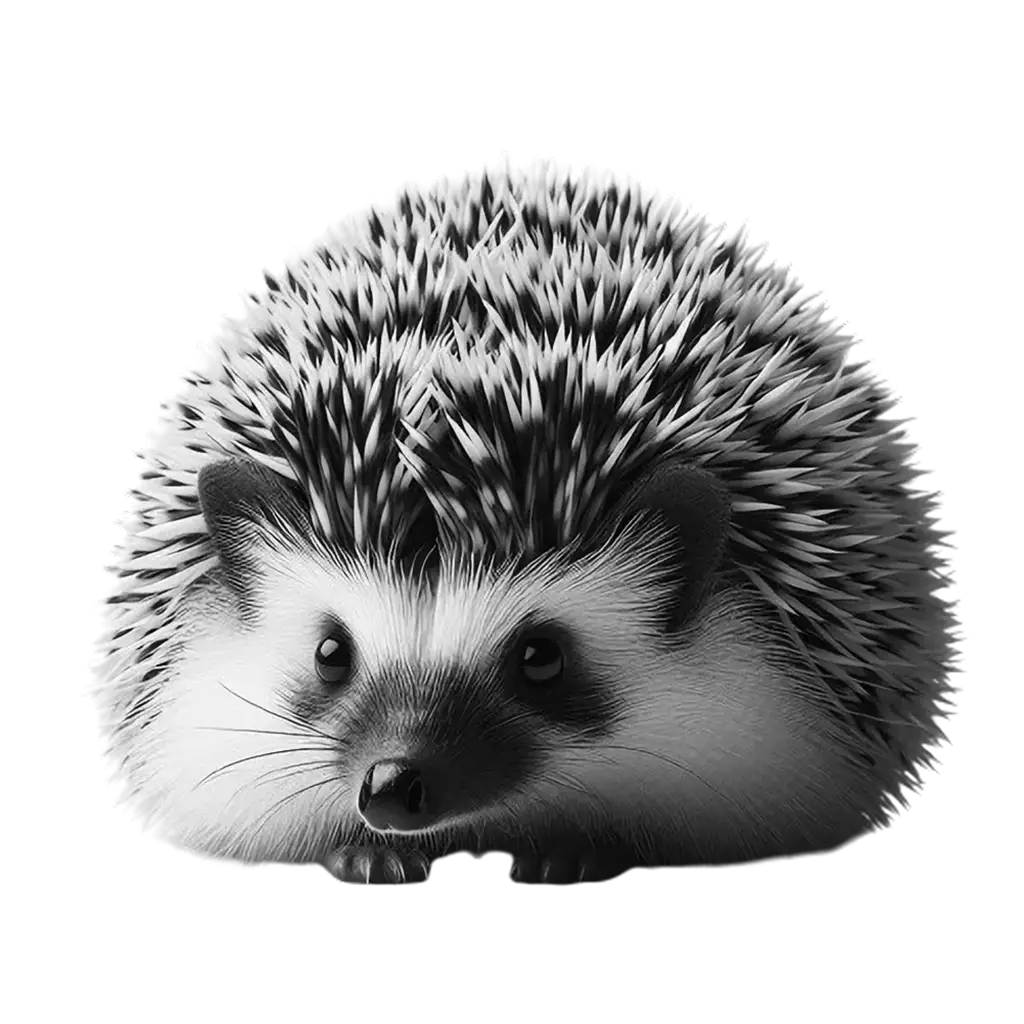
The Four-Toed Hedgehog, atelerix albiventris, is a small, nocturnal mammal native to Central and Eastern Africa. This species is easily distinguishable by its unique feature of having only four toes on each of its rear feet, unlike other hedgehogs which typically have five. Adults measure approximately 15 to 25 centimeters
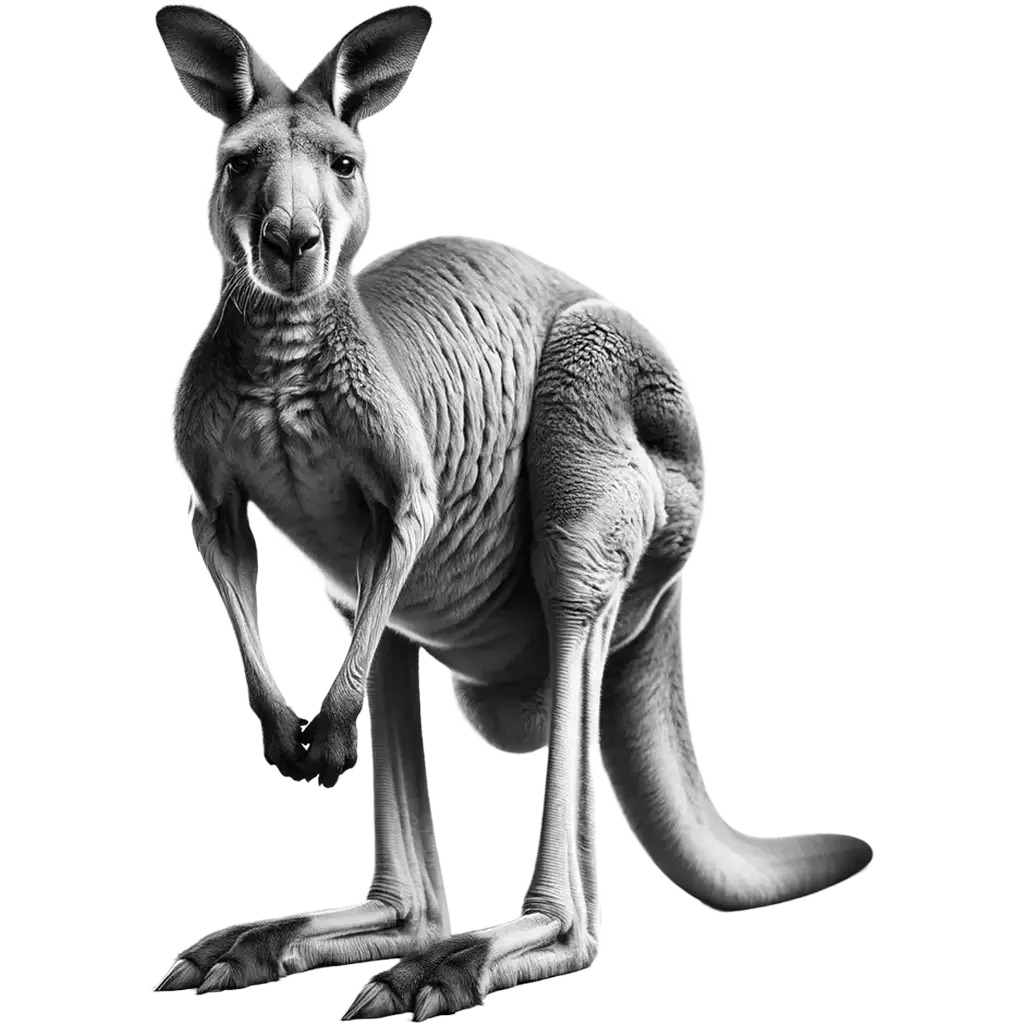
The Red Kangaroo, osphranter rufus, stands as the largest and most iconic marsupial, native to the arid and semi-arid regions of Australia. This majestic animal is distinguished by its powerful hind legs, long feet, and a large, muscular tail used for balance while moving. Adult males, known as boomers, can
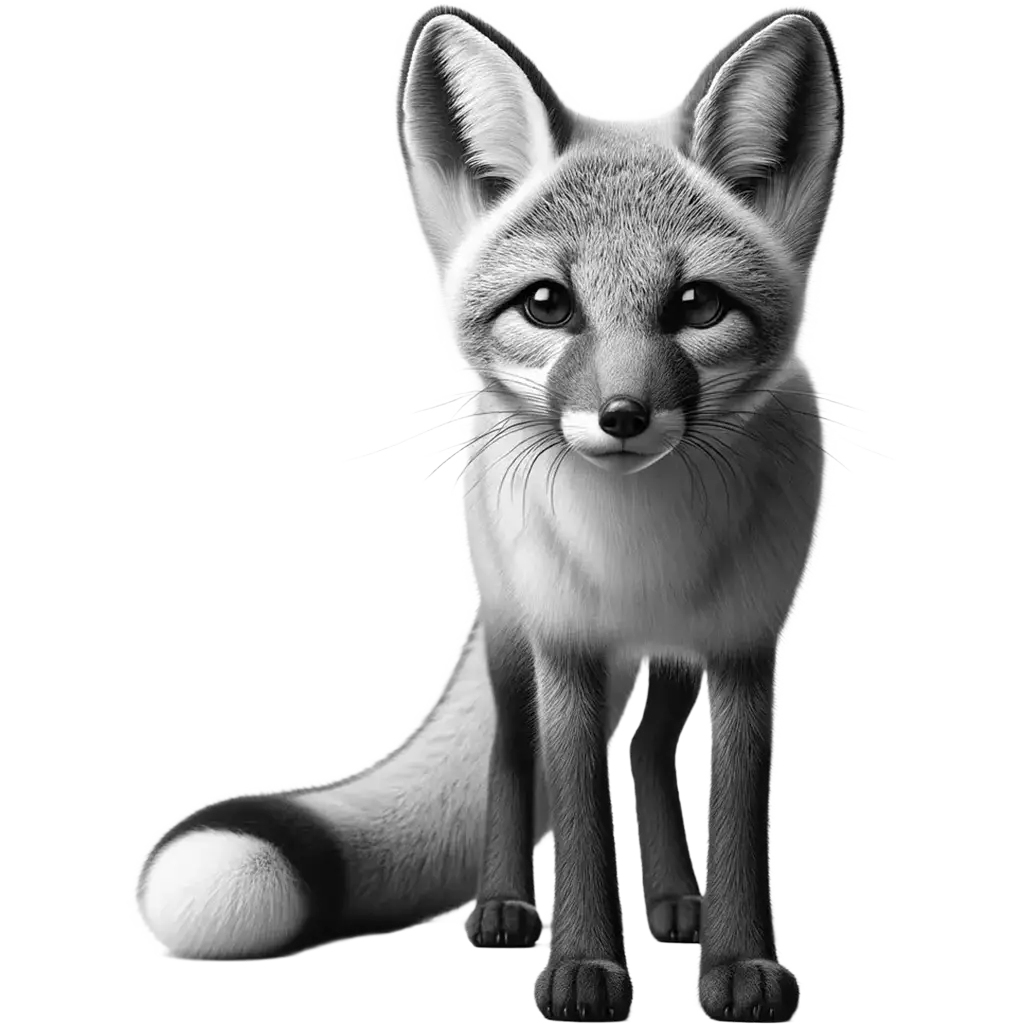
The Kit Fox, vulpes macrotis, is a small North American fox known for its slender build, large ears, and a bushy tail with a black tip. These adaptations not only contribute to its distinctive appearance but also play crucial roles in its survival within arid and semi-arid environments, including deserts,