
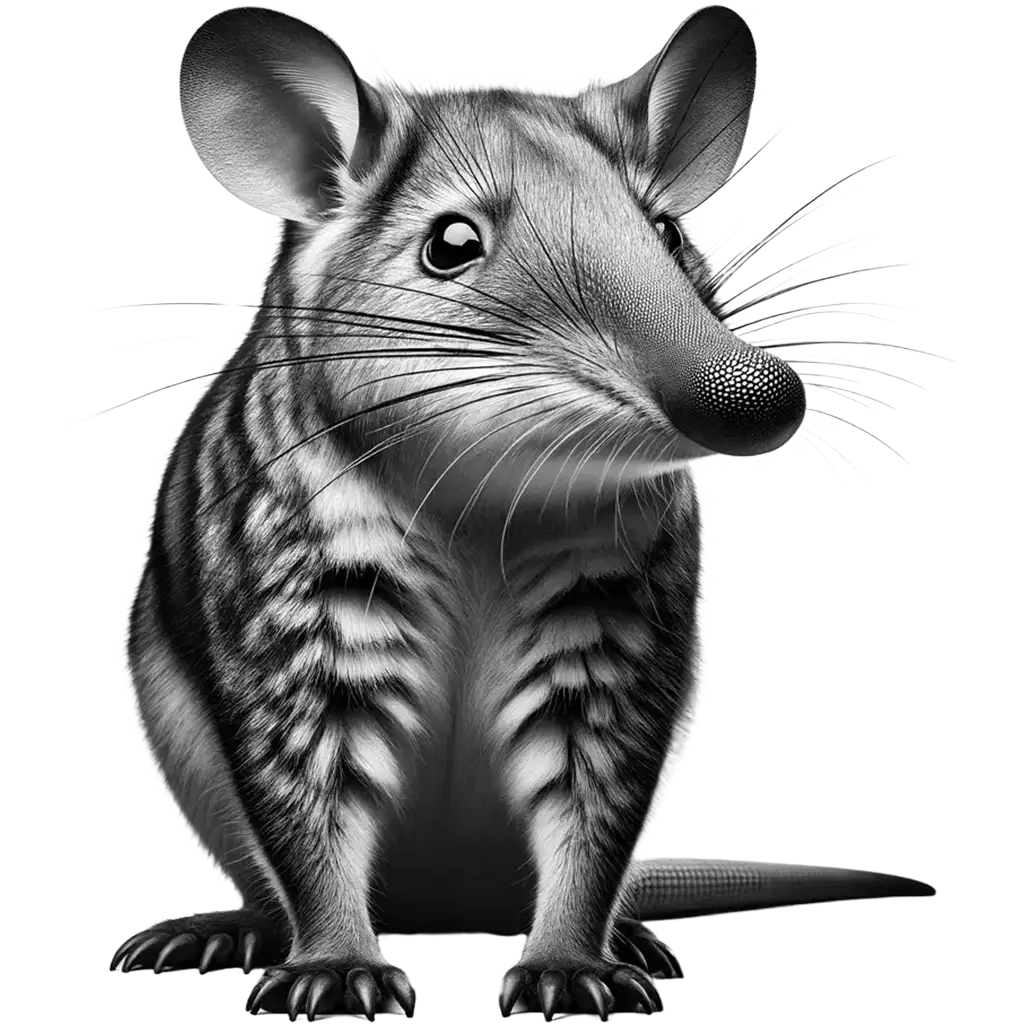
Perameles Nasuta
Long-Nosed Bandicoot
Forests, heathlands, and grassy woodlands
The Long-Nosed Bandicoot, perameles nasuta, is a small marsupial native to eastern Australia, distinguished by its elongated snout and hunched back. This nocturnal creature has coarse, grey-brown fur, with a lighter underside, and measures about 31 to 43 cm in length, including a thin, sparsely furred tail that adds another 10 to 15 cm. Its long nose is not just a distinctive feature but also an adaptation for foraging, enabling the bandicoot to sniff out food in the underbrush.
| Population: | Listed as Least Concern but facing local declines due to habitat loss and predation |
| Generation Length: | 2 years |
| Average Weight: | 0.5-1.5 kg |
| Average Length: | Head and body length: 30-40 cm, Tail length: 10-15 cm |
| Lifespan: | 2-3 years in the wild |
| Diet: | Varied diet including invertebrates and plants |
| Conservation Status: | Least Concern (LC) |
Long-Nosed Bandicoots are solitary and primarily nocturnal, spending the day in nests made of grass and leaves, hidden under dense vegetation or logs. At night, they become active, searching for food with a keen sense of smell. Their nests, or 'nursery nests,' are particularly well-camouflaged, safeguarding them from predators. These bandicoots have a unique, hopping gait, and despite their small size, can dig impressively large holes in search of food or while making their nests.
The diet of the Long-Nosed Bandicoot is omnivorous, including a wide variety of insects, worms, roots, and fungi. This varied diet reflects their role as ecological generalists, capable of adapting to a range of environments. They play a significant role in soil aeration and nutrient mixing through their foraging habits, which involve extensive digging, benefiting the health of their habitats.
Reproduction in Long-Nosed Bandicoots is notable for its efficiency; females can give birth to up to four litters per year, each consisting of 2 to 4 young. The gestation period is remarkably short, around 12.5 days, one of the shortest among mammals. This rapid reproductive rate helps maintain their populations despite high predation rates and habitat loss.
The population of the Long-Nosed Bandicoot is currently stable in protected areas but is declining in regions where habitat destruction and predation by introduced species, such as cats and foxes, are prevalent. Conservation efforts are focused on habitat protection and controlling predator populations to ensure the survival of this unique Australian marsupial.
Classifications
The Key Attributes
Features
- Movement:
Walking, digging
- Territorial Behavior:
Solitary and nocturnal
- Speed:
Not specifically quantified; capable of quick, scurrying movements
- Diet:
Omnivore
- Physical Features:
- Pointed snout used for foraging
- Grey-brown fur with a paler underside
- Short legs with strong claws for digging
- Small, rounded ears
- Primary Senses:
- Sight
- Hearing
- Smell
Understanding Habitat and Range
Geography
- Habitat:
Forests, heathlands, and grassy woodlands
- Migration Patterns:
Non-migratory
- Geographical Range:
Eastern Australia, including Queensland, New South Wales, and Victoria
- Climate Preferences:
Temperate to subtropical climates
Navigating the Wilderness
In the wild
- Predators:
Foxes, feral cats, large birds of prey, and snakes
- Prey:
Insects, earthworms, small vertebrates, and plant material
- Feeding Behavior:
Forages at night for a variety of food items, including insects, worms, roots, and tubers
- Diet:
Varied diet including invertebrates and plants
- Defensive Mechanisms:
- Burrowing and hiding in dense vegetation to evade predators
- Camouflage coloring to blend into their environment
- Preferred Food Sources:
- Diverse, depending on the ecosystem and available resources
Insights Into Reproduction
Mating
- Mating System:
Polygynous
- Number of Offspring:
2-3 offspring, with the ability to have multiple litters per year
- Gestation Period:
About 12.5 days, one of the shortest among mammals
- Parental Involvement:
- Females provide all the care, nursing the young in a nest until they are independent
Youngsters Section
Long-Nosed Bandicoot
Fun Fact
Long-nosed bandicoots are small nocturnal marsupials native to eastern Australia.
They have elongated snouts that help them forage for insects, plants, and small animals. As solitary creatures, these bandicoots are active mostly at night. Their strong hind legs enable them to dig quickly and efficiently, creating burrows for protection and nesting. They play a crucial role in their ecosystem by aiding soil aeration through their digging activities.

Download word search puzzles
Word Search Puzzles


Check Out Other Mammals
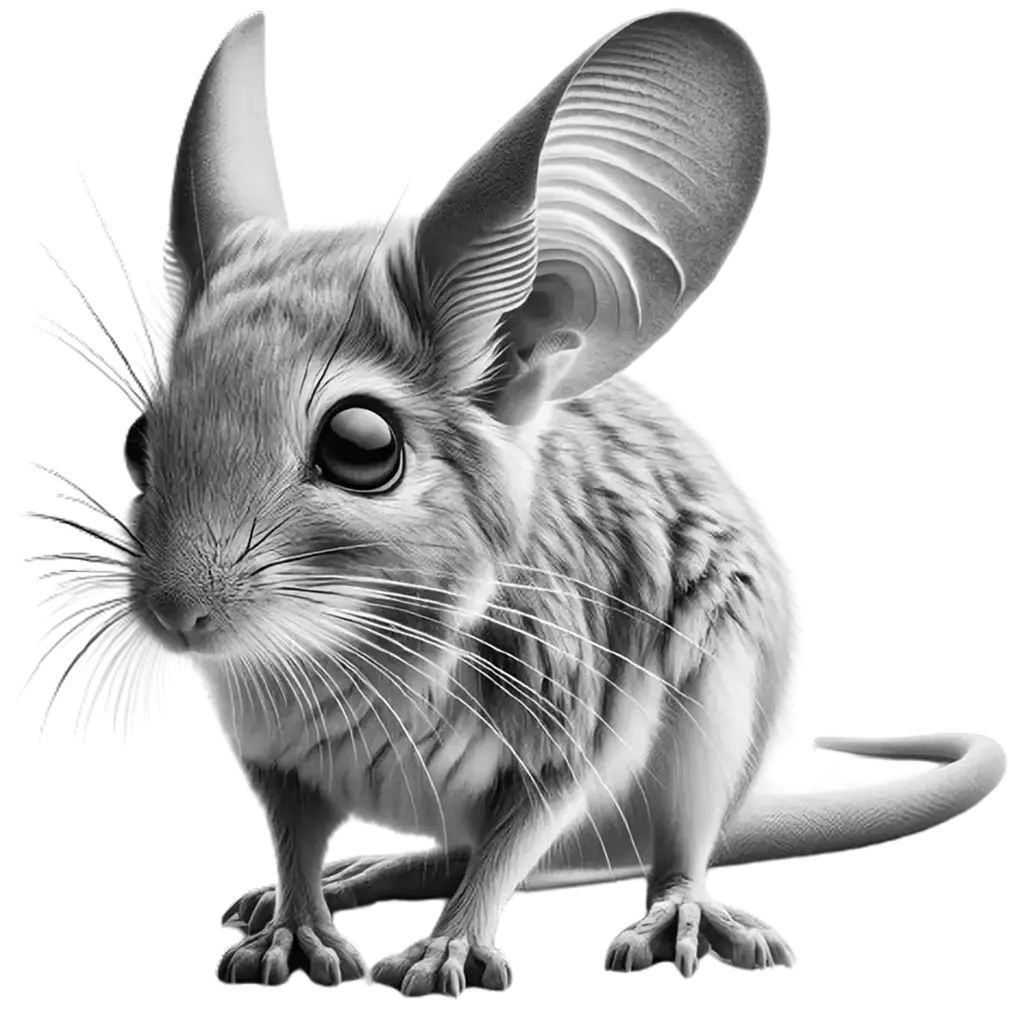
Williams's Jerboa, scarturus williamsi, is a small, nocturnal rodent known for its distinctive long hind legs and short forelimbs, enabling it to leap significant distances, much like a kangaroo. This adaptation is crucial for escaping predators and traversing its desert habitat. Its coat is typically sandy or pale brown, blending
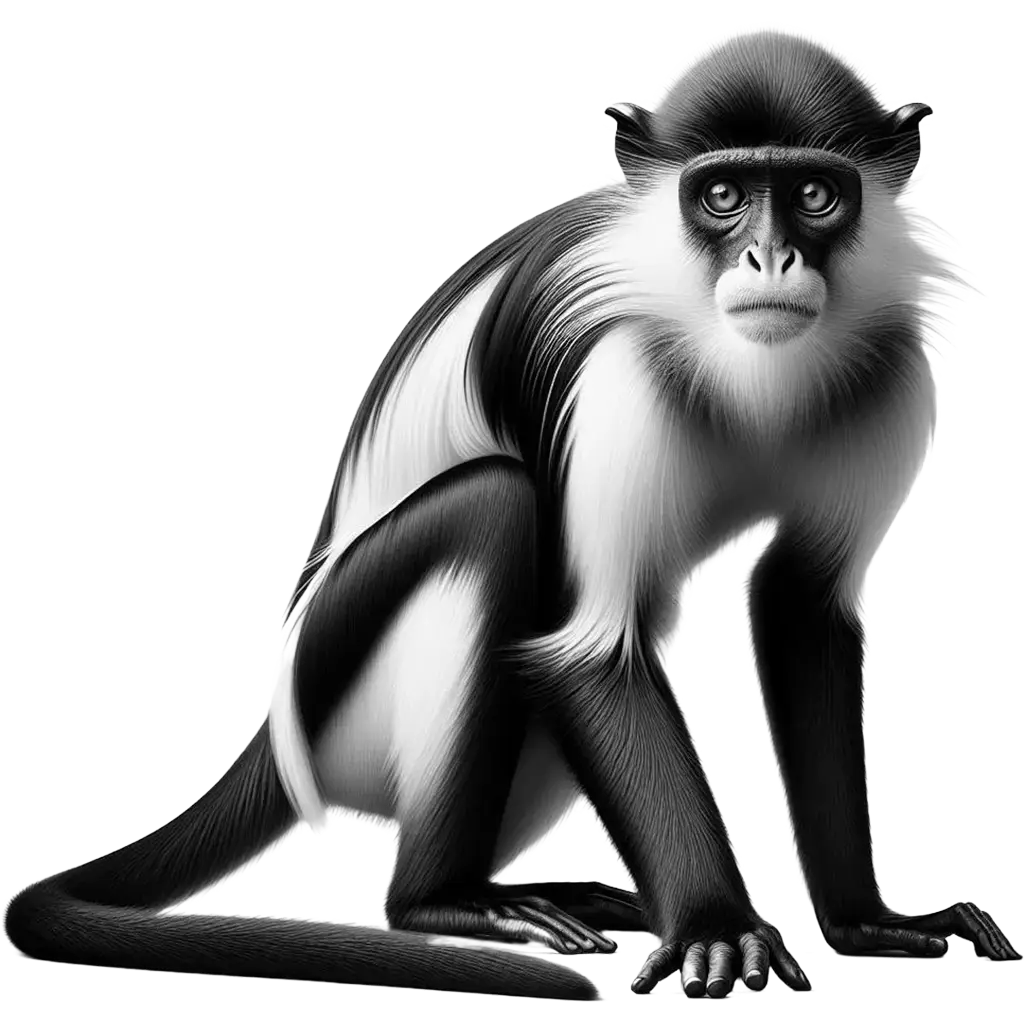
The Collared Mangabey, cercocebus torquatus, often distinguished by its white collar of fur that encircles its neck, is a medium to large-sized primate endemic to the dense forests of West Africa. This species exhibits a striking black fur contrasted by the white fur around its neck and cheeks, and possesses

The Golden-Mantled Ground Squirrel, Callospermophilus lateralis, is a small, robust rodent widely distributed across the forests and mountainous regions of western North America. This species is easily recognizable by its distinctive coloring: a rich brown or greyish body adorned with a bold white stripe bordered by black along each side,
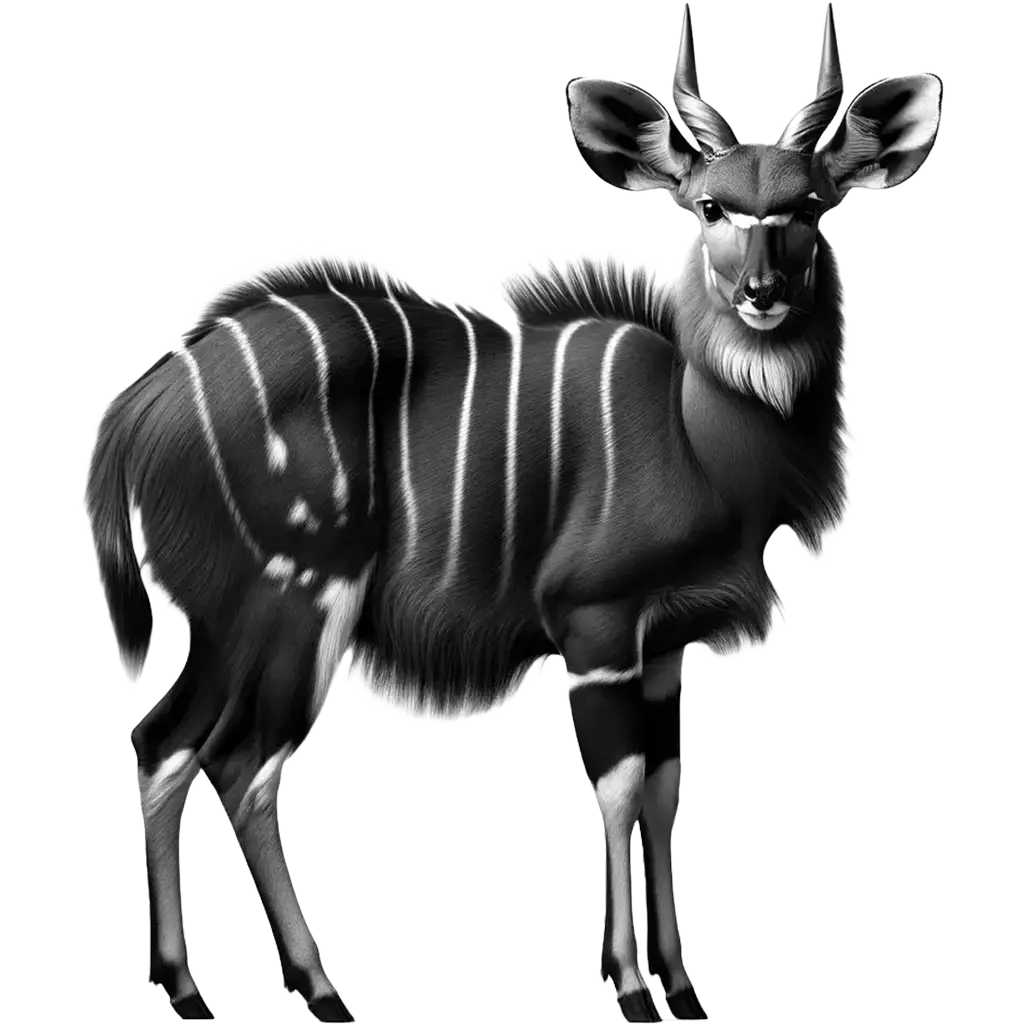
The Nyala, tragelaphus angasii, is a graceful and medium-sized antelope native to the southern regions of Africa. Characterized by its striking sexual dimorphism, males and females exhibit significantly different appearances. Males are larger, with a dark grey-brown coat adorned with faint vertical white stripes and a long, shaggy mane on