
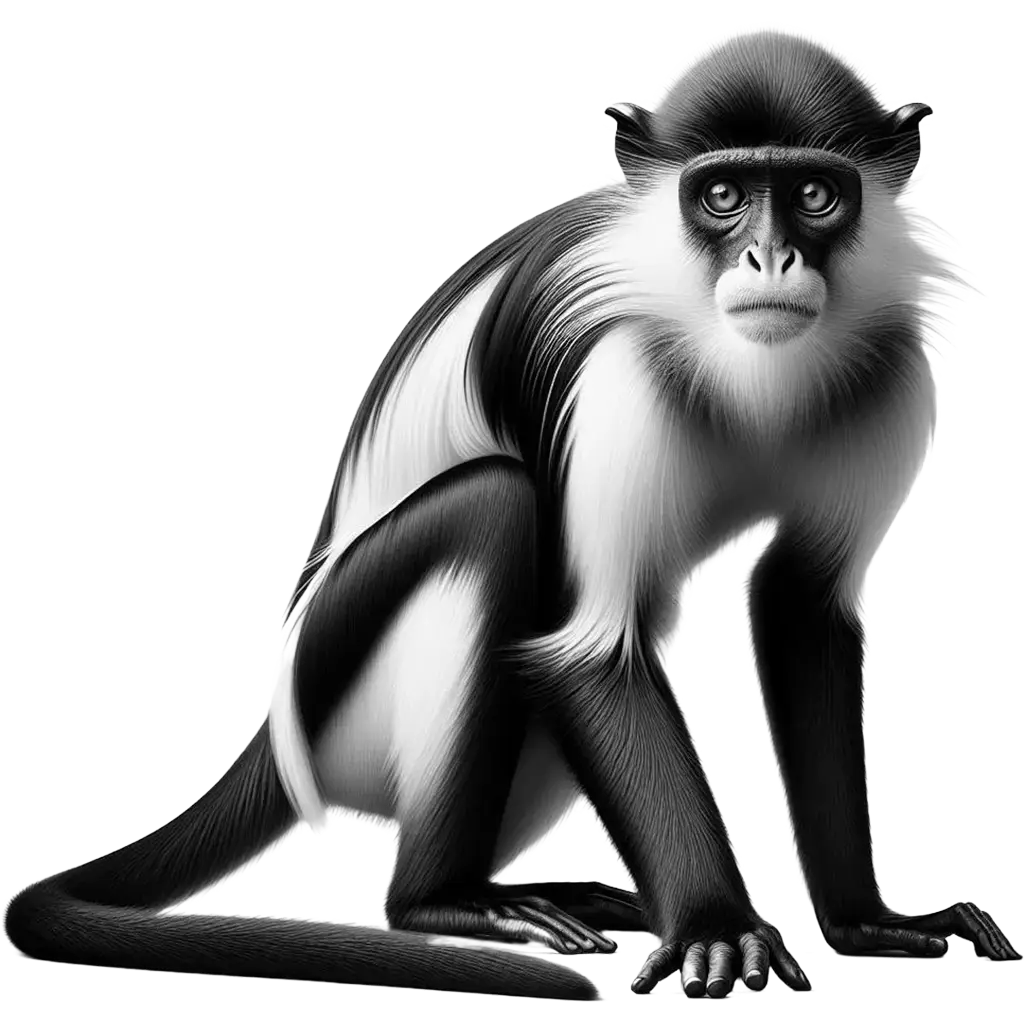
Cercocebus Torquatus
Collared Mangabey
Tropical rainforests and swamp forests
The Collared Mangabey, cercocebus torquatus, often distinguished by its white collar of fur that encircles its neck, is a medium to large-sized primate endemic to the dense forests of West Africa. This species exhibits a striking black fur contrasted by the white fur around its neck and cheeks, and possesses a long, tufted tail which is often longer than its body, aiding in balance and communication. Adult Collared Mangabeys can weigh between 7 to 13 kg, with males typically larger and more robust than females. Their expressive faces are framed by a mane of hair, and they have powerful limbs adapted for both arboreal and terrestrial movement.
| Population: | Classified as Vulnerable due to habitat loss and hunting |
| Generation Length: | 5-6 years |
| Average Weight: | 8-10 kg |
| Average Length: | Head and body length: 45-65 cm, Tail length: 50-75 cm |
| Lifespan: | Up to 30 years in captivity, less is known about wild lifespan |
| Diet: | Primarily frugivorous with insects and other small animals included |
| Conservation Status: | Endangered (EN) |
Collared Mangabeys are highly social animals, living in large, multi-male, multi-female groups that can number up to several dozen individuals. These groups maintain complex social structures and communicate using a variety of vocalizations, facial expressions, and body postures. They are diurnal, spending the day foraging for food, grooming, and socializing, while at night, they rest in the trees to avoid ground predators.
Their diet is primarily frugivorous, consisting of a variety of fruits, supplemented with leaves, flowers, seeds, and occasionally insects and small animals. This varied diet allows them to fulfill a crucial role in their ecosystem as seed dispersers, contributing to the health and regeneration of their forest habitats.
Reproduction in the Collared Mangabey is not strictly seasonal, with females giving birth to a single offspring after a gestation period of approximately 5 to 6 months. Infants are highly dependent on their mothers for the first few months of life, during which they develop the skills necessary for social integration within the group.
The population of the Collared Mangabey is currently classified as Vulnerable by the IUCN, facing threats from habitat destruction due to logging, agriculture, and human settlement expansion, as well as from hunting for bushmeat. Conservation efforts are essential to protect their remaining habitats and to implement sustainable land-use practices. The survival of the Collared Mangabey is crucial for maintaining the biodiversity and ecological balance of West African forests, highlighting the need for increased awareness and action to preserve these complex ecosystems and their inhabitants.
Classifications
The Key Attributes
Features
- Movement:
Walking, climbing, and leaping
- Territorial Behavior:
Social, living in large troops
- Speed:
Not specifically quantified; known for agility in trees and on the ground
- Diet:
Omnivore
- Physical Features:
- Distinctive red cap on the head
- Grey to brown fur with a paler underbelly
- Strong limbs for arboreal movement
- Long tail for balance while leaping between trees
- Primary Senses:
- Sight
- Hearing
- Smell
Understanding Habitat and Range
Geography
- Habitat:
Tropical rainforests and swamp forests
- Migration Patterns:
Non-migratory, but may move within forest areas in search of food
- Geographical Range:
Found in the rainforests of West and Central Africa, specifically in countries like Nigeria, Cameroon, Equatorial Guinea, and Gabon
- Climate Preferences:
Prefers tropical, humid rainforest environments
Navigating the Wilderness
In the wild
- Predators:
Leopards, crowned eagles, and humans
- Prey:
Fruits, seeds, leaves, and invertebrates
- Feeding Behavior:
Feeds on fruits, seeds, leaves, insects, and occasionally small animals
- Diet:
Primarily frugivorous with insects and other small animals included
- Defensive Mechanisms:
- Group living for predator detection and defense
- Agility and speed in trees to escape predators
- Preferred Food Sources:
- Fruit-bearing trees and plants, along with areas rich in insect and small animal populations
Insights Into Reproduction
Mating
- Mating System:
Polygynous
- Number of Offspring:
Usually one offspring
- Gestation Period:
About 5-6 months
- Parental Involvement:
- Females are the primary caregivers, with the troop offering some protection
Youngsters Section
Collared Mangabey
Fun Fact
Collared Mangabeys have distinctive white eyelids that contrast with their dark face.
These eyelids are used in communication, especially during social interactions among the troop. When a Collared Mangabey raises its eyebrows, the white eyelids are prominently displayed, which can serve as a signal in their complex social behaviors. This feature helps them maintain cohesion within their group.

Download word search puzzles
Word Search Puzzles

Check Out Other Mammals
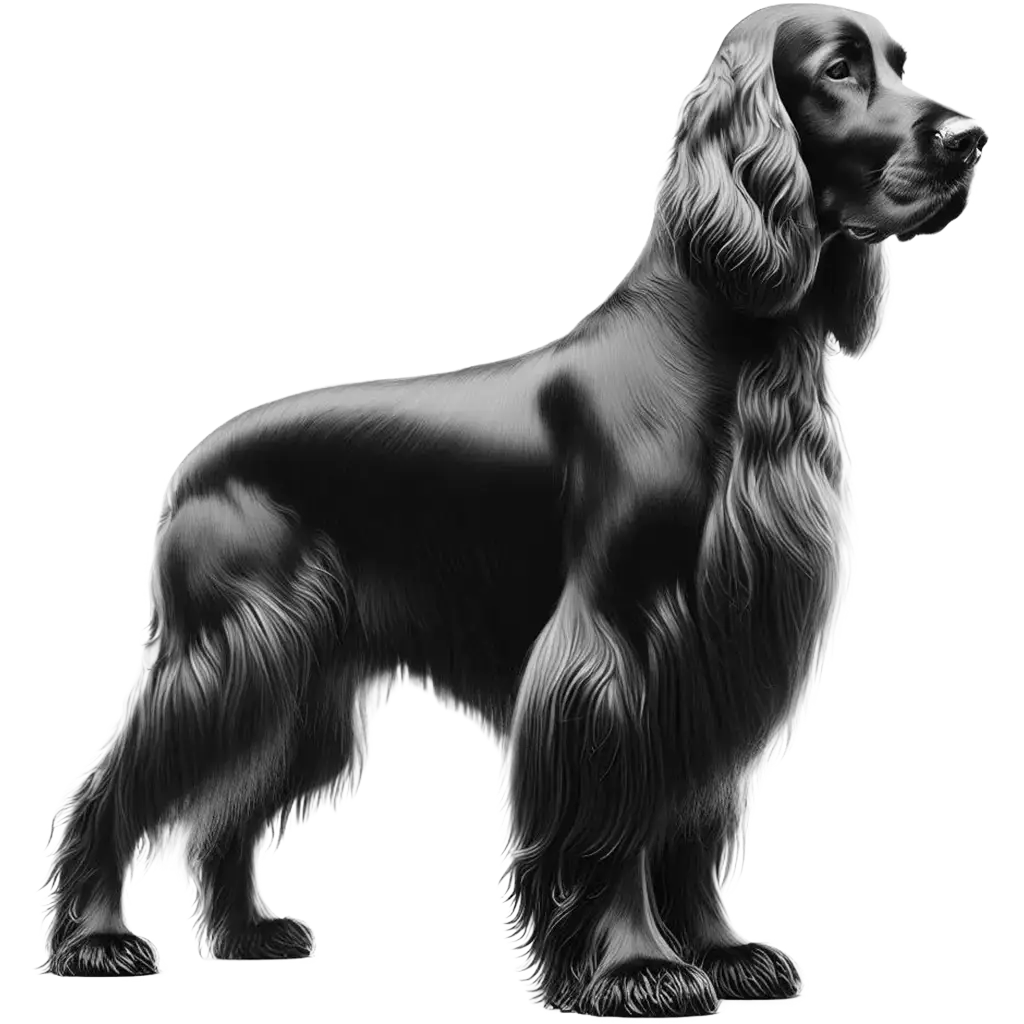
The Irish Setter, known for its striking rich mahogany coat and elegant appearance, is a breed of gun dog that originated in Ireland in the 18th century. These dogs are distinguished by their sleek, silky fur, long ears that frame their face, and a friendly, expressive gaze. Adult Irish Setters
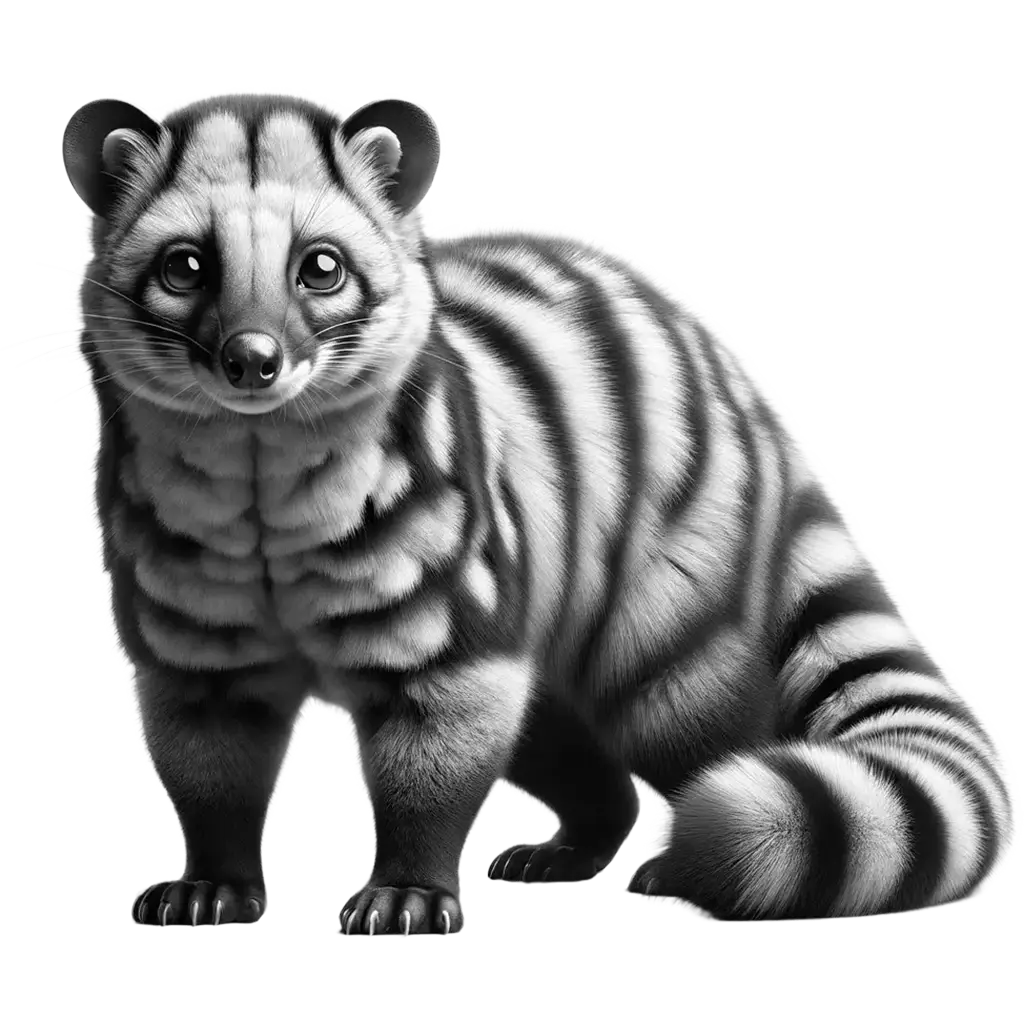
The Banded Palm Civet, hemigalus derbyanus, is a small, nocturnal mammal unique to the dense tropical forests of Southeast Asia, including Malaysia, Indonesia, and Thailand. Characterized by its striking appearance, this civet has a slender body measuring 41 to 53 cm in length, with a tail almost equal in length,
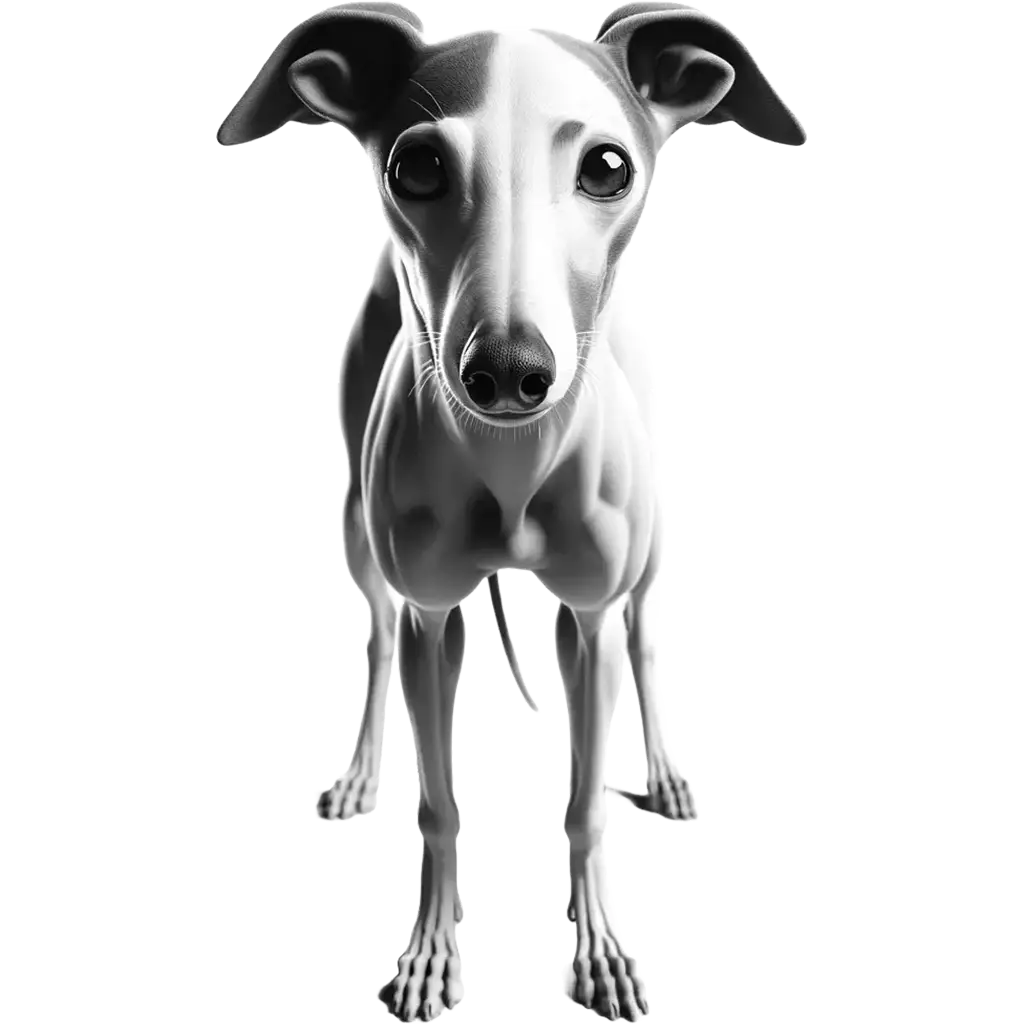
The Italian Greyhound, a slender and elegant toy breed, epitomizes grace and refinement. Known for their sleek, fine-boned structure, they possess a short and glossy coat that comes in a variety of colors, including gray, slate gray, red, fawn, blue, and black. Adults stand about 33 to 38 cm tall
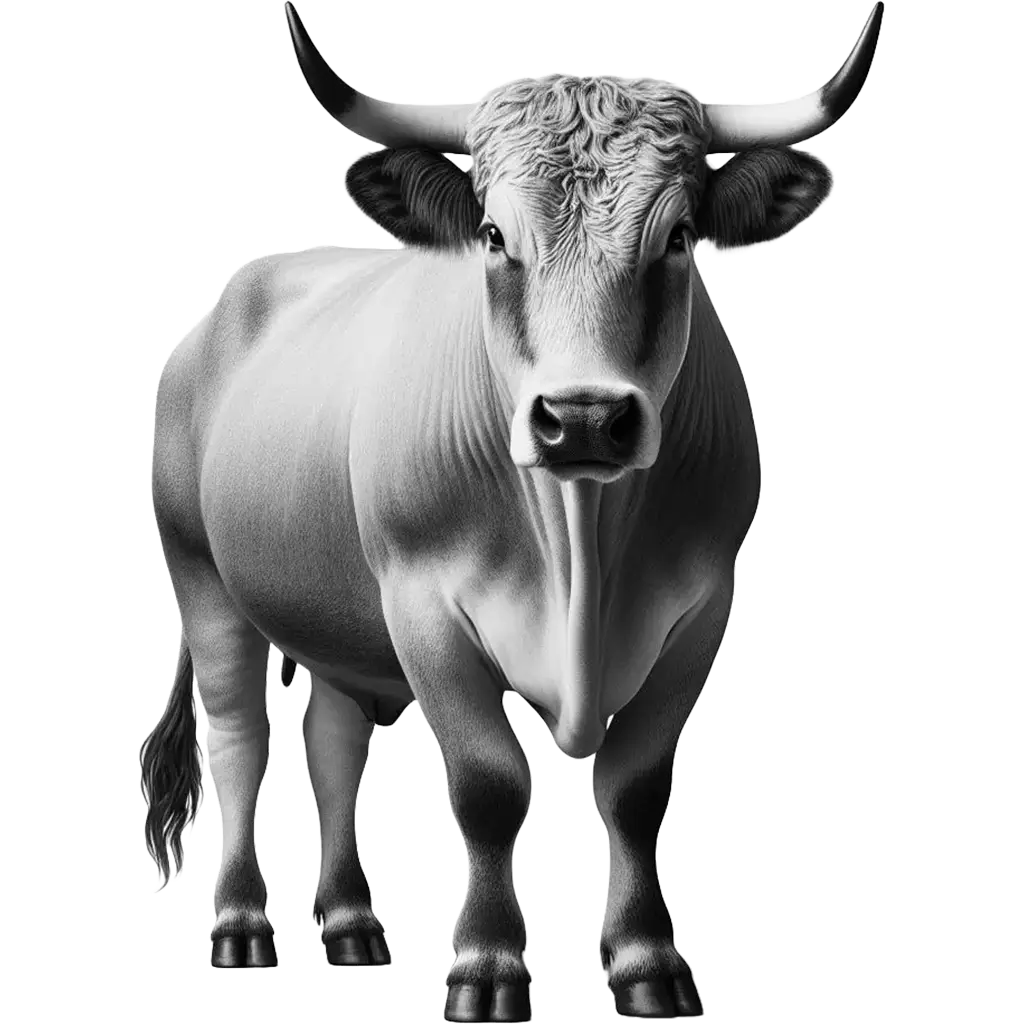
The Hungarian Grey, also known as the Hungarian steppe cattle, is a majestic breed of domestic cattle renowned for its striking appearance and hardy nature. Characterized by its uniform grey coat, which can range from a light silver to a darker ash grey, this breed presents an imposing figure. Adult