

Canis Lupus
Irish Setter
Domestic environments; adaptable to a wide range of living situations but thrives in areas where they can exercise freely
The Irish Setter, known for its striking rich mahogany coat and elegant appearance, is a breed of gun dog that originated in Ireland in the 18th century. These dogs are distinguished by their sleek, silky fur, long ears that frame their face, and a friendly, expressive gaze. Adult Irish Setters are relatively large, standing at about 58 to 67 cm at the shoulder and weighing between 25 to 34 kg. Their build is athletic and slender, designed for speed and endurance, making them excellent companions for active outdoor activities.
| Population: | Popular breed, though specific global population numbers are not documented |
| Generation Length: | 3-4 years |
| Average Weight: | 25-34 kg |
| Average Length: | Height at the withers: Males 58-67 cm, females slightly less |
| Lifespan: | 12-15 years |
| Diet: | Controlled by caretakers; should be balanced to maintain health and energy levels |
| Conservation Status: | Not Evaluated (NE) |
Irish Setters are renowned for their outgoing and affectionate nature, often described as 'rollicking' due to their playful and energetic disposition. They thrive on companionship, forming strong bonds with their human families, and are known for being particularly good with children. These dogs require regular, vigorous exercise to satisfy their high energy levels, including long walks, runs, and opportunities to run off-leash in safe areas. Their intelligence and eagerness to please make them trainable, but they can also be independent thinkers, requiring patience and consistency in training.
Diet and nutrition are important for maintaining the health and vitality of an Irish Setter. A balanced diet suited to their age, size, and energy level is essential. High-quality commercial dog food or well-planned home-cooked meals, under veterinary guidance, can provide the necessary nutrients. Regular check-ups and a diet rich in proteins and fats are vital for supporting their active lifestyle and keeping their coat glossy and healthy.
The Irish Setter's breeding and reproduction are carefully managed to preserve the breed's health and characteristics. They are known for being good mothers, with litters typically ranging from 6 to 10 puppies. Early socialization and health screenings for genetic conditions like hip dysplasia and inherited eye disorders are important for the puppies' development into well-adjusted adults.
The population of Irish Setters is stable, with the breed enjoying popularity both as a companion and a show dog. Their striking appearance and amiable personality make them a favorite at dog shows, while their intelligence and agility have preserved their status as skilled working dogs. Continued focus on responsible breeding practices and genetic health is essential for maintaining the breed's status and ensuring the welfare of these beloved dogs.
Classifications
The Key Attributes
Features
- Movement:
Running, walking
- Territorial Behavior:
Friendly and sociable, not particularly territorial
- Speed:
Fast; bred for endurance and the ability to run in open spaces
- Diet:
Omnivore
- Physical Features:
- Rich mahogany or chestnut coat
- Long, silky fur, especially on the ears, chest, tail, and the back of the legs
- Lean, athletic build
- Long head with a pronounced stop and a shiny black nose
- Primary Senses:
- Sight
- Smell
- Hearing
Understanding Habitat and Range
Geography
- Habitat:
Domestic environments; adaptable to a wide range of living situations but thrives in areas where they can exercise freely
- Migration Patterns:
Non-applicable
- Geographical Range:
Originally from Ireland, now found worldwide, especially in countries with active kennel clubs and dog enthusiasts
- Climate Preferences:
Adaptable, but may require protection from extreme cold due to their coat
Navigating the Wilderness
In the wild
- Predators:
Not applicable in domestic settings
- Prey:
Not applicable
- Feeding Behavior:
Fed by owners; diet can include commercial dog food, meats, and suitable vegetables and grains
- Diet:
Controlled by caretakers; should be balanced to maintain health and energy levels
- Defensive Mechanisms:
- Barking to alert of intruders
- Generally friendly, not known for aggressive defense
- Preferred Food Sources:
- Commercial dog foods
- Suitable human foods as advised by a veterinarian
Insights Into Reproduction
Mating
- Mating System:
Controlled breeding in domestic settings
- Number of Offspring:
Average litter size is 6-8 puppies
- Gestation Period:
Approximately 63 days
- Parental Involvement:
- Care primarily provided by the mother, with human assistance for health monitoring, feeding, and socialization
Youngsters Section
Irish Setter
Fun Fact
Irish Setters are known for their stunning red coats and friendly, playful nature.
Originally bred for hunting, Irish Setters are excellent at tracking and retrieving game. Their vibrant coats and energetic demeanor make them stand out in any setting. They are also great family pets, known for being affectionate and good with children. Regular exercise keeps them happy.

Download word search puzzles
Word Search Puzzles


Check Out Other Mammals
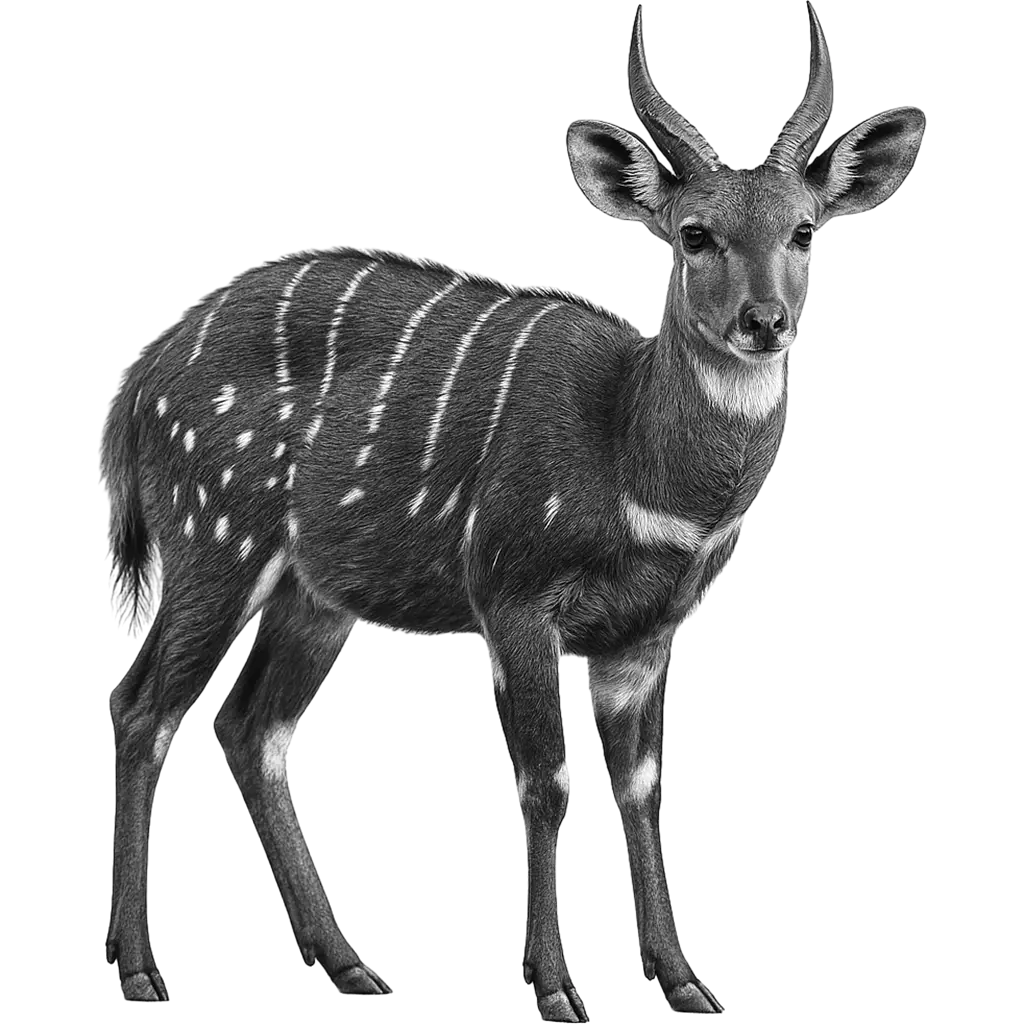
The Harnessed Bushbuck is a strikingly agile and graceful antelope, boasting a lean yet muscular body marked by a distinctive pattern of dark and light hues. Its coat is a complex tapestry of deep chocolate and subtle cream, with defined white stripes running along its sides. The animal's large, expressive
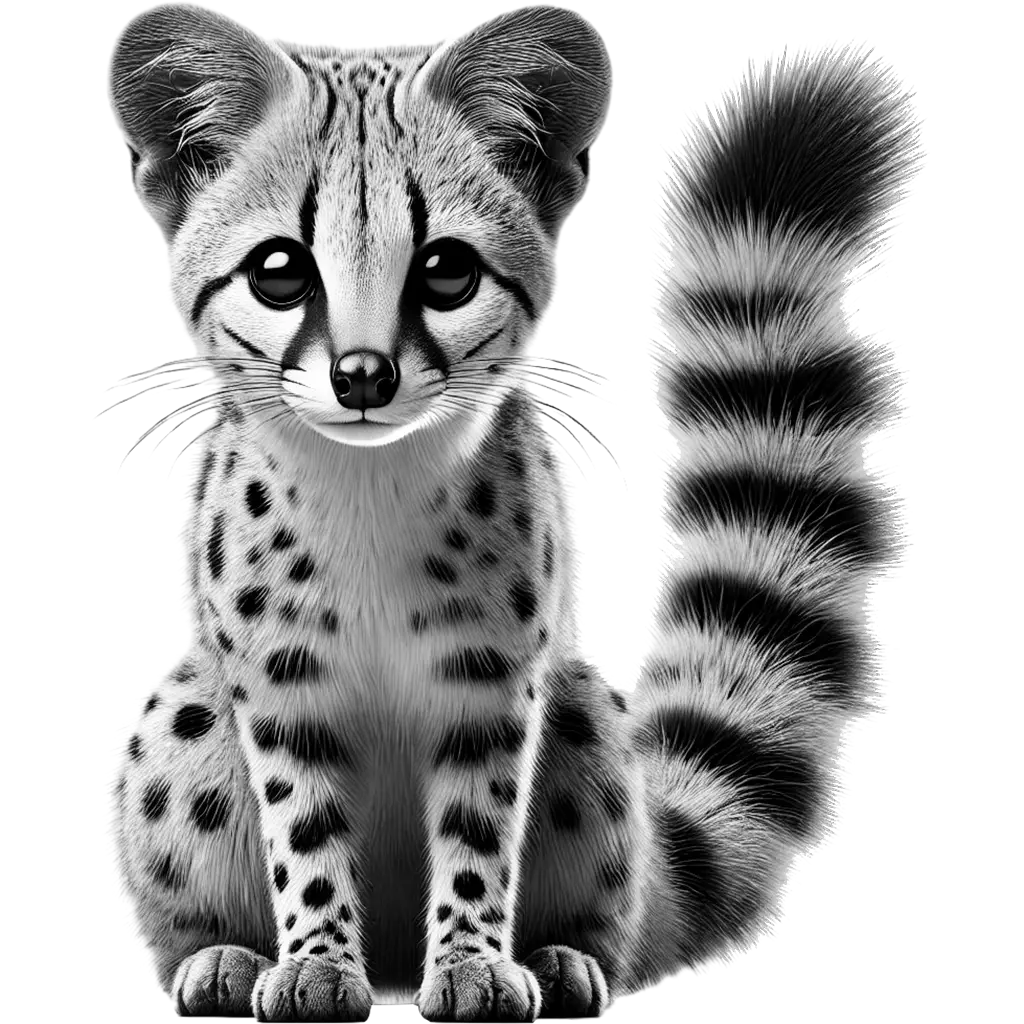
The Zanzibar Servaline Genet is a small, elegant mammal with a slender, elongated body covered in soft, spotted fur that blends muted grays and browns. Its distinctive stripes along the back and legs, paired with a narrow, pointed snout and large, alert eyes, create an appearance that is both graceful

The Forest Dormouse, dryomys nitedula, is a small, nocturnal rodent found across much of Europe and parts of Asia, from Spain and Poland eastward to Mongolia and northern Iran. This species is characterized by its large, dark eyes, rounded ears, and a bushy tail with a white tip, which contributes

The Diana Monkey, cercopithecus diana, is a striking and colorful primate native to the West African rainforests, ranging from Sierra Leone to the Ivory Coast. Adults exhibit a distinctive pelage with a black or dark grey back, white throat, chest, and a crescent-shaped white brow above the eyes, which gives