
Genetta Servalina Archeri
Zanzibar Servaline Genet
Coastal forests and mangrove fringes of Zanzibar
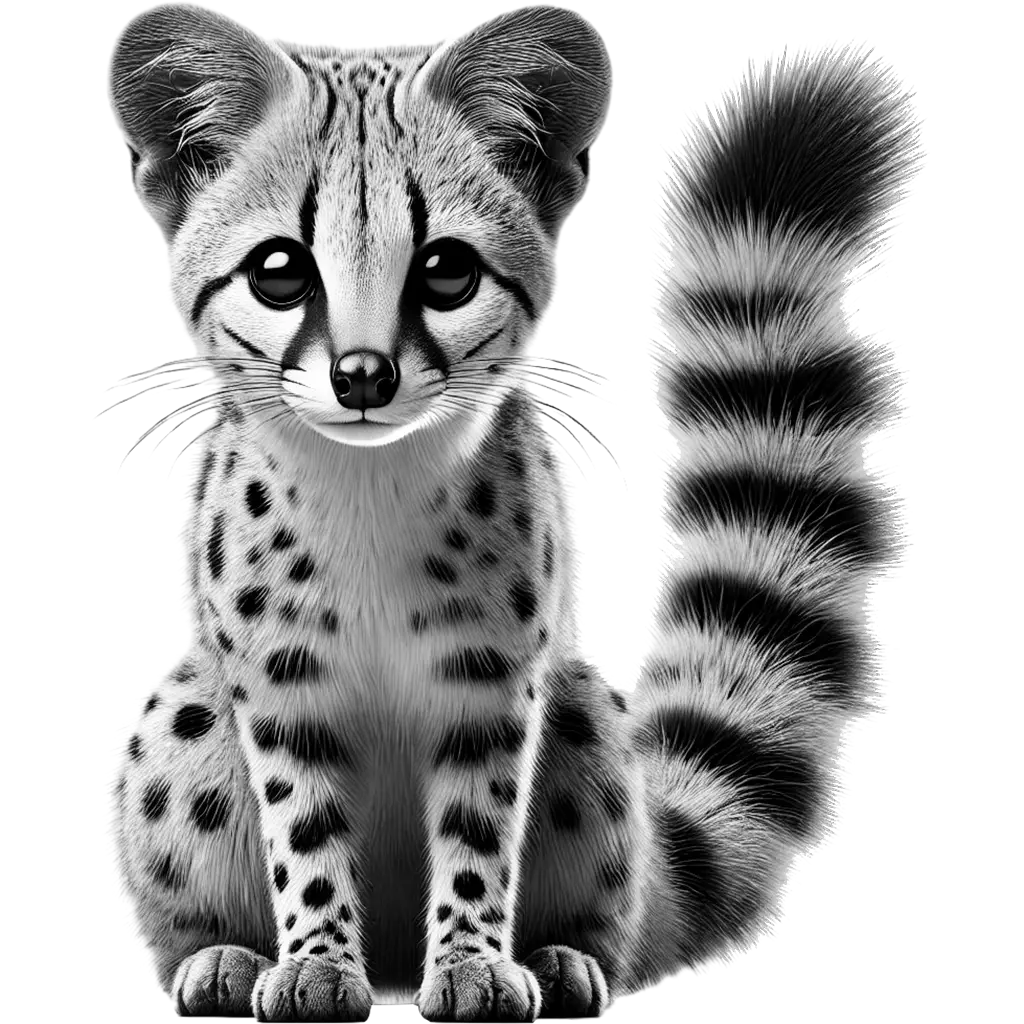
The Zanzibar Servaline Genet is a small, elegant mammal with a slender, elongated body covered in soft, spotted fur that blends muted grays and browns. Its distinctive stripes along the back and legs, paired with a narrow, pointed snout and large, alert eyes, create an appearance that is both graceful and highly adapted for life in dense forests. Its long, prehensile tail adds balance and dexterity, making it well-equipped for agile climbing in tropical woodlands.
| Population: | Numbers are stable in protected areas, however, it remains vulnerable to deforestation and land-use changes |
| Generation Length: | Approximately 3-4 years |
| Average Weight: | Approximately 1-1.5 kg |
| Average Length: | Approximately 45-55 cm |
| Lifespan: | Approximately 8-10 years in the wild; up to 12 years in captivity |
| Diet: | Omnivorous |
| Conservation Status: | Near Threatened (NT) |
In the wild, this genet is predominantly nocturnal and highly secretive. It spends its nights foraging quietly in the coastal forests of Zanzibar, moving deftly through undergrowth and along tree branches. Its solitary lifestyle is punctuated by brief encounters during which it communicates with soft vocalizations and subtle scent markings. Despite its elusive nature, it exhibits a curious demeanor and is adept at navigating complex forest environments, ensuring it can exploit a variety of niches within its limited range.
The diet of the Zanzibar Servaline Genet is diverse and omnivorous, consisting mainly of small mammals, birds, insects, and fruits. It uses its keen senses to detect prey both on the forest floor and in the canopy. By opportunistically feeding on various small creatures and sweet fruits, it plays a critical role in controlling insect populations and dispersing seeds throughout its habitat. This nutritional versatility is vital for sustaining its energy needs, particularly in the challenging, fragmented landscapes where food availability can vary seasonally.
During the breeding season, males engage in brief courtship displays marked by soft calls and subtle body movements to attract females. Following these encounters, females experience a gestation period of 60-70 days and give birth to a single cub, which they nurture carefully until independence.
Found only in the coastal forests of Zanzibar, this genet's population is confined to small, fragmented habitats. Although it remains locally common in well-preserved areas, widespread deforestation and human encroachment have led to declines in other regions. Conservation measures focusing on habitat preservation are essential to ensure the continued survival of this elusive and ecologically significant species.
Classifications
The Key Attributes
Features
- Movement:
Highly agile both on the ground and in the trees, using its sharp claws and prehensile tail to navigate dense foliage with stealth and precision.
- Territorial Behavior:
Largely solitary outside the breeding season, individuals mark their overlapping home ranges with subtle scent cues and soft vocalizations.
- Speed:
It moves with quick, darting bursts when hunting or evading predators.
- Diet:
Omnivorous; it primarily feeds on small mammals, birds, insects, and fruits, contributing to seed dispersal in its forest habitat.
- Physical Features:
- Slender, elongated body covered in soft, spotted fur with a mix of muted grays and browns
- Distinctive stripes along its back and legs
- A narrow, pointed snout and large, alert eyes
- A long, prehensile tail used for balance and grasping branches
- Primary Senses:
- Sight
- Hearing
- Smell
Understanding Habitat and Range
Geography
- Habitat:
Coastal forests and mangrove fringes of Zanzibar
- Migration Patterns:
Non-migratory; individuals make only local movements in response to seasonal food availability and roosting needs.
- Geographical Range:
Endemic to Zanzibar and its adjacent coastal areas in East Africa.
- Climate Preferences:
Prefers tropical, humid environments with regular rainfall and stable temperatures.
Navigating the Wilderness
In the wild
- Predators:
Larger raptors and carnivorous mammals, along with human-related threats, prey on young genets.
- Prey:
Small mammals, birds, insects, and fruits make up its diverse diet.
- Feeding Behavior:
Forages both on the ground and in trees, using its keen senses to detect small prey and fruit. It moves with stealth and precision, quickly pouncing on insects or small vertebrates when encountered.
- Diet:
Omnivorous
- Defensive Mechanisms:
- Utilizes rapid, evasive movements and effective camouflage to avoid predators
- Preferred Food Sources:
- Small vertebrates, insects, and various forest fruits
Insights Into Reproduction
Mating
- Mating System:
Solitary outside the breeding season; during the breeding period, brief encounters occur initiated by males using soft vocalizations and scent signals to attract females.
- Number of Offspring:
Typically one cub per reproductive cycle.
- Incubation Period:
Gestation lasts approximately 60-70 days, culminating in the birth of a single offspring.
- Parental Involvement:
- Females provide all parental care, nurturing the lone cub until it is sufficiently independent.
Youngsters Section
Zanzibar Servaline Genet
Fun Fact
The Zanzibar servaline genet is a sleek, spotted mammal with a long, fluffy tail and a graceful, cat-like body.
This active predator is great at climbing trees and hunting small animals like birds and insects. With its distinctive coat covered in dark spots and stripes, it blends perfectly into the underbrush. The Zanzibar servaline genet is a fast and stealthy hunter, using its agility to navigate through its dense, forested home.

Download word search puzzles
Word Search Puzzles


Check Out Other Mammals
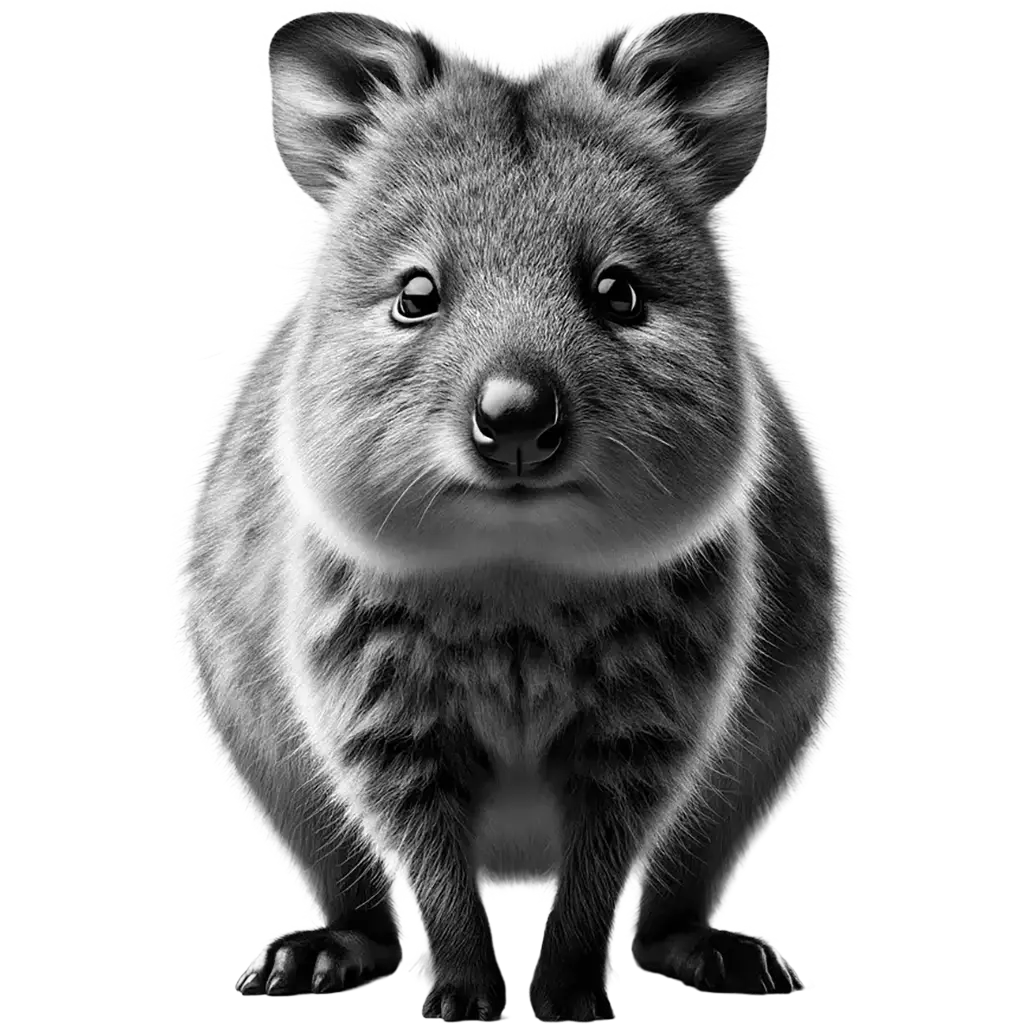
The Quokka, setonix brachyurus, is a small marsupial native to small islands off the coast of Western Australia, most notably Rottnest Island, as well as some areas in the mainland's southwestern part. Recognizable by its compact, rounded body, the Quokka is roughly the size of a domestic cat, with adults
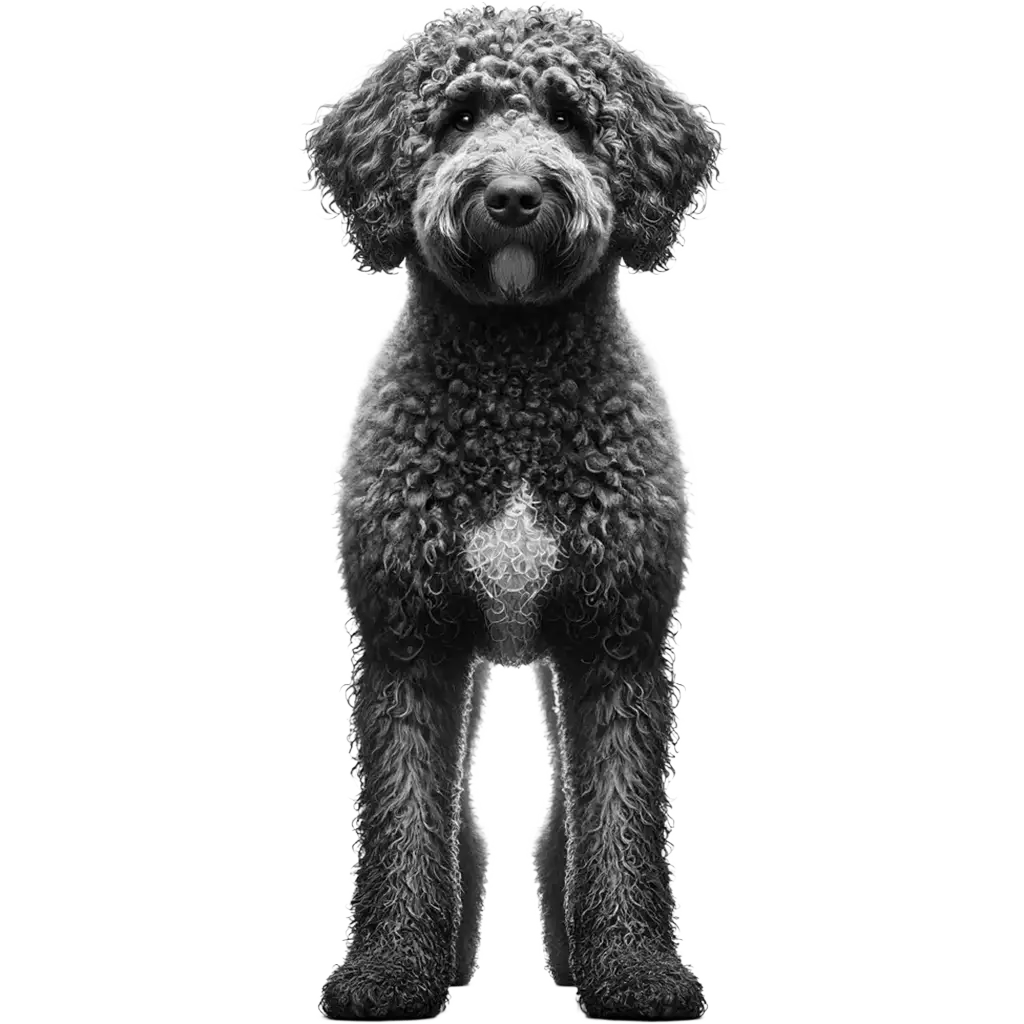
The Spanish Water Dog, a versatile and ancient breed, is known for its distinctive curly coat which is woolly in texture and forms tight curls. Originating from Spain, this medium-sized dog typically weighs between 18 to 22 kg for males and 14 to 18 kg for females, with a height

The Syrian Brown Bear, ursus arctos syriacus, is a subspecies of the brown bear that once roamed the Middle East, from Turkey to Iran, including parts of Syria, Iraq, and the Caucasus region. Characterized by its relatively small size compared to other brown bear subspecies, adults can weigh between 90
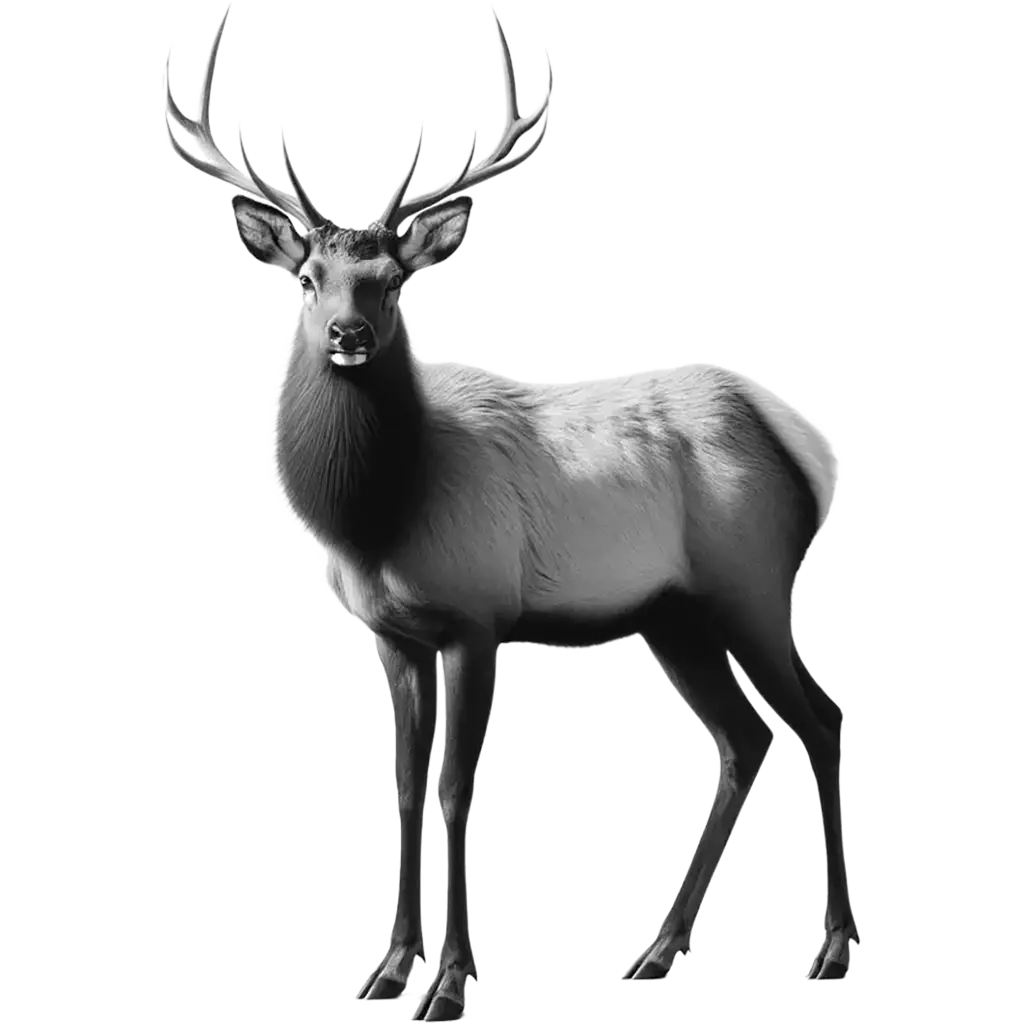
The Tule Elk, cervus canadensis nannodes, is a distinctive subspecies of elk found exclusively in California, primarily in the grasslands and marshlands of the state's central and coastal regions. Notably smaller than other elk subspecies, adult Tule Elk bulls weigh between 200 to 320 kg, while cows are lighter, weighing