
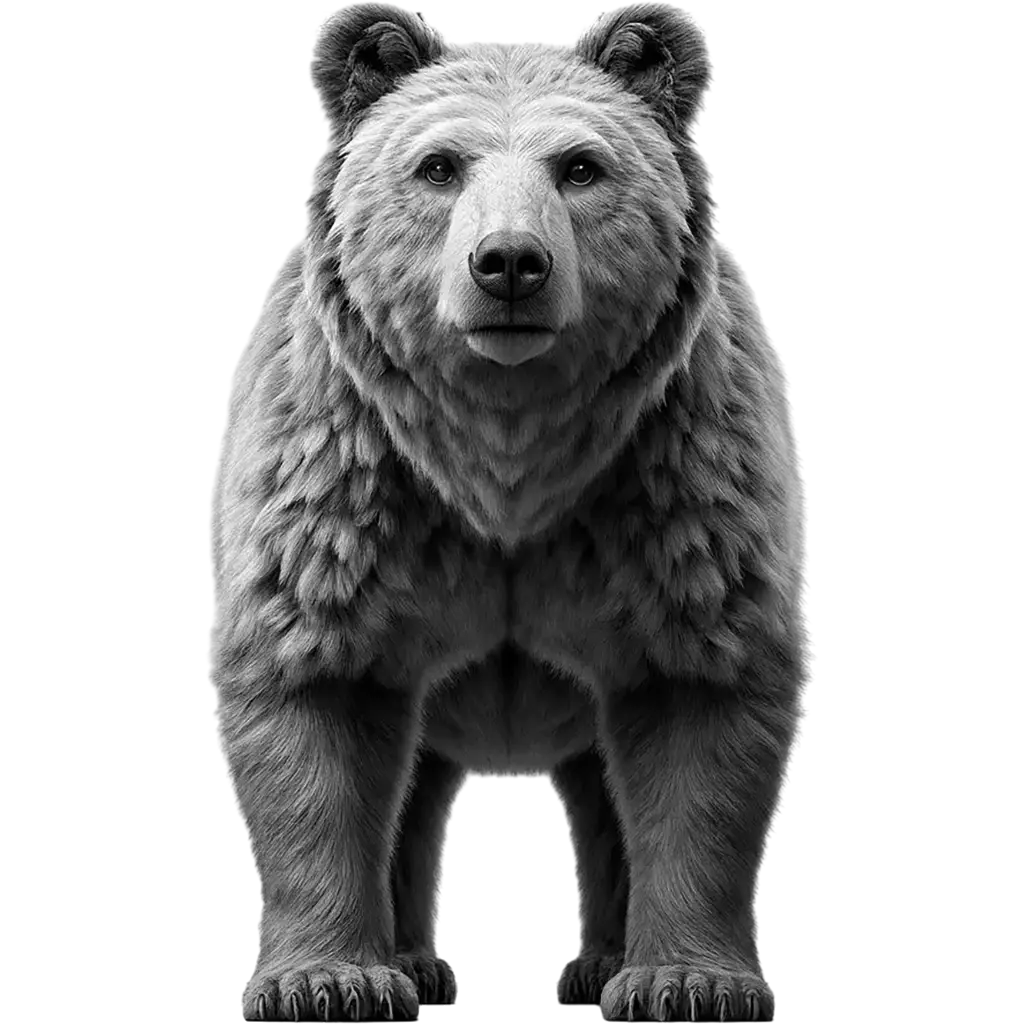
Ursus Arctos Syriacus
Syrian Brown Bear
Mountainous regions, forests, and remote areas
The Syrian Brown Bear, ursus arctos syriacus, is a subspecies of the brown bear that once roamed the Middle East, from Turkey to Iran, including parts of Syria, Iraq, and the Caucasus region. Characterized by its relatively small size compared to other brown bear subspecies, adults can weigh between 90 to 180 kg, with a body length of up to 250 cm. Their fur ranges from light brown to dark brown, and they have a distinct hump over their shoulders, a physical trait that signifies their power and strength. Unlike other brown bears that may exhibit a grizzled fur pattern, the Syrian Brown Bear's coat is typically more uniformly colored.
| Population: | Critically endangered with only a few individuals remaining in the wild |
| Generation Length: | 10 years |
| Average Weight: | 150-250 kg |
| Average Length: | 1.5-2 meters in body length |
| Lifespan: | 20-30 years in the wild |
| Diet: | Varied diet including both plant and animal material |
| Conservation Status: | Endangered (EN) |
Historically, Syrian Brown Bears inhabited diverse habitats including forests, mountainous regions, and subalpine zones where they had access to a variety of food sources. These omnivores' diet consists of fruits, nuts, leaves, roots, small mammals, and insects. In some areas, they are known to approach human habitations in search of food, leading to conflicts.
Reproduction in Syrian Brown Bears follows a similar pattern to other brown bear subspecies, with mating occurring from May to July and cubs being born in the winter months while the mother is in hibernation. Females give birth to 1 to 3 cubs, which are born blind and weigh only about 500 grams. Cubs are highly dependent on their mother for warmth and nutrition during the first few months of life.
The population of the Syrian Brown Bear is critically endangered, with significant declines in their numbers due to habitat destruction, human encroachment, and poaching. Conservation efforts are challenging due to the bear's wide range and the current socio-political climates of its native regions. Efforts to protect these bears focus on habitat preservation, reducing human-bear conflicts, and enforcing anti-poaching laws.
Despite the challenges, the Syrian Brown Bear remains a symbol of the wilderness in the Middle East, and its survival is crucial for maintaining biodiversity and ecological balance in the region. Continued international cooperation and conservation action are necessary to ensure the future of this remarkable subspecies.
Classifications
The Key Attributes
Features
- Movement:
Walking, running, climbing
- Territorial Behavior:
Solitary, except during mating season or mothers with cubs
- Speed:
Capable of running up to 50 km/h in short bursts
- Diet:
Omnivore
- Physical Features:
- Strong and robust body
- Thick fur with a lighter collar around the neck
- Powerful limbs with large paws and claws
- Strong jaws with sharp teeth
- Primary Senses:
- Smell
- Hearing
- Sight
Understanding Habitat and Range
Geography
- Habitat:
Mountainous regions, forests, and remote areas
- Migration Patterns:
Non-migratory, with seasonal movements within their home range
- Geographical Range:
Historically found throughout the Middle East, now limited to small areas in Turkey, Iran, and possibly Syria
- Climate Preferences:
Varies from temperate forests to subalpine mountain regions
Navigating the Wilderness
In the wild
- Predators:
Humans are the primary threat; young cubs may be vulnerable to other large carnivores
- Prey:
Small to medium-sized mammals, plants, fruits, and insects
- Feeding Behavior:
Feeds on a variety of foods including plants, fruits, nuts, insects, small mammals, and carrion
- Diet:
Varied diet including both plant and animal material
- Defensive Mechanisms:
- Strength and size to deter predators
- Retreating to dense vegetation or rugged terrain to avoid humans
- Preferred Food Sources:
- Diverse environments with abundant plant and animal food sources
Insights Into Reproduction
Mating
- Mating System:
Polygynous
- Number of Offspring:
1-3 cubs
- Gestation Period:
6-7 months, including delayed implantation
- Parental Involvement:
- Females care for the cubs, teaching them to forage and protect themselves
Youngsters Section
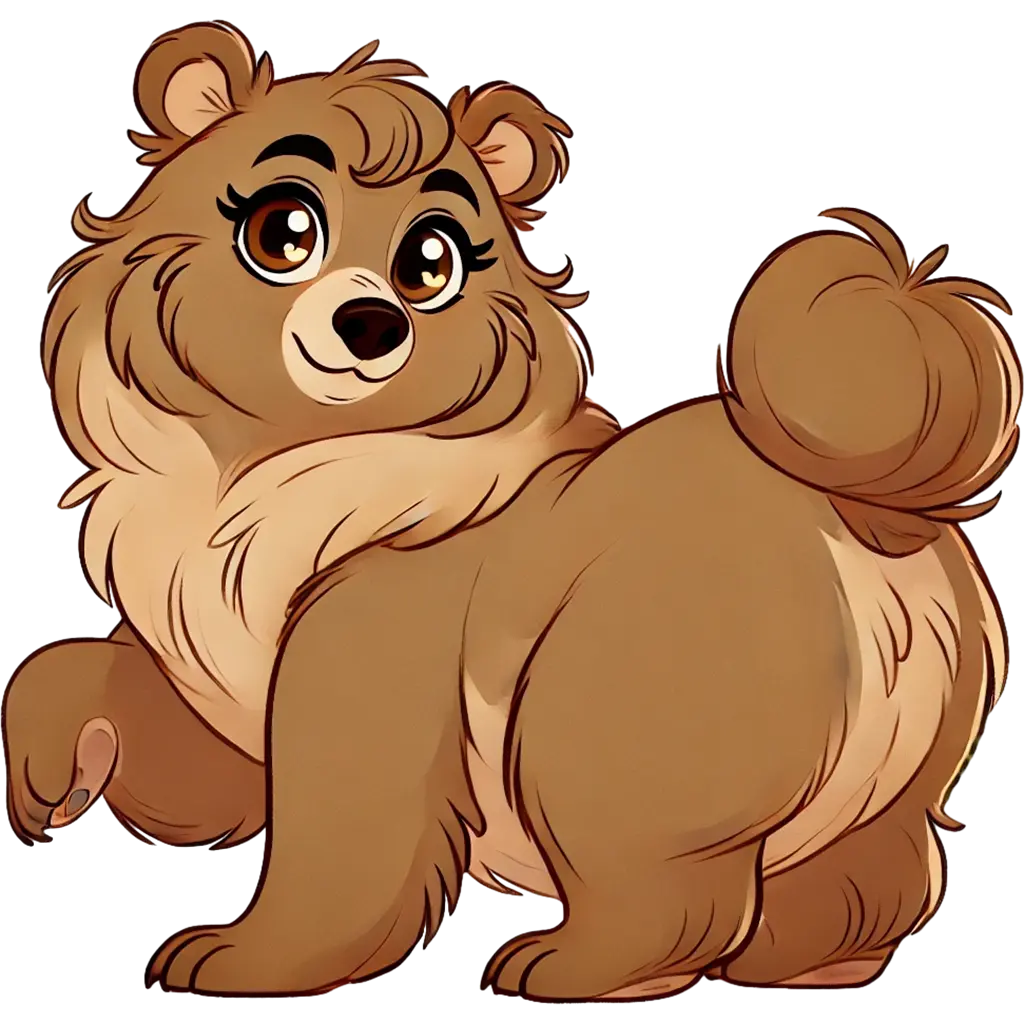
Syrian Brown Bear
Fun Fact
The Syrian Brown Bear is one of the smallest subspecies of brown bears.
They are found in the Middle East, inhabiting forests and mountainous regions. Their fur is usually lighter than other brown bears. These bears are omnivorous, feeding on plants and small animals. Unfortunately, they face threats from habitat loss and hunting, leading to a decline in their population.

Download word search puzzles
Word Search Puzzles

Check Out Other Mammals
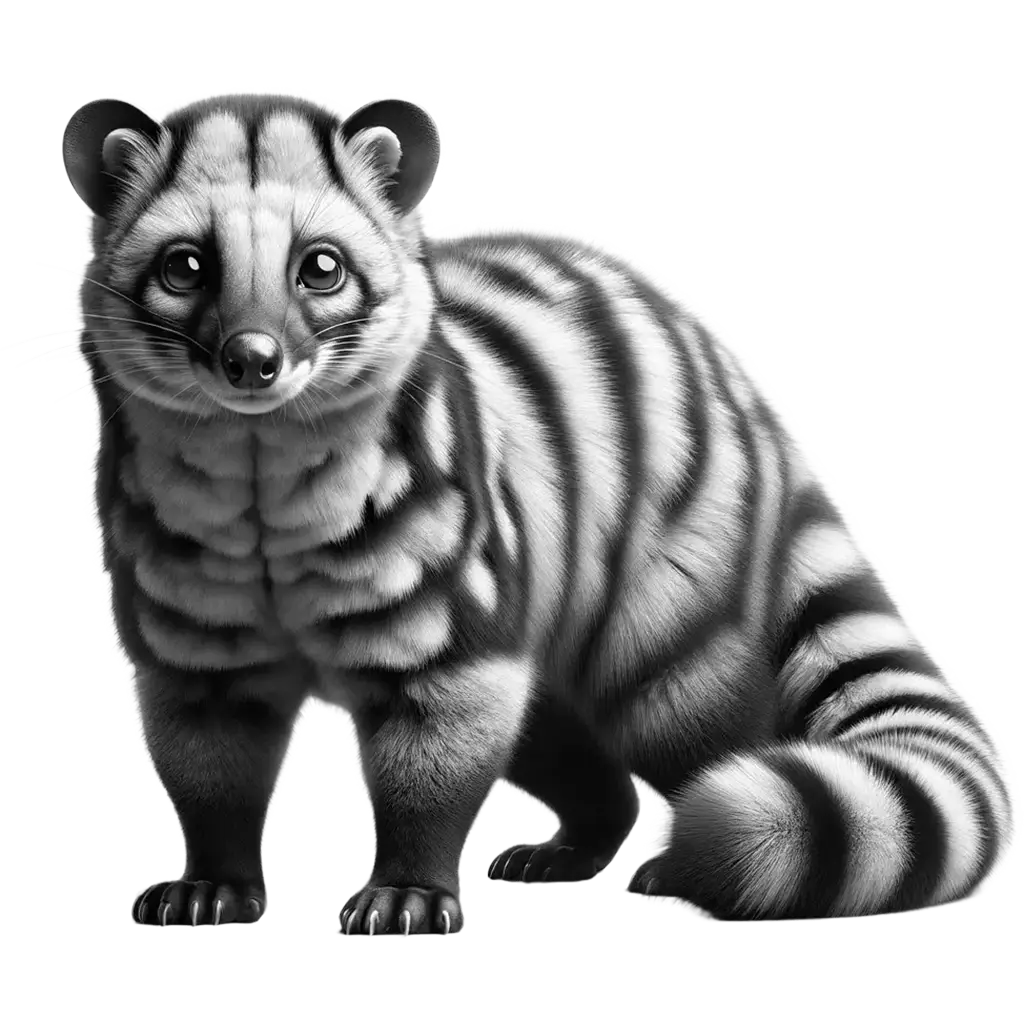
The Banded Palm Civet, hemigalus derbyanus, is a small, nocturnal mammal unique to the dense tropical forests of Southeast Asia, including Malaysia, Indonesia, and Thailand. Characterized by its striking appearance, this civet has a slender body measuring 41 to 53 cm in length, with a tail almost equal in length,
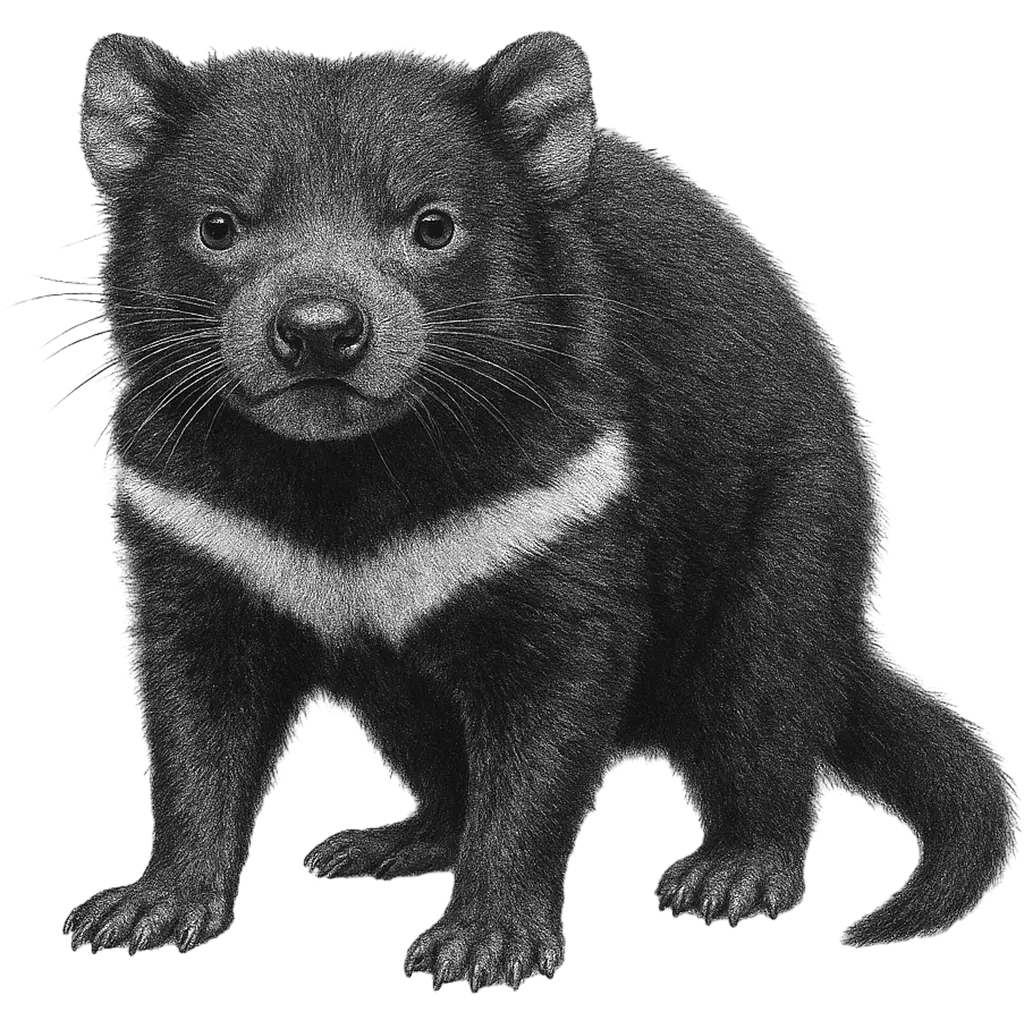
With a compact, muscular build, the Tasmanian Devil stands about thirty centimeters at the shoulder and measures sixty to eighty centimeters from nose to tail. Its dense black fur is punctuated by irregular white patches on the chest and rump. The broad head features powerful jaws and sharp premolars, while
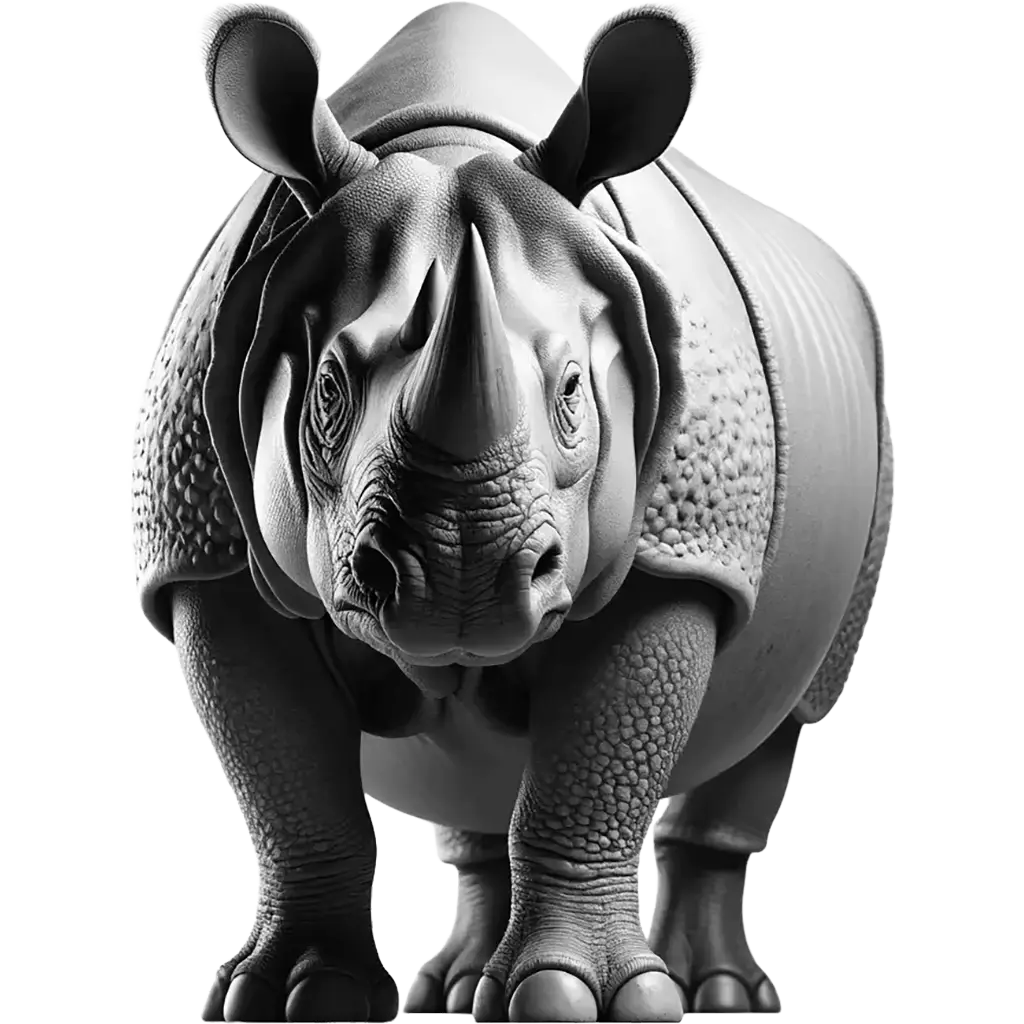
The Javan Rhinoceros, rhinoceros sondaicus, is one of the world's rarest large mammals, a relic of the past that now teeters on the brink of extinction. This solitary, elusive creature is characterized by its grey, armor-like skin and a single horn that grows up to about 25 cm in length,
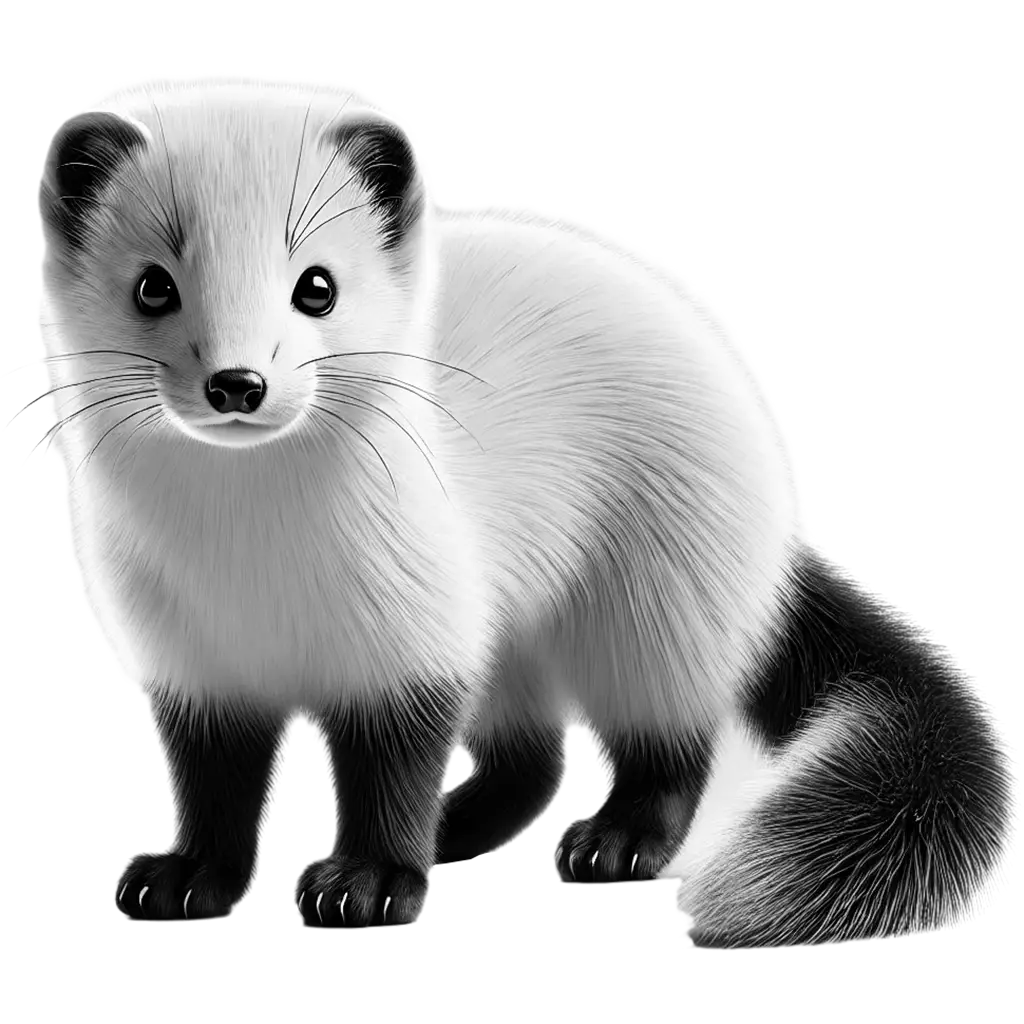
The Ermine is a slender, agile mammal with a sleek, elongated body covered in dense, soft fur that shifts seasonally from a warm brown in summer to a brilliant white in winter. Its long, bushy tail, tipped with a dark band, and its sharp, alert eyes complete its distinctive and