

Eira Barbara
Tayra
Tropical forests, secondary forests, and plantations
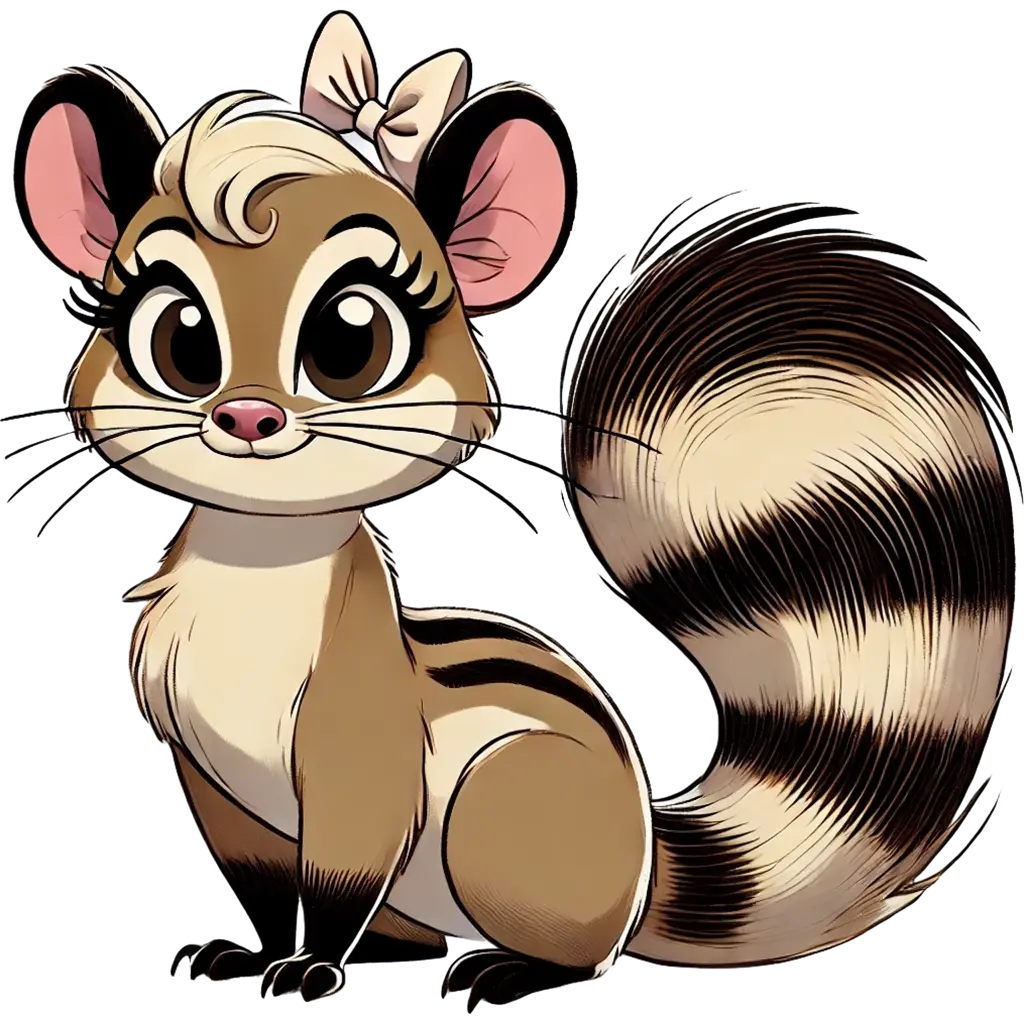
The Tayra, eira barbara, is a versatile and adaptable member of the weasel family, notable for its slender body, elongated head, and bushy tail. Adult Tayras can reach lengths of 60 to 70 cm, not including their tail, which adds an additional 37 to 46 cm, and they weigh between 3 to 5 kg. Their fur is generally dark brown, with variations from black to chestnut, and some individuals exhibit a distinctive white or yellowish patch on the chest. Their agile bodies and strong limbs are well-suited for climbing and running, reflecting their active lifestyle.
| Population: | Listed as Least Concern, but local populations may be affected by habitat changes |
| Generation Length: | 4-5 years |
| Average Weight: | 3-6 kg |
| Average Length: | 60-70 cm in body length, with a tail of 40-45 cm |
| Lifespan: | Up to 18 years in captivity, less in the wild |
| Diet: | Omnivorous, with a flexible diet adapted to available resources |
| Conservation Status: | Least Concern (LC) |
Tayras inhabit a broad range of environments across Central and South America, from Mexico to northern Argentina. They are found in both dense tropical forests and open woodlands, demonstrating remarkable adaptability. Tayras are primarily diurnal, though they can be active at all hours, and they are known to be excellent climbers and swimmers. Their territories are marked with scent, and they utilize a variety of dens, including tree hollows and the abandoned burrows of other animals.
The diet of the Tayra is omnivorous, encompassing a wide range of food sources. They feed on fruits, honey, and vegetation, as well as small mammals, birds, and insects. This diverse diet allows them to thrive in various habitats and contributes to their role as both predator and seed disperser within their ecosystems.
Reproduction in Tayras involves a gestation period of approximately 63 to 70 days, culminating in the birth of one to three offspring. The young are born in secluded dens, where they are cared for by the mother until they are independent, usually around two months of age. Tayras reach sexual maturity at approximately one year of age, though they may not breed until they have established their own territory.
The population of the Tayra is considered stable across much of its range, but they face threats from habitat destruction and fragmentation, hunting for their fur, and retaliation for poultry predation. Conservation efforts for Tayras focus on habitat protection and the establishment of wildlife corridors to maintain genetic diversity and population connectivity. Their adaptability and generalist diet contribute to their resilience in changing environments.
Classifications
The Key Attributes
Features
- Movement:
Climbing, running
- Territorial Behavior:
Solitary or in small family groups
- Speed:
Agile and fast, capable of quick movements in trees and on the ground
- Diet:
Omnivore
- Physical Features:
- Long, slender body with short legs
- Bushy tail
- Sharp, strong teeth and powerful jaws
- Olive to dark brown fur, sometimes with lighter underparts or throat
- Primary Senses:
- Sight
- Hearing
- Smell
Understanding Habitat and Range
Geography
- Habitat:
Tropical forests, secondary forests, and plantations
- Migration Patterns:
Non-migratory, but can move extensively within its home range
- Geographical Range:
From southern Mexico through Central America to northern Argentina
- Climate Preferences:
Prefers tropical and subtropical forests with dense canopy cover
Navigating the Wilderness
In the wild
- Predators:
Larger mammals and birds of prey
- Prey:
Small vertebrates, insects, and fruits
- Feeding Behavior:
Feeds on a variety of foods including fruits, small mammals, birds, and insects
- Diet:
Omnivorous, with a flexible diet adapted to available resources
- Defensive Mechanisms:
- Climbing abilities to escape predators
- Aggressiveness and strong jaws for defense and hunting
- Preferred Food Sources:
- Diverse habitats with ample food sources like fruits and small animals
Insights Into Reproduction
Mating
- Mating System:
Not well documented, but believed to be polygynous
- Number of Offspring:
1-3 young
- Gestation Period:
Approximately 70 days
- Parental Involvement:
- Females primarily care for the offspring
Youngsters Section
Tayra
Fun Fact
The tayra is a versatile omnivore, often seen in Central and South American forests.
These agile animals can climb trees with ease, using their long tails for balance. They are known to consume a varied diet, including fruits, small mammals, and insects. Tayras also communicate with each other through a range of vocalizations and scent markings.

Download word search puzzles
Word Search Puzzles

Check Out Other Mammals
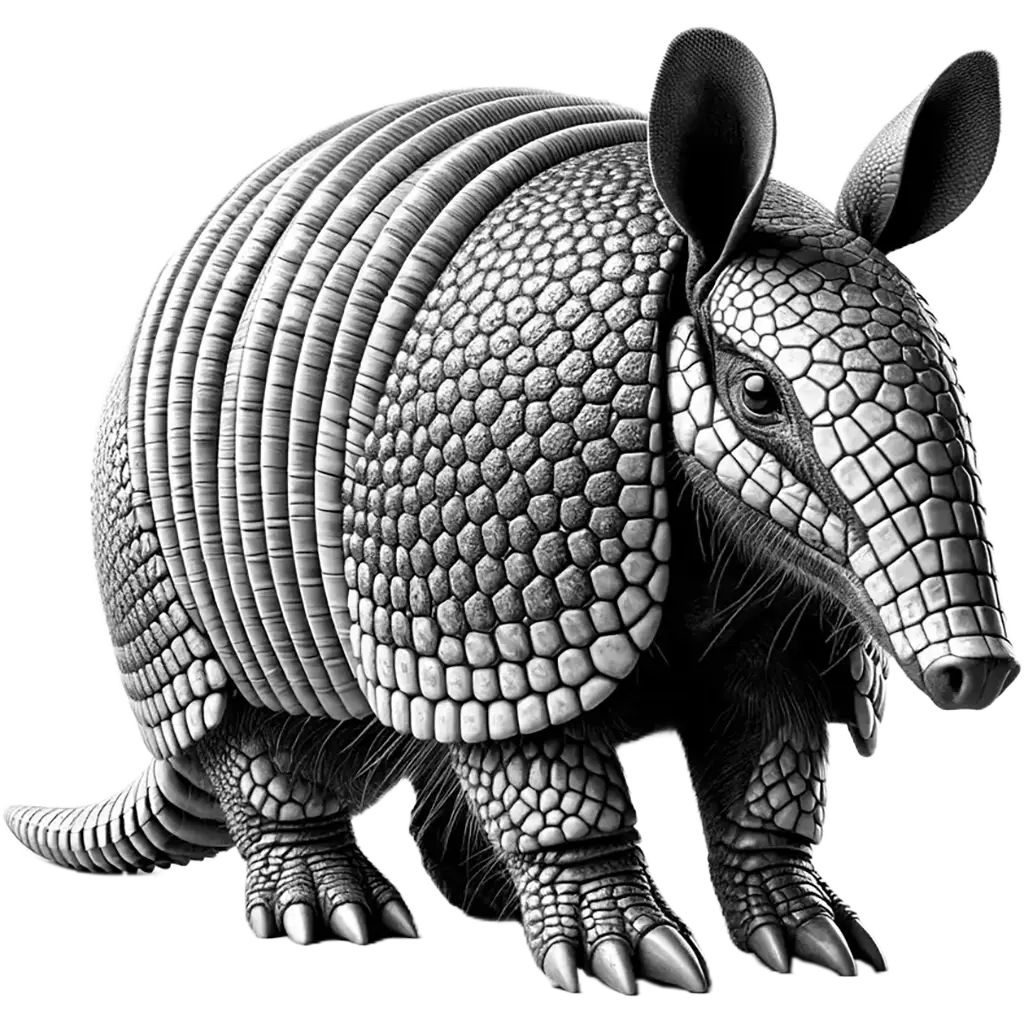
The Nine-Banded Armadillo, Dasypus novemcinctus, is a medium-sized mammal known for its distinctive armor-like shell, consisting of flexible, bony plates that cover its back, sides, head, and tail. This unique adaptation provides protection against predators. Adult armadillos typically measure between 38 to 58 centimeters in body length, with a 26
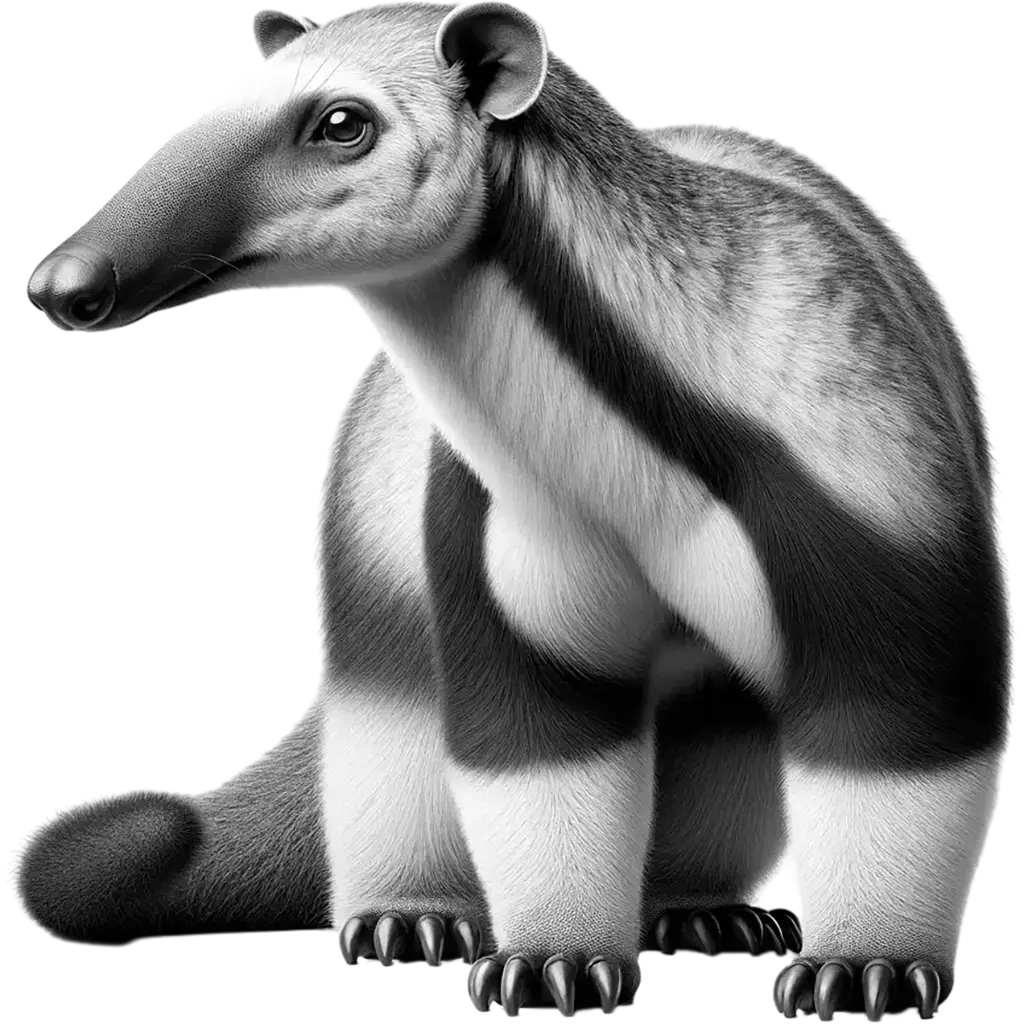
The Southern Tamandua, tamandua tetradactyla, also known as the Collared Anteater or Lesser Anteater, is a medium-sized arboreal mammal native to South America. This species is distinguished by its long, prehensile tail, elongated snout, and a distinctive black 'vest' pattern over its otherwise yellowish-brown fur, although coloration can vary significantly

The Harp Seal, pagophilus groenlandicus, is a species of true seal found primarily in the cold waters of the North Atlantic and Arctic Oceans. Recognizable by the distinctive black harp-shaped pattern on the back of adult males, this species exhibits a striking contrast against their otherwise silvery-gray to white fur.
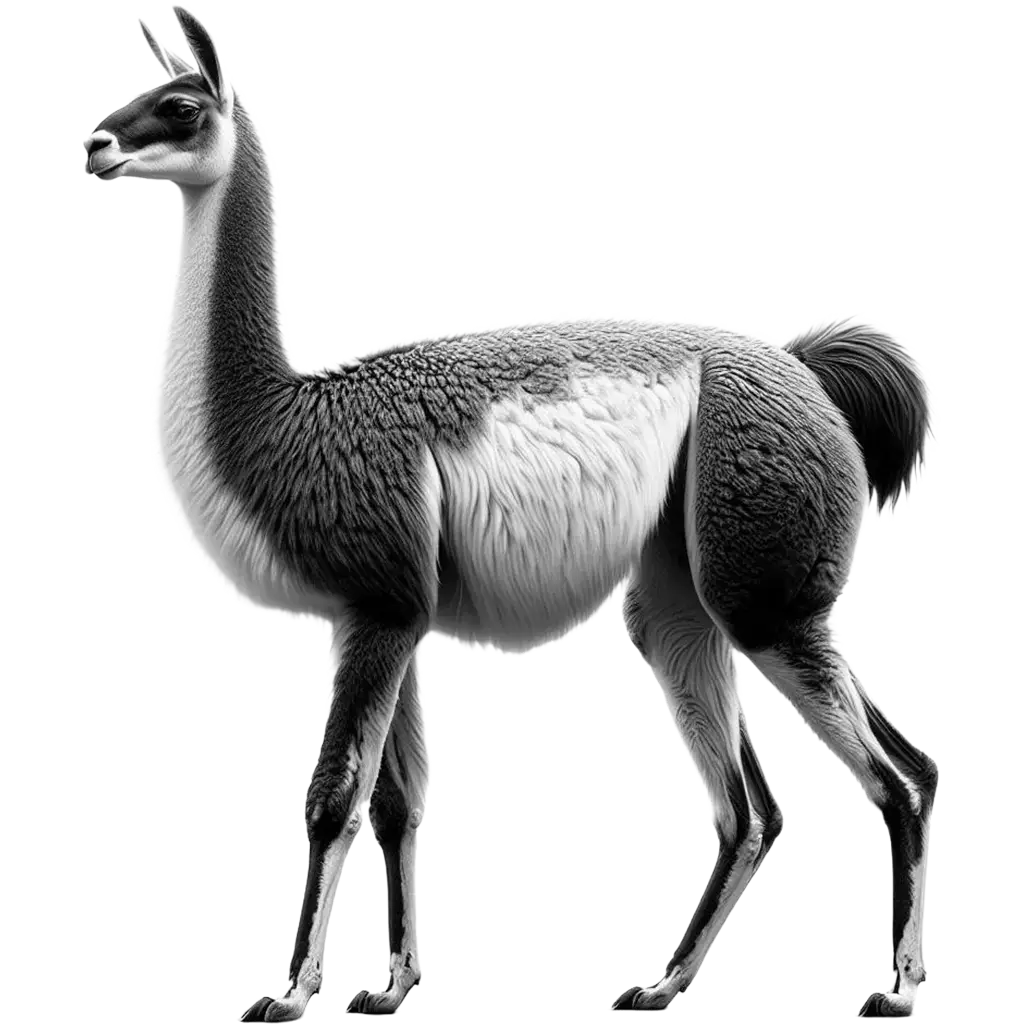
The Guanaco, lama guanicoe, is a camelid native to South America, closely related to the domesticated llama and a wild ancestor to the alpaca. Adult Guanacos stand about 1 to 1.2 meters (3.3 to 3.9 feet) at the shoulder and weigh between 90 to 140 kilograms (200 to 310 pounds).