

Pagophilus Groenlandicus
Harp Seal
Arctic and North Atlantic oceans, particularly on pack ice and around ice edges
The Harp Seal, pagophilus groenlandicus, is a species of true seal found primarily in the cold waters of the North Atlantic and Arctic Oceans. Recognizable by the distinctive black harp-shaped pattern on the back of adult males, this species exhibits a striking contrast against their otherwise silvery-gray to white fur. Harp Seals can reach up to 1.7 to 2 meters (5.6 to 6.6 feet) in length and weigh between 115 to 140 kilograms (253 to 308 pounds), with females being slightly smaller than males.
| Population: | Estimated to be around 7-9 million individuals; populations are considered stable |
| Generation Length: | 8 years |
| Average Weight: | Adults typically weigh between 115-140 kg |
| Average Length: | 1.7-1.8 meters for adults |
| Lifespan: | Up to 30 years in the wild |
| Diet: | Mainly fish and some invertebrates |
| Conservation Status: | Least Concern (LC) |
Harp Seals are highly adapted to a life in icy waters, with a thick layer of blubber for insulation and streamlined bodies that enable efficient swimming. They spend the majority of their time in the open ocean, coming onto the pack ice to breed, give birth, and molt. These seals are known for their long migrations, following the pack ice as it expands and contracts with the seasons.
The diet of the Harp Seal primarily consists of fish, such as capelin and herring, and crustaceans, including krill and shrimp. They are skilled divers, capable of reaching depths of over 200 meters (656 feet) and holding their breath for up to 15 minutes to forage for food.
Reproduction for Harp Seals takes place annually on the pack ice, with a breeding season that is remarkably synchronized. Females give birth to a single pup, which is born with a distinctive white coat known as 'lanugo' that provides camouflage on the ice. The nursing period is brief but intense, lasting only about 12 days, during which the pup gains significant weight from the high-fat content of its mother's milk. After weaning, the pups are left to fend for themselves, learning to swim and hunt in the harsh Arctic environment.
The Harp Seal is currently classified as Least Concern by the IUCN, with a robust and stable population. However, they face threats from climate change, which affects the extent and thickness of the pack ice essential for their breeding and molting. Additionally, they are subject to commercial hunting and bycatch in fishing gear. Conservation efforts include monitoring population trends, regulating hunting practices, and international cooperation to address the impacts of climate change on their Arctic habitat.
Classifications
The Key Attributes
Features
- Movement:
Swimming and crawling on ice
- Territorial Behavior:
Not territorial; forms large colonies on ice for breeding and molting
- Speed:
Can swim at speeds up to 27 km/h
- Diet:
Carnivore
- Physical Features:
- Thick white fur in pups, which molts to a silver-gray coat with black spots in adults
- Streamlined body for efficient swimming
- Short front flippers with claws for gripping ice
- Primary Senses:
- Sight under water
- Hearing
- Tactile
Understanding Habitat and Range
Geography
- Habitat:
Arctic and North Atlantic oceans, particularly on pack ice and around ice edges
- Migration Patterns:
Migratory, following pack ice for breeding, molting, and feeding
- Geographical Range:
Circumpolar distribution including Canada, Greenland, Norway, and Russia
- Climate Preferences:
Cold, arctic, and subarctic marine environments
Navigating the Wilderness
In the wild
- Predators:
Polar bears, orcas, and large sharks
- Prey:
Fish (e.g., capelin, herring), crustaceans, and cephalopods
- Feeding Behavior:
Dives to depths up to 270 meters to hunt for fish and invertebrates
- Diet:
Mainly fish and some invertebrates
- Defensive Mechanisms:
- Swimming agility to evade predators
- Large groups may confuse predators
- Preferred Food Sources:
- Capelin
- Herring
- Other small fish
Insights Into Reproduction
Mating
- Mating System:
Polygynous
- Number of Offspring:
Usually 1 pup
- Gestation Period:
11.5 months, including a delayed implantation period
- Parental Involvement:
- Females nurse pups on ice for about 12 days before weaning; pups are then left to fend for themselves
Youngsters Section
Harp Seal
Fun Fact
Harp seals are known for their pure white fur as pups, which provides excellent camouflage on ice.
As they grow, their fur changes to a spotted pattern. Harp seals are skilled swimmers, using their flippers to glide through icy waters. They primarily feed on fish and crustaceans, and their natural habitat is the North Atlantic and Arctic Oceans. These seals are also noted for their migratory habits, traveling thousands of miles annually.

Download word search puzzles
Word Search Puzzles


Check Out Other Mammals

The Parti-Coloured Bat, vespertilio murinus, is a medium-sized bat species distinguished by its unique two-toned fur, from which it derives its name. The back of the bat features a contrasting pattern of dark brown or black with frosted tips, while the underside is a lighter grey or white, providing it
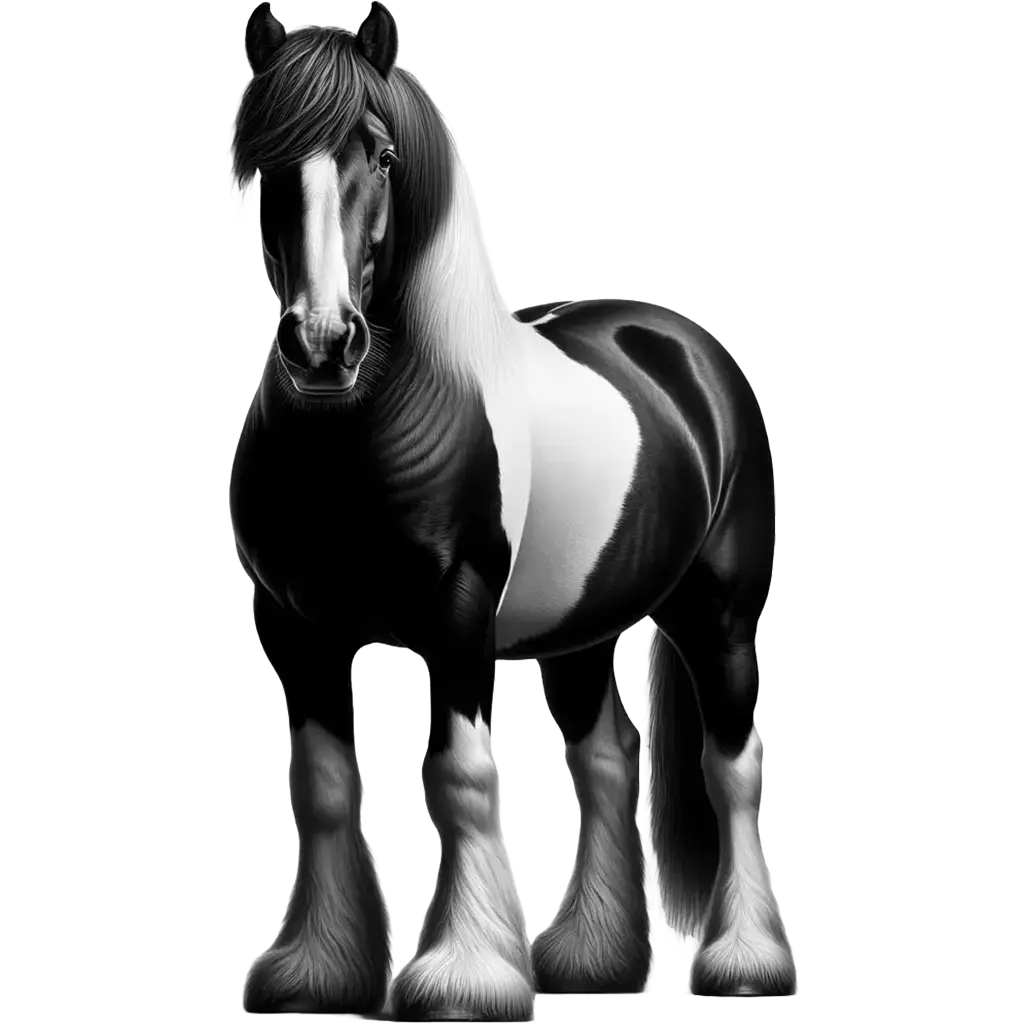
The Noriker, norico-pinzgauer, is a breed of draft horse that originated in the mountainous regions of Austria and northern Italy. Known for their large, muscular build and calm, cooperative temperament, Norikers are typically 15 to 16 hands high (60 to 64 inches at the shoulder) and weigh between 500 to
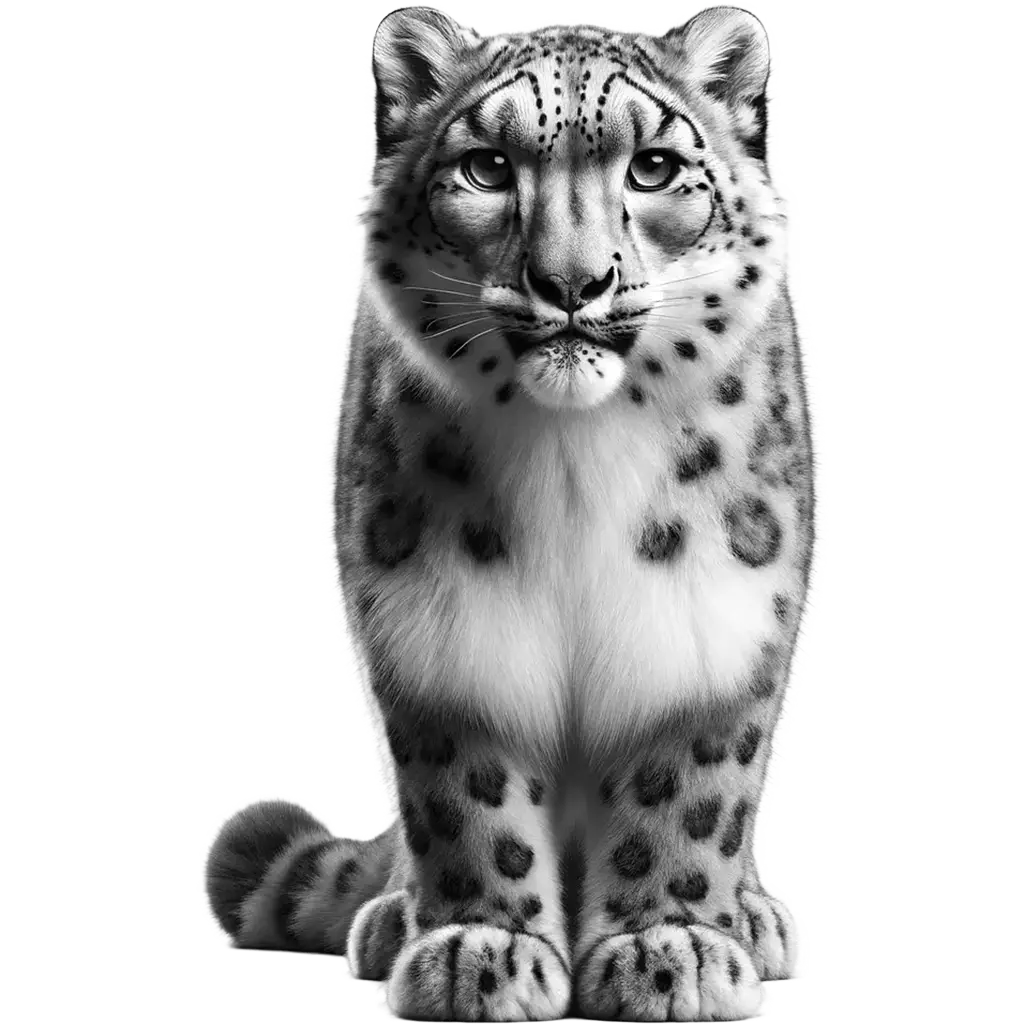
The Snow Leopard, panthera uncia, is a majestic and elusive big cat native to the mountain ranges of Central and South Asia. Renowned for its beautiful fur, the Snow Leopard has a thick, smoky-gray coat with black rosettes and spots, providing perfect camouflage in its snowy and rocky habitat. Adults

The Springbok, antidorcas marsupialis, is a medium-sized antelope renowned for its remarkable agility and distinctive appearance. Adults stand about 75 cm tall at the shoulder and weigh between 30 to 50 kg. Their coat is primarily a glossy tan, with a unique pattern featuring a dark brown stripe running laterally