
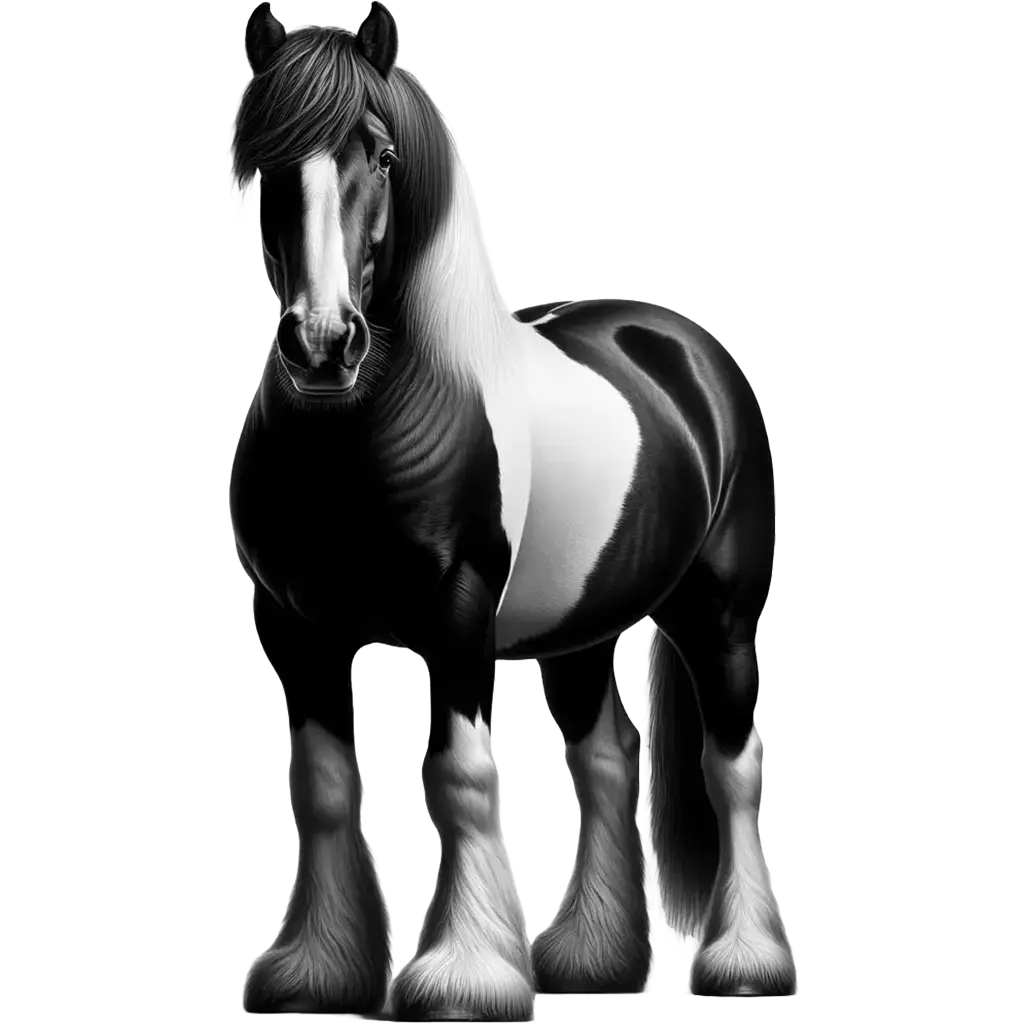
Equus Ferus Caballus
Noriker
Primarily kept in pastoral and mountainous regions
The Noriker, norico-pinzgauer, is a breed of draft horse that originated in the mountainous regions of Austria and northern Italy. Known for their large, muscular build and calm, cooperative temperament, Norikers are typically 15 to 16 hands high (60 to 64 inches at the shoulder) and weigh between 500 to 700 kg (1100 to 1540 lbs). They exhibit a wide range of coat colors, including bay, black, chestnut, gray, and the distinctive leopard spotted pattern known as 'tigered.' This breed is characterized by its strong legs, broad chest, and powerful hindquarters, making it well-suited for heavy draft and farm work.
| Population: | Not considered endangered, but specific breeding programs exist to maintain breed purity |
| Generation Length: | 8-10 years |
| Average Weight: | 600-800 kg |
| Average Length: | Height at the shoulder: 150-165 cm |
| Lifespan: | 25-30 years |
| Diet: | Primarily grass and hay, supplemented with grains and vegetables |
| Conservation Status: | Not Evaluated (NE) |
Historically, the Noriker breed was developed in the ancient Roman province of Noricum, with selective breeding practices dating back to the 16th century. They were originally used for agricultural work, forestry, and transportation in mountainous terrains, valued for their ability to navigate steep slopes and rough paths. Today, while still used for traditional purposes, Norikers are increasingly appreciated for recreational riding, driving, and as gentle companions.
The diet of the Noriker, like other draft breeds, should be carefully managed to maintain their health and prevent obesity. High-quality forage, grass, and controlled portions of grains provide the necessary nutrients for their size and energy needs. Regular exercise and pasture access are essential for their physical and mental well-being.
Reproduction in Norikers follows standard equine breeding practices, with mares giving birth to a single foal after an eleven-month gestation period. The breed is known for its fertility and maternal instincts, with mares often continuing to reproduce into their later years. Breeding programs in Austria and Italy emphasize the preservation of traditional characteristics, including the breed's versatility, strength, and unique color patterns.
The population of the Noriker is stable, thanks to dedicated breeding programs and a growing appreciation for their versatility and gentle nature. Conservation efforts focus on maintaining genetic diversity within the breed and promoting their use in sustainable agriculture, forestry, and as therapy animals. The Noriker's heritage and adaptability make it a valuable asset to rural communities and horse enthusiasts worldwide.
Classifications
The Key Attributes
Features
- Movement:
Walking, trotting
- Territorial Behavior:
Not particularly territorial; herd-oriented
- Speed:
Not known for speed; bred for strength and stamina
- Diet:
Herbivore
- Physical Features:
- Large, muscular body
- Heavy bone structure
- Broad chest and strong back
- Thick mane and tail
- Primary Senses:
- Sight
- Hearing
- Smell
Understanding Habitat and Range
Geography
- Habitat:
Primarily kept in pastoral and mountainous regions
- Migration Patterns:
Non-applicable
- Geographical Range:
Originates from the Alpine region of Austria and southern Germany
- Climate Preferences:
Adapted to cold, alpine conditions
Navigating the Wilderness
In the wild
- Predators:
Domesticated with no natural predators
- Prey:
Not applicable
- Feeding Behavior:
Grazes on grass and consumes hay, grains, and other feed provided by caretakers
- Diet:
Primarily grass and hay, supplemented with grains and vegetables
- Defensive Mechanisms:
- Size and strength can be a deterrent
- Herd mentality for protection
- Preferred Food Sources:
- Pastures, meadows, and areas with sufficient forage supply
Insights Into Reproduction
Mating
- Mating System:
Controlled breeding in domestic settings
- Number of Offspring:
Usually one foal
- Gestation Period:
Approximately 11 months
- Parental Involvement:
- Mares nurse and care for their foals with human oversight for health and management
Youngsters Section
Noriker
Fun Fact
Noriker horses are a breed known for their strength and versatility, originating from Austria.
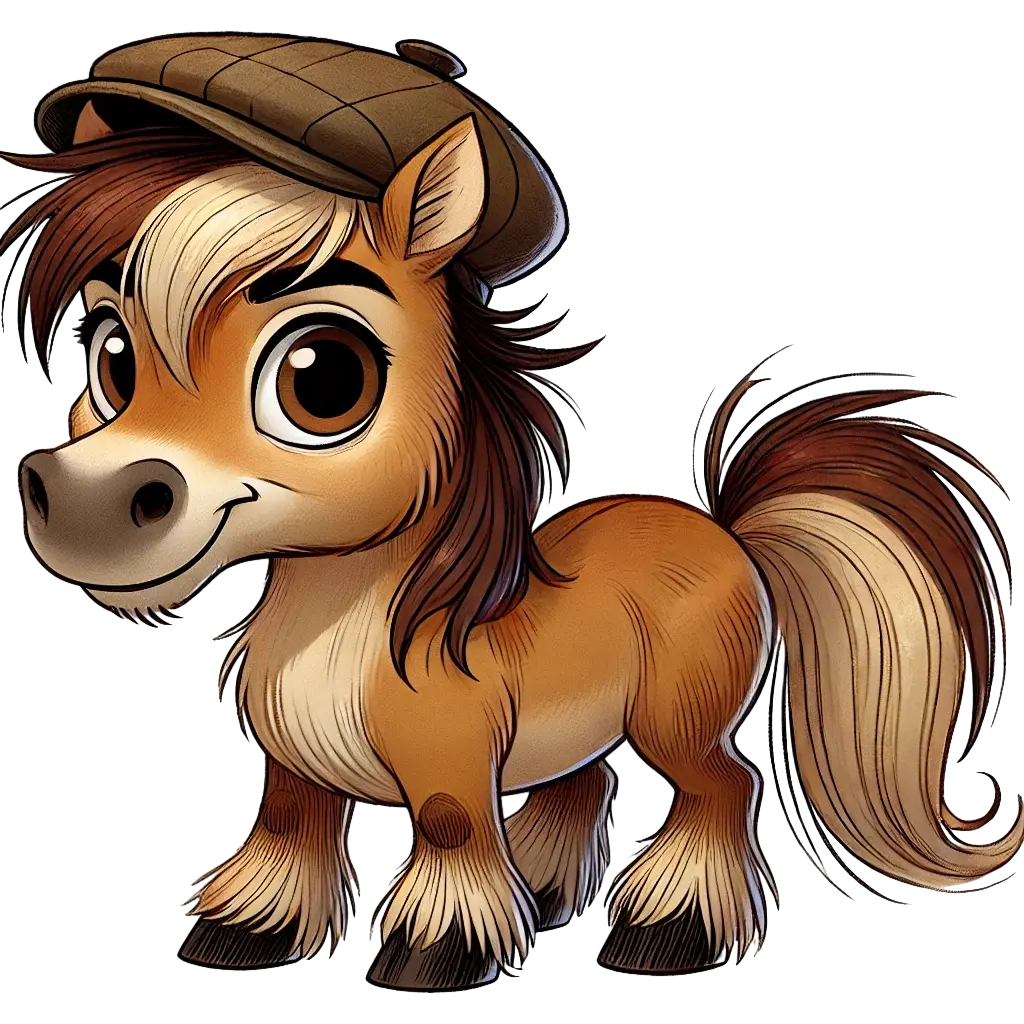
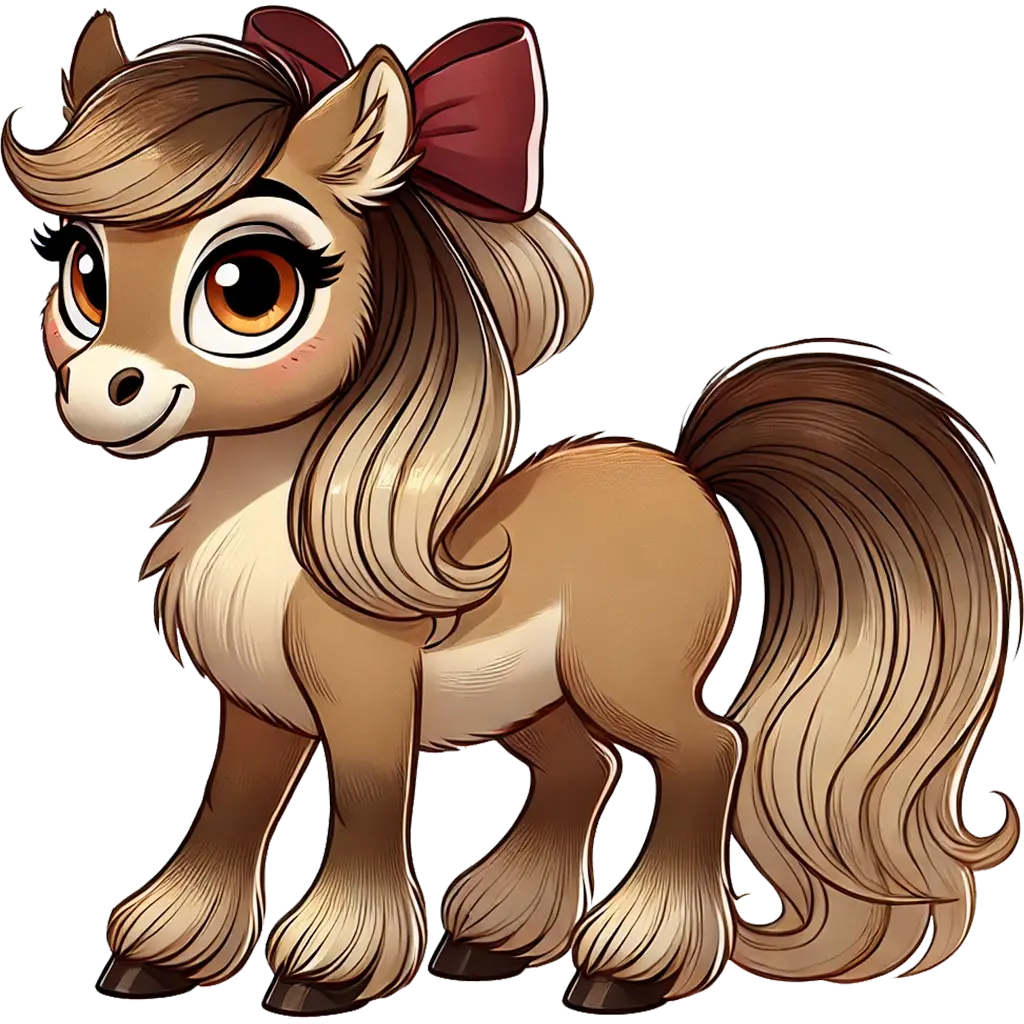
These horses were historically used for working in the mountainous regions of Europe. Their surefootedness and calm demeanor made them ideal for tasks like logging and transportation. Norikers are often recognized by their distinctive spotted coat patterns, which add to their unique charm and appeal.

Download word search puzzles
Word Search Puzzles
Check Out Other Mammals
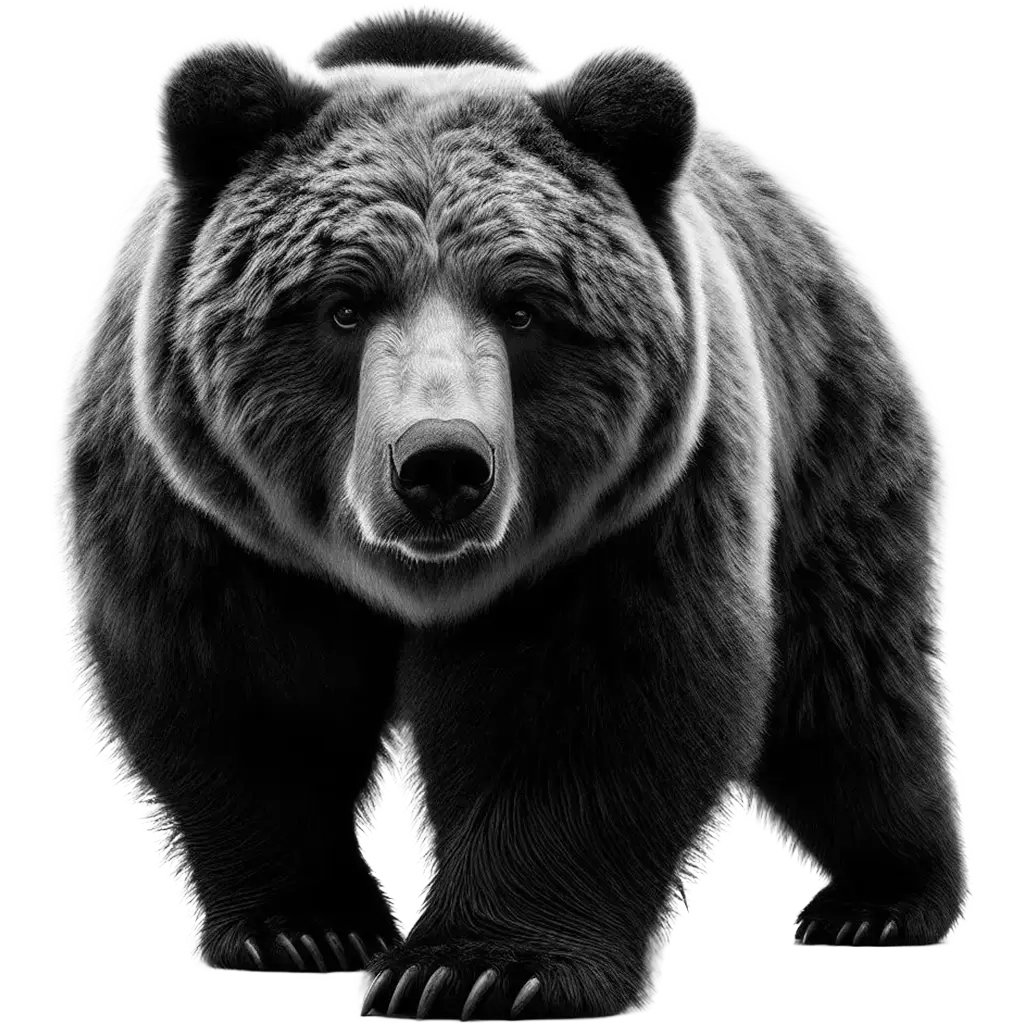
The Grizzly Bear, ursus arctos horribilis, is a formidable subspecies of the brown bear, residing primarily in the forests, mountains, and tundras of North America, particularly in Alaska, western Canada, and parts of the northwestern United States. Characterized by its distinctive hump on its back—a result of powerful muscles used
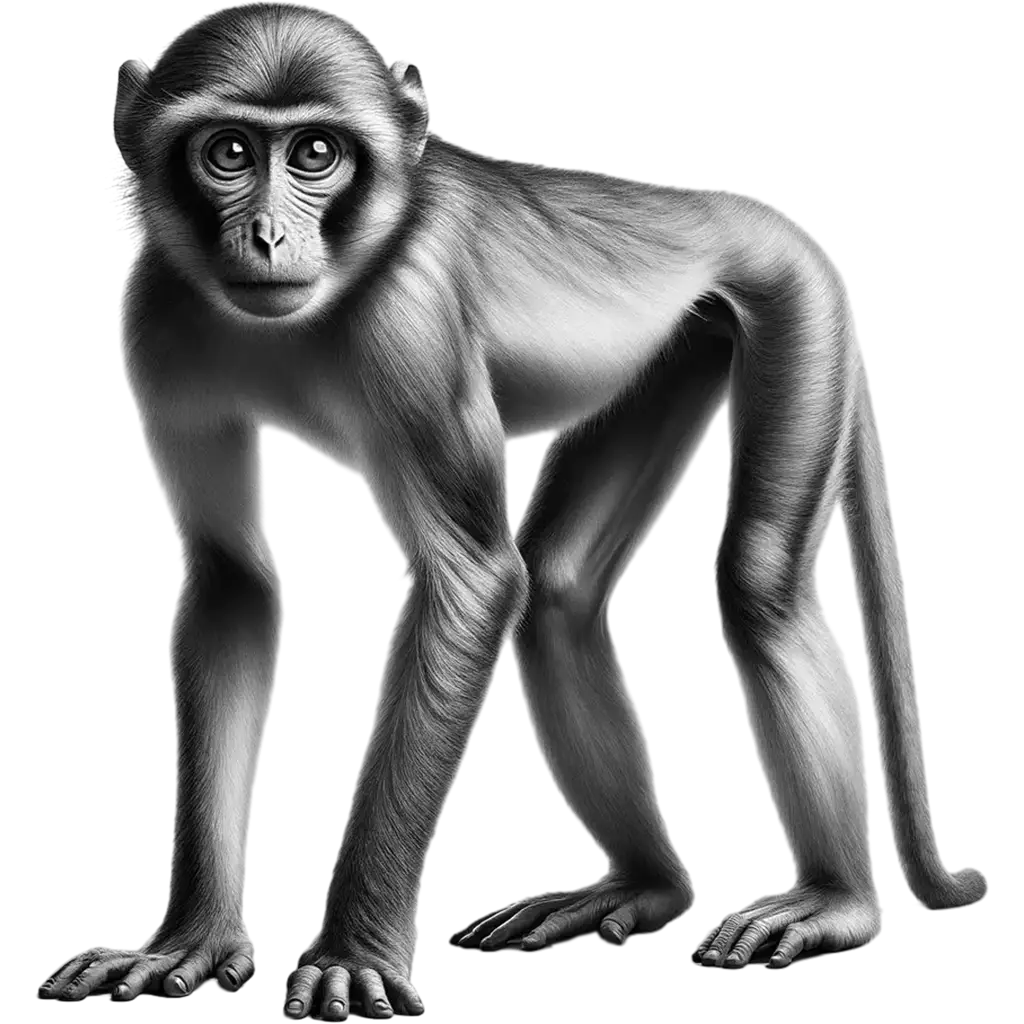
The Barbary Macaque, Macaca sylvanus, also known as the Barbary Ape despite being a true monkey, holds the distinction of being the only primate aside from humans to live freely in Europe, particularly in the British Overseas Territory of Gibraltar, as well as in fragmented forested areas in the Atlas
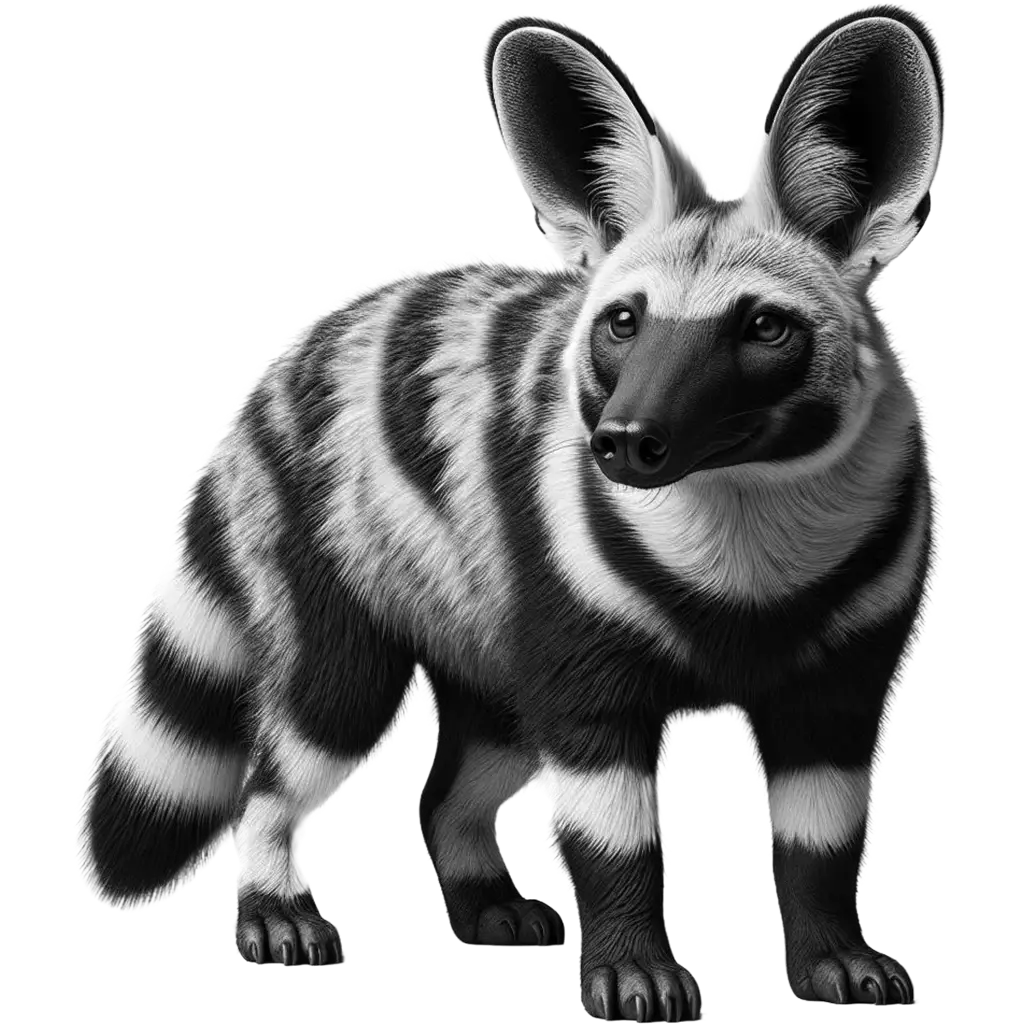
The Aardwolf, proteles cristatus, is a small, insectivorous mammal, distinct from its larger carnivorous relatives in the Hyaenidae family, such as hyenas. With a shoulder height of about 40 to 50 cm and weighing between 8 to 14 kg, the Aardwolf possesses a slender frame, covered in a coarse yellow-brown
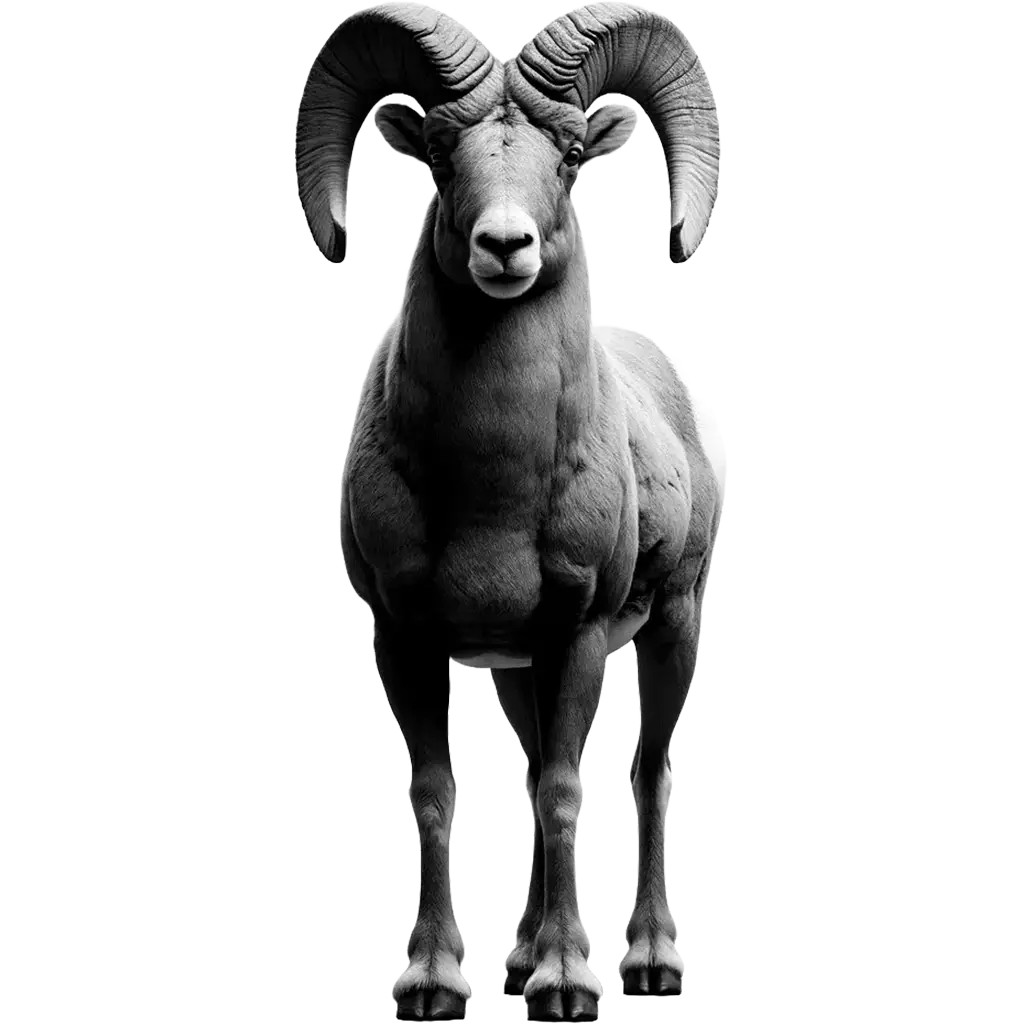
The Bighorn Sheep, Ovis canadensis, is a symbol of the rugged mountain ranges of North America, from Canada's cold northern regions down through the western United States and into Mexico's desert landscapes. Distinguished by their large, curved horns, which can weigh up to 14 kilograms in males, Bighorn Sheep exhibit