
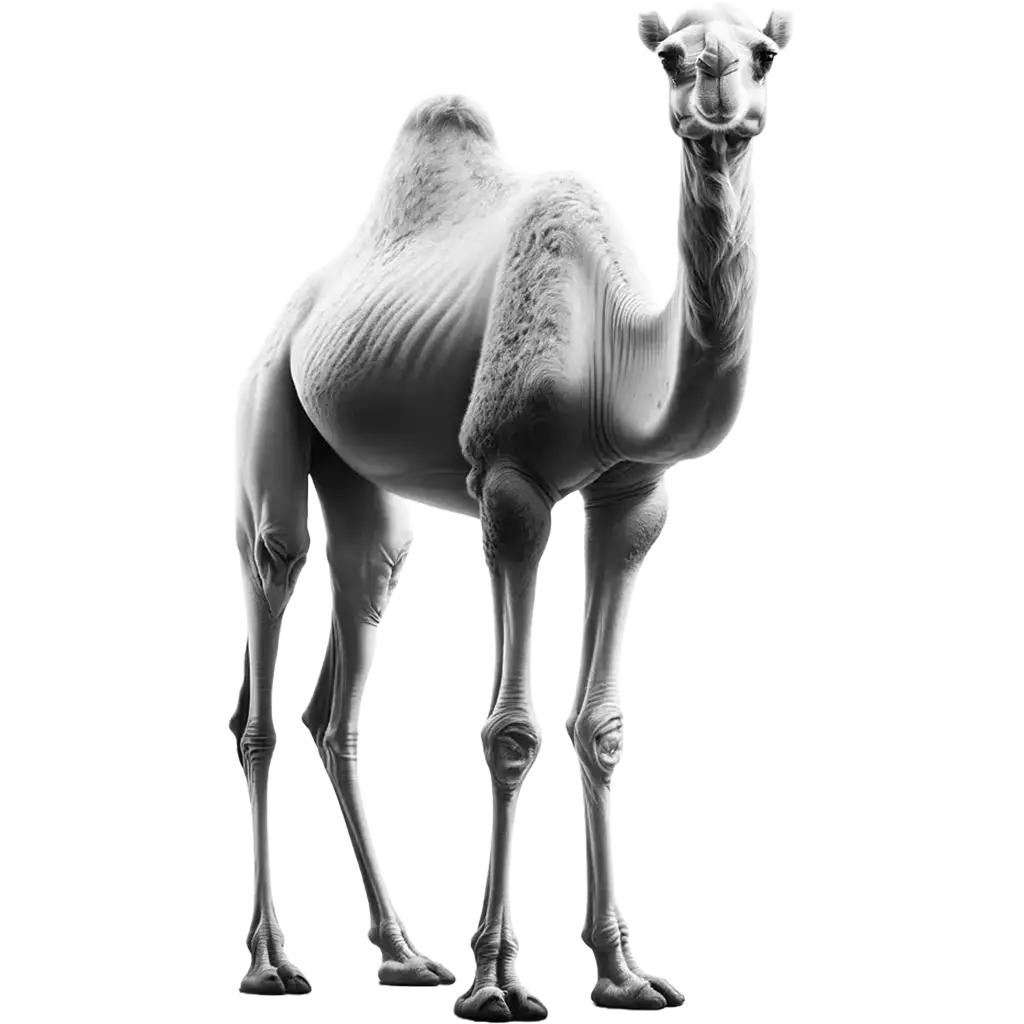
Camelus Dromedarius
Dromedary
Deserts, arid and semi-arid regions
The Dromedary, camelus dromedarius, is an iconic animal of the desert, easily recognized by its single large hump on its back. This hump is a reservoir of fatty tissue, which the camel can convert into water and energy, enabling it to endure long periods without food or water. Adult dromedaries stand about 1.8 to 2 meters tall at the shoulder and can weigh between 400 to 600 kilograms. Their coat varies from light brown to sandy beige, providing camouflage in their desert habitats. Their long eyelashes, bushy eyebrows, and the ability to close their nostrils protect them from sandstorms, while their wide, padded feet allow them to walk easily on sand.
| Population: | Domesticated, with a large and stable population of feral individuals in Australia |
| Generation Length: | 8 years |
| Average Weight: | 400-600 kg |
| Average Length: | 2.2-3.4 m (body length), 1.8-2 m (height at the shoulder) |
| Lifespan: | 40-50 years |
| Diet: | Primarily vegetation, including thorny plants |
| Conservation Status: | Not Evaluated (NE) |
Dromedaries are native to the arid regions of the Middle East and the Sahara Desert in North Africa, but they have also been introduced to arid parts of Australia. They are highly adapted to life in harsh desert environments, capable of surviving extreme temperatures that range from freezing cold at night to blistering heat during the day. These camels can travel up to 160 kilometers in the desert without water, thanks to their physiological adaptations, including their ability to tolerate significant dehydration and to rehydrate quickly when water is available. They are social animals, living in groups led by a dominant male, and are known for their endurance and ability to carry heavy loads, making them invaluable to the nomadic peoples of the desert.
The diet of the Dromedary consists mainly of dry grasses, grains, and whatever desert vegetation is available, including thorny plants that most other animals avoid. They can eat salty or bitter plants without ill effect, showcasing their adaptability. Their unique mouth structure, with a thick, leathery lining, allows them to chew thorny desert plants without injury. Dromedaries are ruminants with a three-chambered stomach, and they can efficiently extract moisture and nutrients from their food, which is vital for their survival in nutrient-poor environments.
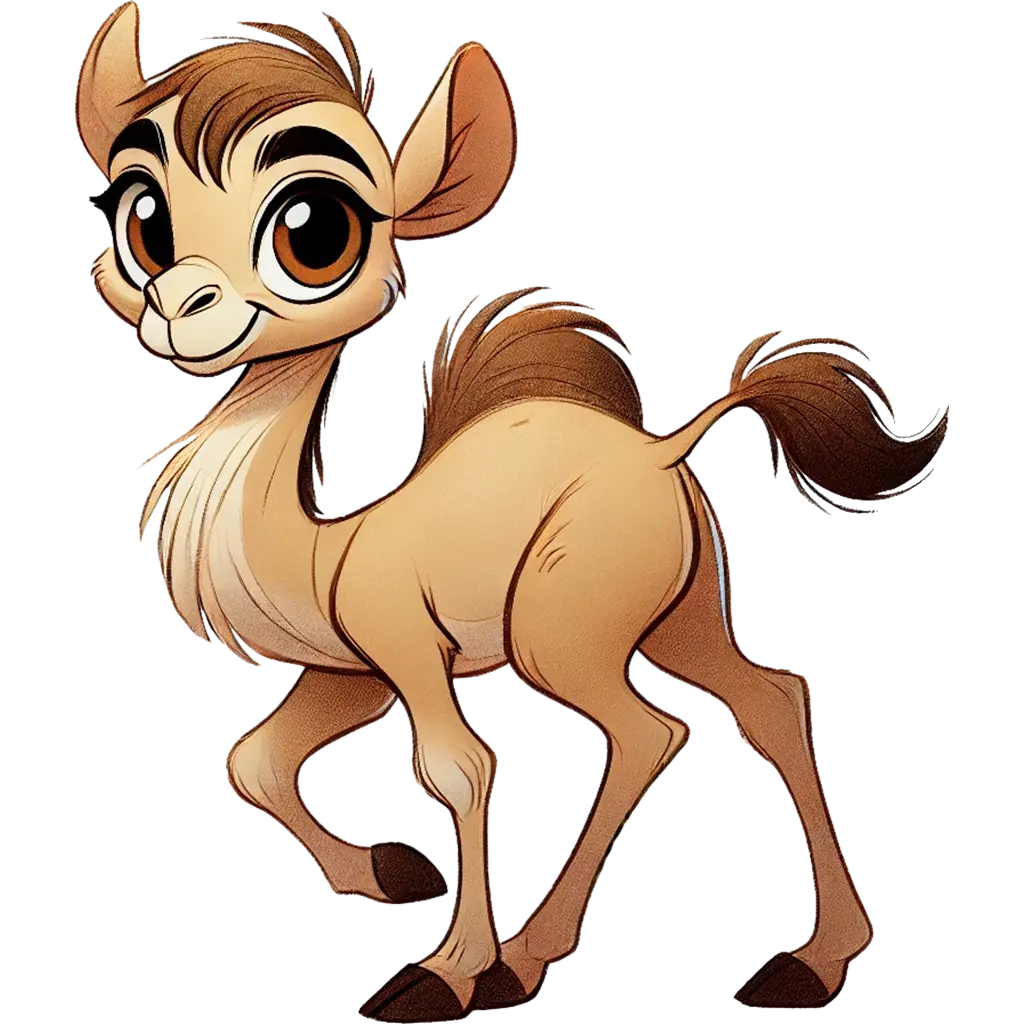
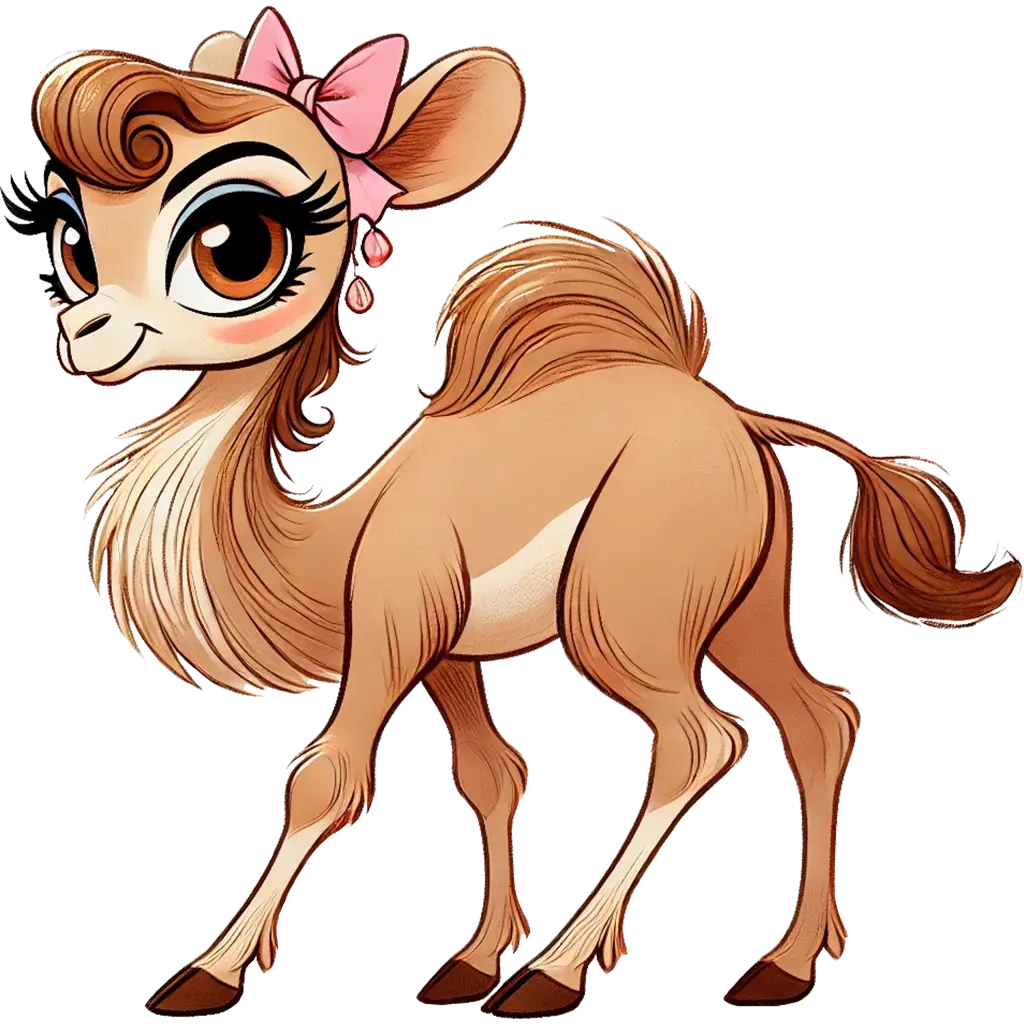
Mating occurs annually, with the breeding season typically happening in the cooler months. Males become very competitive and may fight for access to females. The gestation period for a Dromedary is about 13 months, leading to the birth of a single calf. The mother and calf form a strong bond, with the calf being dependent on its mother's milk for the first year of its life. Calves are born with a soft, woolly coat that is shed as they mature.
The population of the Dromedary camel is not considered at risk, largely due to their domestication and the vital role they continue to play in human societies across their range. They are raised for their meat, milk, and wool, and are also used for transport. In some areas, wild populations have established themselves from escaped or released domestic animals, such as in Australia, where they have adapted well to the Outback. Conservation efforts are more focused on managing their impact on native ecosystems where they are introduced, rather than on their survival as a species.
Classifications
The Key Attributes
Features
- Movement:
Quadrupedal
- Territorial Behavior:
Not territorial; forms groups called caravans when domesticated or in the wild
- Speed:
Can reach speeds up to 65 km/h in short bursts; usually travels at about 40 km/h
- Diet:
Herbivore, able to eat thorny plants other animals avoid
- Physical Features:
- One hump
- Long legs
- Thick eyelashes
- Bushy eyebrows
- Primary Senses:
- Sight
- Hearing
- Smell
Understanding Habitat and Range
Geography
- Habitat:
Deserts, arid and semi-arid regions
- Migration Patterns:
Domesticated; feral populations may move in search of food and water
- Geographical Range:
Native to the Middle East and the Horn of Africa; feral populations in Australia
- Climate Preferences:
Hot, arid climates
Navigating the Wilderness
In the wild
- Predators:
Few natural predators due to size; mainly humans for domesticated populations
- Prey:
N/A
- Feeding Behavior:
Able to consume rough, dry vegetation; can go for weeks without water by conserving body moisture and rehydrating quickly when water is available
- Diet:
Primarily vegetation, including thorny plants
- Defensive Mechanisms:
- Size
- Speed
- Ability to kick in all four directions
- Preferred Food Sources:
- Desert vegetation
- Grasses
- Bushes
- Thorny plants
Insights Into Reproduction
Mating
- Mating System:
Polygynous
- Number of Offspring:
1 calf
- Gestation Period:
13-15 months
- Parental Involvement:
- Mother provides all care; offspring are weaned at about 1 year of age
Youngsters Section
Dromedary
Fun Fact
Dromedaries have a single hump on their back, unlike Bactrian camels which have two humps.
The hump stores fat, which can be converted to water and energy when resources are scarce. This adaptation allows them to survive in arid environments for long periods without food or water. Dromedaries are widely used as pack animals in desert regions.
Download word search puzzles
Word Search Puzzles
Check Out Other Mammals
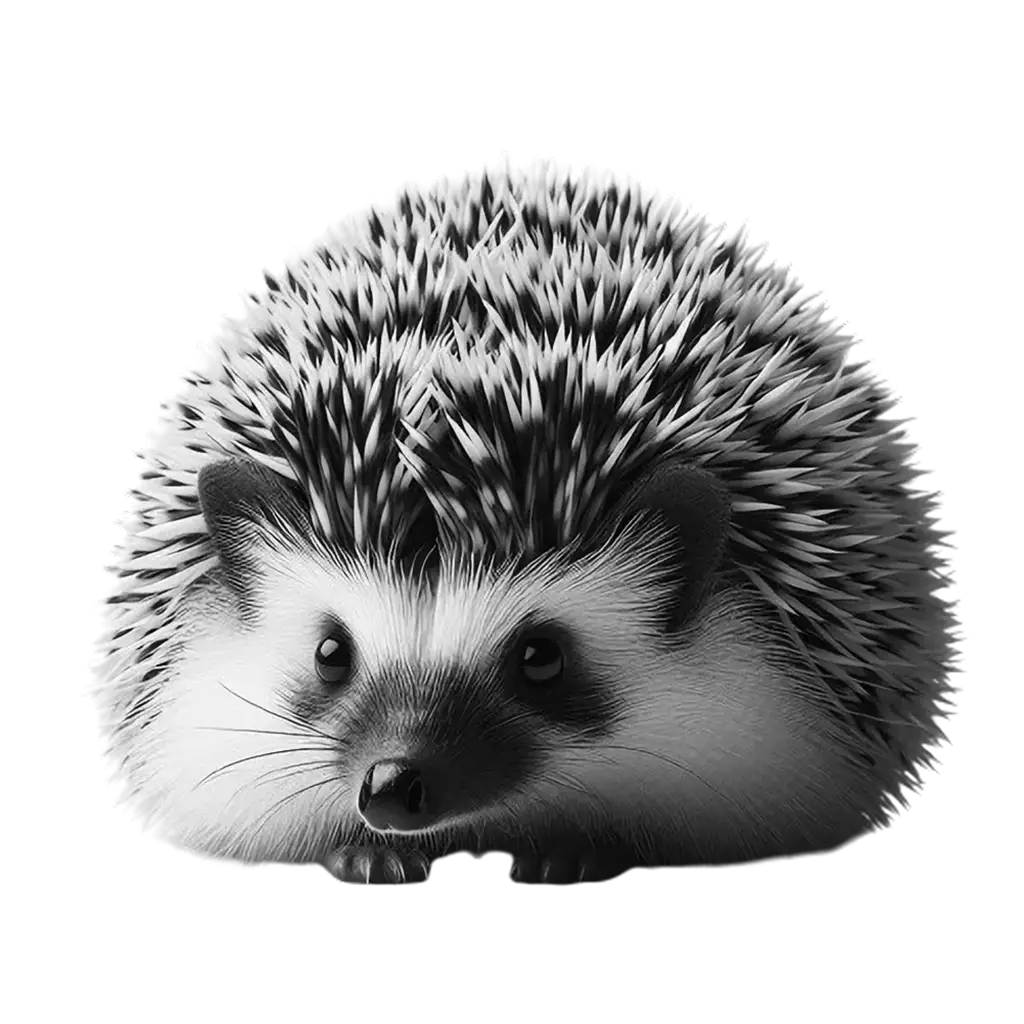
The Four-Toed Hedgehog, atelerix albiventris, is a small, nocturnal mammal native to Central and Eastern Africa. This species is easily distinguishable by its unique feature of having only four toes on each of its rear feet, unlike other hedgehogs which typically have five. Adults measure approximately 15 to 25 centimeters
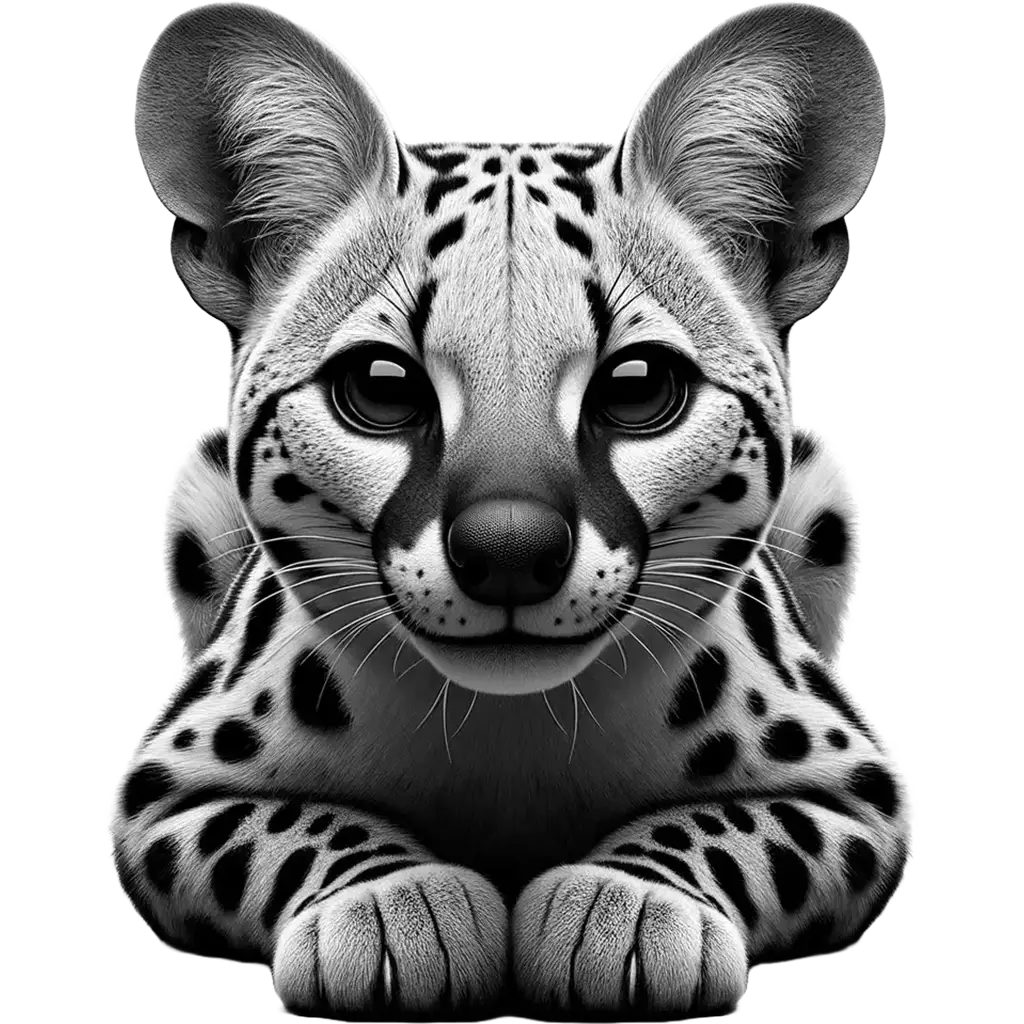
The Common Genet, genetta genetta, is a slender, cat-like mammal, part of the Viverridae family, which also includes civets and mongooses. Characterized by its striking coat pattern, it has a pale, yellowish-grey fur with a series of black stripes running down its back and rows of spots on its sides,
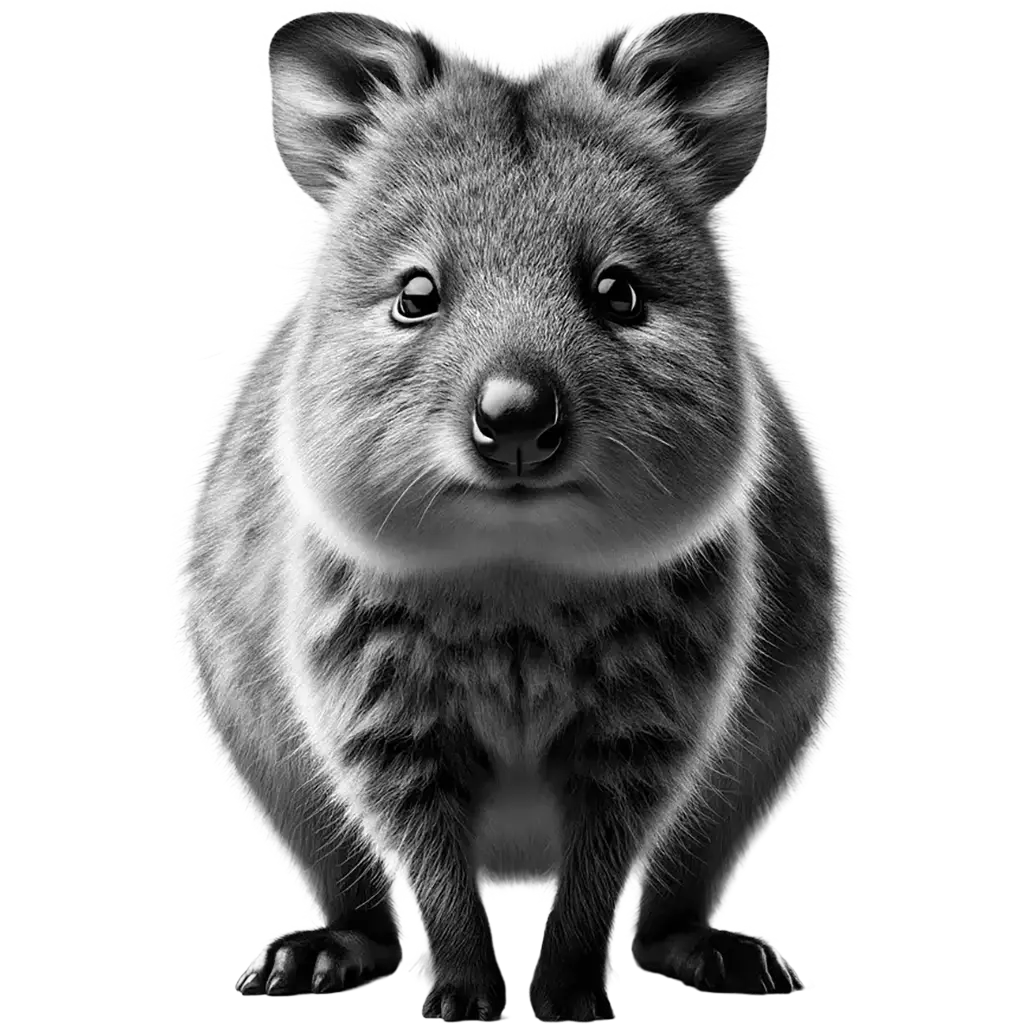
The Quokka, setonix brachyurus, is a small marsupial native to small islands off the coast of Western Australia, most notably Rottnest Island, as well as some areas in the mainland's southwestern part. Recognizable by its compact, rounded body, the Quokka is roughly the size of a domestic cat, with adults
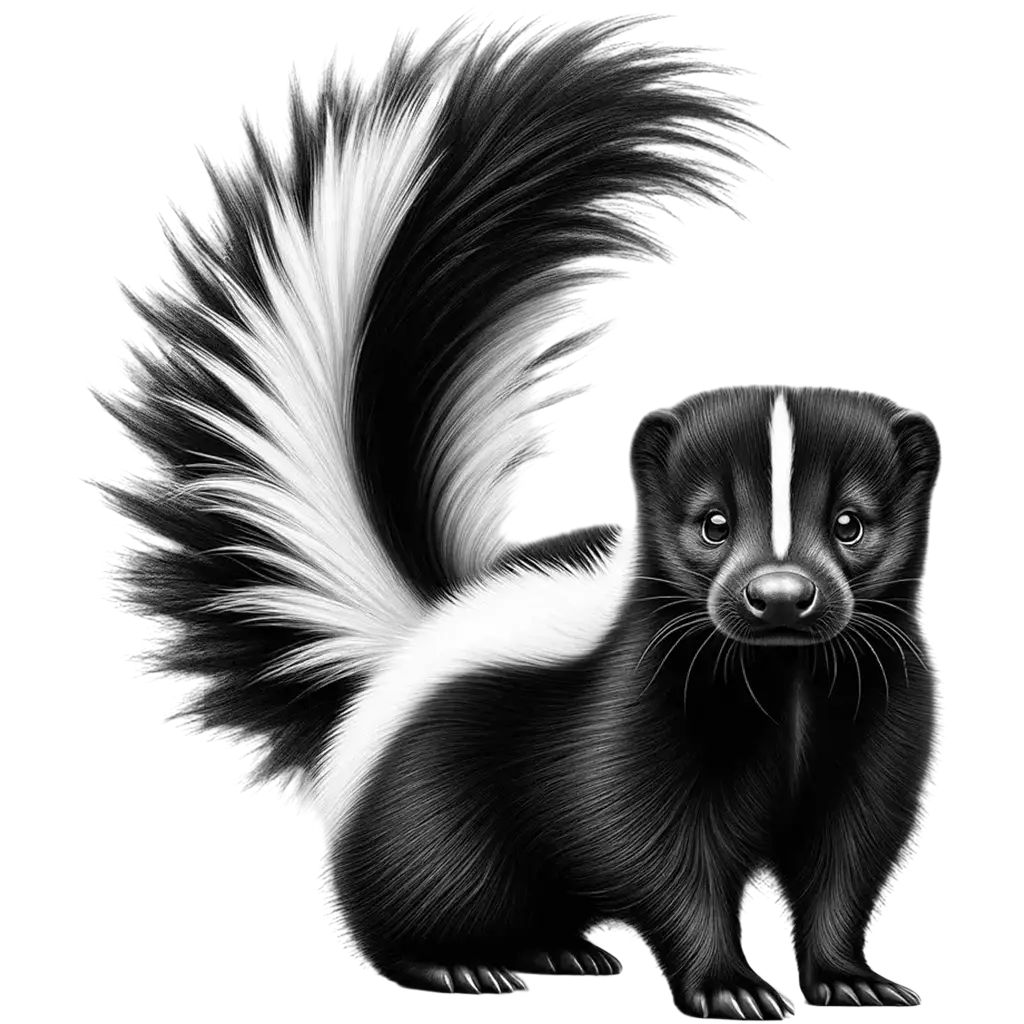
The Striped Skunk, mephitis mephitis, is a small to medium-sized mammal known for its distinctive black and white coloring and its ability to spray a foul-smelling liquid as a defense mechanism. Typically measuring 52 to 77 cm in length, including the tail, and weighing between 1.1 to 6.3 kg, the