

Cercopithecus Mona
Mona Monkey
Tropical rainforests, secondary forests, and plantations
The Mona Monkey, cercopithecus mona, is a vibrant and agile primate native to the forests of West Africa. This medium-sized monkey is known for its distinctive black and white facial pattern, with a white ruff surrounding its neck and a mostly brown body with patches of white and yellow. Adult Mona Monkeys typically weigh between 3 to 5 kg and possess a long, non-prehensile tail that aids in balance while navigating through the treetops. Their expressive eyes and dexterous hands make them adept at foraging and communicating within their social groups.
| Population: | Listed as Least Concern, but facing habitat loss and hunting pressures |
| Generation Length: | 5-6 years |
| Average Weight: | 3-5 kg |
| Average Length: | Head and body: 40-55 cm; Tail: 50-75 cm |
| Lifespan: | Up to 20 years in the wild |
| Diet: | Varied, primarily frugivorous but also consumes insects and other small animals |
| Conservation Status: | Near Threatened (NT) |
Mona Monkeys are highly social animals, living in multi-female groups with a complex social structure. These groups are usually led by a dominant male and can number up to 20 individuals. They are diurnal and arboreal, spending most of their day foraging for food in the trees, though they may descend to the ground in search of water or additional food sources. Their agility and speed are crucial for evading predators and moving through their forested habitats.
The diet of the Mona Monkey is omnivorous, consisting of fruits, leaves, flowers, insects, and occasionally small reptiles and birds. This varied diet reflects their adaptability to different forest environments and the seasonal availability of food resources. Their role as seed dispersers contributes to the health and regeneration of their forest habitats.
Reproduction in the Mona Monkey involves a gestation period of about 5 to 6 months, after which the female gives birth to a single offspring. The young are cared for primarily by their mothers but may also receive attention from other females in the group, a behavior known as alloparenting. This cooperative care strategy enhances the survival rates of the young.
The population of the Mona Monkey is currently considered to be stable, though they face threats from habitat destruction and hunting for bushmeat. Conservation efforts are focused on protecting their natural habitats and regulating hunting practices to ensure the continued survival of this species. The Mona Monkey's adaptability and ecological role make it a key species for the biodiversity of West African forests.
Classifications
The Key Attributes
Features
- Movement:
Climbing, leaping, walking
- Territorial Behavior:
Social, living in groups with complex hierarchies
- Speed:
Quick and agile in tree canopies
- Diet:
Omnivore
- Physical Features:
- Distinctive white ruff around the face
- Greyish-brown to greenish back and tail
- Vivid coloring under the tail
- Slim body with long limbs and tail for arboreal agility
- Primary Senses:
- Sight
- Hearing
- Smell
Understanding Habitat and Range
Geography
- Habitat:
Tropical rainforests, secondary forests, and plantations
- Migration Patterns:
Non-migratory, but may move locally in search of food
- Geographical Range:
Western Africa, from Ghana to Cameroon, including islands like Grenada and Saint Kitts where they have been introduced
- Climate Preferences:
Tropical environments
Navigating the Wilderness
In the wild
- Predators:
Large birds of prey, snakes, and humans
- Prey:
Fruits, insects, and small vertebrates
- Feeding Behavior:
Feeds on a variety of items including fruits, leaves, insects, and small animals
- Diet:
Varied, primarily frugivorous but also consumes insects and other small animals
- Defensive Mechanisms:
- Living in groups for protection
- Agility in trees to escape predators
- Warning calls to alert group members of danger
- Preferred Food Sources:
- Areas with abundant fruit trees and secondary vegetation
Insights Into Reproduction
Mating
- Mating System:
Polygynous
- Number of Offspring:
Typically one, occasionally two
- Gestation Period:
About 5-6 months
- Parental Involvement:
- Females care for the young, with some assistance from other group members
Youngsters Section
Mona Monkey
Fun Fact
Mona monkeys have distinctive facial markings and are known for their expressive faces.
These monkeys primarily inhabit West Africa's tropical forests. They are social animals, often living in groups. Mona monkeys communicate using a variety of sounds and gestures. Their diet mainly consists of fruits, leaves, and insects, making them important seed dispersers in their ecosystem.

Download word search puzzles
Word Search Puzzles


Check Out Other Mammals

The Short-Beaked Echidna, tachyglossus aculeatus, is one of the most distinctive and ancient mammals native to Australia, including Tasmania, and parts of New Guinea. Characterized by its spiny coat, short legs, and elongated snout, the echidna is an iconic example of a monotreme, or egg-laying mammal. Adults can weigh between
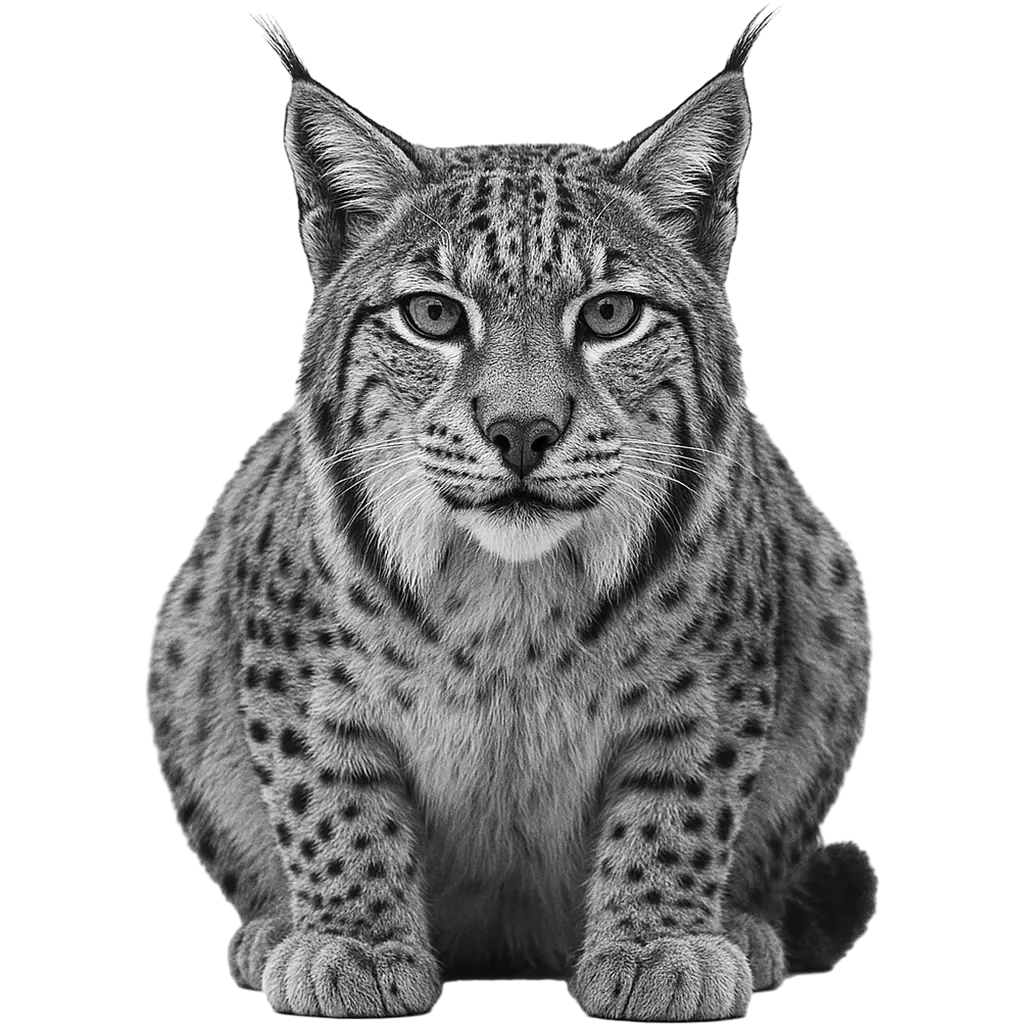
The Iberian Lynx is a medium-sized wildcat standing roughly 60 centimeters at the shoulder and measuring between 85 and 110 centimeters in body length, excluding a short 12 to 30 centimeter tail. Its dense, spotted tawny coat provides effective camouflage in scrubland, with larger spots on the back and smaller
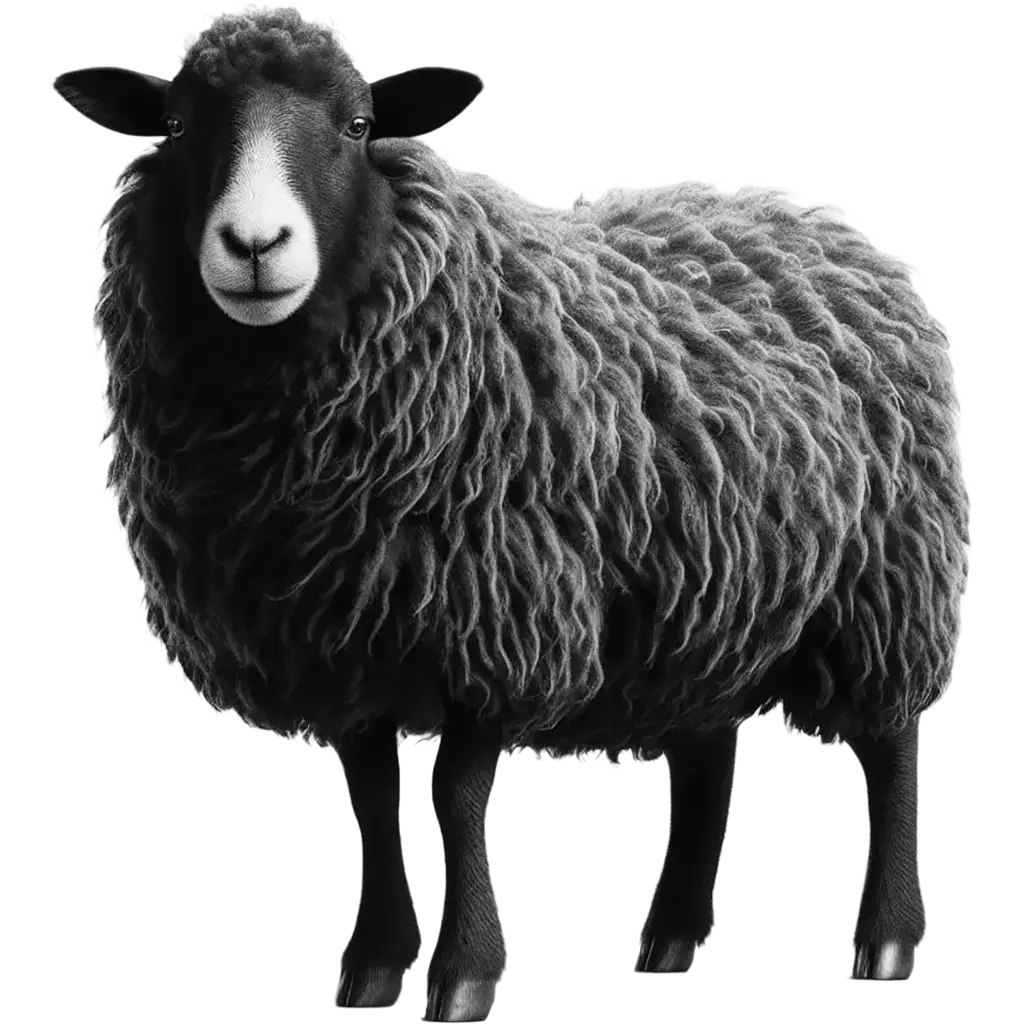
The Leicester Longwool, also known as the English leicester, is a historic breed of sheep renowned for its long, lustrous wool and its significant impact on the wool industry. Originating from Leicestershire, England, in the 18th century, this breed was developed by the pioneering breeder Robert Bakewell during the British

The Azawakh, a sighthound breed originating from the West African countries of Mali, Niger, and Burkina Faso, is distinguished by its elegant and slender build. Adult Azawakhs typically stand between 60 to 74 cm tall at the shoulder, weighing around 15 to 25 kg. Their physique is characterized by a