
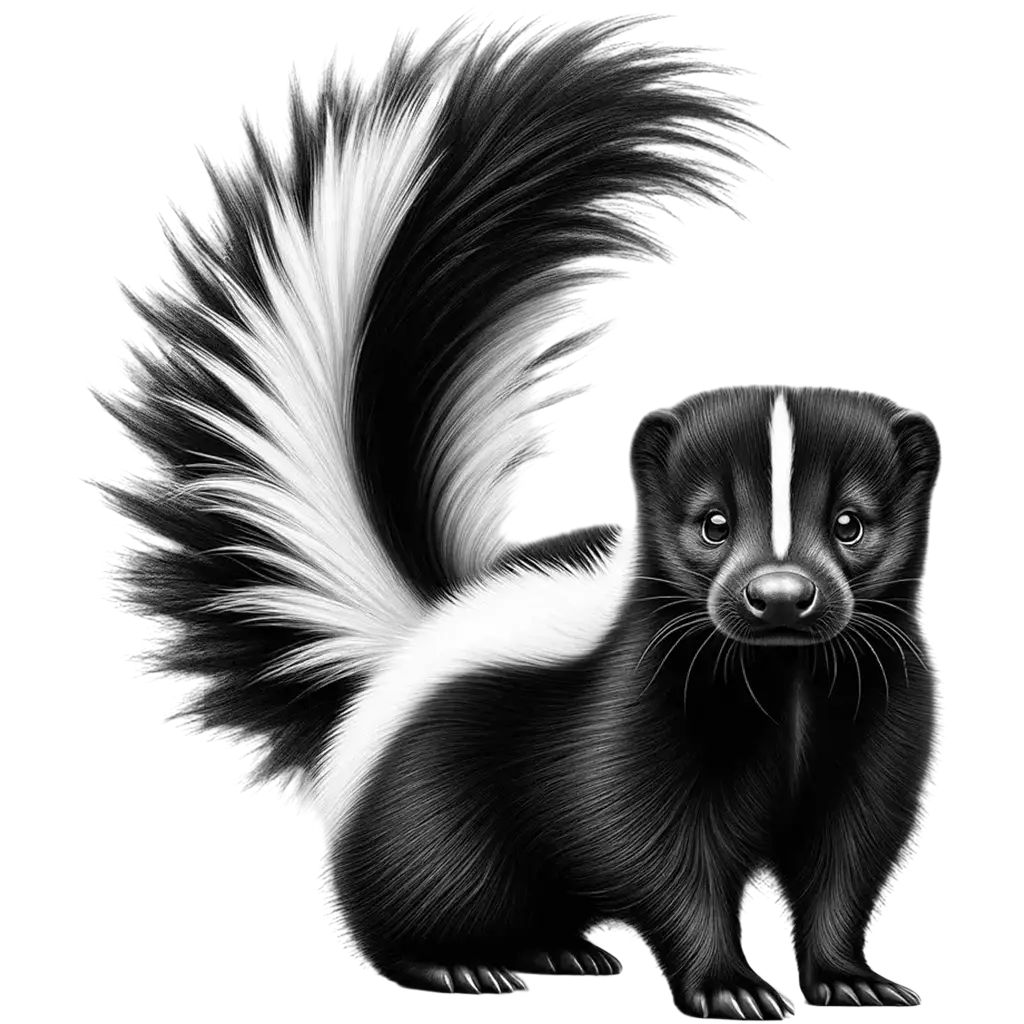
Mephitis Mephitis
Striped Skunk
Diverse, including forests, grasslands, and urban areas
The Striped Skunk, mephitis mephitis, is a small to medium-sized mammal known for its distinctive black and white coloring and its ability to spray a foul-smelling liquid as a defense mechanism. Typically measuring 52 to 77 cm in length, including the tail, and weighing between 1.1 to 6.3 kg, the Striped Skunk has a robust, yet agile body with short, powerful legs. Two broad white stripes run from the head down the back and tail, set against jet-black fur, making it unmistakable in its appearance. The skunk's small head and large, bright eyes add to its characteristic look.
| Population: | Listed as Least Concern, with stable and widespread populations |
| Generation Length: | 3 years |
| Average Weight: | 1.5-4.5 kg |
| Average Length: | 50-80 cm, including the tail |
| Lifespan: | 3-7 years in the wild |
| Diet: | Primarily insects and small mammals, plus fruits, plants, and garbage in urban areas |
| Conservation Status: | Least Concern (LC) |
Native to North America, the Striped Skunk inhabits a wide range of environments from southern Canada to northern Mexico, including forests, grasslands, and suburban areas. This adaptability has allowed it to thrive in close proximity to human populations. Skunks are primarily nocturnal, foraging at night for a variety of foods. They are solitary animals, except during the breeding season or when a mother is raising her young.
The diet of the Striped Skunk is omnivorous and varied, including insects, small mammals, birds, eggs, fruits, and plants. This diverse diet helps control insect and rodent populations, highlighting the skunk's role in ecosystem balance. Their ability to eat harmful pests makes them beneficial to farmers, despite the skunk's notorious reputation.
Reproduction for the Striped Skunk occurs once a year, with mating taking place in late winter or early spring. After a gestation period of about 62 to 66 days, the female gives birth to a litter of 4 to 7 kits. The young are born blind and defenseless, relying on their mother for care and protection. The kits learn to spray their noxious scent by the time they are several weeks old, a critical survival skill.
The population of the Striped Skunk is considered stable, with no significant threats at a species level. However, they are often viewed as nuisances due to their odor and potential as rabies carriers. Conservation efforts are not specifically targeted towards skunks but include habitat protection and measures to reduce human-wildlife conflicts. Understanding and tolerance of the skunk's ecological role can help mitigate negative perceptions of this misunderstood creature.
Classifications
The Key Attributes
Features
- Movement:
Walking, trotting
- Territorial Behavior:
Solitary, except during mating season
- Speed:
Not known for speed; relies on its chemical defense
- Diet:
Omnivore
- Physical Features:
- Small to medium size with a bushy tail
- Black fur with one or two white stripes that run from head to tail
- Small head with sharp teeth
- Specialized anal scent glands for defense
- Primary Senses:
- Smell
- Hearing
- Sight
Understanding Habitat and Range
Geography
- Habitat:
Diverse, including forests, grasslands, and urban areas
- Migration Patterns:
Non-migratory, but may travel locally in search of food
- Geographical Range:
Throughout the United States, Canada, and northern Mexico
- Climate Preferences:
Adaptable to various climates, from temperate to arid environments
Navigating the Wilderness
In the wild
- Predators:
Owls, coyotes, bobcats, and domestic dogs
- Prey:
Insects, rodents, small birds, eggs, and plant material
- Feeding Behavior:
Feeds on a variety of foods including insects, small mammals, birds, eggs, fruits, and garbage in urban areas
- Diet:
Primarily insects and small mammals, plus fruits, plants, and garbage in urban areas
- Defensive Mechanisms:
- Spraying a potent, foul-smelling liquid from its anal glands
- Displaying warning coloration and posturing to deter predators
- Preferred Food Sources:
- Areas with abundant insect and rodent populations
Insights Into Reproduction
Mating
- Mating System:
Polygynous
- Number of Offspring:
4-7 kits
- Gestation Period:
About 2-3 months
- Parental Involvement:
- Females rear the young alone, providing food and teaching survival skills
Youngsters Section
Striped Skunk
Fun Fact
Striped skunks have a highly developed sense of smell and hearing, but poor eyesight.
These nocturnal creatures are famous for their defensive spray, which can reach up to 10 feet. The odor is so potent that it can be detected by humans from a mile away. Before spraying, skunks often give a warning by stamping their feet and arching their tail.

Download word search puzzles
Word Search Puzzles


Check Out Other Mammals
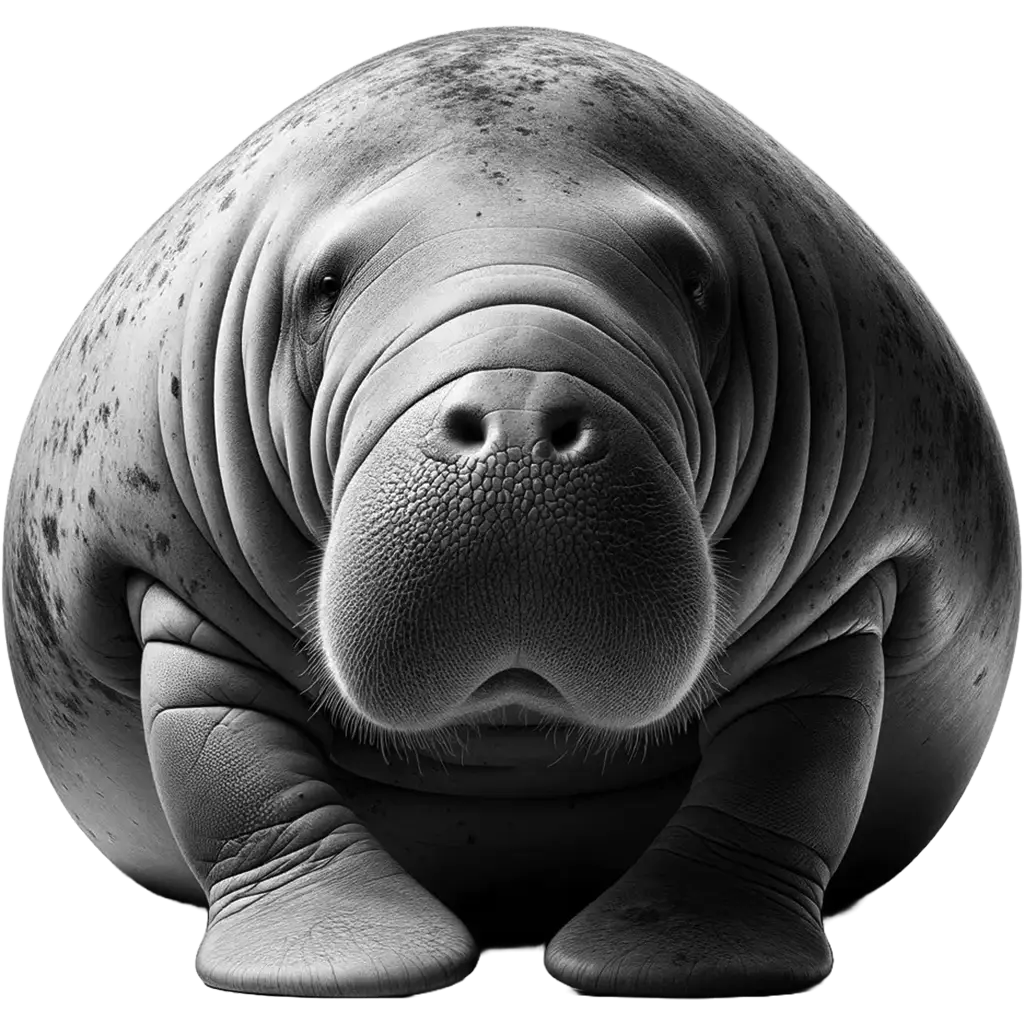
The African Manatee, trichechus senegalensis, is a gentle aquatic mammal found in the waterways of West Africa, from Senegal to Angola. This species, one of the least studied of all manatees, has a robust, streamlined body that can reach lengths of up to 4.5 meters and weigh as much as
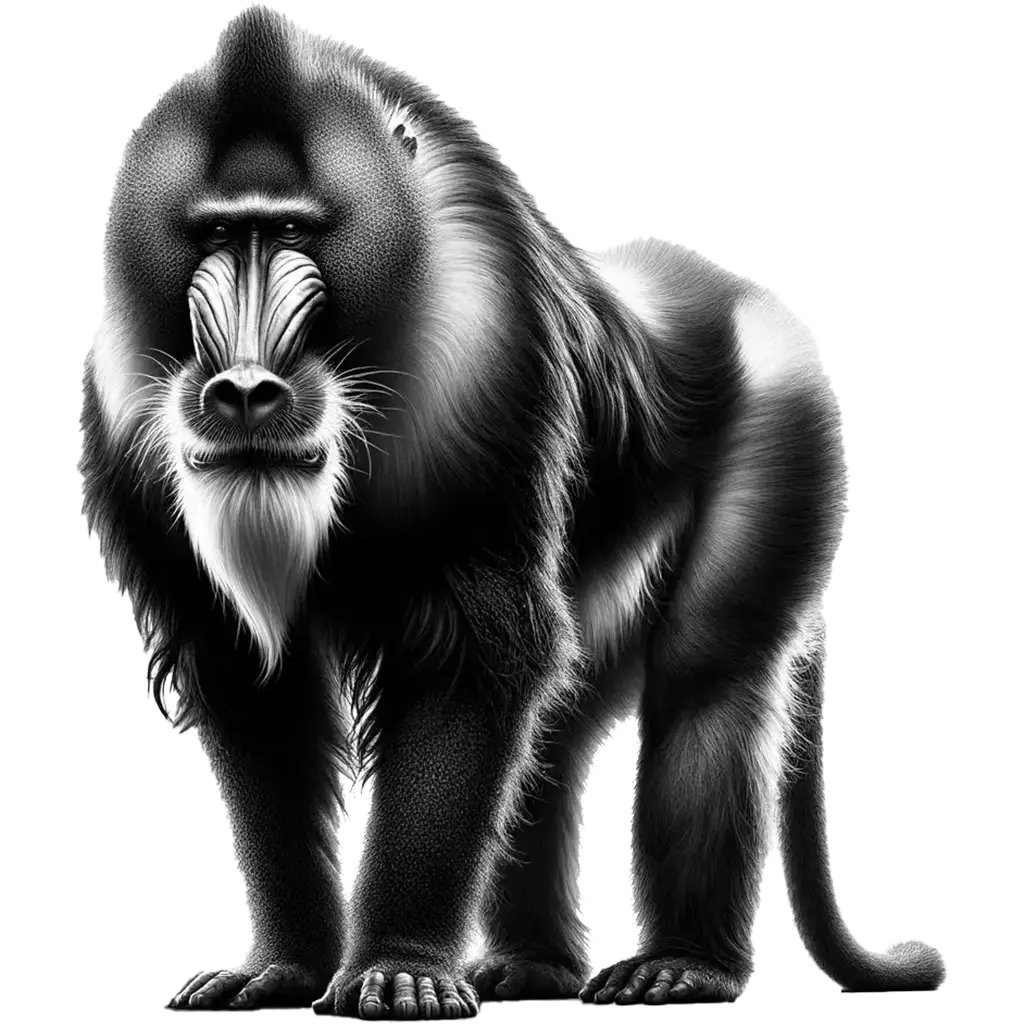
The Mandrill, Mandrillus sphinx, is a large and colorful primate, recognized as one of the most striking of all monkeys. Adult males are particularly notable for their vibrant blue and red facial coloration and a yellow beard, standing out against their primarily olive green or dark grey fur. They boast
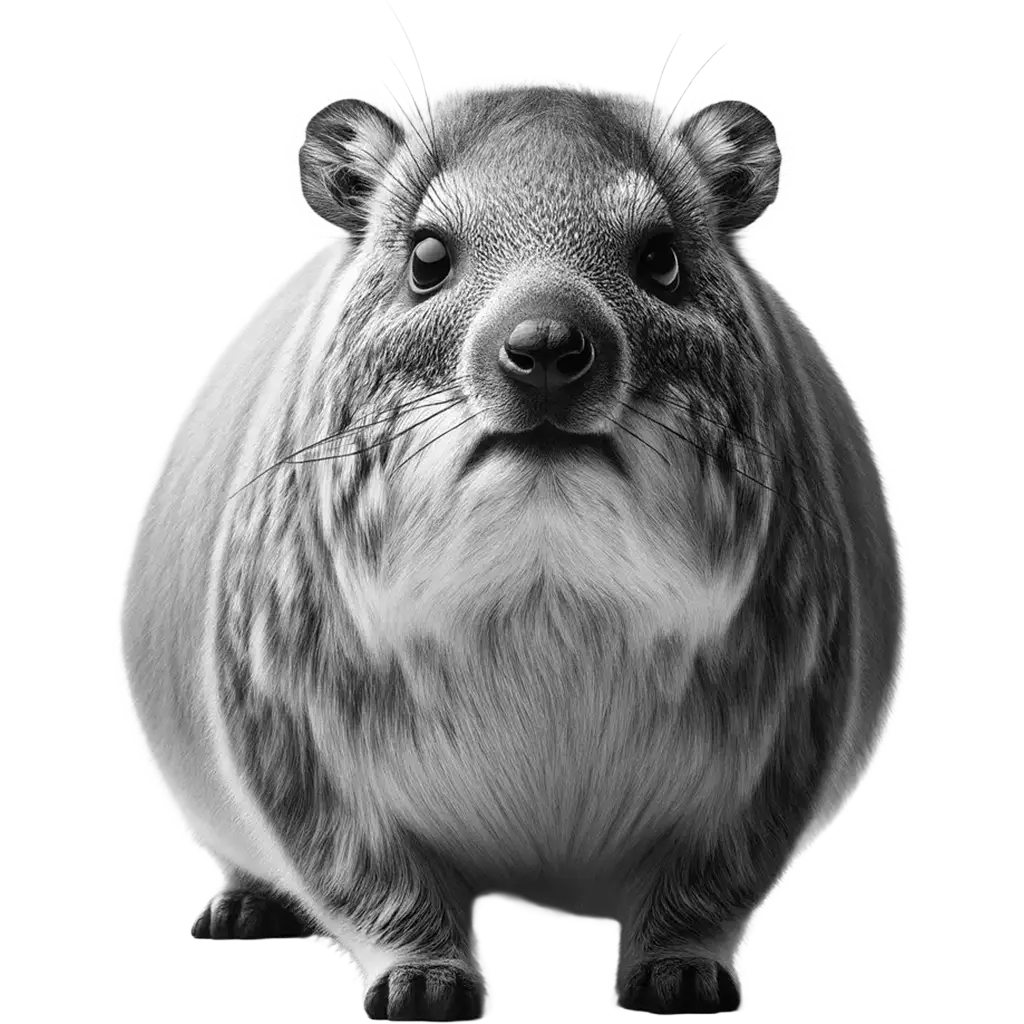
The Western Tree Hyrax, dendrohyrax dorsalis, is a lesser-known mammal native to the forests of Western and Central Africa. This creature is characterized by its thick, coarse fur, which ranges in color from dark brown to gray, and a distinctive dorsal spot that is lighter in color. Adult tree hyraxes
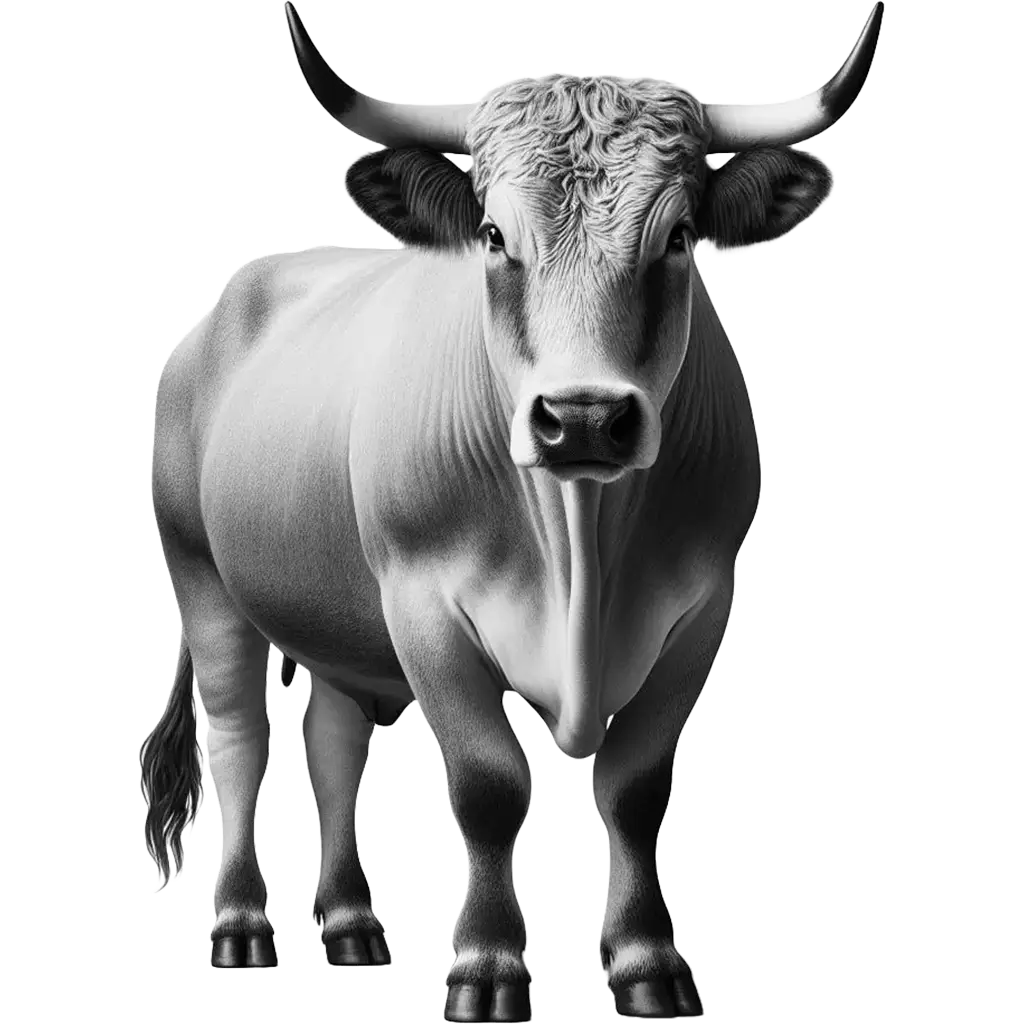
The Hungarian Grey, also known as the Hungarian steppe cattle, is a majestic breed of domestic cattle renowned for its striking appearance and hardy nature. Characterized by its uniform grey coat, which can range from a light silver to a darker ash grey, this breed presents an imposing figure. Adult