
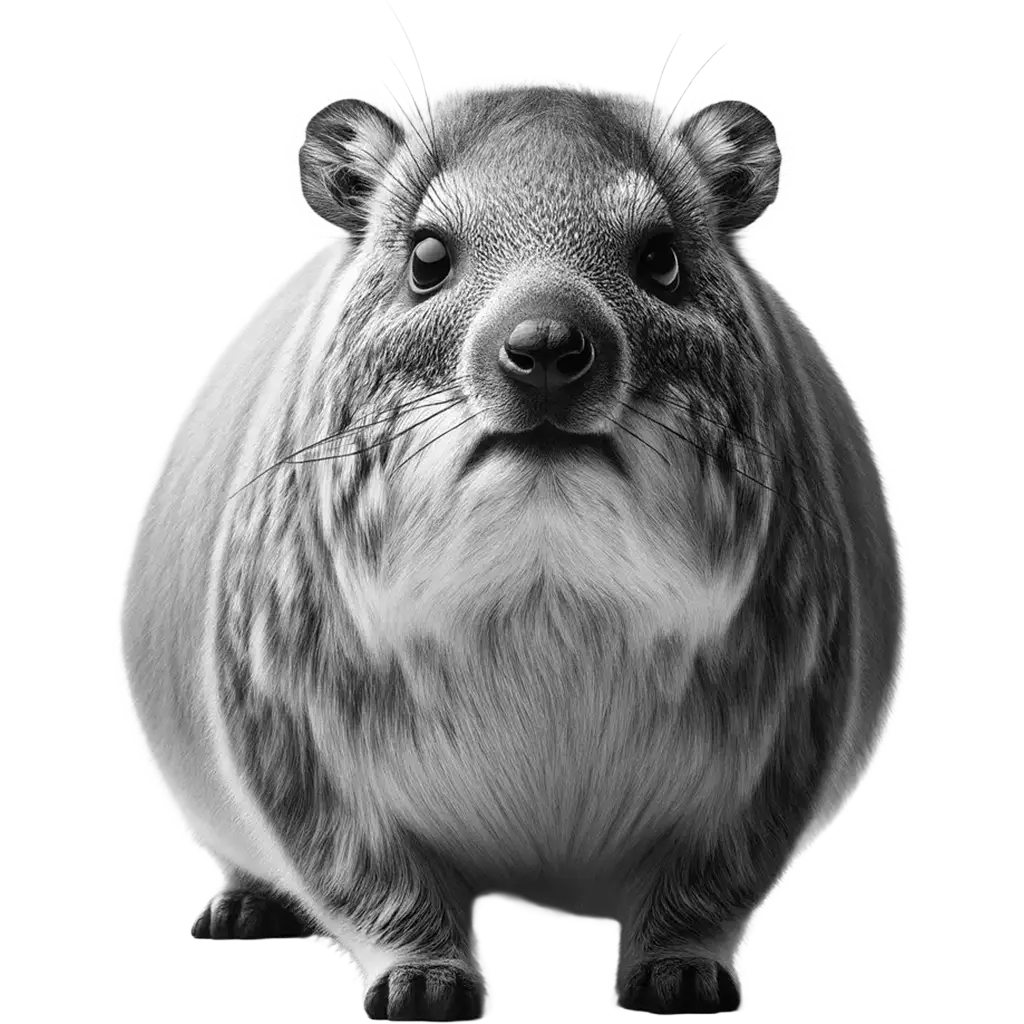
Dendrohyrax Dorsalis
Western Tree Hyrax
Dense forests and woodland areas, often found in trees
The Western Tree Hyrax, dendrohyrax dorsalis, is a lesser-known mammal native to the forests of Western and Central Africa. This creature is characterized by its thick, coarse fur, which ranges in color from dark brown to gray, and a distinctive dorsal spot that is lighter in color. Adult tree hyraxes are relatively small, with body lengths averaging between 30 to 70 cm and weights around 2 to 4 kg. Despite their modest size, they possess robust bodies and strong limbs, with sharp claws that are adept for climbing trees, their primary habitat.
| Population: | Considered stable in suitable habitats but not extensively studied |
| Generation Length: | 3-4 years |
| Average Weight: | 2-3 kg |
| Average Length: | 45-60 cm, including tail |
| Lifespan: | Up to 10 years in the wild |
| Diet: | Mainly leaves and fruits |
| Conservation Status: | Least Concern (LC) |
Western Tree Hyraxes are nocturnal and solitary animals, spending the day hidden in tree hollows or dense foliage to avoid predators. At night, they emerge to feed and communicate with their unique, loud calls that can carry for kilometers. Their lifestyle is adapted to arboreal living, with movements that are more deliberate and less agile than those of smaller rodents, reflecting their evolutionary adaptations to a life spent predominantly off the ground.
The diet of the Western Tree Hyrax primarily consists of leaves, fruits, bark, and shoots, making them herbivorous. Their feeding habits contribute to the dispersal of seeds and the maintenance of forest ecosystems. Despite their small size, tree hyraxes have a relatively long digestive tract that allows them to ferment and extract nutrients from tough plant materials, a common trait among herbivores.
Reproduction in the Western Tree Hyrax is not as well documented as in other mammals, but it is known that they can breed throughout the year, with a gestation period lasting about seven months. Females typically give birth to one or two young at a time, which are relatively well-developed and can climb within hours of birth, an adaptation to their arboreal lifestyle.
The population status of the Western Tree Hyrax is currently considered stable in parts of its range, but it faces threats from habitat destruction due to logging, agriculture, and urban expansion. Conservation efforts are essential to preserve their natural habitats and ensure the survival of this species. Their unique ecological role and contribution to the biodiversity of African forests underscore the importance of protecting them and their environment.
Classifications
The Key Attributes
Features
- Movement:
Climbing and leaping
- Territorial Behavior:
Somewhat territorial; lives in small family groups or as solitary individuals
- Speed:
Not specifically quantified; adept at moving through trees
- Diet:
Herbivore
- Physical Features:
- Stout body with dense fur
- Short legs with rubbery pads on feet to aid in climbing
- No external tail
- Distinctive dorsal gland covered by white or yellowish hair
- Large eyes and ears for nocturnal lifestyle
- Primary Senses:
- Hearing
- Sight
- Smell
Understanding Habitat and Range
Geography
- Habitat:
Dense forests and woodland areas, often found in trees
- Migration Patterns:
Non-migratory
- Geographical Range:
Widely distributed across Sub-Saharan Africa, from Senegal and Ethiopia south to Angola and Tanzania
- Climate Preferences:
Prefers humid, forested environments
Navigating the Wilderness
In the wild
- Predators:
Large birds of prey, snakes, and leopards
- Prey:
Not applicable
- Feeding Behavior:
Feeds on leaves, fruits, and occasionally bark and small branches
- Diet:
Mainly leaves and fruits
- Defensive Mechanisms:
- Staying motionless to avoid detection
- Loud vocalizations to startle predators and communicate with conspecifics
- Agile movement in trees to escape
- Preferred Food Sources:
- Tree leaves
- Fruits
- Bark
Insights Into Reproduction
Mating
- Mating System:
Polygynous
- Number of Offspring:
1-2 young
- Gestation Period:
7-8 months
- Parental Involvement:
- Females provide all care, nursing and protecting the young until they are independent
Youngsters Section
Western Tree Hyrax
Fun Fact
The Western Tree Hyrax is a nocturnal mammal found in the forests of West and Central Africa.
Despite resembling a rodent, it is a distant relative of elephants. It communicates using loud, distinctive calls. These calls are thought to play a role in territorial defense and mating. The hyrax spends most of its time in trees, feeding on leaves and fruit.

Download word search puzzles
Word Search Puzzles


Check Out Other Mammals
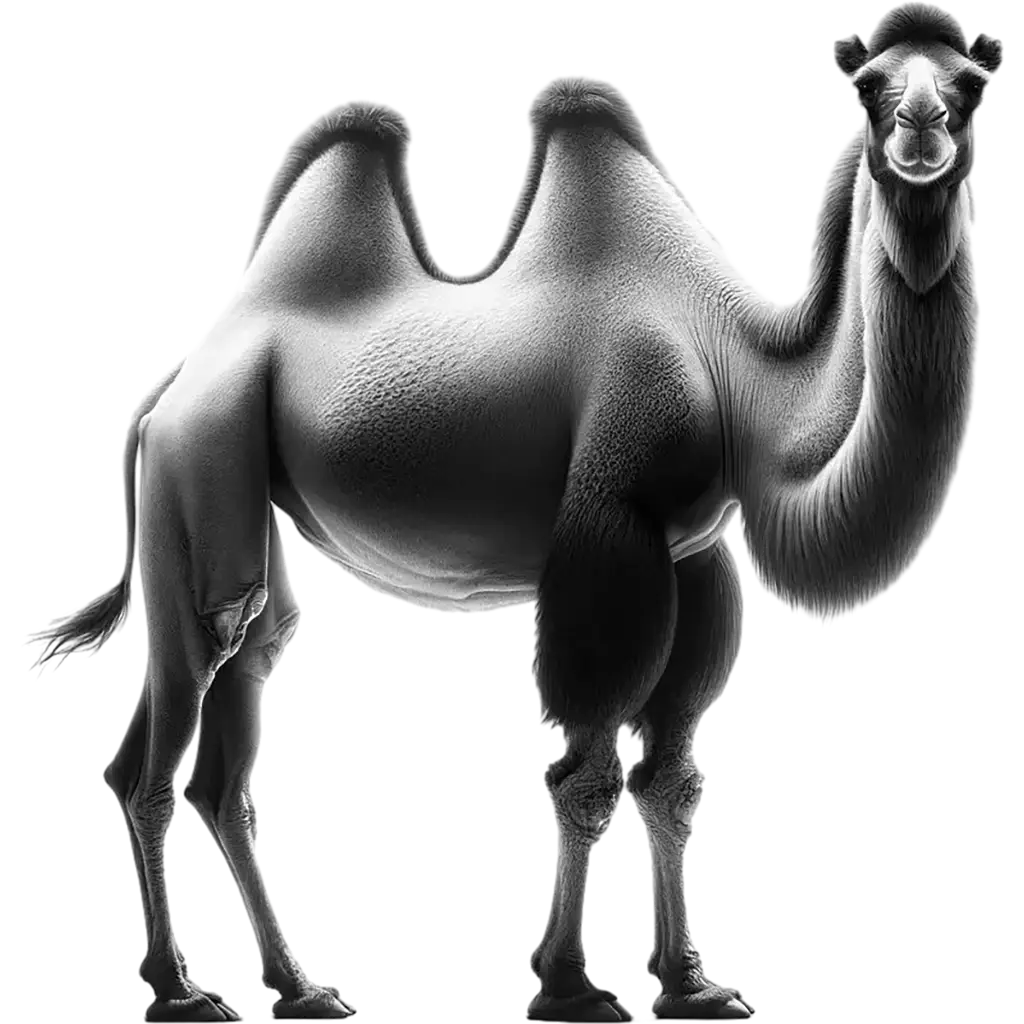
The Bactrian Camel, camelus bactrianus, is a large, even-toed ungulate native to the steppes of Central Asia. Distinguished by its two humps, in contrast to the single-humped dromedary camel, Bactrian Camels are well adapted to life in harsh desert and mountainous environments. Adults can weigh between 300 to 1,000 kg
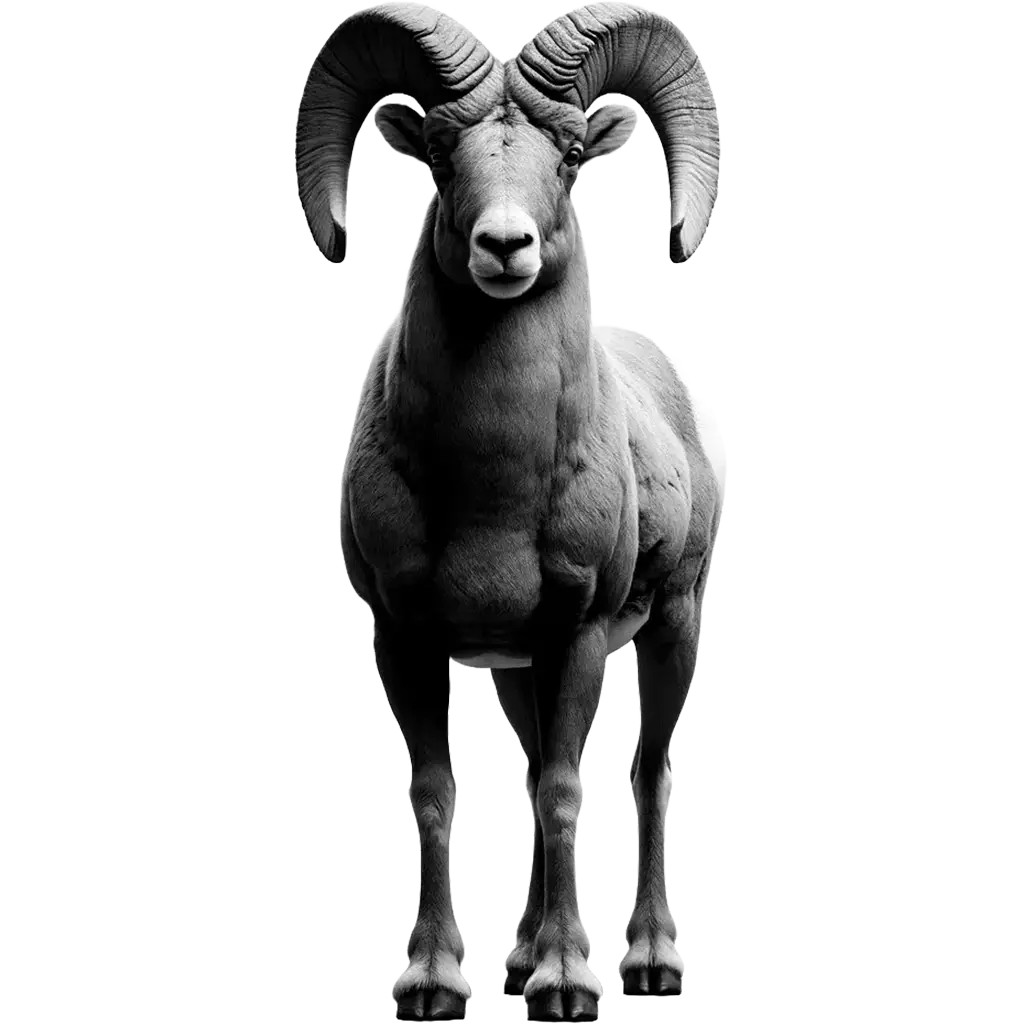
The Bighorn Sheep, Ovis canadensis, is a symbol of the rugged mountain ranges of North America, from Canada's cold northern regions down through the western United States and into Mexico's desert landscapes. Distinguished by their large, curved horns, which can weigh up to 14 kilograms in males, Bighorn Sheep exhibit
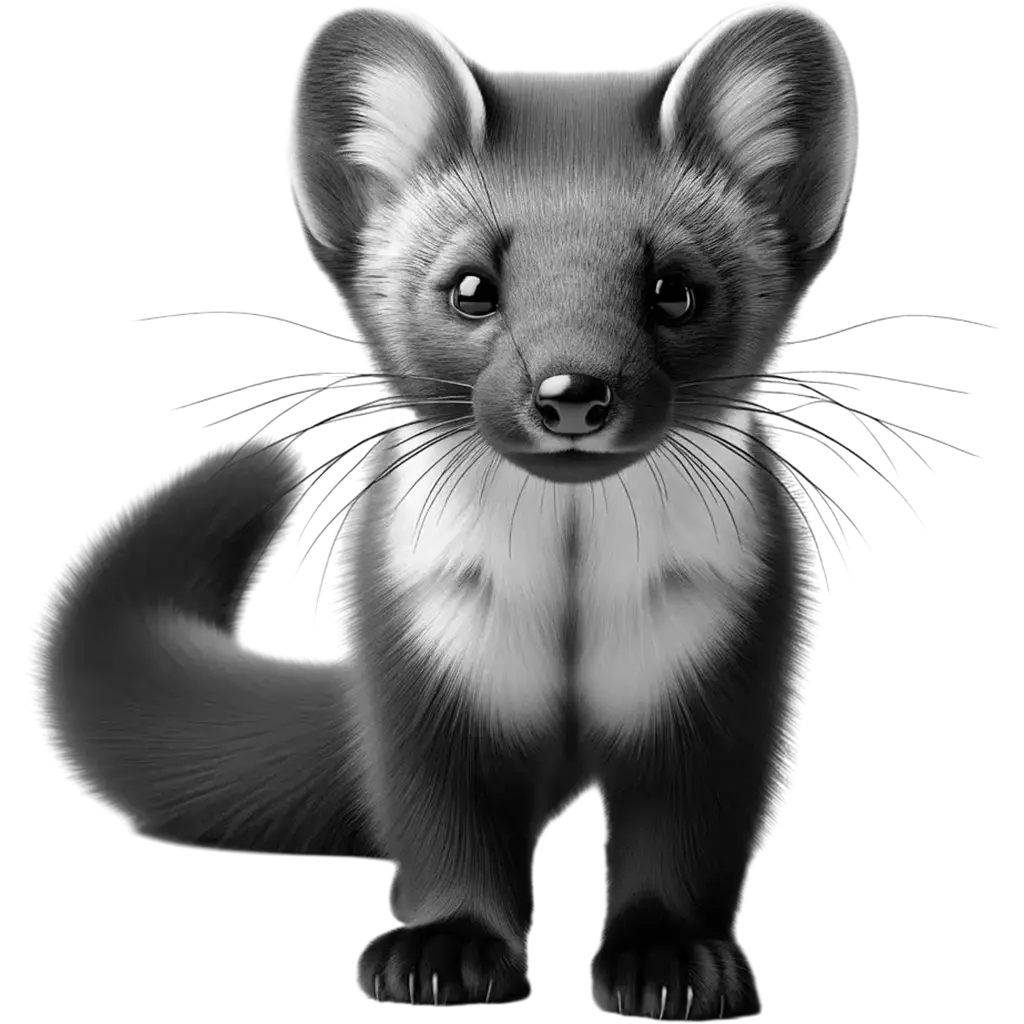
The European Pine Marten, martes martes, is a medium-sized carnivore distinguished by its slender body, bushy tail, and luxurious fur. This species has a rich brown coat with a distinctive creamy-yellow bib on its throat, extending down its chest. Adult pine martens have a body length ranging from 45 to

The Golden Jackal, canis aureus, is a highly adaptable and versatile canid species native to North and East Africa, Southeastern Europe, and South Asia, extending through the Middle East to Southeast Asia. Characterized by its golden, yellowish-brown fur, the Golden Jackal is of medium size, typically weighing between 7 to