

Mellivora Capensis
Honey Badger
A wide range of habitats, including savannas, forests, deserts, and mountains
The Honey Badger, mellivora capensis, is renowned for its robust and fearless nature, often cited as one of the most formidable animals in its habitat. Its body is relatively small but powerfully built, ranging from 55 to 77 cm in length, with a distinctive broad and thick-set torso, short legs, and sharp claws. The most striking feature of its appearance is the stark contrast between its black underparts and the grayish-white back that extends from the top of its head down to its tail, providing an effective camouflage in the wild. This tough skin is also remarkably loose, allowing it to twist and turn within it when attacked.
| Population: | Widespread with stable populations; not currently considered threatened |
| Generation Length: | 6 years |
| Average Weight: | 8-14 kg |
| Average Length: | 55-77 cm, with a tail of 12-30 cm |
| Lifespan: | 7-8 years in the wild, up to 24 years in captivity |
| Diet: | Highly varied diet, known for its ability to raid beehives for honey |
| Conservation Status: | Least Concern (LC) |
Honey Badgers have a reputation for being solitary and highly aggressive, with few natural predators due to their tough skin, sharp teeth, and ferocious defensive abilities. They are primarily nocturnal but may be active during the day in undisturbed areas. Their lifestyle is adapted to a wide range of habitats, from dense forests to deserts, thanks to their incredible digging abilities, allowing them to create burrows for resting and escaping from danger. Despite their name, Honey Badgers are opportunistic eaters, with a diet that is not limited to honey.
Their diet is remarkably varied, including honey, fruits, insects, and small mammals. Honey Badgers are known for their intelligence, such as using tools like sticks to extract honey or larvae from hives and burrows. They are also capable predators, able to hunt and kill animals much larger than themselves, including venomous snakes. Their metabolism is fast, requiring them to eat a significant amount of food daily to support their energetic lifestyle.
Mating in Honey Badgers is less understood but is believed to occur year-round. Females are solitary except when raising their young. The gestation period can vary greatly due to delayed implantation, with cubs born in a secluded burrow. The mother is solely responsible for the upbringing of usually one to two cubs, teaching them to hunt and survive in the wild from a young age.
The population status of the Honey Badger is considered of Least Concern by the IUCN, though it faces threats from human encroachment, hunting, and habitat destruction. Their resilience and wide distribution have helped maintain population levels, but local declines could signify broader ecological issues, making their monitoring important for conservation efforts.
Classifications
The Key Attributes
Features
- Movement:
Quadrupedal walking and running
- Territorial Behavior:
Solitary, except during mating season or when females are with young
- Speed:
Capable of quick bursts of speed
- Diet:
Omnivore
- Physical Features:
- Thick skin and coarse hair with a distinctive black and white coloring
- Strong, powerful jaws capable of breaking bones
- Long, sharp claws for digging
- Primary Senses:
- Smell
- Sight
- Hearing
Understanding Habitat and Range
Geography
- Habitat:
A wide range of habitats, including savannas, forests, deserts, and mountains
- Migration Patterns:
Non-migratory, but individuals have large home ranges
- Geographical Range:
Sub-Saharan Africa, the Arabian Desert, and parts of South and Southwest Asia
- Climate Preferences:
Adaptable to various climates
Navigating the Wilderness
In the wild
- Predators:
Few natural predators due to its tough skin and ferocious defensive abilities; young may be at risk from larger predators
- Prey:
Insects, small mammals, birds, reptiles, amphibians, fruits
- Feeding Behavior:
Feeds on a variety of food sources including honey, bee larvae, insects, frogs, turtles, birds, small mammals, and fruits
- Diet:
Highly varied diet, known for its ability to raid beehives for honey
- Defensive Mechanisms:
- Thick skin resistant to stings, bites, and cuts
- Strong, aggressive defense when threatened
- Ability to use its claws and teeth effectively against predators
- Preferred Food Sources:
- Honey and bee larvae
- A wide range of animal prey
- Certain fruits
Insights Into Reproduction
Mating
- Mating System:
Polygynous
- Number of Offspring:
1-2 cubs
- Gestation Period:
6 months
- Parental Involvement:
- Females rear the young alone, providing food and protection
Youngsters Section
Honey Badger
Fun Fact
Honey badgers are known for their fearlessness and resilience, often taking on larger predators.
They possess thick skin, allowing them to withstand bee stings, snake bites, and attacks from other animals. Their intelligence and problem-solving skills are remarkable, enabling them to escape enclosures and access food. Honey badgers use tools and cooperate with other species, such as honeyguides, to locate food.

Download word search puzzles
Word Search Puzzles


Check Out Other Mammals
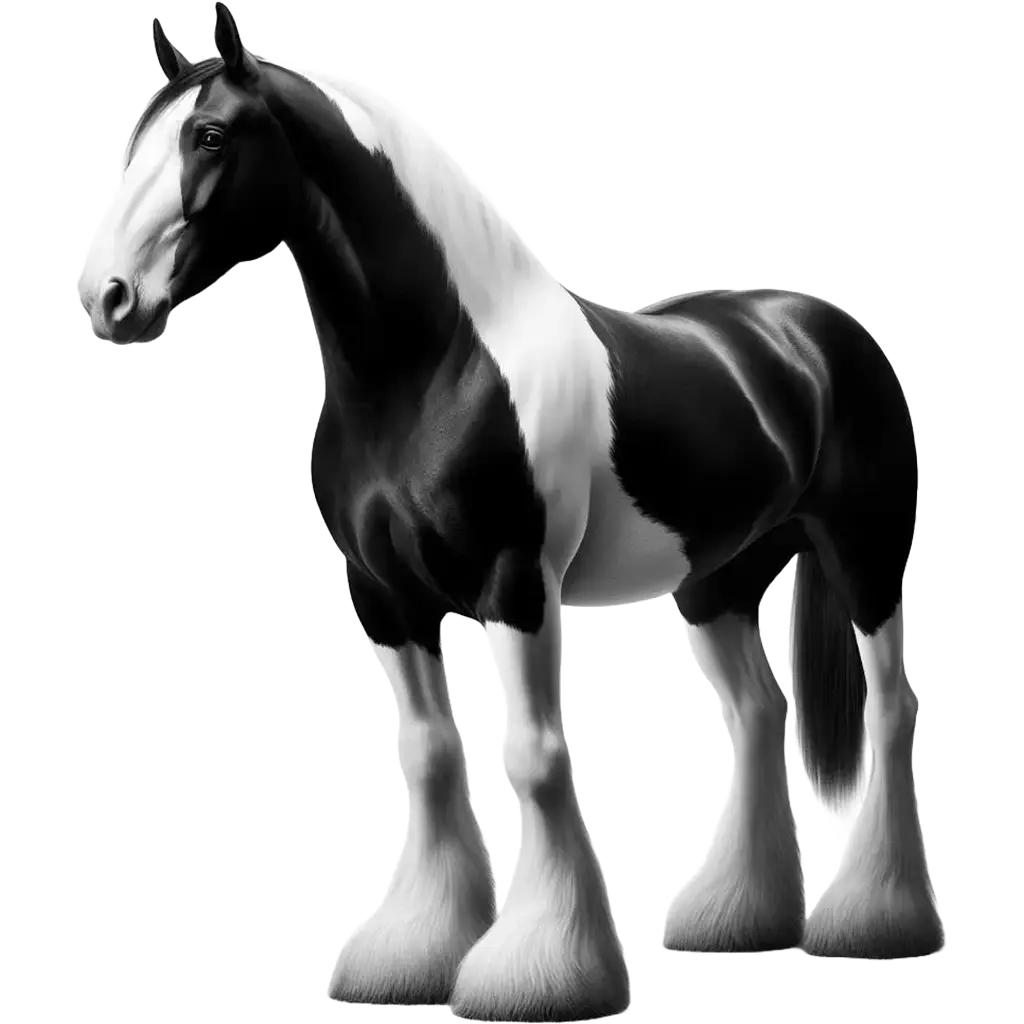
The Horse, equus ferus caballus, is a domesticated mammal that has been a close companion to humans for thousands of years, serving as a means of transport, a work animal, and a partner in recreation and sports. Horses vary widely in size, build, and coat color, with more than 300
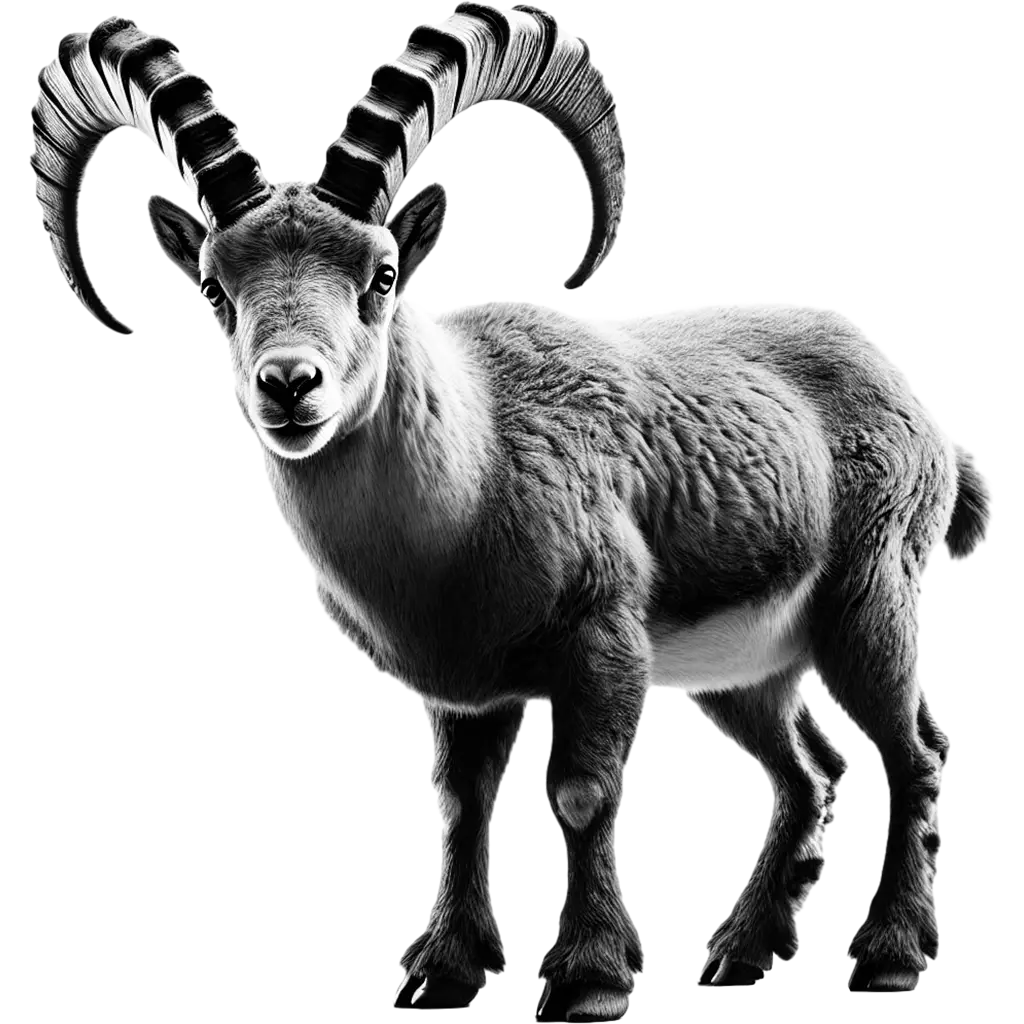
The Pyrenean Ibex was a subspecies of the Spanish Ibex that once roamed the rugged mountains of the Pyrenees. Males had large, curved horns with ridges along their length, while females had shorter, less pronounced horns. Their thick, brownish-gray coat provided insulation against cold mountain climates, and their strong, agile

The Sea Otter is a marine mammal known for its dense fur, which is the thickest of any animal, with up to a million hairs per square inch. This fur provides essential insulation, as they lack blubber like other marine mammals. They are highly adapted to aquatic life, with webbed

The European Mole, talpa europaea, is a small, burrowing mammal native to a wide range of environments across Europe. Characterized by its velvety black fur, the European Mole has a cylindrical body, a pointed snout, and powerful, shovel-like front limbs adapted for digging. Adults typically measure about 11 to 16