

Talpa Europaea
European Mole
Woodlands, grasslands, farmlands, and gardens with soft, moist soil
The European Mole, talpa europaea, is a small, burrowing mammal native to a wide range of environments across Europe. Characterized by its velvety black fur, the European Mole has a cylindrical body, a pointed snout, and powerful, shovel-like front limbs adapted for digging. Adults typically measure about 11 to 16 cm in length, with a short, barely visible tail. Their eyes are small and often concealed by fur, and they have no external ears, traits that reflect their subterranean lifestyle. Despite their limited vision, moles have an acute sense of touch and hearing, which they rely on to navigate and hunt within their tunnel systems.
| Population: | Listed as Least Concern, with stable populations across its range |
| Generation Length: | 1-2 years |
| Average Weight: | 70-130 grams |
| Average Length: | 11-16 cm in body length, with a short tail of 2-4 cm |
| Lifespan: | 3-5 years in the wild |
| Diet: | Insectivorous, with earthworms forming a significant part of the diet |
| Conservation Status: | Least Concern (LC) |
European Moles inhabit meadows, woodlands, and agricultural lands, preferring moist, loamy soil that allows for easy tunneling. They lead solitary lives within extensive networks of tunnels that serve both as hunting grounds and protection from predators. These tunnels can be close to the surface, where moles search for food, or deeper underground for nesting and refuge during colder months. Moles are highly territorial and will fiercely defend their territory from intruders.
The diet of the European Mole is primarily carnivorous, consisting of earthworms, insect larvae, and occasionally small vertebrates. Their strong forelimbs allow them to excavate soil rapidly in search of prey, which they detect through vibrations and scent. Moles play a crucial role in soil aeration and pest control but can be considered a nuisance in gardens and agricultural fields due to the mounds and ridges they create.
Reproduction occurs once a year, with mating taking place in the spring. Females give birth to one litter annually, typically consisting of 3 to 5 offspring. The young are born blind and furless, becoming independent after about five weeks. This brief dependency period necessitates a rapid maturation process.
The population of the European Mole is considered stable across its range, though it faces threats from habitat destruction and pesticide use. Despite their secretive nature and the challenges they pose to human activities, moles are an integral part of the ecosystem, contributing to the health of the soil and controlling insect populations.
Classifications
The Key Attributes
Features
- Movement:
Burrowing
- Territorial Behavior:
Solitary, with individuals maintaining their own tunnel systems
- Speed:
Not fast overland, but highly efficient at digging
- Diet:
Carnivore
- Physical Features:
- Cylindrical body with velvety fur
- Powerful, broad forelimbs adapted for digging
- Small eyes and the absence of external ears
- Cone-shaped snout with sensitive whiskers
- Primary Senses:
- Touch
- Smell
- Vibration sensitivity
Understanding Habitat and Range
Geography
- Habitat:
Woodlands, grasslands, farmlands, and gardens with soft, moist soil
- Migration Patterns:
Non-migratory, remains within a home range throughout the year
- Geographical Range:
Widespread throughout much of Europe and parts of Asia
- Climate Preferences:
Prefers temperate climates with sufficient soil moisture for digging and abundant prey
Navigating the Wilderness
In the wild
- Predators:
Birds of prey, snakes, and mustelids
- Prey:
Earthworms, insect larvae, and other soil-dwelling invertebrates
- Feeding Behavior:
Subterranean hunter, feeding mainly on earthworms, insects, and small invertebrates
- Diet:
Insectivorous, with earthworms forming a significant part of the diet
- Defensive Mechanisms:
- Burrowing to escape predators
- Using complex tunnel systems as a defense against intruders and for foraging
- Preferred Food Sources:
- Soil-rich in organic matter and moisture, supporting a high density of invertebrates
Insights Into Reproduction
Mating
- Mating System:
Polygynous
- Number of Offspring:
2-7 pups
- Gestation Period:
4-6 weeks
- Parental Involvement:
- Females rear the young alone, males do not participate in parental care
Youngsters Section
European Mole
Fun Fact
European moles have unique adaptations for an underground lifestyle, including powerful forelimbs.
Their forelimbs are rotated outward, resembling shovels, allowing them to efficiently dig through soil. European moles create extensive tunnel systems to search for earthworms, their primary food source. These tunnels also serve as protection against predators and harsh weather conditions, illustrating their survival strategy.

Download word search puzzles
Word Search Puzzles


Check Out Other Mammals
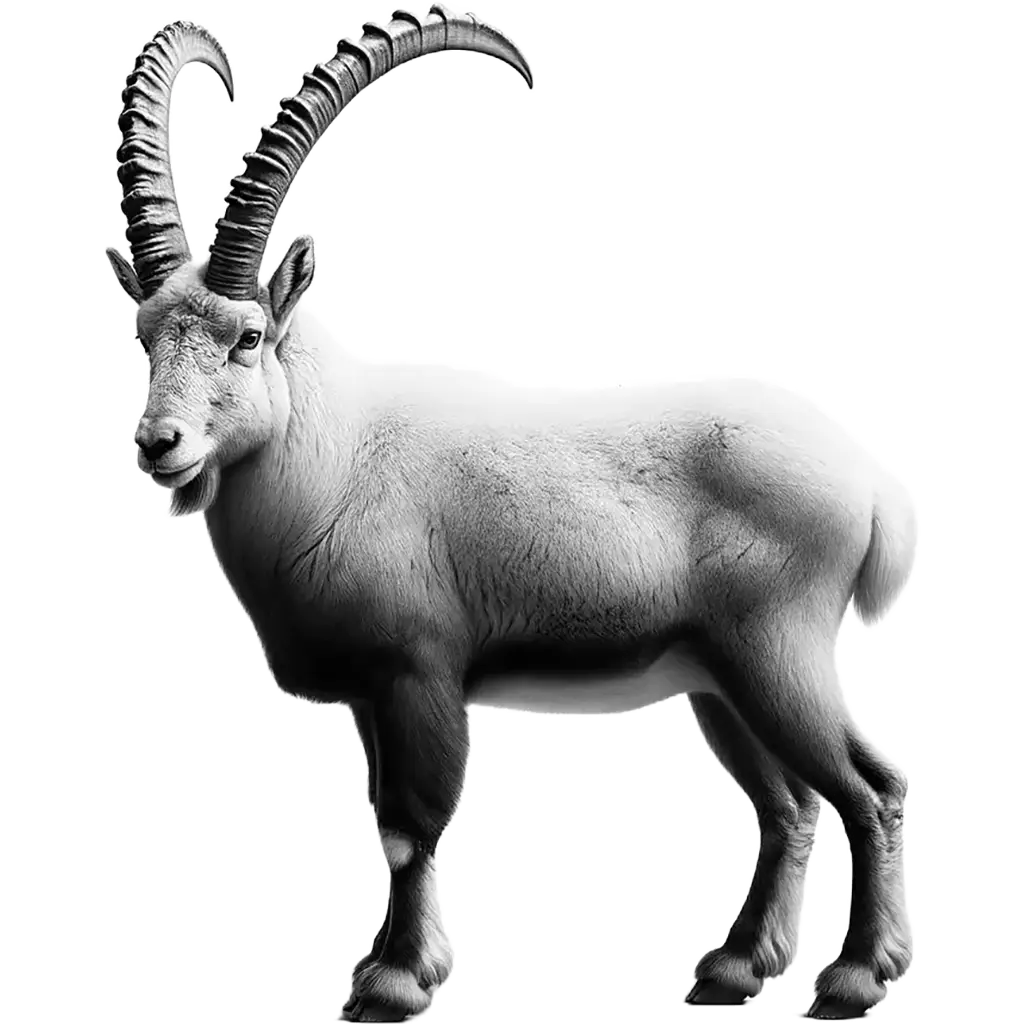
The Siberian Ibex, capra sibirica, is a robust and agile species of wild goat known for its impressive curved horns, which can reach up to 130 cm in length in males. These animals exhibit a coat that varies seasonally, being thicker and lighter in color during winter, and shorter and

The African Wildcat, felis lybica, is a small, elusive feline that is considered the progenitor of the domestic cat. Measuring approximately 40 to 50 cm in length with a 20 to 30 cm tail, and weighing between 3 to 6.5 kg, it exhibits a slender build and long legs. The

The Domestic Sheep, ovis aries, is a key livestock species that has been domesticated for thousands of years, playing an integral role in agriculture and human society. Adult sheep typically weigh between 45 to 160 kg, depending on the breed, sex, and age, with males (rams) usually larger than females

The Common Warthog exhibits a robust, pig-like face marked by prominent facial warts and a pair of upward-curving tusks. Its coarse, bristly hair displays a natural palette of grayish to light brown hues, while its muscular build, sturdy legs, and long, tapering snout give it a distinctive silhouette ideal for